




Jennie
@unabridgedopinions.com
Student success w/ a HigherEd perspective. Associate Director T&L & Student Success at UoM Library & Academic Lead for Student Success. Constantly tilting at windmills. Often seen reading, riding & running about. NTF/CATE/PFHEA, data and pedagogy obsessed
Reposted by Jennie

it's taken me a while to put this together. but I hope, if you've never heard of her, or even if you have, this tribute to Alice Wong buoys your heart and gives you a good sense of who this incredible person was. www.coyotemedia.org/remembering-...

Remembering Alice Wong
On the one-month anniversary of her passing, we honor the acclaimed disability justice advocate, writer, shit-talker, and friend to so many.
www.coyotemedia.org
December 15, 2025 at 7:20 PM
it's taken me a while to put this together. but I hope, if you've never heard of her, or even if you have, this tribute to Alice Wong buoys your heart and gives you a good sense of who this incredible person was. www.coyotemedia.org/remembering-...
Reposted by Jennie

"tyrannosaurus rex" is kinda one of the craziest called shots of all time if you think about it some dude in 1905 was like 'this was definitely the most badass dinosaur so I will name it as such' and 120 years of research and new discoveries keeps proving him right.
December 15, 2025 at 7:22 PM
"tyrannosaurus rex" is kinda one of the craziest called shots of all time if you think about it some dude in 1905 was like 'this was definitely the most badass dinosaur so I will name it as such' and 120 years of research and new discoveries keeps proving him right.
Reposted by Jennie

If you aren’t actively pro trans then you are not against the far right. them’s the rules

“Together Against The Far Right” is following a variety of groups - but they’ve not actively engaged with ANY LGBT or trans, orgs 🤔
Maybe it’s because their Interim Chair, Kevin Courtney, has a history of aligning himself with anti-trans hate groups??
Maybe it’s because their Interim Chair, Kevin Courtney, has a history of aligning himself with anti-trans hate groups??

December 15, 2025 at 7:37 PM
If you aren’t actively pro trans then you are not against the far right. them’s the rules
Oi. FFS. Knock this right off.
Grading and googling hallucinated citations, as one does nowadays, and now that LLMs have been around for a while, I've discovered new horrors: hallucinated journals are now appearing in Google Scholar with dozens of citations bc so many people are citing these fake things
December 15, 2025 at 9:46 PM
Oi. FFS. Knock this right off.
Reposted by Jennie
Rob Reiner: “Silence in the face of authoritarianism is complicity. Speaking out is a patriotic act. Democracy doesn’t defend itself. It requires participation, vigilance, and courage from ordinary people."

December 15, 2025 at 1:41 PM
Rob Reiner: “Silence in the face of authoritarianism is complicity. Speaking out is a patriotic act. Democracy doesn’t defend itself. It requires participation, vigilance, and courage from ordinary people."
Reposted by Jennie

One way that the reaction to Rob Reiner's murder mirrors Charlie Kirk's is that the best way to eulogize each of them is to quote their words, and in both cases, doing so pisses off conservatives.
Rob Reiner: “Silence in the face of authoritarianism is complicity. Speaking out is a patriotic act. Democracy doesn’t defend itself. It requires participation, vigilance, and courage from ordinary people."
December 15, 2025 at 8:52 PM
One way that the reaction to Rob Reiner's murder mirrors Charlie Kirk's is that the best way to eulogize each of them is to quote their words, and in both cases, doing so pisses off conservatives.
Reposted by Jennie

We’re at the end of the pendulum swing. We’re winning.

we can kill them all if we just work together and ✨believe💫

December 15, 2025 at 7:41 PM
We’re at the end of the pendulum swing. We’re winning.
Reposted by Jennie

Rob Reiner either made your favorite movie, or made somebody you know’s favorite movie. If you’re a Californian, he’s also part of the reason you or your friends can get married. He has changed more lives for the better than this asshole commenting on him ever did.
December 15, 2025 at 7:36 PM
Rob Reiner either made your favorite movie, or made somebody you know’s favorite movie. If you’re a Californian, he’s also part of the reason you or your friends can get married. He has changed more lives for the better than this asshole commenting on him ever did.
Reposted by Jennie

Tons of people talking about what a gifted director of comedy Rob Reiner was but to me his most impressive movie is MISERY (1990). Absolutely expert handling of suspense beats - Reiner could've spent his entire career as a successful thriller director if he so chose.

December 15, 2025 at 6:21 PM
Tons of people talking about what a gifted director of comedy Rob Reiner was but to me his most impressive movie is MISERY (1990). Absolutely expert handling of suspense beats - Reiner could've spent his entire career as a successful thriller director if he so chose.
Reposted by Jennie

We are a team at the University of Manchester researching what UK undergraduates with ADHD and/or autism would like to see in university staff training on ensuring undergraduate courses are accessible to them.
Study link: www.qualtrics.manchester.ac.uk/jfe/form/SV_...
Study link: www.qualtrics.manchester.ac.uk/jfe/form/SV_...

December 15, 2025 at 9:19 AM
We are a team at the University of Manchester researching what UK undergraduates with ADHD and/or autism would like to see in university staff training on ensuring undergraduate courses are accessible to them.
Study link: www.qualtrics.manchester.ac.uk/jfe/form/SV_...
Study link: www.qualtrics.manchester.ac.uk/jfe/form/SV_...
Reposted by Jennie

If AI is changing how students learn, what does that mean for the future of higher education?🤔
QAA’s Curious Conversations series returns 🎉 creating space for open, honest dialogue about the future of learning.
👉🏾 Register here: https://bit.ly/3KTzqcm
#qualityassurance #highereducation #AI
QAA’s Curious Conversations series returns 🎉 creating space for open, honest dialogue about the future of learning.
👉🏾 Register here: https://bit.ly/3KTzqcm
#qualityassurance #highereducation #AI

December 15, 2025 at 3:55 PM
If AI is changing how students learn, what does that mean for the future of higher education?🤔
QAA’s Curious Conversations series returns 🎉 creating space for open, honest dialogue about the future of learning.
👉🏾 Register here: https://bit.ly/3KTzqcm
#qualityassurance #highereducation #AI
QAA’s Curious Conversations series returns 🎉 creating space for open, honest dialogue about the future of learning.
👉🏾 Register here: https://bit.ly/3KTzqcm
#qualityassurance #highereducation #AI
Reposted by Jennie

Thank you to @belovedofoizys.bsky.social for the latest 'Academic process and Digital Humanities' Post where she discusses her use of GIS in her archaeological studies


December 15, 2025 at 4:02 PM
Thank you to @belovedofoizys.bsky.social for the latest 'Academic process and Digital Humanities' Post where she discusses her use of GIS in her archaeological studies
Reposted by Jennie
This is also an excuse to post one of my fave news clips of all time. Right after the decision was handed down, David Boies (one of the lawyers who won) went on CBS news with a prominent bigot and ripped him to shreds. “The witness stand is a lonely place to lie.”
www.youtube.com/watch?v=kpNs...
www.youtube.com/watch?v=kpNs...

Prop 8 Attorney David Boies Vs. Tony Perkins Of Family Research Council
YouTube video by SuchIsLifeVideos
www.youtube.com
December 15, 2025 at 2:03 PM
This is also an excuse to post one of my fave news clips of all time. Right after the decision was handed down, David Boies (one of the lawyers who won) went on CBS news with a prominent bigot and ripped him to shreds. “The witness stand is a lonely place to lie.”
www.youtube.com/watch?v=kpNs...
www.youtube.com/watch?v=kpNs...
Reposted by Jennie
As we mourn Rob Reiner, don’t skip this: he was, pretty much, personally responsible for overturning California’s Prop 8 banning same sex marriage.
www.hollywoodreporter.com/business/bus...
www.hollywoodreporter.com/business/bus...
How Rob Reiner became anti-Prop. 8 kingpin
Rob Reiner reflects on the critical role he played in getting California's gay marriage ban overturned.
www.hollywoodreporter.com
December 15, 2025 at 1:37 PM
As we mourn Rob Reiner, don’t skip this: he was, pretty much, personally responsible for overturning California’s Prop 8 banning same sex marriage.
www.hollywoodreporter.com/business/bus...
www.hollywoodreporter.com/business/bus...
Reposted by Jennie

⬇️ 📚 🍎
Y'all, I'm doing a THING on Thursday, 1/15. As nervous as I am (first professional webinar), I'm excited to present this. I hope youth services librarians & educators attending find it helpful!
#LibrarySky #publibs #YSLSky #TLSky #edusky #skybrarians #GLAMs 📚🍎
librarylinknj.org/calendar/ret...
#LibrarySky #publibs #YSLSky #TLSky #edusky #skybrarians #GLAMs 📚🍎
librarylinknj.org/calendar/ret...
Rethinking Youth Services Outreach: Developing Connections between Public Libraries and Parent-Teacher Associations | LibraryLinkNJ
librarylinknj.org
December 15, 2025 at 4:20 PM
⬇️ 📚 🍎
Reposted by Jennie

Random memory of the day. Back in the early '80s, Rex Harrison was going to play Ahab in a production of MOBY DICK at the Royal Exchange in Manchester, but it never happened for some reason. Crying shame; I was really hepped to see it.
December 15, 2025 at 12:23 PM
Random memory of the day. Back in the early '80s, Rex Harrison was going to play Ahab in a production of MOBY DICK at the Royal Exchange in Manchester, but it never happened for some reason. Crying shame; I was really hepped to see it.
Reposted by Jennie
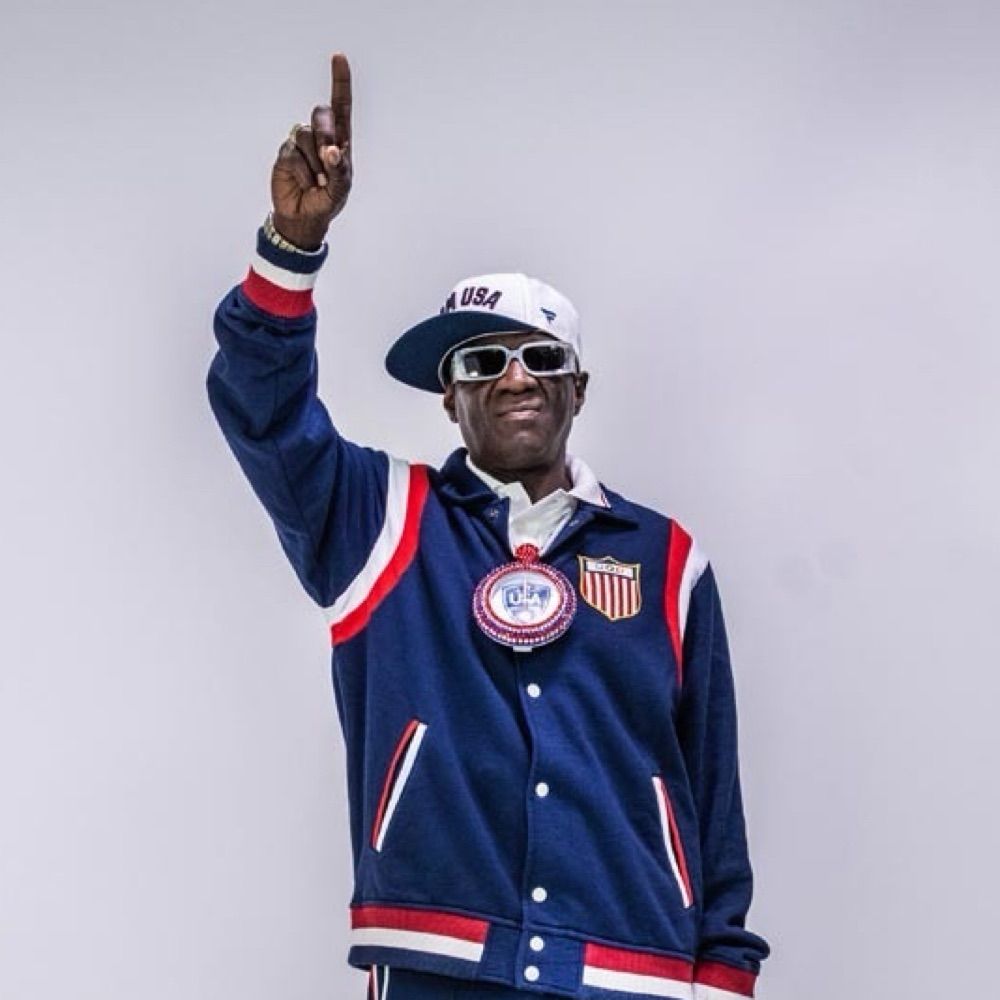
Any dentists in Kenosha, WI wanna help out a young autistic girl,?? This child needs 5 root canals due to her autism medicine.
Imma trade you a pair of tickets to our show in Chicago with GNR and a meeting next July
www.gofundme.com/f/help-with-...
Imma trade you a pair of tickets to our show in Chicago with GNR and a meeting next July
www.gofundme.com/f/help-with-...

Donate to My 11 year old autistic granddaughter needs 5 root canals, organized by Shirley Tutor-Perez
My granddaughter Rhiannon will be 11 on 12/20. She has been b… Shirley Tutor-Perez needs your support for My 11 year old autistic granddaughter needs 5 root canals
www.gofundme.com
December 14, 2025 at 5:18 PM
Any dentists in Kenosha, WI wanna help out a young autistic girl,?? This child needs 5 root canals due to her autism medicine.
Imma trade you a pair of tickets to our show in Chicago with GNR and a meeting next July
www.gofundme.com/f/help-with-...
Imma trade you a pair of tickets to our show in Chicago with GNR and a meeting next July
www.gofundme.com/f/help-with-...
Reposted by Jennie

Chag Chanukah sameach from Ozzy

December 14, 2025 at 6:19 PM
Chag Chanukah sameach from Ozzy
Reposted by Jennie


Reposted by Jennie

last night i explained to someone that being good at fighting is not about being big or strong, but about convincing the other guy you’re crazier than he is. nobody wants to fuck with the 5’2” girl who’s advancing on you barking like dmx
December 14, 2025 at 7:09 PM
last night i explained to someone that being good at fighting is not about being big or strong, but about convincing the other guy you’re crazier than he is. nobody wants to fuck with the 5’2” girl who’s advancing on you barking like dmx
Reposted by Jennie

Monday's TGT marks the 300th anniversary of Vivaldi's Four Seasons publication. One of the first examples of program music; written to represent something else. Play your students Winter and ask them if it makes them think of Winter?
bit.ly/TutorGroupThink
bit.ly/TutorGroupThink


December 14, 2025 at 5:17 PM
Monday's TGT marks the 300th anniversary of Vivaldi's Four Seasons publication. One of the first examples of program music; written to represent something else. Play your students Winter and ask them if it makes them think of Winter?
bit.ly/TutorGroupThink
bit.ly/TutorGroupThink
Reposted by Jennie

my favorite thing about the benoit blanc movies is that they aren't really about benoit blanc. he is not grappling with demons from his past. we are not getting flashbacks to the husband whose murder he never solved. he just shows up and does his job like mary poppins for homicides
December 14, 2025 at 1:24 PM
my favorite thing about the benoit blanc movies is that they aren't really about benoit blanc. he is not grappling with demons from his past. we are not getting flashbacks to the husband whose murder he never solved. he just shows up and does his job like mary poppins for homicides
Reposted by Jennie
@artcrimeprof.bsky.social, would you be able to share the overall thread to get help get all this great work to your followers? Thanks!
bsky.app/profile/amer...
bsky.app/profile/amer...
We light the first Hanukkah candle this evening, but we could all use some light right now, so here’s my 254th #ScholarSunday thread of public scholarly writing, podcasts, new & forthcoming books from last week. Add more below, share widely, & solidarity, all.🗃️
blackwhiteandread.com/scholarsunda...
blackwhiteandread.com/scholarsunda...

#ScholarSunday Thread 254 (12/14/2025) – Black and White and Read All Over
We light the first Hanukkah candle this evening, but we could all use some light right now, so here’s my super-sized 254th #ScholarSunday thread of great public scholarly writing & work, podcast episo...
blackwhiteandread.com
December 14, 2025 at 1:58 PM
@artcrimeprof.bsky.social, would you be able to share the overall thread to get help get all this great work to your followers? Thanks!
bsky.app/profile/amer...
bsky.app/profile/amer...
Reposted by Jennie

"Cisgender coloniality" describes a politics which imposes coercive gendered norms - including with regard to the performance of sexual behaviours - on subordinated, usually racialised, subjects of a particular imperial power.
December 14, 2025 at 2:37 PM
"Cisgender coloniality" describes a politics which imposes coercive gendered norms - including with regard to the performance of sexual behaviours - on subordinated, usually racialised, subjects of a particular imperial power.
Reposted by Jennie

PRINT ORDER DEADLINE
There’s three days left order A3, A4 or A5 prints for #Christmas.
Wednesday 17th December is my last posting day.
www.gailmyerscough.co.uk/prints
There’s three days left order A3, A4 or A5 prints for #Christmas.
Wednesday 17th December is my last posting day.
www.gailmyerscough.co.uk/prints
December 14, 2025 at 2:51 PM
PRINT ORDER DEADLINE
There’s three days left order A3, A4 or A5 prints for #Christmas.
Wednesday 17th December is my last posting day.
www.gailmyerscough.co.uk/prints
There’s three days left order A3, A4 or A5 prints for #Christmas.
Wednesday 17th December is my last posting day.
www.gailmyerscough.co.uk/prints