




Kris Willis
@kawillis.bsky.social
Systems biologist, data scientist, policy wonk, runner. Former NIH-funded investigator, former NIH program official. Founder, Woodley Park Institute. Writing about understanding and accelerating scientific progress at https://theprogressbarwpi.org
Reposted by Kris Willis

My father had polio in his back, my uncle in his leg.
The worst day of my father's life was while spending more than a year in the hospital at age 11, his father showed him the newspaper story that a polio vaccine had been found.
But it was too late for him. He didn't know if he'd ever walk again.
The worst day of my father's life was while spending more than a year in the hospital at age 11, his father showed him the newspaper story that a polio vaccine had been found.
But it was too late for him. He didn't know if he'd ever walk again.

My colleague Carl was one of the last people in America who contracted post-polio syndrome.
For a while he lived in an iron lung so he could breathe. Since then he’s been confined to a wheelchair.
In 1952, ~3,200 people died and Carl was one of ~58,000 people whose lives were irrevocably affected.
For a while he lived in an iron lung so he could breathe. Since then he’s been confined to a wheelchair.
In 1952, ~3,200 people died and Carl was one of ~58,000 people whose lives were irrevocably affected.

The chair of a federal vaccine advisory panel charted a new course for the committee in a podcast released Thursday, suggesting the public might want to reconsider the use of polio vaccines. www.statnews.com/2026/01/22/v...
January 23, 2026 at 2:07 AM
My father had polio in his back, my uncle in his leg.
The worst day of my father's life was while spending more than a year in the hospital at age 11, his father showed him the newspaper story that a polio vaccine had been found.
But it was too late for him. He didn't know if he'd ever walk again.
The worst day of my father's life was while spending more than a year in the hospital at age 11, his father showed him the newspaper story that a polio vaccine had been found.
But it was too late for him. He didn't know if he'd ever walk again.
When all the evidence from independent studies points in the same direction, believe it. Vaccines work.
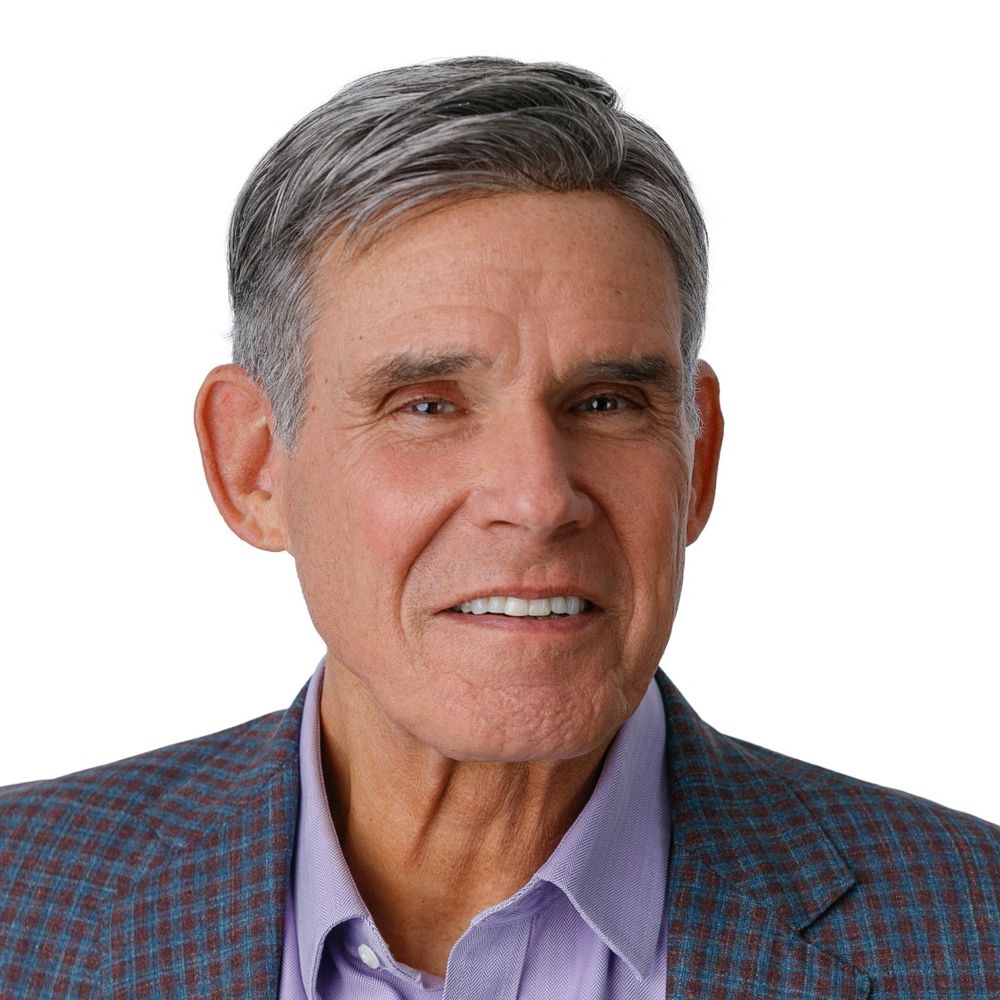
The Shingles vaccine and reduction of dementia: a new natural experiment from Canada replicated 3 others and adds to this week's link to slowing of biological aging.
erictopol.substack.com/p/spotlight-...
erictopol.substack.com/p/spotlight-...

Spotlight on the Shingles Vaccine—Again!
Two new studies add to a remarkable body of evidence for benefit
erictopol.substack.com
January 22, 2026 at 7:41 PM
When all the evidence from independent studies points in the same direction, believe it. Vaccines work.
Reposted by Kris Willis

Been hearing some horrifying chatter about dealing with the new #NIH common form and #ScienCV system, so I put together a short video with some tricks for mitigating some of those pain points.
Hope it helps? 🧪
open.substack.com/pub/emptymod...
Hope it helps? 🧪
open.substack.com/pub/emptymod...

Dealing with ScienCV formatting
Some tips for composing and making your new NIH biosketch not look like garbage
open.substack.com
January 17, 2026 at 3:28 AM
Been hearing some horrifying chatter about dealing with the new #NIH common form and #ScienCV system, so I put together a short video with some tricks for mitigating some of those pain points.
Hope it helps? 🧪
open.substack.com/pub/emptymod...
Hope it helps? 🧪
open.substack.com/pub/emptymod...
🧵. For myself I take two lessons: (1) it’s important to work with what you’ve got ✨and✨ (2) at the same time you’re doing that work, invest in a new approach
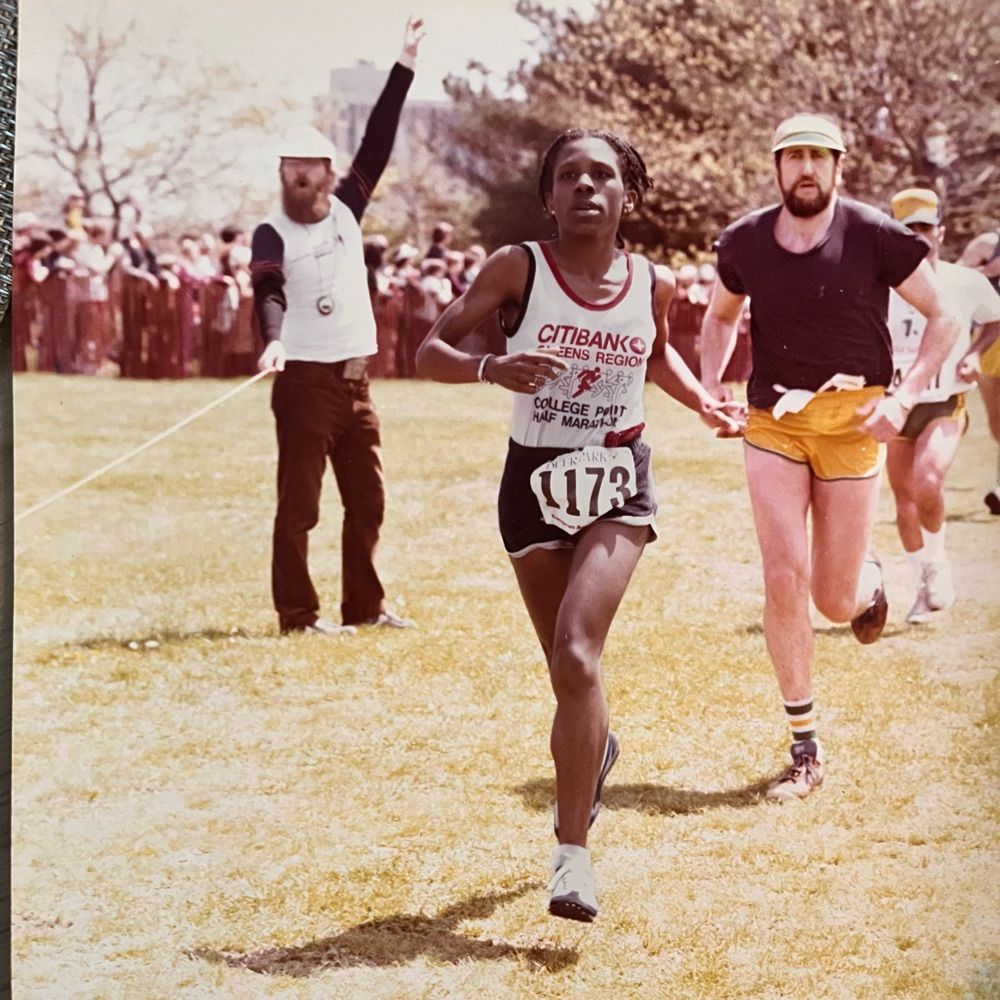
The context of Dr. King's often-quoted statement that "health injustice is the most shocking and inhuman form of inequality" was his March 1966 press conference with the Medical Committee for Human Rights.

January 19, 2026 at 11:42 PM
🧵. For myself I take two lessons: (1) it’s important to work with what you’ve got ✨and✨ (2) at the same time you’re doing that work, invest in a new approach
Reposted by Kris Willis
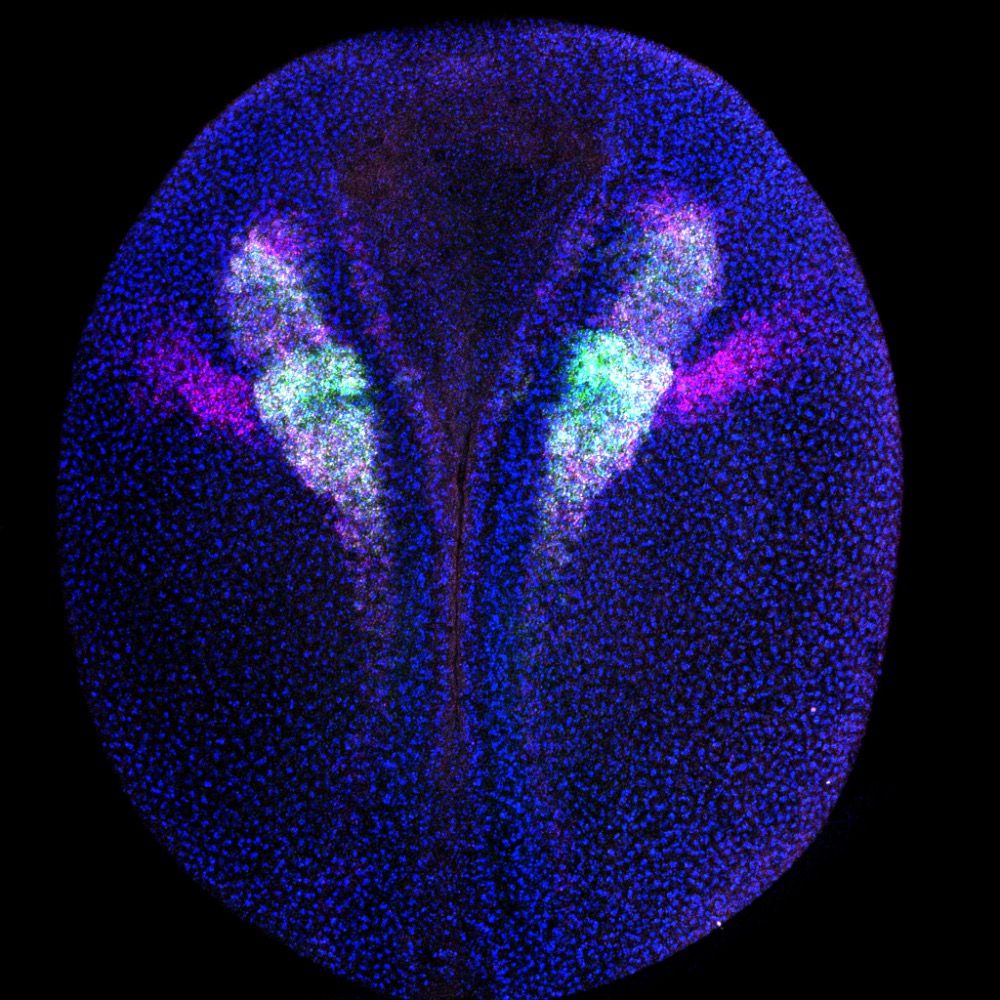
"We are confronted with the fierce urgency of now. In this unfolding conundrum of life and history, there "is" such a thing as being too late. This is no time for apathy or complacency. This is a time for vigorous and positive action." -MLK
January 19, 2026 at 6:03 PM
"We are confronted with the fierce urgency of now. In this unfolding conundrum of life and history, there "is" such a thing as being too late. This is no time for apathy or complacency. This is a time for vigorous and positive action." -MLK
Nice piece by @beenwrekt.bsky.social that echoes a problem I’ve long seen in biomedicine: people confusing “new” with “new-to-them”. This is imho a pre-existing problem related to a failure to read the literature deeply, but chatbots have put it on steroids:

Lore Laundering Machines.

Lore Laundering Machines
When insight comes from willful forgetting.
www.argmin.net
January 18, 2026 at 3:24 PM
Nice piece by @beenwrekt.bsky.social that echoes a problem I’ve long seen in biomedicine: people confusing “new” with “new-to-them”. This is imho a pre-existing problem related to a failure to read the literature deeply, but chatbots have put it on steroids:
Reposted by Kris Willis

The National Science Foundation sign on our Eisenhower Av building is now gone.
The NSF mural in the foyer is removed and torn off in sheets.
We were supposed to celebrate the 75th anniversary of the agency in May 2025. That never happened.
The NSF mural in the foyer is removed and torn off in sheets.
We were supposed to celebrate the 75th anniversary of the agency in May 2025. That never happened.


January 18, 2026 at 2:00 AM
The National Science Foundation sign on our Eisenhower Av building is now gone.
The NSF mural in the foyer is removed and torn off in sheets.
We were supposed to celebrate the 75th anniversary of the agency in May 2025. That never happened.
The NSF mural in the foyer is removed and torn off in sheets.
We were supposed to celebrate the 75th anniversary of the agency in May 2025. That never happened.
Reposted by Kris Willis

Funny, but also one of the two best career pieces of advice I got -- get exercise, especially when you are too stressed or don't have time for it.

discovered a pretty critical coding error in The Human Body where sometimes the way to feel better when you feel too bad to work out is to work out. this is suboptimal for user experience of The Human Body
January 17, 2026 at 6:21 AM
Funny, but also one of the two best career pieces of advice I got -- get exercise, especially when you are too stressed or don't have time for it.
Reposted by Kris Willis

Oh to be a little Tardigrade walking across a microscope slide. 🫧🐻🧪
January 13, 2026 at 5:01 PM
Oh to be a little Tardigrade walking across a microscope slide. 🫧🐻🧪
A thought I find myself coming back to lately.

January 15, 2026 at 8:33 PM
A thought I find myself coming back to lately.
Reposted by Kris Willis

Americans overwhelmingly support science, but their views on how science is faring in the U.S. compared to other nations vary by political party. Read the full article here: www.scientificamerican.com/article/amer...

January 15, 2026 at 4:55 PM
Americans overwhelmingly support science, but their views on how science is faring in the U.S. compared to other nations vary by political party. Read the full article here: www.scientificamerican.com/article/amer...
Reposted by Kris Willis

This the ask for the NIH budget. Multi year funding (MYF) has an important role for some funding mechanisms but this regime wants to expand MYF and that will have disastrous consequences for how many grants get funded. MYF should be limited to how it was used in 2024.

Ask: keep the senate language that limits MYF to FY2024 levels.
January 14, 2026 at 4:40 PM
This the ask for the NIH budget. Multi year funding (MYF) has an important role for some funding mechanisms but this regime wants to expand MYF and that will have disastrous consequences for how many grants get funded. MYF should be limited to how it was used in 2024.
Reposted by Kris Willis
GLP-1 agonists (eg Ozempic) are showing promise to reduce alcohol drinking and perhaps opioid use. This is, of course, a potential therapeutic success which arises from the random walking of science, not an “efficient” directed research program.
January 13, 2026 at 3:07 PM
GLP-1 agonists (eg Ozempic) are showing promise to reduce alcohol drinking and perhaps opioid use. This is, of course, a potential therapeutic success which arises from the random walking of science, not an “efficient” directed research program.
Reposted by Kris Willis
I still think if you have a completed story you believe is ready to submit then there is no disadvantage to pre-printing. We always pre-print first and then decide where to submit. As stressed above this in effect mitigates ‘scooping’. Revision requests in every field have got out of control.
January 13, 2026 at 8:21 AM
I still think if you have a completed story you believe is ready to submit then there is no disadvantage to pre-printing. We always pre-print first and then decide where to submit. As stressed above this in effect mitigates ‘scooping’. Revision requests in every field have got out of control.
Reposted by Kris Willis
yep - it also suggests they have some magic power to get through peer review quicker than the person with the headstart. And given that one can't predict how long peer review/revision will take, taking advantage of the one thing that is within you control - timing of preprint posting - seems wise
January 13, 2026 at 1:51 AM
yep - it also suggests they have some magic power to get through peer review quicker than the person with the headstart. And given that one can't predict how long peer review/revision will take, taking advantage of the one thing that is within you control - timing of preprint posting - seems wise
Reposted by Kris Willis

The "my competitor will see my preprint and replicate/rush their story to a journal" = their competitor has to have already done at least the rate-limiting parts of the work.
To me, this is about someone wanting to receive exclusive credit for work that other groups were doing simultaneously.
To me, this is about someone wanting to receive exclusive credit for work that other groups were doing simultaneously.
January 12, 2026 at 5:23 PM
The "my competitor will see my preprint and replicate/rush their story to a journal" = their competitor has to have already done at least the rate-limiting parts of the work.
To me, this is about someone wanting to receive exclusive credit for work that other groups were doing simultaneously.
To me, this is about someone wanting to receive exclusive credit for work that other groups were doing simultaneously.
New at The Progress Bar: The system for funding science is fundamentally broken. To fix it, we need to do more than change who gets funded, we need to change how funding decisions are made. theprogressbarwpi.org/p/doing-expe... 🧪

Doing experiments
evolving decision-making in an era of uncertainty
theprogressbarwpi.org
January 12, 2026 at 8:41 PM
New at The Progress Bar: The system for funding science is fundamentally broken. To fix it, we need to do more than change who gets funded, we need to change how funding decisions are made. theprogressbarwpi.org/p/doing-expe... 🧪
Reposted by Kris Willis

FYI the NIH is proposing revisions to the NIH Genome Data Sharing Policy: grants.nih.gov/grants/guide...
This needs careful consideration.
Responses are requested by mid-March and it goes without saying that many submissions from the global genomics community are strongly encouraged.
This needs careful consideration.
Responses are requested by mid-March and it goes without saying that many submissions from the global genomics community are strongly encouraged.
NOT-OD-26-023: Request for Information on Draft NIH Controlled-Access Data Policy and Proposed Revisions to NIH Genomic Data Sharing Policy
NIH Funding Opportunities and Notices in the NIH Guide for Grants and Contracts: Request for Information on Draft NIH Controlled-Access Data Policy and Proposed Revisions to NIH Genomic Data Sharing P...
grants.nih.gov
January 12, 2026 at 1:29 PM
FYI the NIH is proposing revisions to the NIH Genome Data Sharing Policy: grants.nih.gov/grants/guide...
This needs careful consideration.
Responses are requested by mid-March and it goes without saying that many submissions from the global genomics community are strongly encouraged.
This needs careful consideration.
Responses are requested by mid-March and it goes without saying that many submissions from the global genomics community are strongly encouraged.
Reposted by Kris Willis

Picard management tip: When a policy is doing more harm than good, you must examine and revise that policy. It may require simplification, or it may require greater sophistication. Either way, you must change it.
November 6, 2025 at 9:40 PM
Picard management tip: When a policy is doing more harm than good, you must examine and revise that policy. It may require simplification, or it may require greater sophistication. Either way, you must change it.
WaPo repeats the theory that new non-federal sources of research support could somehow lead to “slower but more profound” research advances; I’d like to see some evidence to back up that assertion
wapo.st/49KEsS5
wapo.st/49KEsS5

Trump’s college agenda may have a lasting impact on research, culture
Trump has altered the government’s relationship with higher education in ways that will be difficult to undo. Some schools say a change was needed.
wapo.st
January 11, 2026 at 2:45 PM
WaPo repeats the theory that new non-federal sources of research support could somehow lead to “slower but more profound” research advances; I’d like to see some evidence to back up that assertion
wapo.st/49KEsS5
wapo.st/49KEsS5
Things have not been ok for a long time @aaas.org. Scientists have made do and mended, but we have been leaving advances on the table. Innovation has suffered. Rigor has been compromised. Grateful for the continued support from Congress but we need to address the problems.

Same, AAAS Fellow and member and institute leader - while it's great that Congress is supportive of funding, science and scientists are not ok, @aaas.org

Hey @aaas.org I am a member and Fellow and am appalled by that statement. The devastating impact on trainees and their fellowships, the anxiety all have felt, and the devastating cuts in some fields are just some examples. Perhaps you all could respond directly??
January 10, 2026 at 9:55 PM
Things have not been ok for a long time @aaas.org. Scientists have made do and mended, but we have been leaving advances on the table. Innovation has suffered. Rigor has been compromised. Grateful for the continued support from Congress but we need to address the problems.
Reposted by Kris Willis

A long-awaited update of federal employment data shows crippling staff reductions in some federal agencies and offices:
www.nytimes.com/interactive/...
www.nytimes.com/interactive/...

220,000 Fewer Workers: How Trump’s Cuts Affected Every Federal Agency (Gift Article)
New data offers the first clear view of the impact of the buyouts and firings.
www.nytimes.com
January 9, 2026 at 9:33 PM
A long-awaited update of federal employment data shows crippling staff reductions in some federal agencies and offices:
www.nytimes.com/interactive/...
www.nytimes.com/interactive/...
Reposted by Kris Willis
"The system has become hyper-competitive — so much so that it is dangerous & corrosive. The many problems that the grant system has — incremental research, the loss of innovation — are symptoms of the fact that too many scientists are chasing after too few grant dollars."
“The system of funding science is fundamentally broken. In some respects, it’s been an unmitigated disaster. It was a house of cards, and it’s not surprising that it’s now falling apart.”
-Mike Lauer, former director of extramural research 🧪
www.statecraft.pub/p/whats-wron...
-Mike Lauer, former director of extramural research 🧪
www.statecraft.pub/p/whats-wron...

What’s Wrong with NIH Grants?
“Science is fundamentally different than remodeling a kitchen”
www.statecraft.pub
January 10, 2026 at 4:42 AM
"The system has become hyper-competitive — so much so that it is dangerous & corrosive. The many problems that the grant system has — incremental research, the loss of innovation — are symptoms of the fact that too many scientists are chasing after too few grant dollars."
Reposted by Kris Willis
”never-ending rapid growth in biomedical science has created an unsustainable hypercompetitive system that is discouraging even the most outstanding prospective students from entering our profession--and making it difficult for seasoned investigators to produce their best work”

Rescuing US biomedical research from its systemic flaws - PubMed
The long-held but erroneous assumption of never-ending rapid growth in biomedical science has created an unsustainable hypercompetitive system that is discouraging even the most outstanding prospective students from entering our profession--and making it difficult for seasoned investigators to produ …
pubmed.ncbi.nlm.nih.gov
January 10, 2026 at 4:37 AM
”never-ending rapid growth in biomedical science has created an unsustainable hypercompetitive system that is discouraging even the most outstanding prospective students from entering our profession--and making it difficult for seasoned investigators to produce their best work”
“The system of funding science is fundamentally broken. In some respects, it’s been an unmitigated disaster. It was a house of cards, and it’s not surprising that it’s now falling apart.”
-Mike Lauer, former director of extramural research 🧪
www.statecraft.pub/p/whats-wron...
-Mike Lauer, former director of extramural research 🧪
www.statecraft.pub/p/whats-wron...
What’s Wrong with NIH Grants?
“Science is fundamentally different than remodeling a kitchen”
www.statecraft.pub
January 10, 2026 at 1:44 AM
“The system of funding science is fundamentally broken. In some respects, it’s been an unmitigated disaster. It was a house of cards, and it’s not surprising that it’s now falling apart.”
-Mike Lauer, former director of extramural research 🧪
www.statecraft.pub/p/whats-wron...
-Mike Lauer, former director of extramural research 🧪
www.statecraft.pub/p/whats-wron...