




Hussein Rashid, PhD
@husseinrashid.com
Culture Worker. Advocate. Consulant. Academic. Scholar of Muslims in the US, Muslims and US Popular Culture. Deep interest in Shi’i Justice theologies and Ismaili thought. Free range academic.
Reposted by Hussein Rashid, PhD

“The only reason that he’s able to continue to harass me is because New Yorkers are paying for it,” Boylan said in an interview with THE CITY. “It never ends.” www.thecity.nyc/2025/12/15/t...

Taxpayers Forked Out Another $1.3 Million for Cuomo’s Sexual Harassment Defense
As his failed mayoral campaign played out, the former governor’s lawyers ran up the bill contesting the claims of a former state trooper on his security detail.
www.thecity.nyc
December 15, 2025 at 1:19 PM
“The only reason that he’s able to continue to harass me is because New Yorkers are paying for it,” Boylan said in an interview with THE CITY. “It never ends.” www.thecity.nyc/2025/12/15/t...
My alma mater of @columbiauniversity.bsky.social continues to disgrace itself by participating in the cultural erasure of #Palestine. Thanks to the Columbia Spectator for covering this. www.columbiaspectator.com/news/2025/12...

Amid a crackdown on protests, students began organizing Palestinian cultural events. The University keeps canceling them.
<html><head><meta charset="utf-8"><meta name="viewport" content="width=device-width, initial-scale=1"><title>Amid a crackdown on protests, students began organizing Palestinian cultural events. The University keeps canceling them.</title><link rel="stylesheet" href="https://spectator-static-assets.s3.amazonaws.com/palestinianevents-ac/styles.164d45a1.css"><link rel="icon shortcut" href="https://www.columbiaspectator.com/pb/resources/img/CDS_Favicon.ico" type="image/x-icon"><link href="https://fonts.googleapis.com/css2?family=Playfair+Display:wght@500&family=Roboto:wght@400;500;700&display=swap" rel="stylesheet"></head><body> <div id="navbar" class="hide-news-navbar news-navbar"> <a id="cds-logo-container" href="https://www.columbiaspectator.com"> <img id="cds-logo" src="https://s3.amazonaws.com/spec-imagehosting/spectator-logo.png"> </a> </div> <div class="story-top"> </div> <div class="cover cover-hed"> <img src="https://cloudfront-us-east-1.images.arcpublishing.com/spectator/CE62CWEBFZC5XADAPZTUANV45Y.jpeg"> <header> <h1 id="headline">Amid a crackdown on protests, students began organizing Palestinian cultural events. The University keeps canceling them.</h1> <h1 id="dek">Spectator spoke to five organizers and obtained dozens of emails, showing that the University has ordered alterations to promotional materials, mandated location changes, and canceled events last minute.</h1> <p class="byline">By <a href="https://www.columbiaspectator.com/contributors/daksha-pillai/">Daksha Pillai</a></p> <p class="byline">Edited by <a href="https://www.columbiaspectator.com/contributors/tsehai-alfred/">Tsehai Alfred</a>, <a href="https://www.columbiaspectator.com/contributors/shea-vance/">Shea Vance</a>, <a href="https://www.columbiaspectator.com/contributors/isha-banerjee/10/">Isha Banerjee</a>, <a href="https://www.columbiaspectator.com/contributors/spencer-davis/">Spencer Davis</a>, <a href="https://www.columbiaspectator.com/contributors/emily-pickering/">Emily Pickering</a>, <a href="https://www.columbiaspectator.com/contributors/joseph-zuloaga/">Joseph Zuloaga</a>, Diego Carvajal Núñez, and Megha Parikh</p> <p class="pub-date">December 12, 2025</p> </header> </div><p class="cover-caption">Courtesy of Fadi Shuman</p><div class="g-body"> <p class="inline-credits"> </p> </div> <div class="story">
<p class="g-body paragraph">
In the weeks leading up to the Olive Harvest Festival, Clara and her fellow organizers spent hours making a papier-mâché olive tree, a prominent symbol of Palestinian culture and the focal point of the festival. To honor both the plant and the people who cultivated it, they painted each of its 624 leaves by hand.
</p>
<p class="g-body paragraph">
“Everything that was done was done in a way that was conscious of our relationship to the climate, the relationship to nature,” Clara said.
</p>
<p class="g-body paragraph">
From a homemade chocolate olive oil cake to a traditional Palestinian folk singer, every element of the event was a “labor of love,” Clara said, who spoke to Spectator on the condition of anonymity due to doxxing concerns and was granted a pseudonym. But by the time the festival should have been in full swing, Butler Plaza was empty, with the exception of several Public Safety officers on regular duty. The University had canceled the Olive Harvest Festival only two hours before it was set to begin.
</p>
<p class="g-body paragraph">
Throughout the fall semester, students and faculty members organizing Palestinian cultural and political events have faced significant administrative pushback, according to interviews with five organizers and dozens of emails from University officials obtained by Spectator. The University has intervened in at least three events related to Palestinian culture or politics this semester—the Olive Harvest Festival, an October Bridge Columbia dialogue event, and an Oct. 7 vigil—ordering student organizers to alter promotional materials, mandating location changes, and ultimately canceling events hours before they were set to begin.
</p>
<p class="g-body paragraph">
University administrators have previously intervened to curtail pro-Palestinian protests with <a href="https://www.columbiaspectator.com/news/2025/07/22/ujb-issues-expulsions-suspensions-and-degree-revocations-to-over-70-students-for-butler-demonstration/">academic sanctions</a> and <a href="https://www.columbiaspectator.com/news/2025/05/07/shipman-authorizes-nypd-to-assist-in-securing-butler-library-as-pro-palestinian-protest-continues/">police force.</a> The events the University canceled this semester were not organized as protests, but were dialogue-based or cultural in nature.
</p>
<p class="g-body paragraph">
“All decisions made were content neutral, and any claim to the contrary is inaccurate,” a University spokesperson wrote in a statement to Spectator. “Adhering to University policies helps balance everyone’s right to free expression with the University’s responsibility to maintain a campus environment conducive to learning and scholarship.”
</p>
<p class="g-body paragraph">
These cancellations come as the University emphasizes its own commitment to dialogue, <a href="https://www.columbiaspectator.com/news/2023/12/20/columbia-launches-initiatives-to-address-bigotry-intimidation-and-harassment/">launching</a> the <a href="https://provost.columbia.edu/content/dialogue-across-difference">“Dialogue Across Difference”</a> initiative through the Office of the Provost in 2023.
</p>
<p class="g-body paragraph">
Acting University President Claire Shipman, CC ’86, SIPA ’94, has touted the importance of dialogue throughout her tenure. In a Universitywide <a href="https://president.columbia.edu/news/supporting-our-community-11-14-25">announcement</a> on Nov. 14, responding to an incident of Islamophobic harassment targeting a student, she described diverse voices as “the very essence of our institution.”
</p>
<p class="g-body paragraph">
“We thrive, not in spite of, but rather because of, the rich mix of cultures, viewpoints, and intellects we attract and nurture,” Shipman wrote.
</p>
<p class="g-body paragraph">
<b>The festival </b>
</p>
<p class="g-body paragraph">
For several Palestinian events, including the Olive Harvest Festival, student organizers closely followed established procedures and communicated with administrators for weeks before the cancellations.
</p>
<p class="g-body paragraph">
Students from the GS Alliance, Native American Council, and Columbia Palestine Solidarity Coalition had been planning the Olive Harvest Festival since August and submitted an initial request to book Butler Plaza through the University’s event management system platform on Oct. 17, according to Clara.
</p>
<p class="g-body paragraph">
Cameron Jones, CC ’26, another organizer of the Olive Harvest Festival, said in an interview with Spectator that the event commemorated both the historical and current significance of olive trees in Palestinian culture.
</p>
<p class="g-body paragraph">
Israeli settler attacks on Palestinian farmers during the olive harvest season—which occurs between September and November—have <a href="https://news.un.org/en/story/2025/10/1166145">increased</a> significantly from the same period last year.
</p>
<p class="g-body paragraph">
“Events like this are extremely important for telling the Columbia community that there are still people who are focused on Palestine, who care about Palestine, and want to center Palestinian stories and experiences at this time where Palestinians are experiencing genocide and our university is extremely complicit in that,” Jones said.
</p>
<p class="g-body paragraph">
Student protesters have repeatedly called on the University to divest from companies with ties to Israel, cancel the opening of the Tel Aviv Global Center, and end the dual degree program with Tel Aviv University. Columbia became the national epicenter for protests over the war in Gaza after Hamas attacked Israel on Oct. 7, 2023, killing about 1,200 people and taking 251 people hostage, according to Reuters. On the same day, Israel began bombing the Gaza Strip and, on Oct. 27, 2023, launched a full-scale invasion of Gaza, killing over 70,000 Palestinians as of November, according to the Gaza Health Ministry.
</p>
<p class="g-body paragraph">
A few days after the initial request for the Olive Harvest Festival, an administrative adviser wrote to student organizers in an Oct. 21 email that the festival would have to go through an event review process with University Event Management.
</p>
<p class="g-body paragraph">
According to the University’s student group event <a href="https://universitypolicies.columbia.edu/content/student-group-event-policy-and-procedure">policy and procedure</a>, event reviews must be scheduled 10 business days in advance for “Special Events.” The University classifies “Special Events” as events with media presence, alcohol, high attendance, off-campus advertisement, security concerns, or “potential for significant disruption.”
</p>
<p class="g-body paragraph">
After scheduling an event review for Nov. 5, an adviser informed student organizers through an Oct. 30 email that two of the groups listed as co-sponsors for the festival—Columbia’s chapter of Jewish Voice for Peace and the Sunrise Movement at Columbia—were “derecognized” student groups and would not be allowed to co-sponsor or have speakers on behalf of the organizations at the festival.
</p>
<p class="g-body paragraph">
The University <a href="https://www.columbiaspectator.com/news/2023/11/10/columbia-suspends-sjp-and-jvp-following-unauthorized-thursday-walkout/">suspended</a> Columbia’s chapter of JVP, along with Students for Justice in Palestine, on Nov. 10, 2023, for violating “University policies related to holding campus events,” making the groups ineligible to hold on-campus events. The University has never formally recognized Sunrise Columbia, a chapter of the national Sunrise Movement, which advocates for political action on climate change.
</p>
<p class="g-body paragraph">
Student organizers complied with the adviser’s request and removed JVP and Sunrise Columbia from their promotional materials.
</p>
<p class="g-body paragraph">
On Nov. 5, the morning of the planned event review, an adviser informed student organizers of the Olive Harvest Festival that University Event Management requested that they postpone the event, originally scheduled on Nov. 11.
</p>
<p class="g-body paragraph">
The adviser wrote that the date change was requested because “several” other events were “scheduled on the plaza and lawn that evening, and UEM wants to ensure the success of the program,” according to an email obtained by Spectator.
</p>
<p class="g-body paragraph">
Spectator reviewed student group bookings in the event management system for Nov. 11 and found no other events scheduled to take place on Butler Plaza or South Lawn for the entire day. The only other nonclass event taking place that evening on lower campus was the Institute for Israel and Jewish Studies’ 75th anniversary gala in Low Library.
</p>
<p class="g-body paragraph">
“Our goal is to prevent conflict between and with registered events, to enable equitable allocation of space, enable adequate facilities and operational support, and most importantly, to avoid disruption of academic functions,” a University spokesperson wrote in a statement to Spectator.
</p>
<p class="g-body paragraph">
Clara said the repeated exchanges between student organizers and University Event Management showed the “constant throwing of a wrench in our planning.”
</p>
<p class="g-body paragraph">
Administrative staff and campus partners continued to contact student organizers up until Nov. 10 to confirm audiovisual arrangements, table rentals, and linen colors.
</p>
<p class="g-body paragraph">
“We had gone through all the hoops and all the hurdles that they set in front of us and it was approved, so there was no reason to be thinking it would be flagged or something would be going on,” Clara said.
</p>
<p class="g-body paragraph">
The morning of the Olive Harvest Festival, the students’ adviser sent organizers an email titled “GSA Olive Harvest Festival Promotional Materials- Action Required.” In the email, the adviser wrote that “senior administration has flagged the Olive Harvest Festival tonight regarding the zero tolerance policy.”
</p>
<p class="g-body paragraph">
In a July 15 Universitywide email <a href="https://www.columbiaspectator.com/news/2025/07/15/columbia-adopts-new-definition-of-antisemitism-partners-with-adl-for-antisemitism-training/">announcing</a> measures to address antisemitism on campus, Shipman announced that as part of the University’s “Affirmation of Zero Tolerance” policy, University administration “has not, and will not, recognize or meet with the group that calls itself ‘Columbia University Apartheid Divest’ (CUAD), its representatives, or any of its affiliated organizations.”
</p>
<p class="g-body paragraph">
Columbia University Apartheid Divest, a pro-Palestinian coalition of student organizations was the primary organizer of the April 2024 “Gaza Solidarity Encampment.” CPSC publicly disaffiliated <a href="https://www.columbiaspectator.com/opinion/2024/10/19/recentering-palestine-reclaiming-the-movement/">from CUAD</a> in an October 2024 Spectator op-ed.
</p>
<p class="g-body paragraph">
The adviser wrote in a Nov. 12 email that CPSC—which they misidentified as NYCPSC, a nonexistent group—had “reposted and collaborated with Columbia4Palestine, a group that posts statements for CUAD” and thus, violated the zero tolerance policy. The adviser instructed student organizers to remove CPSC from their promotional materials or the event would be canceled.
</p>
<p class="g-body paragraph">
The Columbia4Palestine Instagram <a href="https://www.instagram.com/columbia4palestine/?hl=en">account</a> does not identify itself as a CUAD affiliate in its profile information, but has previously published posts titled “CUAD statement on movement-wide repression” and “CUAD statement on Tarek Bazrouk’s sentencing.” CPSC and other student organizations, including Sunrise Columbia and Columbia Students for a Democratic Society, previously collaborated with the Columbia4Palestine account on a Nov. 9 post announcing a protest against a Nov. 10 Institute of Global Politics <a href="https://www.columbiaspectator.com/news/2025/11/17/former-president-bill-clinton-speaks-at-igp-event-on-israeli-prime-minister-yitzhak-rabin-30-years-after-his-assassination/">event</a> honoring Yitzhak Rabin, former prime minister of Israel.
</p>
<p class="g-body paragraph">
The Columbia4Palestine account was not featured as a collaborator on the Nov. 7 post announcing the Olive Harvest Festival.
</p>
<p class="g-body paragraph">
“It’s twice removed, they are not alleging that CPSC collaborated with CUAD, they’re alleging that CPSC has in the past collaborated with Columbia4Palestine, which has collaborated with CUAD,” Clara said.
</p>
<p class="g-body paragraph">
The initial Nov. 12 email, which the adviser sent at 10:24 a.m., was followed by another email at 12:06 p.m. asking student organizers to send updated promotional materials for the Olive Harvest Festival.
</p>
<p class="g-body paragraph">
“Please respond to this email by 1:30 pm with the updated promotional materials,” the adviser wrote. “If we do not receive a response with the updated flyer and posts, the event will be cancelled by Senior Administration.”
</p>
<p class="g-body paragraph">
In their initial request for event space, student organizers had listed CPSC as a co-sponsor of the Olive Harvest Festival. According to Clara, during meetings with University Life administrators, student organizers had repeatedly confirmed that the event did not violate the zero tolerance policy.
</p>
<p class="g-body paragraph">
A University spokesperson wrote in a statement to Spectator that “in all these listed instances”—referencing the Olive Harvest Festival, the Bridge Columbia panel, the Oct. 7 vigil, and an Oct. 8 Palestinian Cultural Night—“one or more of those protocols and processes were not followed.”
</p>
<p class="g-body paragraph">
“One would expect them, people who have had 10 working days, to do the due diligence, and if they had an issue we would have been happy to remove them,” Clara said. “But the problem here is that at 10:30, you’re asking people to respond to you by 1:30 p.m.”
</p>
<p class="g-body paragraph">
According to Clara, she and other student organizers didn’t see the emails from the adviser until 4 p.m., as they were either in classes or helping set up the event. When she finally arrived, holding the chocolate olive oil cake that she had spent all day baking, one of her fellow organizers approached her.
</p>
<p class="g-body paragraph">
“She came to me and hugged me and she had brought her mother there to sing folk songs. … She said ‘I’m so tired,’” Clara said. “And I’m like, ‘I don’t understand.’”
</p>
<p class="g-body paragraph">
At 2:58 p.m., only two hours before the event, the students’ adviser sent a final email informing student organizers that they could not hold the Olive Harvest Festival that night. In the email, the adviser wrote that “campus partners have collectively decided to postpone the event.” Earlier emails had attributed the potential cancellation order to senior administrators. The adviser did not include a proposed date for the event.
</p>
<p class="g-body paragraph">
An hour before the cancellation, the “Documenting Jew Hatred on Campus at Columbia U” X account <a href="https://x.com/CampusJewHate/status/1988682169766801586">posted</a> a screenshot of the Olive Harvest Festival flyer and tagged Shipman’s X account, asking her to look into the event and bar one of the event’s affiliates from campus. The account has over 20,000 followers.
</p>
<p class="g-body paragraph">
On Nov. 13, the account <a href="https://x.com/CampusJewHate/status/1989041707183394823">posted</a> again about the festival, celebrating its cancellation and thanking Shipman for taking “action to stop this illegal event on campus.”
</p>
<p class="g-body paragraph">
“Well done, @ClaireShipman!” the post reads. “We hope you continue to exhibit strong leadership by enforcing the school’s rules and by striving to create an academic environment.”
</p>
<p class="g-body paragraph">
Though the adviser’s email addressed the possibility of postponing the event, Clara and Jones both said that holding the event again would not be logistically or financially feasible, as many of the event’s components—such as the olive oil tastings—included perishable items paid for by student organizers.
</p>
<p class="g-body paragraph">
After the event’s cancellation, student organizers announced on social media that the location had been moved to the outside of the 116th Street and Broadway gates. However, the location shift resulted in a “much smaller, much less comprehensive” version of the originally planned event, Jones said.
</p>
<p class="g-body paragraph">
Without access to tables or amplified sound, organizers could no longer host the olive pit bracelet-making workshop or broadcast a live Zoom call with an olive farmer in the West Bank, who had stayed up past midnight to present at the event, Jones and Clara said.
</p>
<p class="g-body paragraph">
Jonathon Crompton, a Ph.D. candidate in the Graduate School of Arts and Sciences and an attendee at the event, said that he had been “looking forward to going for many weeks,” but that the festival felt “compromised” as a result of the location shift.
</p>
<p class="g-body paragraph">
“I think if you could have forecast what was going to happen, I think the organizers would have tried to hold it somewhere else, if at all,” Crompton said. “What transpired was nowhere near proportionate to the labor and the passion and the logistics and everything that went into this event.”
</p>
<p class="g-body paragraph">
Jones, Clara, and Crompton all said they saw Public Safety officers and a New York Police Department car lingering around the perimeter of the event—a presence that contributed to a feeling of “extreme surveillance,” Clara said. Throughout the event, students sang along to traditional Palestinian folk songs led by an organizer’s mother.
</p>
<p class="g-body paragraph">
“I think I felt disgusted by the fact that they thought this is the place we deserve to be: by the curbside, by the roadside,” Clara said. “This tiny Palestinian lady next to the giant gates, that imagery will forever be stuck in my head.”
</p>
<p class="g-body paragraph">
<b>The discussion</b>
</p>
<p class="g-body paragraph">
One month earlier, other student organizers had run into similar issues when scheduling Palestinian cultural and political programming.
</p>
<p class="g-body paragraph">
Bridge Columbia, a student organization that describes itself as being dedicated to reducing political polarization, had planned to hold an Oct. 7 discussion in Hamilton Hall about the war in Gaza. Flyers advertising the event showed an image of Israel-Palestine borders, with the word “Genocide?” superimposed on a dark red background.
</p>
<p class="g-body paragraph">
The calls from administrators came almost immediately.
</p>
<p class="g-body paragraph">
According to Harvey Pennington, GS/JTS ’27, president and co-founder of Bridge Columbia, the flyer had already generated criticism from both pro-Israel students and pro-Palestinian students, which—to him—indicated that they had done “a good job with this marketing.”
</p>
<p class="g-body paragraph">
Then, in an Oct. 3 email reviewed by Spectator, a University administrator reached out to Pennington and said that they had “several questions and concerns,” asking whether there were any officially recognized student organizations co-sponsoring the event.
</p>
<p class="g-body paragraph">
At the time, Bridge Columbia was in the process of registering as a recognized student organization, but it did not officially receive recognition until early November.
</p>
<p class="g-body paragraph">
According to Pennington, Bridge Columbia had never encountered issues before for hosting events and weekly meetings without official student groups co-sponsoring them, including a Nov. 21, 2024, event titled, “What are the most productive ways for the Columbia community to engage with the Israel-Palestinian conflict?” which over 80 people attended.
</p>
<p class="g-body paragraph">
“There’s no security concerns for that, but now there’s security concerns, and I’m unsure of what that is, especially considering it was just marketed as a small discussion,” Pennington said in an interview with Spectator, referring to the planned Oct. 7 event. “There was really only going to be 30, 35 people there.”
</p>
<p class="g-body paragraph">
Pennington and TJ Gill, CC ’22, Law ’27, Bridge Columbia’s vice president and co-founder, attended an Oct. 4 Zoom meeting with a University Life administrator and faculty adviser to discuss the event. According to Pennington and Gill, the administrator expressed concerns that holding the event on Oct. 7 could “strike a nerve” with Jewish and pro-Israel students—telling Bridge Columbia to either postpone the event or alter its promotional materials.
</p>
<p class="g-body paragraph">
“I just simply asked them, ‘What do you think the title of the event should be?’” Pennington said. “And I think it was implied that the word ‘genocide’ was an issue.”
</p>
<p class="g-body paragraph">
A University spokesperson wrote in a statement to Spectator, “The University’s priority is to provide a safe and respectful campus environment for students, faculty, and staff, where all feel welcome and can thrive.”
</p>
<p class="g-body paragraph">
“The University’s notice requirements and policies are content neutral and are not intended to prevent or dissuade vigils, protests, demonstrations, or campus events from taking place, but to organize the time, place, and manner,” the spokesperson wrote.
</p>
<p class="g-body paragraph">
After the conversation, Pennington and Gill elected to keep the event on Oct. 7 and redesigned the flyer to feature the Dome of the Rock in Jerusalem and the words “What does October 7th mean to you?”—a title suggested by the University Life administrator. Pennington and Gill both expressed hesitation to change the promotional materials, with Gill referring to the new poster as a “sanitized” version of the previous one.
</p>
<p class="g-body paragraph">
“My feeling was that this wasn’t really doing a lot of justice to the pro-Palestinian community,” Pennington said. “But regardless, I think programming is still important, so better programming than no programming.”
</p>
<p class="g-body paragraph">
After circulating the new flyers, Gill and Pennington received another email from their faculty adviser on Oct. 6. In the email reviewed by Spectator, the adviser wrote that University administration told them the event had to be postponed to a different date to “ensure appropriate engagement to ensure this can be carried out properly.”
</p>
<p class="g-body paragraph">
In response, Gill and Pennington postponed the event to Oct. 14 and redesigned promotional materials for a second time. The new flyer included an image of Israel-Palestine borders superimposed on a blue and red background with the title, “Reflection on October 7th, The Question of Genocide, & The Hope of Peace.”
</p>
<p class="g-body paragraph">
Then, less than six hours before the event was set to start, Bridge Columbia’s faculty adviser emailed Gill and Pennington with the subject line “Cancelling Tonite’s Bridge Event.” In the email, reviewed by Spectator, the adviser said that the event was canceled and University Life was no longer allowing Bridge Columbia to use the Columbia name or host events without co-sponsorship from another group.
</p>
<p class="g-body paragraph">
Additionally, the adviser wrote that Bridge Columbia “may be put through the Student Group Accountability Process because complaints have been received.”
</p>
<p class="g-body paragraph">
According to the Center for Student Success and Intervention, the student group accountability review process addresses “concerns about student group conduct that may violate University or school policies.” The review process can lead to a formal investigation of a student group, resulting in potential sanctions.
</p>
<p class="g-body paragraph">
While Bridge Columbia later became a recognized student organization and did not receive further notification of an investigation from the CSSI, Pennington said the postponements and cancellation of the event significantly impacted the club, telling Spectator that attendance at meetings was “cut in half” and, as a result, Bridge Columbia “lost momentum.”
</p>
<p class="g-body paragraph">
“I think what we went through was a textbook example of administrative inconsistency and poor communication,” Pennington said. “At every stage, the rules kept changing.”
</p>
<p class="g-body paragraph">
<b>The vigil</b>
</p>
<p class="g-body paragraph">
In the weeks leading up to Oct. 7, 2024, pro-Palestinian students held a daily vigil, spending hours every night on Low Steps reading names of Palestinians killed in the war in Gaza.
</p>
<p class="g-body paragraph">
This year, students from the Muslim Student Association and the Columbia Student Union applied for University approval to host an hourlong “Vigil for Two Years of Genocide” on Low Steps on Oct. 7. According to Layla Saliba, SSW ’25, an alum who helped facilitate the organization of the event, the vigil was set to include a Salat al-Janazah—an Islamic funeral prayer—as well as speakers from different faith backgrounds.
</p>
<p class="g-body paragraph">
“The goal of this vigil was to have students from different faith traditions—Christian students, Muslim students, Jewish students—to gather together in mourning and solidarity and really offer a space for people to grieve on campus because that’s something that people haven’t really had,” Saliba said.
</p>
<p class="g-body paragraph">
In anticipation of “a heightened risk of disruption,” the University <a href="https://www.columbiaspectator.com/news/2025/10/06/columbia-suspends-same-day-guest-alumni-campus-access-for-oct-7/">announced</a> a policy on Sept. 30 requiring organizers of demonstrations or protests on certain dates—including Oct. 7—to notify the Office of Rules Administration through an online web form “at least two business days in advance.”
</p>
<p class="g-body paragraph">
Student organizers of the “Vigil for Two Years of Genocide” notified the University of their event through the web form at 12 p.m. on Sunday, Oct. 5—over 48 hours before the planned time of the event at 1 p.m. on Oct. 7. On the morning of Oct. 6, a University administrator emailed student organizers and informed them that their notice was considered “untimely, as it was submitted with less than two business days’ notice in advance.”
</p>
<p class="g-body paragraph">
In the Oct. 6 email, the administrator told student organizers that the event could not be “accommodated or advertised” as a vigil because it did not comply with time restrictions outlined in the University’s vigil <a href="https://universitypolicies.columbia.edu/content/policy-vigil-campus">policy</a>. According to the policy, vigils must be held between 5 p.m. and 7 p.m., though special approval can be granted for other hours. The policy also requires only one business day of advance notification before the vigil.
</p>
<p class="g-body paragraph">
The administrator offered to “accommodate this untimely request,” with a caveat: Student organizers could hold the event as a “demonstration” at Pupin Plaza, but not as a “vigil.” The administrator also informed students that attempts to demonstrate at other spaces, including the Sundial, would result in violations of the Rules of University Conduct. The administrator did not provide a reason as to why Pupin Plaza was offered as an alternative location.
</p>
<p class="g-body paragraph">
In an Oct. 6 follow-up email obtained by Spectator, student organizers asked the administrator to consider allowing the event to happen at Low Steps, which had already been announced as the planned location for the vigil in promotional materials.
</p>
<p class="g-body paragraph">
“We want to stress that we really want to work with the university to ensure that this event runs smoothly,” the email reads. “This is not a rally nor a march, it is a vigil. We do not have to call it that, it can be a commemorative gathering, but we want to stress that this is not a disruptive demonstration.”
</p>
<p class="g-body paragraph">
The administrator wrote back on the morning of Oct. 7, reiterating that Pupin Plaza was the only space any event could be held on the University’s Morningside campus and that if students decided to “gather” at any other location, their actions would be considered violations of the Rules.
</p>
<p class="g-body paragraph">
“The administration would like to dictate what a Palestinian existence is and they want to construct an image that Palestinians are disruptive, Palestinians are terrorists, Palestinians are not people who can mourn their losses,” Clara, who was also involved with organizing the vigil, said. “Because why else would you say a vigil is not okay, but a demonstration is okay?”
</p>
<p class="g-body paragraph">
Students from the graduate Muslim Student Association met over Zoom on Oct. 6 with Ian Rottenberg, dean of religious life, to discuss possible ways to facilitate alternatives to the Oct. 7 vigil.
</p>
<p class="g-body paragraph">
In a partial recording of the meeting obtained by Spectator, when an organizer asked if individual students could publicly pray without facing University sanctions, Rottenberg warned students about “erring into the realm of equivocation.”
</p>
<p class="g-body paragraph">
“We start by talking about an organized event that falls under a category of vigil and then if that’s not going the way that we want, open up, ‘well, could we just have prayer?’” Rottenberg said.
</p>
<p class="g-body paragraph">
Rottenberg also told students to consider the “timing and optics” of holding a public prayer on Oct. 7 and asked them to engage in “consultation with the people who know this moment in our particular communal space.”
</p>
<p class="g-body paragraph">
Saliba, who was present at the meeting, described Rottenberg’s comments as “really trying to paint the act of Muslim students praying as offensive. … On October 7, that was painted as offensive.”
</p>
<p class="g-body paragraph">
“Everybody should be able to practice their faith, and the fact that the University was so dead set on having this not happen at all was very, very concerning to me,” Saliba said.
</p>
<p class="g-body paragraph">
Rottenberg wrote in a statement to Spectator that “no work is more important to me than ensuring that students from all traditions have space and time to gather, reflect and pray.”
</p>
<p class="g-body paragraph">
“As was shared at length and in detail during the meeting in question, policies and community standards help to facilitate rather than to prevent these practices,” Rottenberg wrote.
</p>
<p class="g-body paragraph">
After their conversation with Rottenberg, student organizers elected to move the vigil—which was rebranded as “(Not A) Vigil for Palestine” in an Oct. 7 Instagram <a href="https://www.instagram.com/p/DPg78wkjbeI/">post</a> on the Columbia Student Union account—to outside the 116th Street and Broadway gates, where it <a href="https://www.columbiaspectator.com/news/2025/10/08/pro-palestinian-student-groups-protest-the-last-700-days-of-genocide-outside-campus-gates-two-years-after-oct-7-attack/">merged</a> with a community rally.
</p>
<p class="g-body paragraph">
At 12:18 p.m., less than an hour before the requested vigil would have taken place, Public Safety gated off Low Steps. One minute later, the University sent out a text message to community members that read, “No vigils, demonstrations, or protests have followed the University procedures to gather on Morningside’s lower campus and will not be allowed.”
</p>
<p class="g-body paragraph">
The only events held on lower campus that day were “Hillel Here4You” and “A Recipe for Memories,” both held by Columbia/Barnard Hillel to honor victims of Hamas’ Oct. 7, 2023, attack on Israel.
</p>
<p class="g-body paragraph">
<b>‘Just shut down’ </b>
</p>
<p class="g-body paragraph">
Despite the different natures of the events, all the organizers characterized the cancellations as part of a larger effort by the University to minimize discussion related to Palestinian issues on campus.
</p>
<p class="g-body paragraph">
“They have no problem platforming these people who do not at all acknowledge Palestinians’ rights for self-determination and for having access to their land,” Jones said, referring to the University administration. “Yet, when we simply want to do an event highlighting the olive harvest, it’s met with immense repression and just shut down.”
</p>
<p class="g-body paragraph">
Jones referenced the IGP event with Rabin, which featured former U.S. President Bill Clinton as a speaker. Rabin, who served as Israel’s minister of defense before becoming prime minister, <a href="https://www.nytimes.com/1988/01/22/world/israel-s-new-violent-tactic-takes-toll-on-both-sides.html">said</a> in 1988 that the priority of a new Israeli army policy was “to use force, might, beatings” against Palestinians in response to the First Intifada.
</p>
<p class="g-body paragraph">
Pennington also contrasted the postponement and cancellation of the Oct. 7 discussion with University administration’s “self-proclaimed support” for dialogue on campus as an alternative to protest. In a Sept. 22 Universitywide email announcing the annual World Leaders Forum, Shipman emphasized the importance of having “difficult, cutting-edge, and enlightening conversations at Columbia, respectfully.”
</p>
<p class="g-body paragraph">
“At times there will be speech that each of us finds disagreeable, even abhorrent—and we still need to protect it,” Shipman wrote. “Maybe even seek it out.”
</p>
<p class="g-body paragraph">
While Bridge Columbia has previously hosted events on controversial topics, including the inclusion of transgender athletes and the assassination of conservative activist Charlie Kirk, Pennington and Gill said those events did not face the same pushback as their discussions about the war in Gaza.
</p>
<p class="g-body paragraph">
“It clearly … threatens or undermines our ability to talk specifically, it seems, about the Israeli-Palestinian issue,” Gill said. “I won’t infer any motivations from the administration, but I think it clearly cuts against that and much of the power is in that obfuscation, the fact that you don’t necessarily know what the administrative rules are. Nobody really knows how they will be enforced.”
</p>
<p class="g-body paragraph">
While student and faculty organizers have successfully hosted several events related to pro-Palestinian protests and Palestinian culture this semester—most notably the Journalism School’s Nov. 20 screening of “The Encampments” documentary and CPSC’s Oct. 8 Palestinian Cultural Night event—the administration has also scrutinized these events.
</p>
<p class="g-body paragraph">
Columbia <a href="https://www.columbiaspectator.com/news/2025/11/20/columbia-denies-mahmoud-khalil-sipa-24-campus-access-for-planned-events-citing-security-reasons/">denied</a> campus access to Mahmoud Khalil, SIPA ’24, who was slated to speak at the Nov. 20 screening, citing “security concerns” and instructing faculty organizers to switch to an alternative Manhattanville location. In order to keep the screening at Pulitzer Hall, Khalil ultimately did not speak at the event.
</p>
<p class="g-body paragraph">
According to Saliba, who helped facilitate the Oct. 8 Palestinian Cultural Night event on Butler Plaza, Public Safety officers ordered student organizers to remove banners displaying the word “genocide” from the lawn fences during the event and place them on the ground instead. Saliba also said that Public Safety officers took photographs of students at the event, which had more than a hundred attendees.
</p>
<p class="g-body paragraph">
The University declined to comment on whether Public Safety officers instructed students to relocate the banners or took photos of attendees.
</p>
<p class="g-body paragraph">
“It was something that was well received by the students, yet it was still treated as a security threat by the University,” Saliba said.
</p>
<p class="g-body paragraph">
Student organizers for the Olive Harvest Festival and the Oct. 7 vigil expressed concerns that such administrative pushback indicated a broader repression of Palestinian identity on campus, even outside of the context of protests.
</p>
<p class="g-body paragraph">
“This wasn’t a protest, this wasn’t a demonstration,” Jones said of the Olive Harvest Festival. “This was a cultural community event, and they still canceled it.”
</p>
<p class="g-body paragraph">
Despite the lost time and money spent on the event, an effort Clara said was “entirely done by the goodwill and love that people had for each other,” she said she does not regret organizing the Olive Harvest Festival.
</p>
<p class="g-body paragraph">
“I think in the following days, when I was sitting and thinking about this and how devastating it feels, I would rather be this person that feels this sad than be the person crushing an event, crushing the Palestinian existence,” Clara said. “I’d rather be sad. It speaks to the entirety of my humanity, that I am sad.”
</p>
<p class="g-body paragraph">
<i>Copy edited by Sophia Lee, Dalina Cao, Grace Mazer, Ames Yu, June Liu, and Skerry Lu.</i>
</p>
<p class="g-body paragraph">
<i>Deputy News Editor Daksha Pillai can be contacted at </i><a href="mailto:[email protected]"><i>[email protected]</i></a><i>. Follow Spectator on X </i><a href="https://twitter.com/columbiaspec?lang=en"><i>@ColumbiaSpec</i></a><i>. </i>
</p>
<p class="g-body paragraph">
<b><i>Want to keep up with breaking news? Subscribe to our </i></b><a href="https://columbiaspectator.us4.list-manage.com/subscribe?u=a3d2eeb1ae5560ca04f82f042&id=e51c51d62d"><b><i>email newsletter </i></b></a><b><i>and like Spectator on </i></b><a href="https://www.facebook.com/columbiaspectator"><b><i>Facebook</i></b></a><b><i>. </i></b>
</p>
</div> <div class="footer g-body"> <div class="article-credits"> <p> Produced with <a href="https://github.com/graphicsdesk/spectate">Spectate</a> by <a href="https://www.columbiaspectator.com/contributors/alison-chiu/">Alison Chiu</a>. </p> </div> </div> <script src="https://spectator-static-assets.s3.amazonaws.com/palestinianevents-ac/script.75da7f30.js"></script> </body></html>
www.columbiaspectator.com
December 15, 2025 at 1:24 PM
My alma mater of @columbiauniversity.bsky.social continues to disgrace itself by participating in the cultural erasure of #Palestine. Thanks to the Columbia Spectator for covering this. www.columbiaspectator.com/news/2025/12...
Reposted by Hussein Rashid, PhD

We put together this guide to showcase upcoming toy drives across all five NYC boroughs, offering families free toys and gifts for kids during the holidays. Help us share it! 🎄

Discover 18 NYC Giveaways with Free Toys for the Holidays - Documented
Discover upcoming toy drives in each borough of New York City offering free toys and gifts for children during the holidays.
documentedny.com
December 15, 2025 at 12:05 PM
We put together this guide to showcase upcoming toy drives across all five NYC boroughs, offering families free toys and gifts for kids during the holidays. Help us share it! 🎄
Reposted by Hussein Rashid, PhD
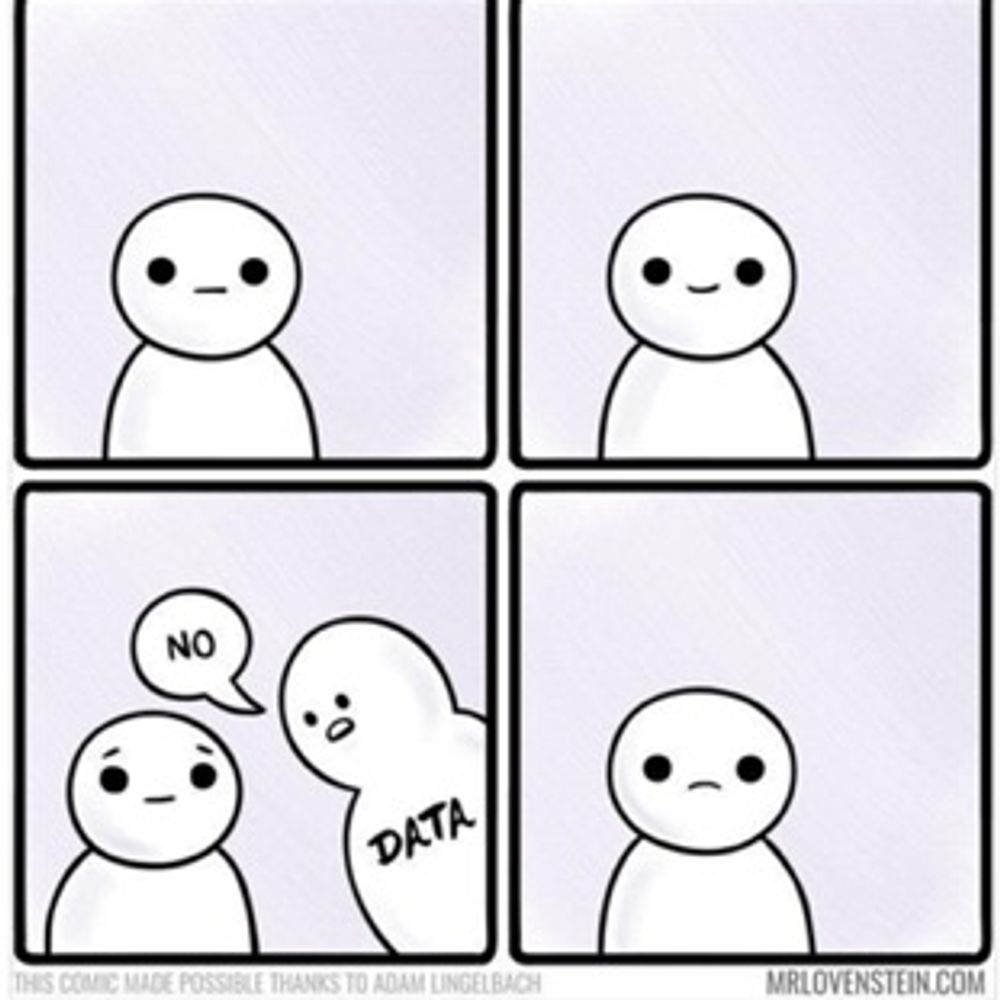
People should take a page out of New School faculty's book and start doing forensic accounting for their own institutions using public documents
There is an absolute fucking scandal going down at The New School, wherein at appears that the university is funnelling to a MEMBER OF THE SCHOOL’S BOARD while purging faculty and staff.
This should be headline news.
x.com/uaw7902/stat...
This should be headline news.
x.com/uaw7902/stat...


December 14, 2025 at 9:08 PM
People should take a page out of New School faculty's book and start doing forensic accounting for their own institutions using public documents
Inspired by @99pi.org episode on #CustomerService 99percentinvisible.org/episode/644-... I decided to do a post on good customer service I've had. islamoyankee.medium.com/great-custom...

Great customer service
I was inspired by a recent 99% Invisible episode to write a short post on great customer service experiences I’ve had.
islamoyankee.medium.com
December 14, 2025 at 4:52 PM
Inspired by @99pi.org episode on #CustomerService 99percentinvisible.org/episode/644-... I decided to do a post on good customer service I've had. islamoyankee.medium.com/great-custom...
Reposted by Hussein Rashid, PhD
It's so fucked up to have been a kid during the D&D is the devil freakout and the Tipper Gore dirty lyrics freakout and live to see the teen suicide machine get such a pass.
December 12, 2025 at 5:40 PM
It's so fucked up to have been a kid during the D&D is the devil freakout and the Tipper Gore dirty lyrics freakout and live to see the teen suicide machine get such a pass.
Reposted by Hussein Rashid, PhD
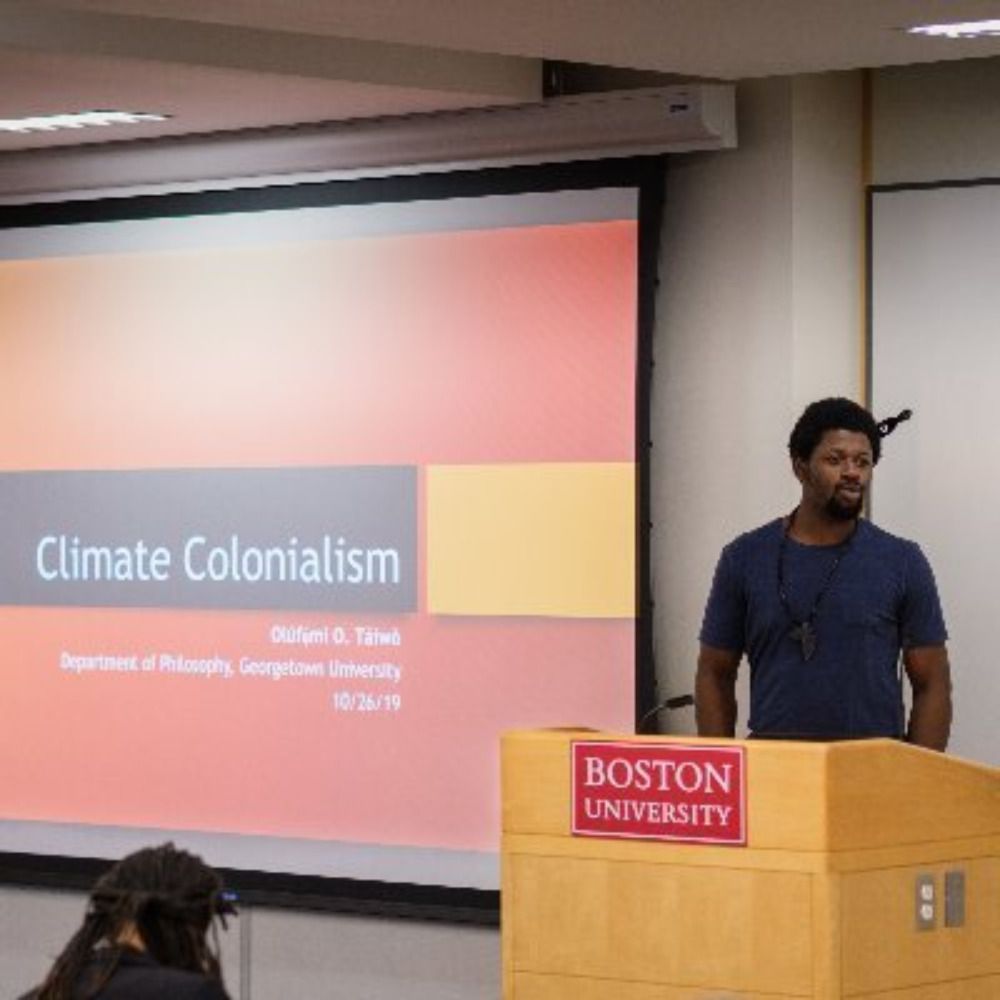
"Faculty and staff—who have given decades of their lives to the university—have been given less than two weeks to accept insulting “offers” and pack up as early as January 2, 2026."
Please support our colleagues at @newschoolaaup.bsky.social
actionnetwork.org/letters/stop...
Please support our colleagues at @newschoolaaup.bsky.social
actionnetwork.org/letters/stop...

Stop the Cuts at the New School
The restructuring proposed by the New School’s upper administration will harm faculty, students and the larger New School community. Faculty and staff—who have given decades of their lives to the univ...
actionnetwork.org
December 13, 2025 at 6:15 PM
"Faculty and staff—who have given decades of their lives to the university—have been given less than two weeks to accept insulting “offers” and pack up as early as January 2, 2026."
Please support our colleagues at @newschoolaaup.bsky.social
actionnetwork.org/letters/stop...
Please support our colleagues at @newschoolaaup.bsky.social
actionnetwork.org/letters/stop...
Neighbors handing out whistles and zines to protect neighbors against ICE as part of @handsoffnyc.bsky.social's Weekend of Community Action! They're at 5th Ave. & 13th St. in Brooklyn until 3:30 pm! For more events around the city this weekend, visit handsoffnyc.com !
![Couple of people stand at a table on a Brooklyn street corner handing out whistles and zines. A big sign reading "We [heart] immigrants / Hands Off NYC" in the front.](https://cdn.bsky.app/img/feed_thumbnail/plain/did:plc:j53elsjlcag3iuran5ezcy32/bafkreicgoqjwhx7bp3bw2n7fmnsktjp42cv5d52cjyjkto2j232iy5r2ta@jpeg)
December 13, 2025 at 7:03 PM
Reposted by Hussein Rashid, PhD
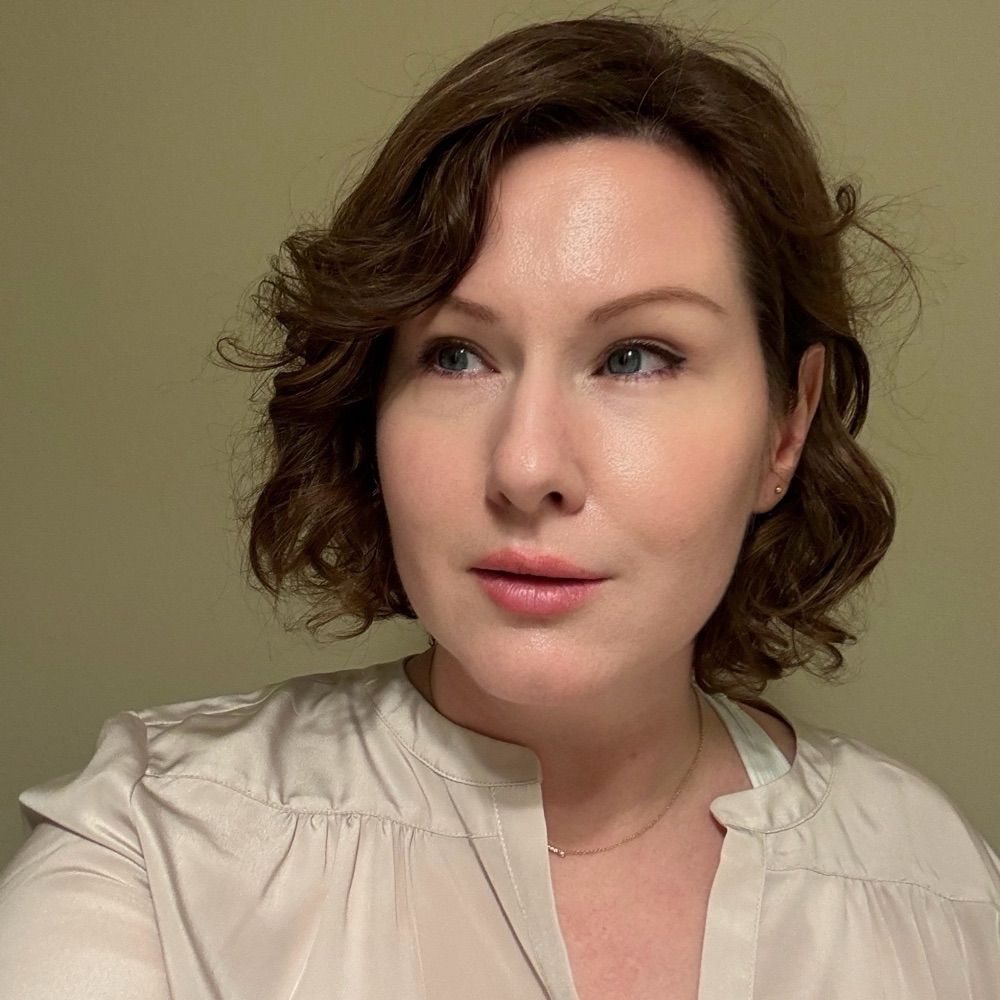
Politics are not a terribly accurate way to predict how a person will behave at an ethical crossroads; a far more accurate predictor is relative proximity to power.
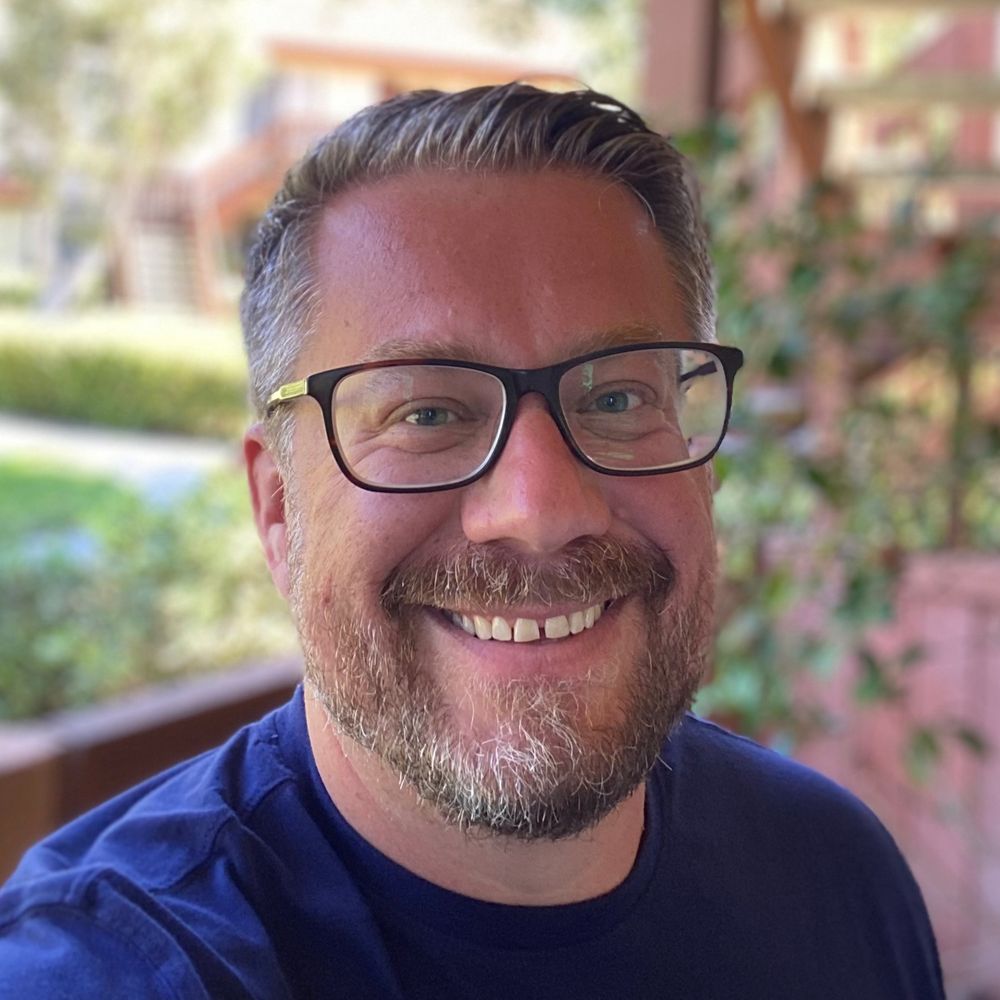
Well, there's a photo I never expected to see in my life. Noam Chomsky palling around with Steve Bannon.
December 12, 2025 at 11:44 PM
Politics are not a terribly accurate way to predict how a person will behave at an ethical crossroads; a far more accurate predictor is relative proximity to power.
Reposted by Hussein Rashid, PhD
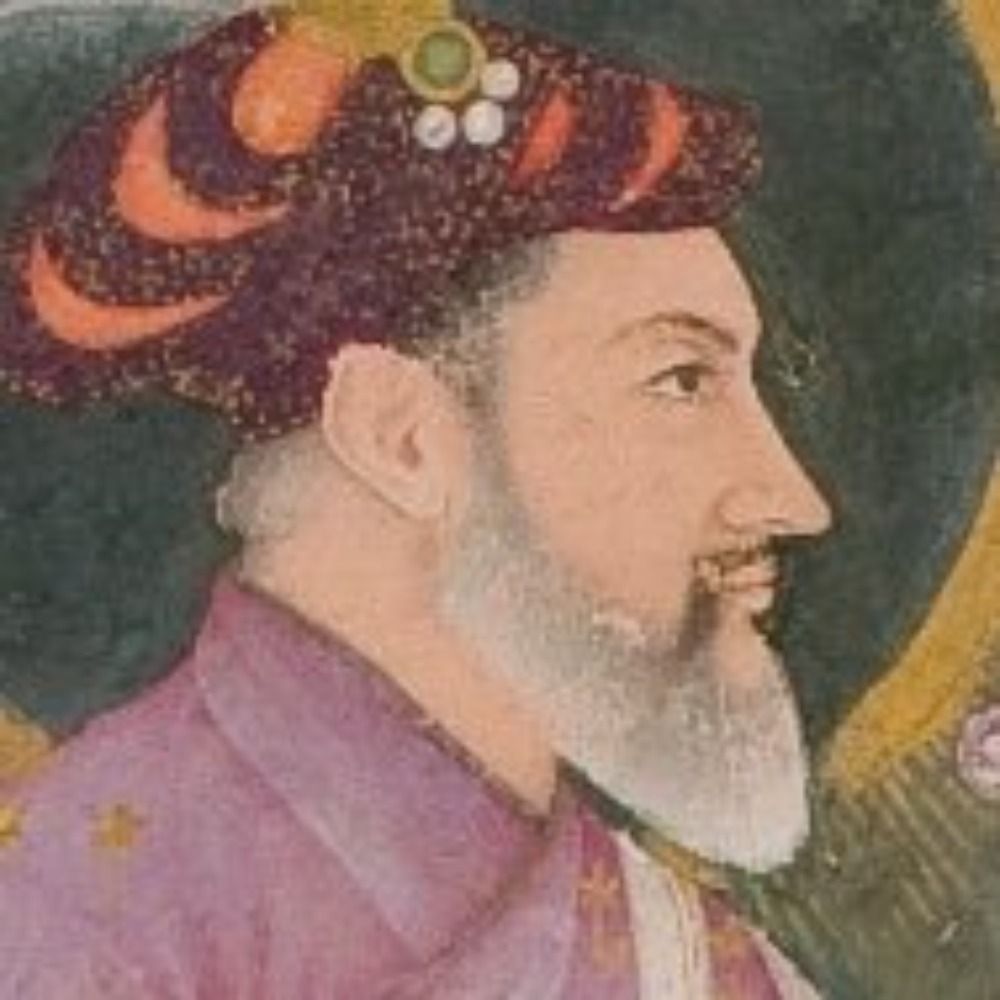
Couple in Affectionate Converse https://www.slam.org/collection/objects/1000/

December 12, 2025 at 5:35 PM
Couple in Affectionate Converse https://www.slam.org/collection/objects/1000/
The goal was always for # Harvard to return to its roots as a white imperial center justifying colonialism. The purge of Arabs, Muslims, adjacent folk, and allies is part of it.
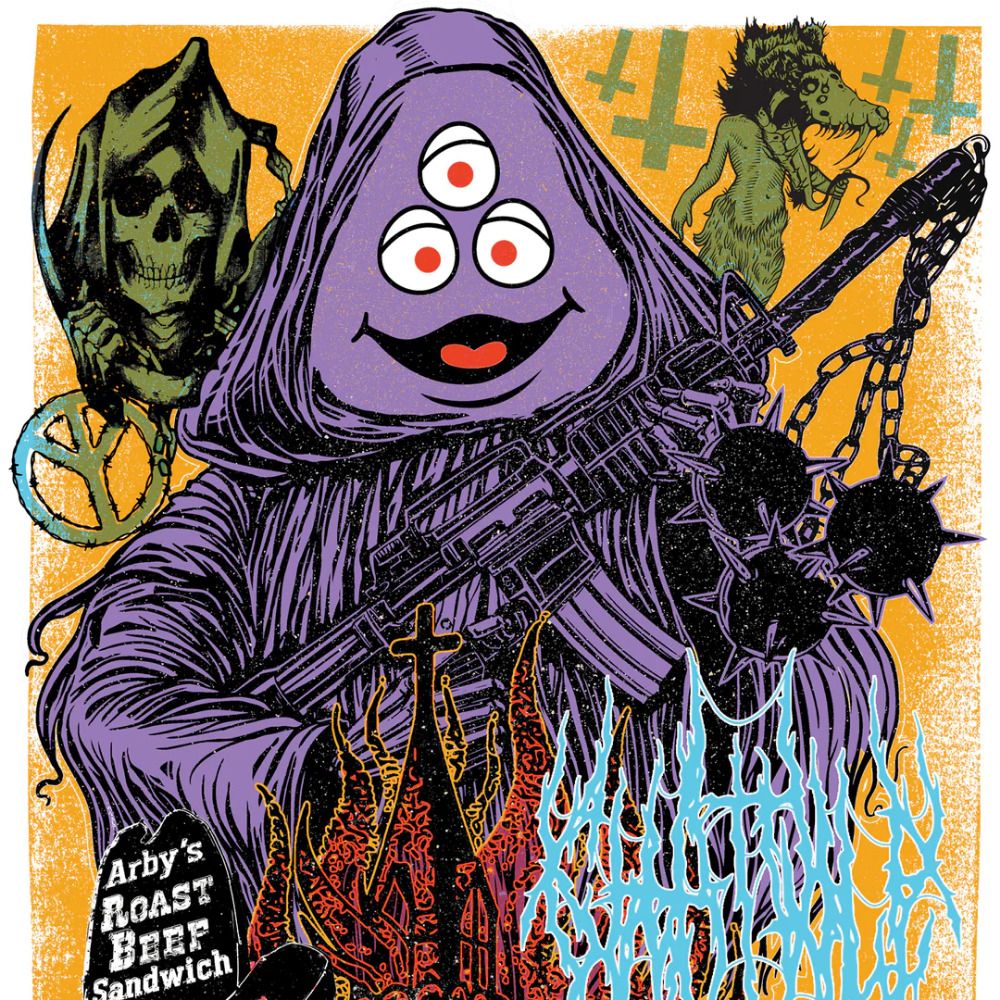
This "continues a pattern at Harvard with grave implications for academic freedom: the systematic firings of leaders at centers and units hosting scholarly programming related to Palestine....In no instance has the Harvard administration provided any justification for these highly irregular actions"
The Executive Committee of AAUP-Harvard Faculty Chapter is alarmed by the abrupt termination of Professor Mary T. Bassett as Director of the Francois-Xavier Bagnoud Center for Health and Human Rights at Harvard’s T. H. Chan School of Public Health. . www.aaup-hfc.org/aaup-harvard...
December 12, 2025 at 1:21 PM
The goal was always for # Harvard to return to its roots as a white imperial center justifying colonialism. The purge of Arabs, Muslims, adjacent folk, and allies is part of it.
I can attest to this.
it's fun to just say "chinga la migra" out loud to yourself whenever
December 12, 2025 at 12:39 PM
I can attest to this.
If you like #comics #politics #USHistory & future telling, check out my friend Alan Jenkins new @kickstarter.com for the 4th issue of his comic series 1/6. I've read the first 3 issues and it's a can't miss. www.kickstarter.com/projects/one...
cc: @gwillow.me @gregpak.net @klg19.bsky.social
cc: @gwillow.me @gregpak.net @klg19.bsky.social

1/6: The Graphic Novel - Issue #4
And Still We Rise!
www.kickstarter.com
December 11, 2025 at 10:04 PM
If you like #comics #politics #USHistory & future telling, check out my friend Alan Jenkins new @kickstarter.com for the 4th issue of his comic series 1/6. I've read the first 3 issues and it's a can't miss. www.kickstarter.com/projects/one...
cc: @gwillow.me @gregpak.net @klg19.bsky.social
cc: @gwillow.me @gregpak.net @klg19.bsky.social
Reposted by Hussein Rashid, PhD
Wow: Lemkin Institute for Genocide Prevention (named for Holocaust survivor Raphael Lemkin, who coined term "genocide") calls Clinton's remarks "genocide denial."
"Young people in the US are not stupid or gullible. They simply reject genocide – something the Secretary might consider doing as well."
"Young people in the US are not stupid or gullible. They simply reject genocide – something the Secretary might consider doing as well."
![Statement on Former Secretary of State Hillary Clinton’s Genocide Denial at the Israel Hayom Summit
December 9, 2025
The Lemkin Institute for Genocide Prevention and Human Security feels called to point out that former Secretary of State Hilary Clinton’s recent remarks at the Israel Hayom Summit on 2 December amount to outright genocide denial.
During her remarks, the Secretary correctly noted that the recent deterioration of Israel’s standing among U.S. voters is not a “Republican versus Democrat kind of divide” but rather a generational one. Nevertheless, she incorrectly diagnosed the reasons for the shift as a matter purely of optics, stating that “Israel [has] the worst PR of any group” and accusing social media, particularly TikTok, of presenting “pure propaganda” that American youth are uncritically ingesting.
Secretary Clinton’s framing is not at all an accurate reflection of why Americans are growing more critical of Israel. Young Americans of all political stripes have not fallen prey to propaganda, though that is always a legitimate concern. Rather, they have consumed two years of videos depicting Israel’s genocide against Palestinians that have been uploaded by Palestinian journalists, ordinary people trying to survive in Gaza, IDF soldiers, and ordinary Israelis themselves. There has been no convincing refutation of the sheer amount of raw evidence of genocide coming out of Palestine. Young people in the U.S. are not stupid or gullible. They simply reject genocide – something the Secretary might consider doing as well.
Secretary Clinton appears not to be bothered by the reality of genocidal violence – in fact, she did not mention anything about it. Her concern is, rather, in her words, “the narrative” – the fact that these crimes are no longer hidden and are now being live-streamed and documented in real time, making it harder for her and others to control it. TikTok cannot be blamed for the fact that many members of Gen Z understand that Israel is …](https://cdn.bsky.app/img/feed_thumbnail/plain/did:plc:pwsjq3xnal6auzgeqho4ecw7/bafkreiafbjju65esvo6htynkkl6or6muv4qqhwo5fghkkbyvclgnxxmchy@jpeg)

December 9, 2025 at 7:15 PM
Wow: Lemkin Institute for Genocide Prevention (named for Holocaust survivor Raphael Lemkin, who coined term "genocide") calls Clinton's remarks "genocide denial."
"Young people in the US are not stupid or gullible. They simply reject genocide – something the Secretary might consider doing as well."
"Young people in the US are not stupid or gullible. They simply reject genocide – something the Secretary might consider doing as well."
Reposted by Hussein Rashid, PhD

Huge Win for Rümeysa Öztürk!
“I hope one day we can create a world where everyone uses education to learn, connect, civically engage and benefit others – rather than criminalize and punish those whose opinions differ from our own.”
- Rümeysa Öztürk
AAUP stands in solidarity with Rümeysa Öztürk!
“I hope one day we can create a world where everyone uses education to learn, connect, civically engage and benefit others – rather than criminalize and punish those whose opinions differ from our own.”
- Rümeysa Öztürk
AAUP stands in solidarity with Rümeysa Öztürk!

Tufts student can resume research after Trump officials revoked her visa, judge rules
Rümeysa Öztürk was arrested in March amid White House’s crackdown on foreign students’ pro-Palestinian advocacy
www.theguardian.com
December 9, 2025 at 6:24 PM
Huge Win for Rümeysa Öztürk!
“I hope one day we can create a world where everyone uses education to learn, connect, civically engage and benefit others – rather than criminalize and punish those whose opinions differ from our own.”
- Rümeysa Öztürk
AAUP stands in solidarity with Rümeysa Öztürk!
“I hope one day we can create a world where everyone uses education to learn, connect, civically engage and benefit others – rather than criminalize and punish those whose opinions differ from our own.”
- Rümeysa Öztürk
AAUP stands in solidarity with Rümeysa Öztürk!
End of term reflection time for #HighEd folks. Taught a course on Muslims of #NYC for the first time & had the students do [email protected] project w/ @wikieducation.bsky.social. The results were astounding. Please check them out at: dashboard.wikiedu.org/courses/Barn...
@zohrankmamdani.bsky.social
@zohrankmamdani.bsky.social
dashboard.wikiedu.org
December 9, 2025 at 5:00 PM
End of term reflection time for #HighEd folks. Taught a course on Muslims of #NYC for the first time & had the students do [email protected] project w/ @wikieducation.bsky.social. The results were astounding. Please check them out at: dashboard.wikiedu.org/courses/Barn...
@zohrankmamdani.bsky.social
@zohrankmamdani.bsky.social
Reposted by Hussein Rashid, PhD
We got Weird Al out here singing Killing In The Name, the time for moderation is over
December 6, 2025 at 2:45 PM
We got Weird Al out here singing Killing In The Name, the time for moderation is over
Reposted by Hussein Rashid, PhD

Know your rights. Protect your neighbors.
New York is — and always will be — a city for all immigrants.
New York is — and always will be — a city for all immigrants.
December 7, 2025 at 5:03 PM
Know your rights. Protect your neighbors.
New York is — and always will be — a city for all immigrants.
New York is — and always will be — a city for all immigrants.
Reposted by Hussein Rashid, PhD
A swell time will be had by all! RSVP here for the @comixaction.com event at Chinatown Soup on 12/12!
cryptpad.fr/form/#/2/for...
cryptpad.fr/form/#/2/for...

December 7, 2025 at 10:36 PM
A swell time will be had by all! RSVP here for the @comixaction.com event at Chinatown Soup on 12/12!
cryptpad.fr/form/#/2/for...
cryptpad.fr/form/#/2/for...
Reposted by Hussein Rashid, PhD
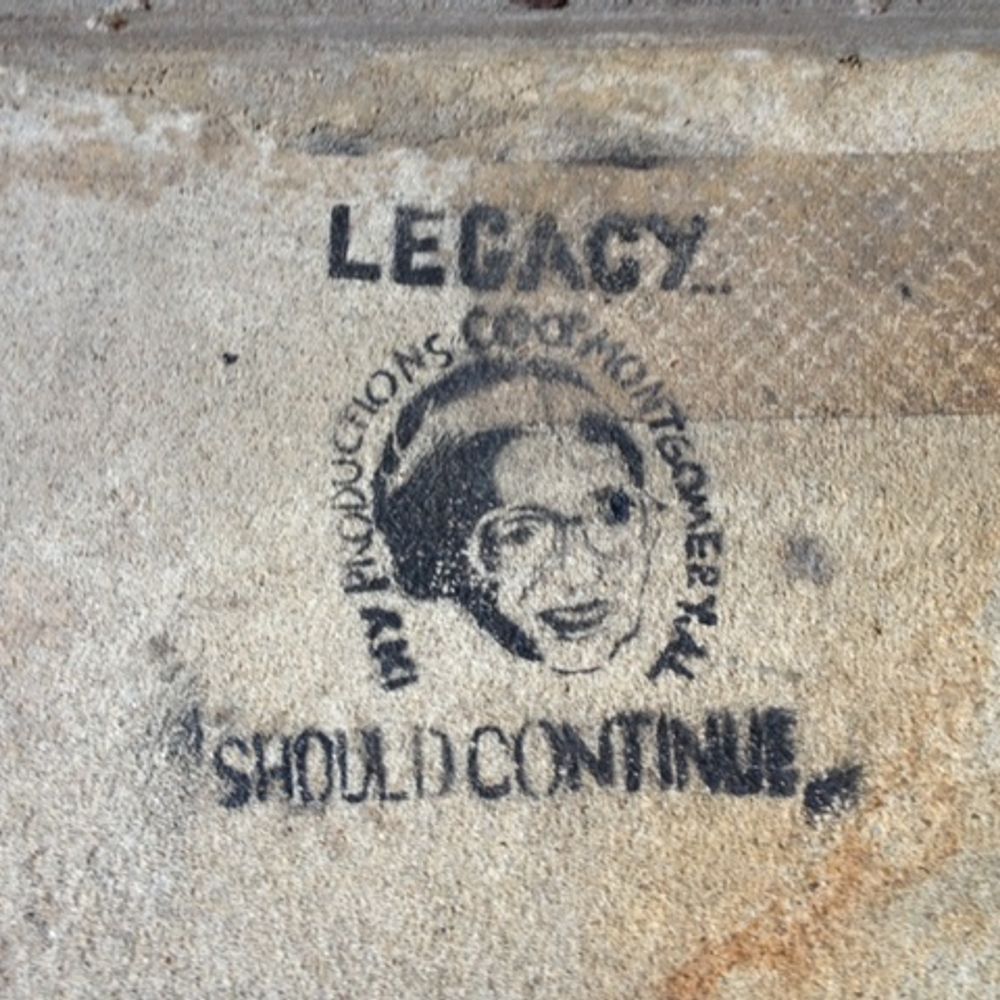
Like @prisonculture.bsky.social, I've been worried about the ways popular myths of the civil rights movement make it hard to see how to struggle today. On the 70th anniversary of the Montgomery bus boycott, the things we get wrong & what a fuller history shows us: www.theguardian.com/commentisfre...

What we get wrong about the Montgomery bus boycott – and what we can learn from it | Jeanne Theoharis
The movement’s success was never a given. It took much longer and required tremendous sacrifice without certainty it would work
www.theguardian.com
December 7, 2025 at 1:51 PM
Like @prisonculture.bsky.social, I've been worried about the ways popular myths of the civil rights movement make it hard to see how to struggle today. On the 70th anniversary of the Montgomery bus boycott, the things we get wrong & what a fuller history shows us: www.theguardian.com/commentisfre...
Reposted by Hussein Rashid, PhD
Humiliating for all involved. Like this: anildash.com/2025/09/09/h...

How Tim Cook sold out Steve Jobs - Anil Dash
A blog about making culture. Since 1999.
anildash.com
December 6, 2025 at 1:47 PM
Humiliating for all involved. Like this: anildash.com/2025/09/09/h...
Reposted by Hussein Rashid, PhD
“A Ceasefire in Name Only” — @scotnational.bsky.social is not afraid to call out Israel's continued attacks on Gaza

December 4, 2025 at 11:17 PM
“A Ceasefire in Name Only” — @scotnational.bsky.social is not afraid to call out Israel's continued attacks on Gaza
Reposted by Hussein Rashid, PhD

Preorder alert!
Amina's off on a dangerous mission to steal a spindle from a mysterious sorceress in THE TAPESTRY OF FATE, @shannonchakraborty.bsky.social's epic sequel to The Adventures of Amina al-Sirafi.
Signed Exclusive Edition with sprayed edges: www.waterstones.com/book/the-tap...
🪐💙📚
#SFF
Amina's off on a dangerous mission to steal a spindle from a mysterious sorceress in THE TAPESTRY OF FATE, @shannonchakraborty.bsky.social's epic sequel to The Adventures of Amina al-Sirafi.
Signed Exclusive Edition with sprayed edges: www.waterstones.com/book/the-tap...
🪐💙📚
#SFF

December 4, 2025 at 12:17 PM
Preorder alert!
Amina's off on a dangerous mission to steal a spindle from a mysterious sorceress in THE TAPESTRY OF FATE, @shannonchakraborty.bsky.social's epic sequel to The Adventures of Amina al-Sirafi.
Signed Exclusive Edition with sprayed edges: www.waterstones.com/book/the-tap...
🪐💙📚
#SFF
Amina's off on a dangerous mission to steal a spindle from a mysterious sorceress in THE TAPESTRY OF FATE, @shannonchakraborty.bsky.social's epic sequel to The Adventures of Amina al-Sirafi.
Signed Exclusive Edition with sprayed edges: www.waterstones.com/book/the-tap...
🪐💙📚
#SFF
Reposted by Hussein Rashid, PhD
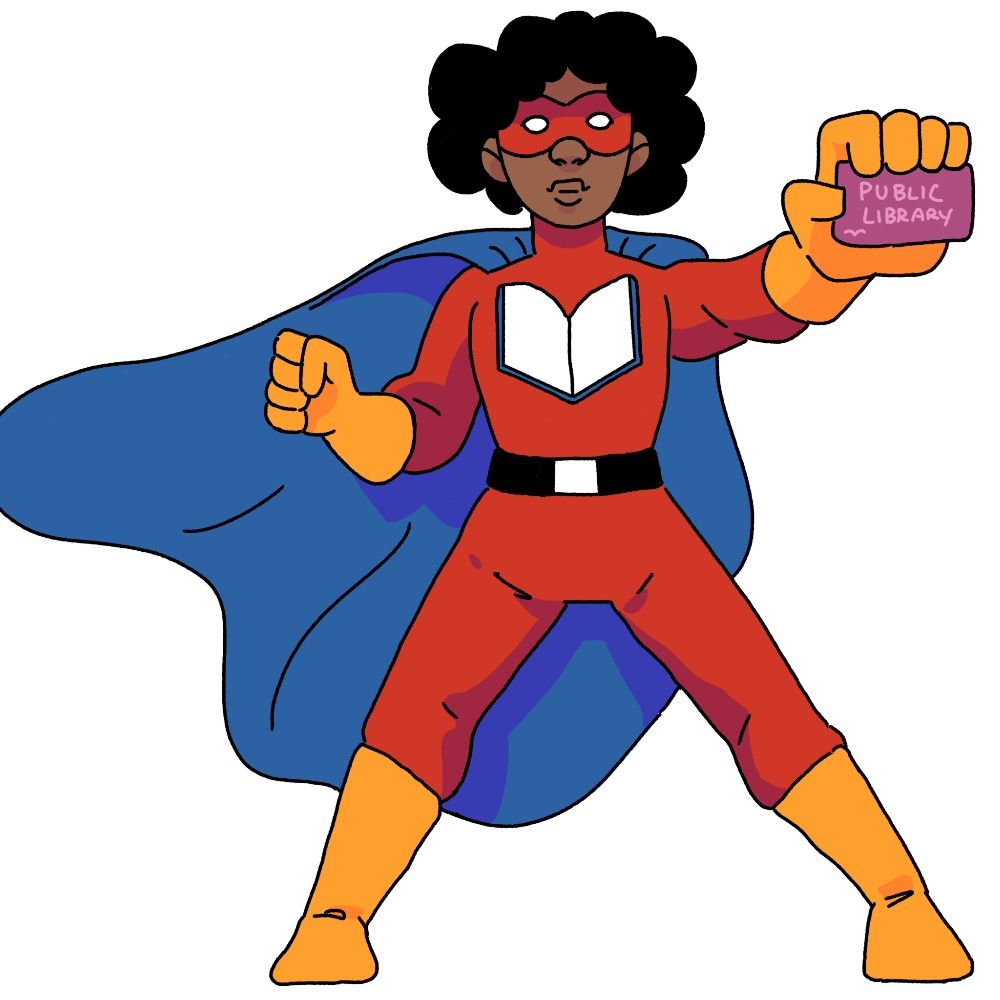
I really love this for so many reasons. YES. Please bring back school field trips for the small people.

Quinta Brunson has launched a fund to provide free field trips for public school students in Philadelphia.
The Emmy-winning actress also donated $25,000 for students experiencing food insecurity.
🔗: form-renderer-app.donorperfect.io/give/fundsdp...
The Emmy-winning actress also donated $25,000 for students experiencing food insecurity.
🔗: form-renderer-app.donorperfect.io/give/fundsdp...


December 4, 2025 at 3:28 AM
I really love this for so many reasons. YES. Please bring back school field trips for the small people.
Reposted by Hussein Rashid, PhD
Imagine trying to deploy Orientalism as a framework without being willing to acknowledge Palestine.
Literally, have you heard of a person named Edward Said?
Literally, have you heard of a person named Edward Said?

🚫Academic censorship on Palestine : A recent story
Last spring a colleague and I were approached by the editor of a 🇺🇸 academic journal who wanted us to write a piece on our Orientalism course for a special issue. 1/
Last spring a colleague and I were approached by the editor of a 🇺🇸 academic journal who wanted us to write a piece on our Orientalism course for a special issue. 1/
December 3, 2025 at 10:50 PM
Imagine trying to deploy Orientalism as a framework without being willing to acknowledge Palestine.
Literally, have you heard of a person named Edward Said?
Literally, have you heard of a person named Edward Said?