


@mozzahill.bsky.social
Reposted

Gross. I hate these megachurches

Sean Feucht heading to Australia and will be at Echo Church, Sydney Feb 22nd. Hosted by TPUSA favorite Andrew Sedra. The Sedra’s have already been turning up the Islamophobia dial, even before Bondi. Sean’s coming to fan the flames. Heads up homeland
January 30, 2026 at 4:50 AM
Gross. I hate these megachurches
Reposted
@timwattsmp.bsky.social As you don’t seem to post here anymore I will be emailing or calling you later so you can explain why Herzog has been invited here
January 30, 2026 at 12:27 AM
@timwattsmp.bsky.social As you don’t seem to post here anymore I will be emailing or calling you later so you can explain why Herzog has been invited here
Reposted
DUCKWORTH: If it's true that we are not at war with Venezuela, will you advise the president to rescind his invocation of the wartime Alien Enemies Act?
RUBIO: That was a mechanism to remove people from our country that present great danger
D: It's a wartime act. Are we currently at war?
R: No
RUBIO: That was a mechanism to remove people from our country that present great danger
D: It's a wartime act. Are we currently at war?
R: No
January 28, 2026 at 5:08 PM
DUCKWORTH: If it's true that we are not at war with Venezuela, will you advise the president to rescind his invocation of the wartime Alien Enemies Act?
RUBIO: That was a mechanism to remove people from our country that present great danger
D: It's a wartime act. Are we currently at war?
R: No
RUBIO: That was a mechanism to remove people from our country that present great danger
D: It's a wartime act. Are we currently at war?
R: No
Reposted

Home from my eye injections. Less painful than listening to KIIS FM Temu Kyle and Jackie O. The discussion about Pauline Hanson and her new "movie" made me wish they tore my ears out instead of needles in the eye. Nuking Australia was justifiable based on that on air banter
January 29, 2026 at 12:40 AM
Home from my eye injections. Less painful than listening to KIIS FM Temu Kyle and Jackie O. The discussion about Pauline Hanson and her new "movie" made me wish they tore my ears out instead of needles in the eye. Nuking Australia was justifiable based on that on air banter
Reposted
Secretary Noem has blood on her hands. Alex Pretti and Renee Nicole Good are dead. Silverio Villegas González from Chicago is dead. Families are torn apart as loved ones are snatched from homes, schools, work, and streets.
I am leading 160 colleagues in Congress to impeach Secretary Noem.
I am leading 160 colleagues in Congress to impeach Secretary Noem.

January 28, 2026 at 12:36 AM
Secretary Noem has blood on her hands. Alex Pretti and Renee Nicole Good are dead. Silverio Villegas González from Chicago is dead. Families are torn apart as loved ones are snatched from homes, schools, work, and streets.
I am leading 160 colleagues in Congress to impeach Secretary Noem.
I am leading 160 colleagues in Congress to impeach Secretary Noem.
Reposted
Scotland & England fans: the 2026 World Cup is set to be hosted in Trump’s USA. We can’t stay silent. Sign the petition calling for a boycott unless it's move, to protect players & fans! you.38degrees.org.uk/petitions/bo...

Boycott Trump's World Cup: Sign the petition to move the games now!
I am unbelievably chuffed that the Scottish Men's team, alongside England are qualifiers for the 2026 World Cup. Since childhood I have always loved a World Cup. My childish excitement however is bein...
you.38degrees.org.uk
January 28, 2026 at 6:54 PM
Scotland & England fans: the 2026 World Cup is set to be hosted in Trump’s USA. We can’t stay silent. Sign the petition calling for a boycott unless it's move, to protect players & fans! you.38degrees.org.uk/petitions/bo...
Reposted

This is not the first time Scott Morrison has made such reckless remarks … it was during Mr Morrison’s prime ministership that an Australian national murdered 51 innocent people in Christchurch after being radicalised on Australian soil.
www.theguardian.com/australia-ne.... It's idiots like this former Prime Minister who cause Division. Another fake Christian #Auspol

Australia news live: Imams castigate Scott Morrison for ‘profoundly disappointing’, ‘reckless’ and ‘divisive’ comments
Follow live
www.theguardian.com
January 28, 2026 at 2:46 AM
This is not the first time Scott Morrison has made such reckless remarks … it was during Mr Morrison’s prime ministership that an Australian national murdered 51 innocent people in Christchurch after being radicalised on Australian soil.
Reposted
"the nation’s peak Muslim body, the Australian Federation of Islamic Councils (AFIC), labelled Morrison’s remarks 'reckless, deeply offensive and profoundly dangerous'.”
A description that also fits well with this buffoon's time as PM. #auspol
A description that also fits well with this buffoon's time as PM. #auspol
Scott Morrison accused of ‘deeply ill-informed’ attack on religious freedom after Islam speech
Former PM called for national register and accreditation for imams, sparking backlash from Muslim leaders #AusPol www.theguardian.com/australia-ne...
Former PM called for national register and accreditation for imams, sparking backlash from Muslim leaders #AusPol www.theguardian.com/australia-ne...

Scott Morrison accused of ‘deeply ill-informed’ attack on religious freedom after Islam speech
Former PM called for national register and accreditation for imams, sparking backlash from Muslim leaders
www.theguardian.com
January 28, 2026 at 6:27 AM
"the nation’s peak Muslim body, the Australian Federation of Islamic Councils (AFIC), labelled Morrison’s remarks 'reckless, deeply offensive and profoundly dangerous'.”
A description that also fits well with this buffoon's time as PM. #auspol
A description that also fits well with this buffoon's time as PM. #auspol
Reposted


Reposted

@albomp.bsky.social Why did you invite this genocidal mongrel to Australia
I'm not sure many folk think much of a man signing bombs to kill innocent women and children
This is your standard now pal
Your invite gives the impression Australia supports the indiscriminate slaughter of kids
You suck
I'm not sure many folk think much of a man signing bombs to kill innocent women and children
This is your standard now pal
Your invite gives the impression Australia supports the indiscriminate slaughter of kids
You suck

January 28, 2026 at 5:00 AM
@albomp.bsky.social Why did you invite this genocidal mongrel to Australia
I'm not sure many folk think much of a man signing bombs to kill innocent women and children
This is your standard now pal
Your invite gives the impression Australia supports the indiscriminate slaughter of kids
You suck
I'm not sure many folk think much of a man signing bombs to kill innocent women and children
This is your standard now pal
Your invite gives the impression Australia supports the indiscriminate slaughter of kids
You suck
Reposted
Okay, Scummo. Let's start with connections between pentecostal faith groups in Australia and right wing fundamentalist Christian extremist groups in America. Or, connections between some Jewish groups and Mossad. Don't just limit it to people you are scared of and don't like. Fukken idiot! #religion

Scott Morrison accused of ‘deeply ill-informed’ attack on religious freedom after Islam speech
Former PM called for national register and accreditation for imams, sparking backlash from Muslim leaders
www.theguardian.com
January 28, 2026 at 5:00 AM
Okay, Scummo. Let's start with connections between pentecostal faith groups in Australia and right wing fundamentalist Christian extremist groups in America. Or, connections between some Jewish groups and Mossad. Don't just limit it to people you are scared of and don't like. Fukken idiot! #religion

Reposted

White racist literally threw a bomb at black people to kill them, apparently not a sufficient cause to have a moral panic, special envoy, national introspection, royal commission, terrorism declaration, new laws, 1,000 op-eds in The Australian. We're struggling to identify why that might be.

Device allegedly thrown into Invasion Day crowd designed to 'explode on impact', say police
A 31-year-old man is charged with making explosives in suspicious circumstances after a device was allegedly thrown into a crowd of hundreds of people attending an Invasion Day rally in central Perth ...
www.abc.net.au
January 28, 2026 at 4:57 AM
White racist literally threw a bomb at black people to kill them, apparently not a sufficient cause to have a moral panic, special envoy, national introspection, royal commission, terrorism declaration, new laws, 1,000 op-eds in The Australian. We're struggling to identify why that might be.
Reposted
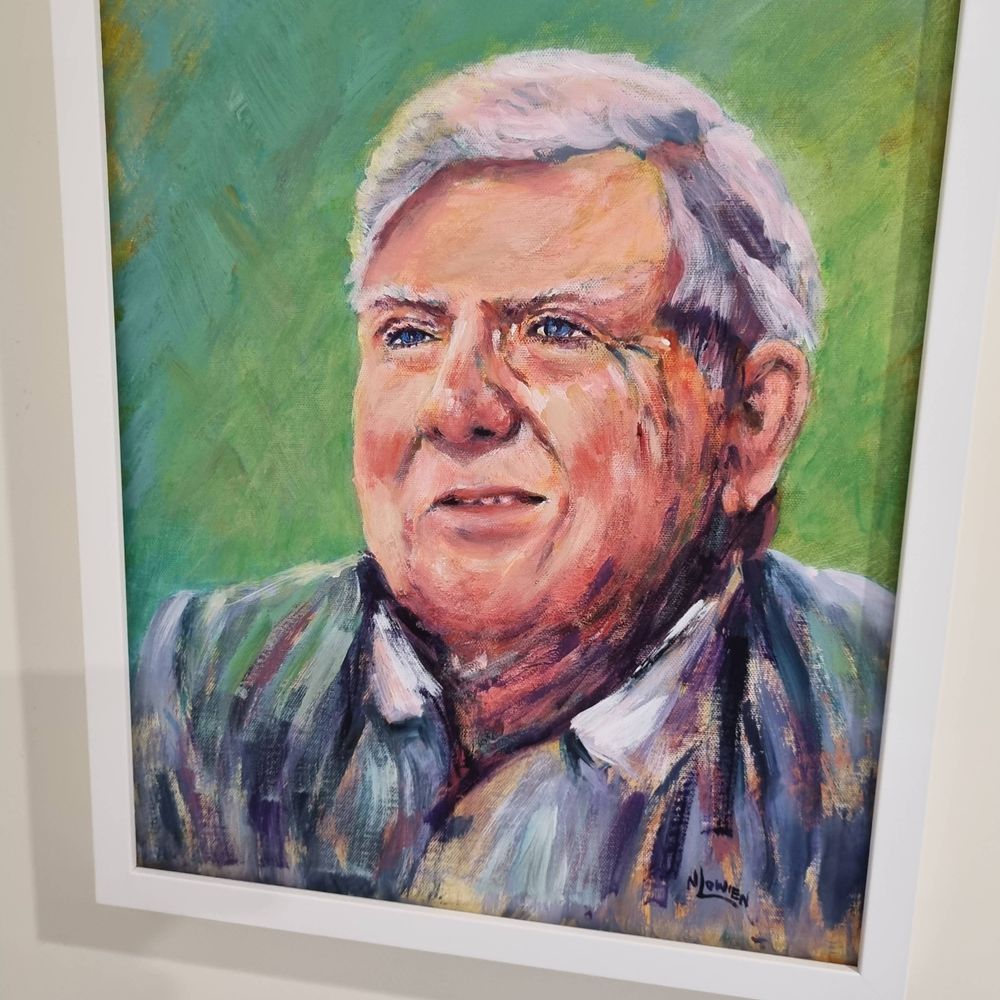
Have known #KevinRudd long time & have worked out his life goal is to lead #UnitedNations. His preparation for job has been awesome & I reckon he will make it this time. Question is whether UN can cope with him.
January 28, 2026 at 5:13 AM
Have known #KevinRudd long time & have worked out his life goal is to lead #UnitedNations. His preparation for job has been awesome & I reckon he will make it this time. Question is whether UN can cope with him.
Reposted
Fantastic TrueNorth hitting inboxes in just under 20 mins.
Aust's independent publishers, journalists & commentators are truly playing their vital role in our democracy.
Please support them in their work by signing up to TrueNorth here #auspol > truenorthnews.substack.com
Aust's independent publishers, journalists & commentators are truly playing their vital role in our democracy.
Please support them in their work by signing up to TrueNorth here #auspol > truenorthnews.substack.com

TrueNorth Weekday Independent News Update | Substack
Get your 4pm weekday update on the stories of the day that actually matter. TrueNorth curates the best news and views from Australia’s top independent journalists and commentators - delivered straight...
truenorthnews.substack.com
January 28, 2026 at 4:58 AM
Reposted
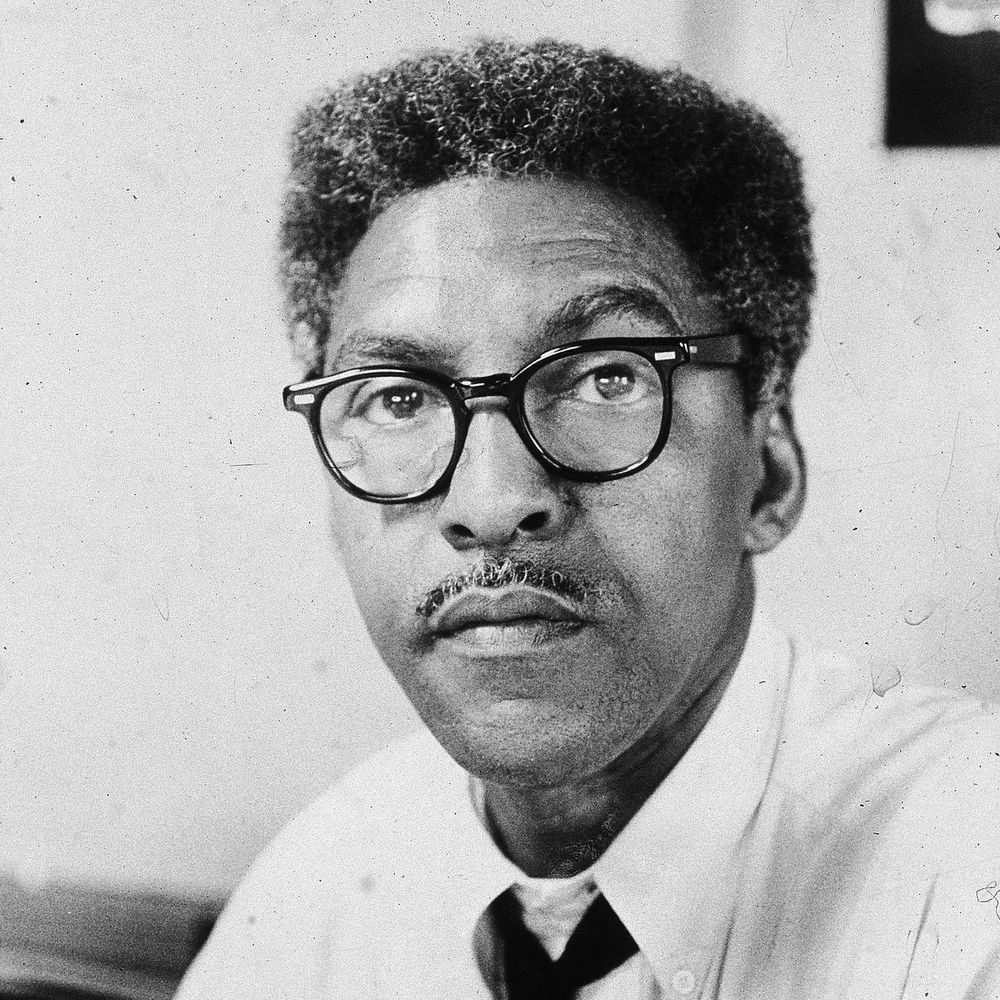
If your political party is making the argument that a guy with a gun is not allowed to defend a woman from a mob of masked men or else he's a "terrorist", I regret to inform you that you're the Baddies.
January 27, 2026 at 9:39 PM
If your political party is making the argument that a guy with a gun is not allowed to defend a woman from a mob of masked men or else he's a "terrorist", I regret to inform you that you're the Baddies.
Reposted


Reposted
"The Australian Centre for International Justice has formally requested the AFP investigate Israel's president for alleged incitement to genocide."
www.abc.net.au/news/2026-01...
www.abc.net.au/news/2026-01...

Lawyers request AFP probe into Israeli president as Australian visit looms
The Australian Centre for International Justice has formally requested a police investigation into Israel's president for alleged incitement to genocide. He is expected to visit to Australia next mont...
www.abc.net.au
January 26, 2026 at 10:31 PM
"The Australian Centre for International Justice has formally requested the AFP investigate Israel's president for alleged incitement to genocide."
www.abc.net.au/news/2026-01...
www.abc.net.au/news/2026-01...
Reposted
I call on the Australian government to #RaiseTheRate of all support payments to a living wage.
This would be the single most effective way to lift the productivity, quality of life, and well-being of the whole country.
#CommitToALivingWage
This would be the single most effective way to lift the productivity, quality of life, and well-being of the whole country.
#CommitToALivingWage
January 27, 2026 at 12:27 AM
I call on the Australian government to #RaiseTheRate of all support payments to a living wage.
This would be the single most effective way to lift the productivity, quality of life, and well-being of the whole country.
#CommitToALivingWage
This would be the single most effective way to lift the productivity, quality of life, and well-being of the whole country.
#CommitToALivingWage
Reposted
@albomp.bsky.social
@australianlabor.bsky.social
ALBO thinks by inviting a genocide enabler to Australia will create social harmony..
HERZOG is already being investigated for crimes against humanity /genocidal intent by South Africa,Switzerland ICJ and now Australia.
When will the light dawn?
@australianlabor.bsky.social
ALBO thinks by inviting a genocide enabler to Australia will create social harmony..
HERZOG is already being investigated for crimes against humanity /genocidal intent by South Africa,Switzerland ICJ and now Australia.
When will the light dawn?


January 26, 2026 at 11:49 PM
@albomp.bsky.social
@australianlabor.bsky.social
ALBO thinks by inviting a genocide enabler to Australia will create social harmony..
HERZOG is already being investigated for crimes against humanity /genocidal intent by South Africa,Switzerland ICJ and now Australia.
When will the light dawn?
@australianlabor.bsky.social
ALBO thinks by inviting a genocide enabler to Australia will create social harmony..
HERZOG is already being investigated for crimes against humanity /genocidal intent by South Africa,Switzerland ICJ and now Australia.
When will the light dawn?
Reposted
Horses kill more people in Australia than sharks, snakes and crocodiles combined.
Don't tell me marketing doesn't work.
Don't tell me marketing doesn't work.
January 26, 2026 at 10:51 PM
Horses kill more people in Australia than sharks, snakes and crocodiles combined.
Don't tell me marketing doesn't work.
Don't tell me marketing doesn't work.
Reposted


Reposted

Read this story. It’s perfect.

The origins of neoliberalism, the Mont Pelerin Society, the Atlas Network, the Overton window, the Nobel Prize in economics, and cryptocurrencies.
www.abc.net.au/news/2026-01...
www.abc.net.au/news/2026-01...

The economist, the bull and an elite movement that reshaped the world
A constant battle of ideas reshapes the world we live in, and few groups have been more successful in winning the war than the little-known Atlas Network.
www.abc.net.au
January 26, 2026 at 1:03 AM
Read this story. It’s perfect.