



Science Ascend (ISSN: 3062-0090)
@scienceascend.bsky.social
Biannual Journal of FIRE Araştırma Eğitim Ltd. Şti., free to submit article, free to read.
Focuses on astrophysics, conducts interviews, compiles conference/workshops, and extract extremely interesting research.
https://fire-ae.org/ascend.html
Focuses on astrophysics, conducts interviews, compiles conference/workshops, and extract extremely interesting research.
https://fire-ae.org/ascend.html
Reposted by Science Ascend (ISSN: 3062-0090)

Who doesn't love a little bit of Betelgeuse related news? In episode, I dove into some of the work to study this stars little companion 🔭🧪☄️
Michelle's first paper focuses on her all time favourite star, Betelgeuse! Recent work has shown that it likely has a little companion orbiting it, and this paper searches for (and finds) evidence of its wake! 🔭☄️ arxiv.org/abs/2601.00470


January 12, 2026 at 4:12 PM
Who doesn't love a little bit of Betelgeuse related news? In episode, I dove into some of the work to study this stars little companion 🔭🧪☄️
Reposted by Science Ascend (ISSN: 3062-0090)
The final version of our Dawes Review on the Dynamic Radio Sky is now published!
doi.org/10.1017/pasa...
Everything you need to know about what causes radio transients: how we detect them, the history of radio transient surveys, and what new widefield radio telescopes will do.
#RadioAstronomy 🔭☄️🧪
doi.org/10.1017/pasa...
Everything you need to know about what causes radio transients: how we detect them, the history of radio transient surveys, and what new widefield radio telescopes will do.
#RadioAstronomy 🔭☄️🧪

January 12, 2026 at 8:36 PM
The final version of our Dawes Review on the Dynamic Radio Sky is now published!
doi.org/10.1017/pasa...
Everything you need to know about what causes radio transients: how we detect them, the history of radio transient surveys, and what new widefield radio telescopes will do.
#RadioAstronomy 🔭☄️🧪
doi.org/10.1017/pasa...
Everything you need to know about what causes radio transients: how we detect them, the history of radio transient surveys, and what new widefield radio telescopes will do.
#RadioAstronomy 🔭☄️🧪
Reposted by Science Ascend (ISSN: 3062-0090)
Color isn’t real the way you think it is.
It’s a private hallucination your brain creates from three cleverly overlapping sensors in your eyes.
The author explains it so cleanly it hurts (in a good way).
150th color post. Don’t miss it.🧪 ⚛️
#ColorPerception #Optics #Light #Science #VisionScience
It’s a private hallucination your brain creates from three cleverly overlapping sensors in your eyes.
The author explains it so cleanly it hurts (in a good way).
150th color post. Don’t miss it.🧪 ⚛️
#ColorPerception #Optics #Light #Science #VisionScience

QUE SONT LES COULEURS ?
Vaste question d’une immense difficulté.
Pour le 150ème billet de mon blog consacré aux couleurs, un retour aux fondamentaux me paraît utile.
⤵️ tinyurl.com/yszsbec8
Vaste question d’une immense difficulté.
Pour le 150ème billet de mon blog consacré aux couleurs, un retour aux fondamentaux me paraît utile.
⤵️ tinyurl.com/yszsbec8

Que sont les couleurs ? Retour aux fondamentaux
Pour le 150ème billet de ce blog consacré aux couleurs, il n’est pas inutile de revenir aux fondamentaux, car force est de constater que les propos sur le concept de couleur sont souvent imprécis e…
tinyurl.com
January 12, 2026 at 2:05 PM
Color isn’t real the way you think it is.
It’s a private hallucination your brain creates from three cleverly overlapping sensors in your eyes.
The author explains it so cleanly it hurts (in a good way).
150th color post. Don’t miss it.🧪 ⚛️
#ColorPerception #Optics #Light #Science #VisionScience
It’s a private hallucination your brain creates from three cleverly overlapping sensors in your eyes.
The author explains it so cleanly it hurts (in a good way).
150th color post. Don’t miss it.🧪 ⚛️
#ColorPerception #Optics #Light #Science #VisionScience
Reposted by Science Ascend (ISSN: 3062-0090)
Thread 🧵
An object's appearance starts with which wavelengths it reflects/absorbs under the incoming light.
But the key insight from author's piece (and vision science in general) is that color isn't 'in' the object or even 'in' the light spectrum itself.
1/5
An object's appearance starts with which wavelengths it reflects/absorbs under the incoming light.
But the key insight from author's piece (and vision science in general) is that color isn't 'in' the object or even 'in' the light spectrum itself.
1/5
January 12, 2026 at 4:36 PM
Thread 🧵
An object's appearance starts with which wavelengths it reflects/absorbs under the incoming light.
But the key insight from author's piece (and vision science in general) is that color isn't 'in' the object or even 'in' the light spectrum itself.
1/5
An object's appearance starts with which wavelengths it reflects/absorbs under the incoming light.
But the key insight from author's piece (and vision science in general) is that color isn't 'in' the object or even 'in' the light spectrum itself.
1/5
Reposted by Science Ascend (ISSN: 3062-0090)
What is this? Maybe a painting?
No!
It's about NGC 2736, or Pencil Nebula, a small part of the Vela Supernova Remnant. 🔭
It's thought to be formed from part of its shock wave, plowing through interstellar space at over 500,000 km per hour!
Image by Greg Turgeon & Utkarsh Mishra
🧪 #science 1/3
No!
It's about NGC 2736, or Pencil Nebula, a small part of the Vela Supernova Remnant. 🔭
It's thought to be formed from part of its shock wave, plowing through interstellar space at over 500,000 km per hour!
Image by Greg Turgeon & Utkarsh Mishra
🧪 #science 1/3

January 11, 2026 at 6:05 PM
What is this? Maybe a painting?
No!
It's about NGC 2736, or Pencil Nebula, a small part of the Vela Supernova Remnant. 🔭
It's thought to be formed from part of its shock wave, plowing through interstellar space at over 500,000 km per hour!
Image by Greg Turgeon & Utkarsh Mishra
🧪 #science 1/3
No!
It's about NGC 2736, or Pencil Nebula, a small part of the Vela Supernova Remnant. 🔭
It's thought to be formed from part of its shock wave, plowing through interstellar space at over 500,000 km per hour!
Image by Greg Turgeon & Utkarsh Mishra
🧪 #science 1/3
Reposted by Science Ascend (ISSN: 3062-0090)

My bot reached 1k followers 🥳
It gets much more traffic than myself, with hundreds of likes and many shares. This makes me proud and almost not jealous at all.
But really, I am happy it inspires people and shows how great JWST is
It gets much more traffic than myself, with hundreds of likes and many shares. This makes me proud and almost not jealous at all.
But really, I am happy it inspires people and shows how great JWST is
🤖 image processing for #JWST 🔭 data (UDS_cat). RGB Filters: 480, 335, 140
PI: Dickinson, Mark, program 06368. CRVAL: 34.433665, -5.184295
Credits: NASA, ESA, CSA, STScI.
PI: Dickinson, Mark, program 06368. CRVAL: 34.433665, -5.184295
Credits: NASA, ESA, CSA, STScI.

January 12, 2026 at 5:11 AM
My bot reached 1k followers 🥳
It gets much more traffic than myself, with hundreds of likes and many shares. This makes me proud and almost not jealous at all.
But really, I am happy it inspires people and shows how great JWST is
It gets much more traffic than myself, with hundreds of likes and many shares. This makes me proud and almost not jealous at all.
But really, I am happy it inspires people and shows how great JWST is
An interesting way to disentangle signal from astronomical time series data including red noise. In its core weighted-wavelet transformations (drop->droplet, wave->wavele).

Recently published in JOSS: the QhX allows for periodicity detection in the presence of red noise, use cases include QSOs and earthquakes among others. #astrocode
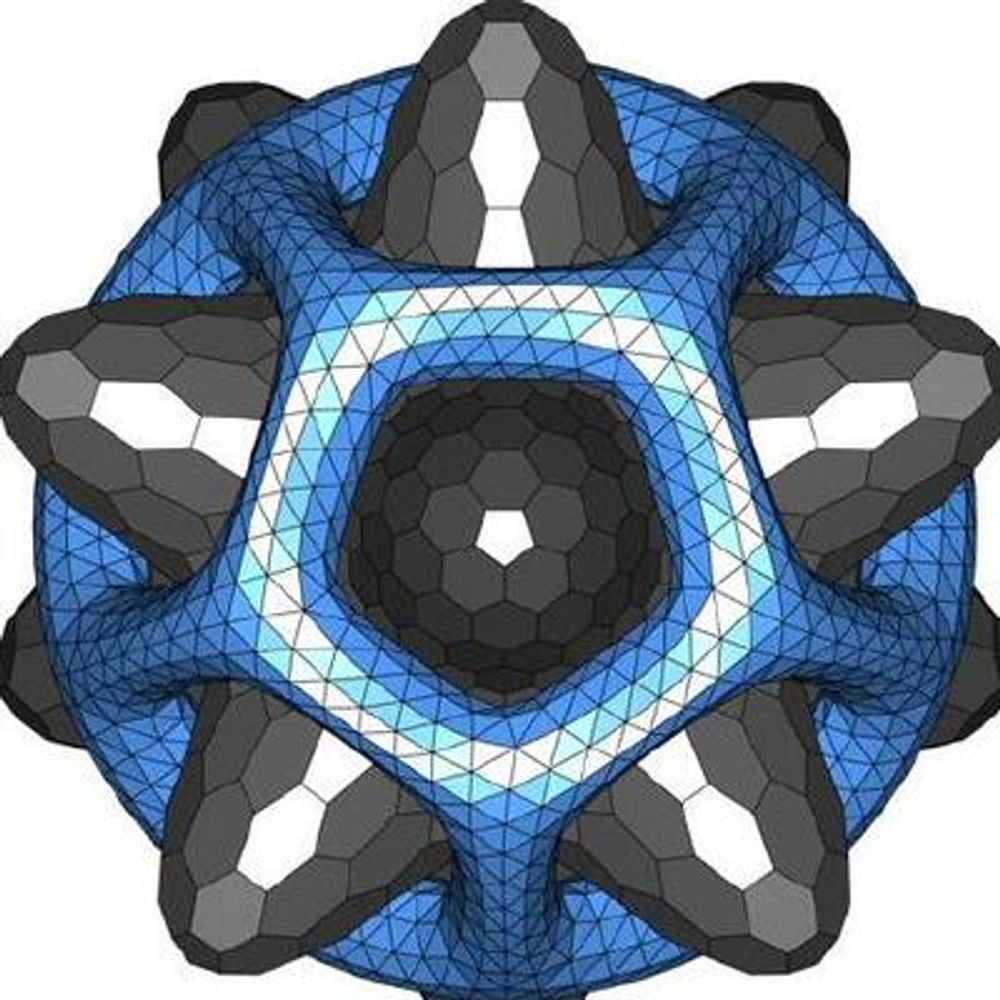
Just published in JOSS: 'QhX: A Python package for periodicity detection in red noise' https://doi.org/10.21105/joss.08163
January 12, 2026 at 1:21 PM
An interesting way to disentangle signal from astronomical time series data including red noise. In its core weighted-wavelet transformations (drop->droplet, wave->wavele).
Volume 3 Issue 1 (January 2026) of Science Ascend (free to read, free to submit astrophysics journal) is out! In this issue, we discussed Astrobot JWST in Bluesky, Venus Clouds, Cosmic Strings and Singular Spectrum Analysis utilization in astronomy in 2025: fire-ae.org/ascend.html ☄️ #astrosci

January 12, 2026 at 12:29 PM
Volume 3 Issue 1 (January 2026) of Science Ascend (free to read, free to submit astrophysics journal) is out! In this issue, we discussed Astrobot JWST in Bluesky, Venus Clouds, Cosmic Strings and Singular Spectrum Analysis utilization in astronomy in 2025: fire-ae.org/ascend.html ☄️ #astrosci
Very intriguing!
Astronomers surprised by mysterious shock wave around dead star 😲
No known mechanism can fully explain our VLT's observations of the type of shock wave — called a bow shock — that a white dwarf originates as it interacts with the interstellar gas.
https://www.eso.org/public/news/eso2601/
🔭 🧪
No known mechanism can fully explain our VLT's observations of the type of shock wave — called a bow shock — that a white dwarf originates as it interacts with the interstellar gas.
https://www.eso.org/public/news/eso2601/
🔭 🧪

January 12, 2026 at 10:05 AM
Very intriguing!
Reposted by Science Ascend (ISSN: 3062-0090)
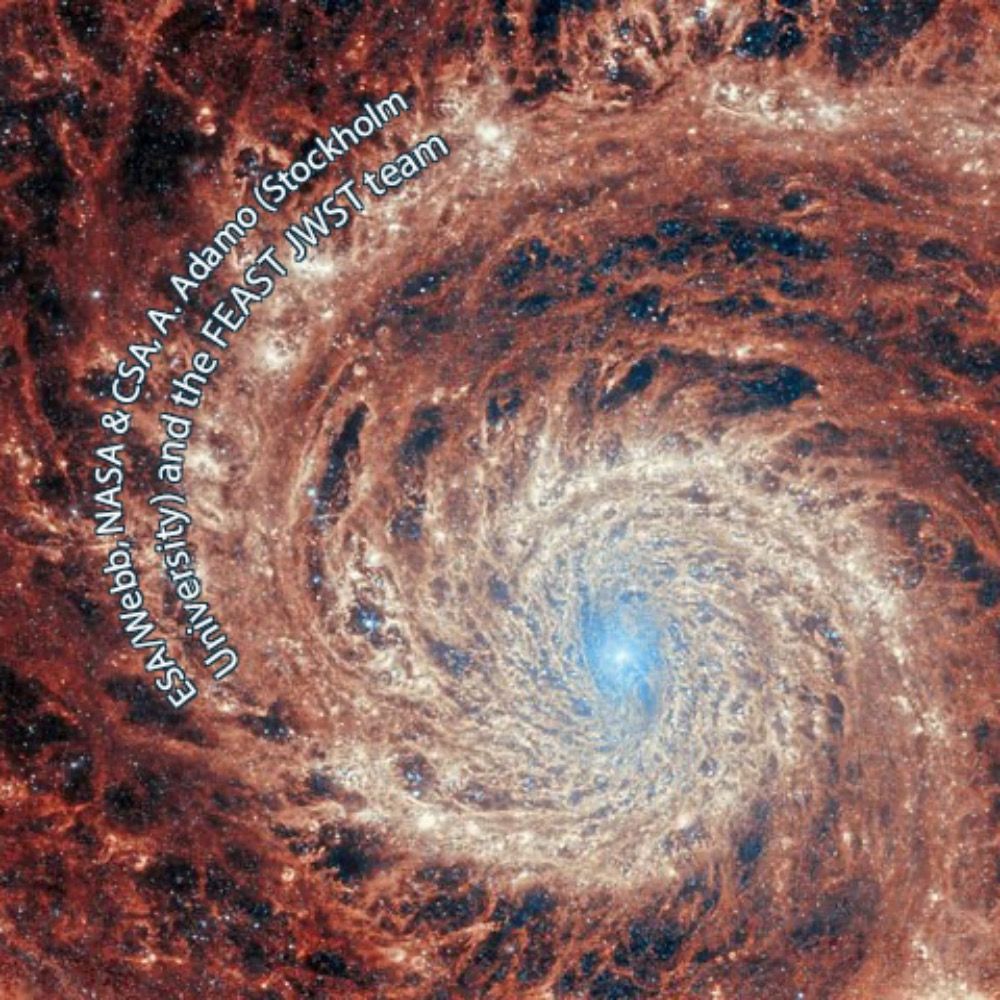
A spiral galaxy, observed with the Apache Point 2.5m Telescope in the SDSS survey.
It is at redshift 0.018 (lookback time 257.3 million years) with coordinates (198.43538, 6.99216).
44 volunteers classified this galaxy in Galaxy Zoo 2.
It is at redshift 0.018 (lookback time 257.3 million years) with coordinates (198.43538, 6.99216).
44 volunteers classified this galaxy in Galaxy Zoo 2.

January 11, 2026 at 4:12 AM
A spiral galaxy, observed with the Apache Point 2.5m Telescope in the SDSS survey.
It is at redshift 0.018 (lookback time 257.3 million years) with coordinates (198.43538, 6.99216).
44 volunteers classified this galaxy in Galaxy Zoo 2.
It is at redshift 0.018 (lookback time 257.3 million years) with coordinates (198.43538, 6.99216).
44 volunteers classified this galaxy in Galaxy Zoo 2.
Reposted by Science Ascend (ISSN: 3062-0090)

Take off to the bright orange star Betelgeuse 🚀🌟
The star underwent an unprecedented dimming in late 2019 and early 2020. Observations later revealed that it was caused by a dusty veil shading the star, due to a drop in temperature on the star's surface.
https://www.eso.org/public/news/eso2109/ 🔭
The star underwent an unprecedented dimming in late 2019 and early 2020. Observations later revealed that it was caused by a dusty veil shading the star, due to a drop in temperature on the star's surface.
https://www.eso.org/public/news/eso2109/ 🔭
January 7, 2026 at 1:02 PM
Take off to the bright orange star Betelgeuse 🚀🌟
The star underwent an unprecedented dimming in late 2019 and early 2020. Observations later revealed that it was caused by a dusty veil shading the star, due to a drop in temperature on the star's surface.
https://www.eso.org/public/news/eso2109/ 🔭
The star underwent an unprecedented dimming in late 2019 and early 2020. Observations later revealed that it was caused by a dusty veil shading the star, due to a drop in temperature on the star's surface.
https://www.eso.org/public/news/eso2109/ 🔭
All of these 21 things are good but especially check the 21st one :)
✨ Happy 21st Birthday Europlanet! It's been a long journey since the foundation on 1 January 2005, and we would like to thank you highlighting 21 things we are proud of: www.europlanet.org/21-years-of-...

January 6, 2026 at 8:59 AM
All of these 21 things are good but especially check the 21st one :)
Reposted by Science Ascend (ISSN: 3062-0090)

✨ Happy 21st Birthday Europlanet! It's been a long journey since the foundation on 1 January 2005, and we would like to thank you highlighting 21 things we are proud of: www.europlanet.org/21-years-of-...
January 6, 2026 at 8:49 AM
✨ Happy 21st Birthday Europlanet! It's been a long journey since the foundation on 1 January 2005, and we would like to thank you highlighting 21 things we are proud of: www.europlanet.org/21-years-of-...
Reposted by Science Ascend (ISSN: 3062-0090)

Vienna has a lively astronomy department - consider applying to the below if you'd be interested in a four year (!!) position here: 🔭☄️

4-year postdoctoral fellowships for women @univie.ac.at
The application consists of a short (3-page) research statement only.
Feel free to get in touch if you’re interested or would like to discuss potential projects.
careers.univie.ac.at/en/postdoc/e...
Application deadline: 2 March 2026
The application consists of a short (3-page) research statement only.
Feel free to get in touch if you’re interested or would like to discuss potential projects.
careers.univie.ac.at/en/postdoc/e...
Application deadline: 2 March 2026
E-STEEM: Postdoctoral Positions for Women in STEM and Economics - University of Vienna
Supporting women in science: Postdoctoral positions in STEM and Economics as part of the E-STEEM programme. Apply between January and March 2026.
careers.univie.ac.at
January 5, 2026 at 8:33 AM
Vienna has a lively astronomy department - consider applying to the below if you'd be interested in a four year (!!) position here: 🔭☄️
Quick quick!
📺 Coming up today: you can follow ESA astronaut Sophie Adenot's last media event in Europe ahead of her launch to the International Space Station at 14:00 CET👇
See #ESAwebTV2 👉 watch.esa.int
See #ESAwebTV2 👉 watch.esa.int
#MediaInvitation: journalists are invited to join French ESA astronaut Sophie Adenot on Monday 5 January, 14:00 CET, for a press conference at ESA EAC to learn more about her first mission into space (in French/English). Details👇
www.esa.int/Newsroom/Pre...
@exploration.esa.int @cnes.fr @fr.esa.int
www.esa.int/Newsroom/Pre...
@exploration.esa.int @cnes.fr @fr.esa.int
January 5, 2026 at 10:57 AM
Quick quick!
Reposted by Science Ascend (ISSN: 3062-0090)
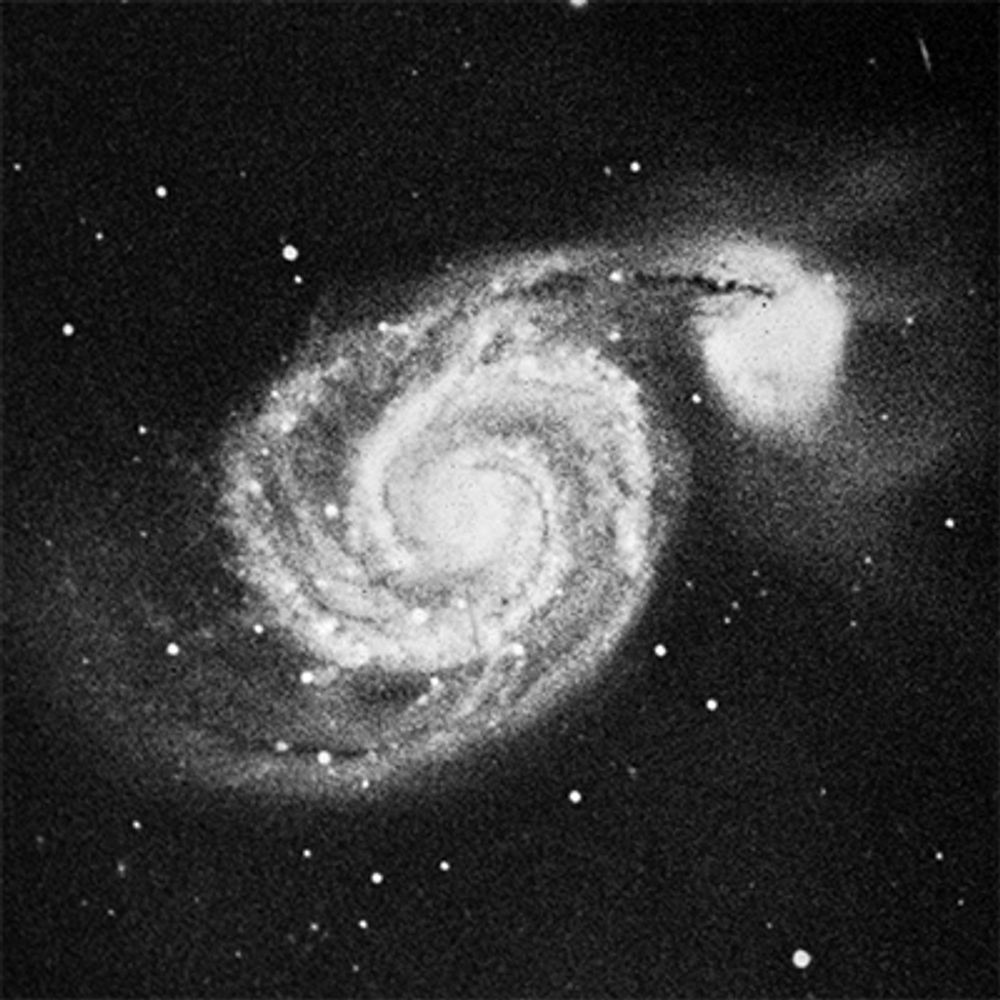
Sloan Digital Sky Survey image of Arp 285, also known as NGC 2854 and NGC 2856.
This pair of galaxies is connected by a bridge of material, indicating a past interaction. The upper galaxy, NGC 2856, also has a clumpy tail perpendicular to its disk.
Credit: SDSS
Source
This pair of galaxies is connected by a bridge of material, indicating a past interaction. The upper galaxy, NGC 2856, also has a clumpy tail perpendicular to its disk.
Credit: SDSS
Source

January 4, 2026 at 12:31 AM
Sloan Digital Sky Survey image of Arp 285, also known as NGC 2854 and NGC 2856.
This pair of galaxies is connected by a bridge of material, indicating a past interaction. The upper galaxy, NGC 2856, also has a clumpy tail perpendicular to its disk.
Credit: SDSS
Source
This pair of galaxies is connected by a bridge of material, indicating a past interaction. The upper galaxy, NGC 2856, also has a clumpy tail perpendicular to its disk.
Credit: SDSS
Source
Reposted by Science Ascend (ISSN: 3062-0090)
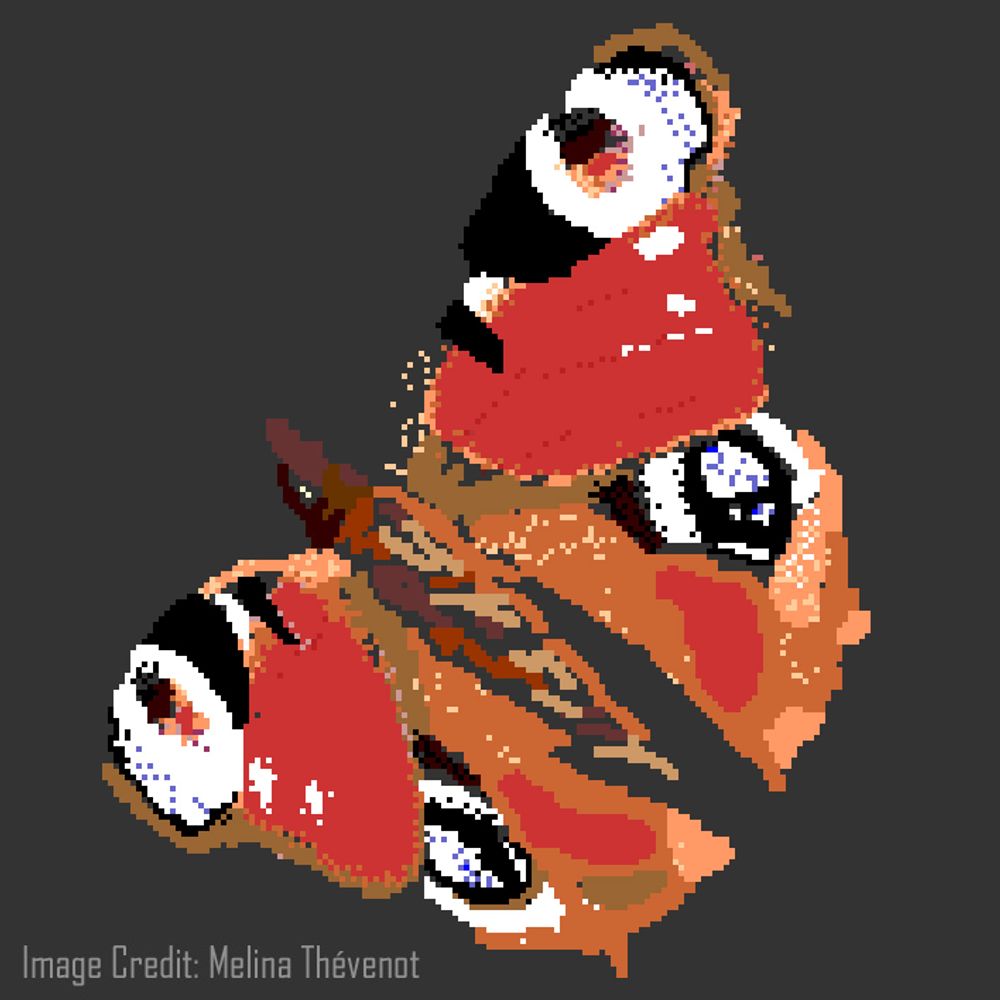
Some planetary nebulae images I processed over the years:
NGC 7094, NGC 2371, NGC 4071. #PlanetaryNebulae
NGC 7094, NGC 2371, NGC 4071. #PlanetaryNebulae


January 3, 2026 at 4:52 PM
Some planetary nebulae images I processed over the years:
NGC 7094, NGC 2371, NGC 4071. #PlanetaryNebulae
NGC 7094, NGC 2371, NGC 4071. #PlanetaryNebulae
Reposted by Science Ascend (ISSN: 3062-0090)

🔭 JWST Program 5627 - Dust and Molecular Gas in Galactic Winds and Fountains: A JWST Survey of Nearby Highly Inclined Starburst and Active Disk Galaxies: www.stsci.edu/jwst-program...
target: NGC-5775-IMAGER, released 2026-01-02
NASA, ESA, CSA, STSci/ #JWST MIRI 1500, 1130, 560
target: NGC-5775-IMAGER, released 2026-01-02
NASA, ESA, CSA, STSci/ #JWST MIRI 1500, 1130, 560

January 3, 2026 at 11:09 PM
🔭 JWST Program 5627 - Dust and Molecular Gas in Galactic Winds and Fountains: A JWST Survey of Nearby Highly Inclined Starburst and Active Disk Galaxies: www.stsci.edu/jwst-program...
target: NGC-5775-IMAGER, released 2026-01-02
NASA, ESA, CSA, STSci/ #JWST MIRI 1500, 1130, 560
target: NGC-5775-IMAGER, released 2026-01-02
NASA, ESA, CSA, STSci/ #JWST MIRI 1500, 1130, 560
Reposted by Science Ascend (ISSN: 3062-0090)

🔵 In 2025, the NASA/ESA/CSA #Webb Space Telescope found a new moon orbiting Uranus! Called S/2025 U1, it joined the 28 other known moons around the ice giant. Webb’s infrared view also revealed the planet’s rings and atmospheric details in stunning clarity 🧪🔭
www.esa.int/ESA_Multimed... @stsci.edu
www.esa.int/ESA_Multimed... @stsci.edu

January 3, 2026 at 2:48 PM
Reposted by Science Ascend (ISSN: 3062-0090)
If you like astronomy posts, then you'll probably really like the astronomy feeds!
If you didn't know, Bluesky gives you direct control over your social algorithm. Instead of doomscrolling, look at space instead:
If you didn't know, Bluesky gives you direct control over your social algorithm. Instead of doomscrolling, look at space instead:
October 16, 2025 at 7:54 PM
If you like astronomy posts, then you'll probably really like the astronomy feeds!
If you didn't know, Bluesky gives you direct control over your social algorithm. Instead of doomscrolling, look at space instead:
If you didn't know, Bluesky gives you direct control over your social algorithm. Instead of doomscrolling, look at space instead:
Reposted by Science Ascend (ISSN: 3062-0090)
🤖 image processing for #JWST 🔭 data (NGC-5775-IMAGER). RGB Filters: 1800, 1130, 560
PI: Veilleux, Sylvain, program 05627. CRVAL: 223.486262, 3.540177
Credits: NASA, ESA, CSA, STScI.
PI: Veilleux, Sylvain, program 05627. CRVAL: 223.486262, 3.540177
Credits: NASA, ESA, CSA, STScI.

January 2, 2026 at 8:44 AM
🤖 image processing for #JWST 🔭 data (NGC-5775-IMAGER). RGB Filters: 1800, 1130, 560
PI: Veilleux, Sylvain, program 05627. CRVAL: 223.486262, 3.540177
Credits: NASA, ESA, CSA, STScI.
PI: Veilleux, Sylvain, program 05627. CRVAL: 223.486262, 3.540177
Credits: NASA, ESA, CSA, STScI.
Few days ago Science Ascend interviewed Prof. Özlem Yeşiltaş (Physics Department, Gazi University, Türkiye). She explained her interesting career in mathematical physics with different research groups, institutes, her current research interest and much more! youtu.be/asSKQYl36X8

Prof Dr. Özlem Yeşiltaş ile Röportaj - Interview with Prof. Dr. Özlem Yeşiltaş
YouTube video by FIRE Araştırma Eğitim Ltd. Şti
youtu.be
January 2, 2026 at 4:05 PM
Few days ago Science Ascend interviewed Prof. Özlem Yeşiltaş (Physics Department, Gazi University, Türkiye). She explained her interesting career in mathematical physics with different research groups, institutes, her current research interest and much more! youtu.be/asSKQYl36X8
Reposted by Science Ascend (ISSN: 3062-0090)
🧵
This JWST's view of the Red Spider Nebula (NGC 6537) is spectacular!
It's about a planetary nebula i.e. the remnants of a Sun-like star shedding its outer layers, ionizing the ejected gas.
Webb's NIRCam reveals hot dust & stunning details amid stars.
➡️ esawebb.org/images/potm2...
🔭 🧪 1/6
This JWST's view of the Red Spider Nebula (NGC 6537) is spectacular!
It's about a planetary nebula i.e. the remnants of a Sun-like star shedding its outer layers, ionizing the ejected gas.
Webb's NIRCam reveals hot dust & stunning details amid stars.
➡️ esawebb.org/images/potm2...
🔭 🧪 1/6

December 30, 2025 at 6:17 PM
🧵
This JWST's view of the Red Spider Nebula (NGC 6537) is spectacular!
It's about a planetary nebula i.e. the remnants of a Sun-like star shedding its outer layers, ionizing the ejected gas.
Webb's NIRCam reveals hot dust & stunning details amid stars.
➡️ esawebb.org/images/potm2...
🔭 🧪 1/6
This JWST's view of the Red Spider Nebula (NGC 6537) is spectacular!
It's about a planetary nebula i.e. the remnants of a Sun-like star shedding its outer layers, ionizing the ejected gas.
Webb's NIRCam reveals hot dust & stunning details amid stars.
➡️ esawebb.org/images/potm2...
🔭 🧪 1/6
Reposted by Science Ascend (ISSN: 3062-0090)
New frame for the Cassiopeia A #supernova light echo.
#JWST NIRCam images with filter F444W from August to December 2024. Last two frames have quite the gap of two months.
program: www.stsci.edu/jwst-program...
#JWST NIRCam images with filter F444W from August to December 2024. Last two frames have quite the gap of two months.
program: www.stsci.edu/jwst-program...
December 31, 2025 at 4:46 AM
New frame for the Cassiopeia A #supernova light echo.
#JWST NIRCam images with filter F444W from August to December 2024. Last two frames have quite the gap of two months.
program: www.stsci.edu/jwst-program...
#JWST NIRCam images with filter F444W from August to December 2024. Last two frames have quite the gap of two months.
program: www.stsci.edu/jwst-program...
Reposted by Science Ascend (ISSN: 3062-0090)

HH 30 - From Judy Schmidt (geckzilla.bsky.social) - https://flic.kr/p/bD4USy

December 30, 2025 at 8:00 AM
HH 30 - From Judy Schmidt (geckzilla.bsky.social) - https://flic.kr/p/bD4USy