




Reposted by Ema

“Don’t call it a Substack”
Substack isn’t your friend. Substack is trying to work you into a place where they can squeeze you. You are the frog in the slowly boiling water.
anildash.com/2024/11/19/d...
Substack isn’t your friend. Substack is trying to work you into a place where they can squeeze you. You are the frog in the slowly boiling water.
anildash.com/2024/11/19/d...

Don't call it a Substack. - Anil Dash
A blog about making culture. Since 1999.
anildash.com
November 26, 2025 at 4:07 AM
“Don’t call it a Substack”
Substack isn’t your friend. Substack is trying to work you into a place where they can squeeze you. You are the frog in the slowly boiling water.
anildash.com/2024/11/19/d...
Substack isn’t your friend. Substack is trying to work you into a place where they can squeeze you. You are the frog in the slowly boiling water.
anildash.com/2024/11/19/d...
Reposted by Ema
Fantastic work by Ariel Graykowski and our @setiinstitute.bsky.social citizen scientists.
Comet C/2025 K1 (ATLAS) is breaking apart — and some of you caught it live. After passing 0.3 AU from the Sun, it erupted, and three days later a third appeared.
K1 is now officially in pieces.
Comet C/2025 K1 (ATLAS) is breaking apart — and some of you caught it live. After passing 0.3 AU from the Sun, it erupted, and three days later a third appeared.
K1 is now officially in pieces.
November 25, 2025 at 5:27 AM
Fantastic work by Ariel Graykowski and our @setiinstitute.bsky.social citizen scientists.
Comet C/2025 K1 (ATLAS) is breaking apart — and some of you caught it live. After passing 0.3 AU from the Sun, it erupted, and three days later a third appeared.
K1 is now officially in pieces.
Comet C/2025 K1 (ATLAS) is breaking apart — and some of you caught it live. After passing 0.3 AU from the Sun, it erupted, and three days later a third appeared.
K1 is now officially in pieces.
Reposted by Ema

Money and Open Access
Wouldn't you and your institution rather keep your grant funds to spend on research than hand it over - directly or indirectly - to publishers? I know I would!
Wouldn't you and your institution rather keep your grant funds to spend on research than hand it over - directly or indirectly - to publishers? I know I would!

Money and Open Access
Wouldn't you and your institution rather keep your grant funds to spend on research than hand it over - directly or indirectly - to publishers? I know I would!
telescoper.blog
November 24, 2025 at 4:39 PM
Money and Open Access
Wouldn't you and your institution rather keep your grant funds to spend on research than hand it over - directly or indirectly - to publishers? I know I would!
Wouldn't you and your institution rather keep your grant funds to spend on research than hand it over - directly or indirectly - to publishers? I know I would!
Reposted by Ema

Just telling you a little bit about our new book. And sharing a link where you can download it FREE.
open.substack.com/pub/ericgord...
open.substack.com/pub/ericgord...

Introducing our new (FREE!) book
“Captured Societies in Southeast Europe,” from Central European University Press/Amsterdam University Press
open.substack.com
October 20, 2025 at 2:15 PM
Just telling you a little bit about our new book. And sharing a link where you can download it FREE.
open.substack.com/pub/ericgord...
open.substack.com/pub/ericgord...
Reposted by Ema

Earth's oldest crater found!
[Normally, Thursday issues of my newsletter are for paid subscribers, but this was so cool I put the story above the paywall. Enjoy!]
badastronomy.beehiiv.com/p/earth-s-ol...
🔭🧪
[Normally, Thursday issues of my newsletter are for paid subscribers, but this was so cool I put the story above the paywall. Enjoy!]
badastronomy.beehiiv.com/p/earth-s-ol...
🔭🧪

Earth’s oldest crater found!
It’s in Australia and it’s REALLY old
badastronomy.beehiiv.com
September 11, 2025 at 2:55 PM
Earth's oldest crater found!
[Normally, Thursday issues of my newsletter are for paid subscribers, but this was so cool I put the story above the paywall. Enjoy!]
badastronomy.beehiiv.com/p/earth-s-ol...
🔭🧪
[Normally, Thursday issues of my newsletter are for paid subscribers, but this was so cool I put the story above the paywall. Enjoy!]
badastronomy.beehiiv.com/p/earth-s-ol...
🔭🧪
Reposted by Ema
This is a solar eclipse.
Seen from the surface of Mars by the Perseverance rover in 2022.
That moon is the little space potato Phobos. And you can even see sunspots!
Seen from the surface of Mars by the Perseverance rover in 2022.
That moon is the little space potato Phobos. And you can even see sunspots!
June 13, 2025 at 8:43 PM
This is a solar eclipse.
Seen from the surface of Mars by the Perseverance rover in 2022.
That moon is the little space potato Phobos. And you can even see sunspots!
Seen from the surface of Mars by the Perseverance rover in 2022.
That moon is the little space potato Phobos. And you can even see sunspots!
Reposted by Ema

Postcard from Mars: Perseverance Rover posed for a selfie after completing the latest sampling activities on Sol 1500 (May 10, 2025) and commemorating over 1,500 days on Mars.

May 10, 2025 at 5:19 PM
Postcard from Mars: Perseverance Rover posed for a selfie after completing the latest sampling activities on Sol 1500 (May 10, 2025) and commemorating over 1,500 days on Mars.
Reposted by Ema

After reporting the news, games media must now grapple with what the call to boycott Xbox means for us. I wrote about why we must and how we can orient games writing towards liberation. Games nor words alone will save us, but we can as individuals express solidarity and possibility in all we do.

Games media can't ignore BDS Xbox boycott
aftermath.site/microsoft-bds-...
aftermath.site/microsoft-bds-...

April 10, 2025 at 5:13 PM
After reporting the news, games media must now grapple with what the call to boycott Xbox means for us. I wrote about why we must and how we can orient games writing towards liberation. Games nor words alone will save us, but we can as individuals express solidarity and possibility in all we do.
Reposted by Ema

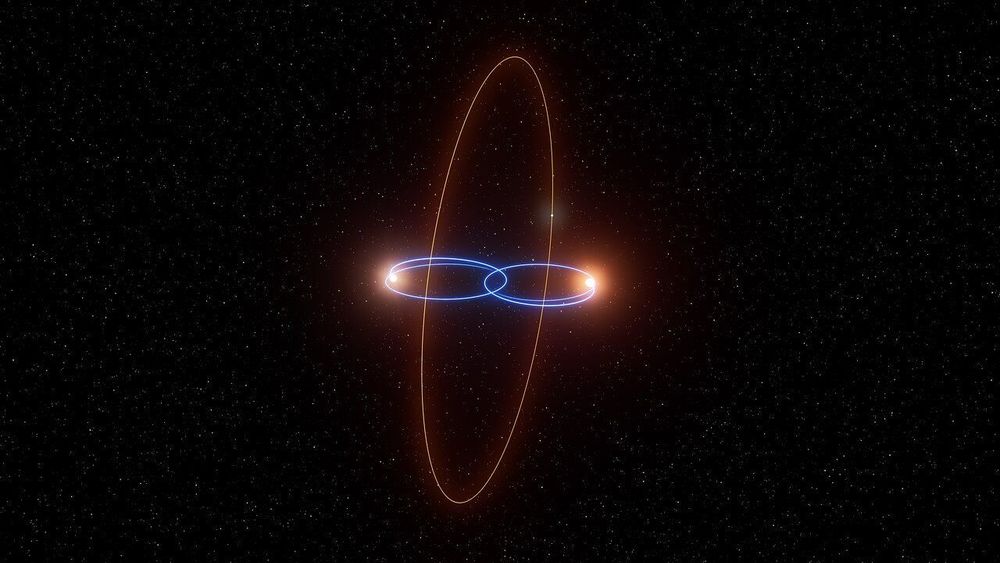
Our VLT has found a planet that orbits at an angle of 90 degrees around a rare pair of peculiar stars.
This is the first time we have strong evidence for one of these ‘polar planets’ orbiting a stellar pair 😲
Discover more: www.eso.org/public/news/...
🔭 🧪 ☄️
Illustration by ESO/L. Calçada
This is the first time we have strong evidence for one of these ‘polar planets’ orbiting a stellar pair 😲
Discover more: www.eso.org/public/news/...
🔭 🧪 ☄️
Illustration by ESO/L. Calçada
April 16, 2025 at 6:03 PM
Our VLT has found a planet that orbits at an angle of 90 degrees around a rare pair of peculiar stars.
This is the first time we have strong evidence for one of these ‘polar planets’ orbiting a stellar pair 😲
Discover more: www.eso.org/public/news/...
🔭 🧪 ☄️
Illustration by ESO/L. Calçada
This is the first time we have strong evidence for one of these ‘polar planets’ orbiting a stellar pair 😲
Discover more: www.eso.org/public/news/...
🔭 🧪 ☄️
Illustration by ESO/L. Calçada
Reposted by Ema

NASA Mars2020 Perseverance rover at Jezero crater, sol 1473 (12-April-2025):
WATSON camera close ups of the result of the latest rock abrasion activity.
📷 Credits: NASA/JPL-Caltech/MSSS/Martian-Observer
WATSON camera close ups of the result of the latest rock abrasion activity.
📷 Credits: NASA/JPL-Caltech/MSSS/Martian-Observer


April 12, 2025 at 7:01 PM
NASA Mars2020 Perseverance rover at Jezero crater, sol 1473 (12-April-2025):
WATSON camera close ups of the result of the latest rock abrasion activity.
📷 Credits: NASA/JPL-Caltech/MSSS/Martian-Observer
WATSON camera close ups of the result of the latest rock abrasion activity.
📷 Credits: NASA/JPL-Caltech/MSSS/Martian-Observer
Reposted by Ema

A view of a ridge and the world outside of Jezero Crater taken tosol (1477) by the Mars Perseverance Rover.
flic.kr/p/2qY9koW
flic.kr/p/2qY9koW

April 16, 2025 at 7:02 PM
A view of a ridge and the world outside of Jezero Crater taken tosol (1477) by the Mars Perseverance Rover.
flic.kr/p/2qY9koW
flic.kr/p/2qY9koW
Reposted by Ema
The things Jupiter is capable of never ceases to amaze me. JunoCam has been such a blessing

Jupiter - PJ14-20 - Detail - From Kevin M. Gill (kevinmgill.bsky.social) - https://flic.kr/p/2iVngqT

April 16, 2025 at 4:42 PM
The things Jupiter is capable of never ceases to amaze me. JunoCam has been such a blessing
Reposted by Ema
C/2025 F2 (SWAN) this morning by Norbert Mrozek, Germany. Brightness stuck around 8.5 mag.
forum.vdsastro.de/viewtopic.ph...
🔭☄️ #CometWatch
forum.vdsastro.de/viewtopic.ph...
🔭☄️ #CometWatch

April 15, 2025 at 4:34 PM
C/2025 F2 (SWAN) this morning by Norbert Mrozek, Germany. Brightness stuck around 8.5 mag.
forum.vdsastro.de/viewtopic.ph...
🔭☄️ #CometWatch
forum.vdsastro.de/viewtopic.ph...
🔭☄️ #CometWatch
Reposted by Ema

Only just got round to processing a lot of data I managed to capture on the 9th March, which had some really steady seeing.
A shot of probably my favourite crater to image, Clavius in the southern highlands
🔭
A shot of probably my favourite crater to image, Clavius in the southern highlands
🔭

April 15, 2025 at 6:50 AM
Only just got round to processing a lot of data I managed to capture on the 9th March, which had some really steady seeing.
A shot of probably my favourite crater to image, Clavius in the southern highlands
🔭
A shot of probably my favourite crater to image, Clavius in the southern highlands
🔭
Reposted by Ema

Manite mi se patetike gdje se međusobno grle “fesovi”, “šajkače” i “hidžabi”, ovo je the fotka za studentskog skupa u Novom Pazaru

April 13, 2025 at 8:12 AM
Manite mi se patetike gdje se međusobno grle “fesovi”, “šajkače” i “hidžabi”, ovo je the fotka za studentskog skupa u Novom Pazaru
Reposted by Ema
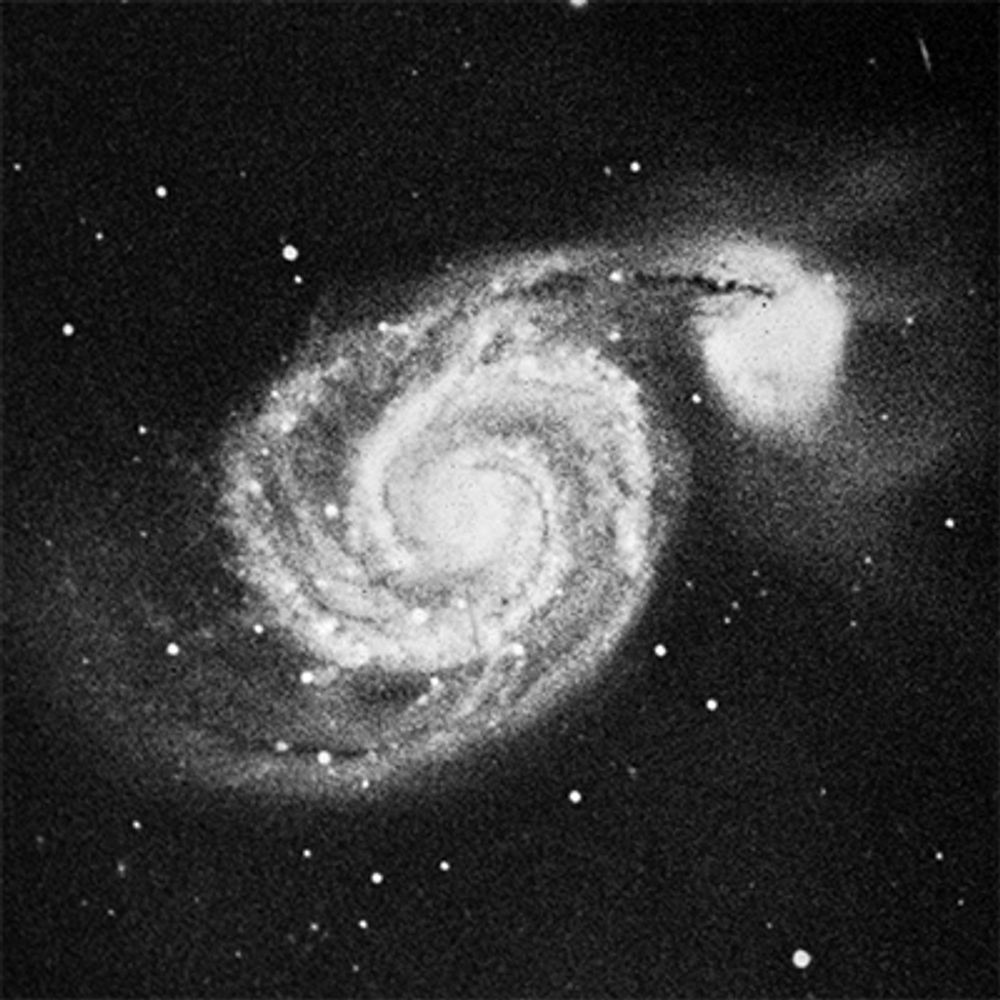
Image of Arp 2, also known as UGC 10310, from Halton Arp's Atlas of Peculiar Galaxies (1966).
In the original catalog it was in the category: Spiral galaxies - Low surface brightness. It is a barred Magellanic spiral galaxy.
Source
In the original catalog it was in the category: Spiral galaxies - Low surface brightness. It is a barred Magellanic spiral galaxy.
Source

April 11, 2025 at 12:31 PM
Image of Arp 2, also known as UGC 10310, from Halton Arp's Atlas of Peculiar Galaxies (1966).
In the original catalog it was in the category: Spiral galaxies - Low surface brightness. It is a barred Magellanic spiral galaxy.
Source
In the original catalog it was in the category: Spiral galaxies - Low surface brightness. It is a barred Magellanic spiral galaxy.
Source
Reposted by Ema

Fighting for a world with more howls 🐺
April 11, 2025 at 1:22 AM
Fighting for a world with more howls 🐺
Reposted by Ema

This is what a dust storm on Mars looks like.
As seen by the Curiosity rover in 2018. Images taken over nearly a month, with roughly the same view.
Credits: NASA/JPL-Caltech/MSSS/Peter Grindrod
As seen by the Curiosity rover in 2018. Images taken over nearly a month, with roughly the same view.
Credits: NASA/JPL-Caltech/MSSS/Peter Grindrod
January 24, 2025 at 12:22 PM
This is what a dust storm on Mars looks like.
As seen by the Curiosity rover in 2018. Images taken over nearly a month, with roughly the same view.
Credits: NASA/JPL-Caltech/MSSS/Peter Grindrod
As seen by the Curiosity rover in 2018. Images taken over nearly a month, with roughly the same view.
Credits: NASA/JPL-Caltech/MSSS/Peter Grindrod
Reposted by Ema

A very nice animation!
Could be very useful in a physics class, when introducing relative motion (since most pupils don't have any idea/experience about retrograde motion).
🔭🎢
Could be very useful in a physics class, when introducing relative motion (since most pupils don't have any idea/experience about retrograde motion).
🔭🎢

October 26, 2024 at 11:28 AM
A very nice animation!
Could be very useful in a physics class, when introducing relative motion (since most pupils don't have any idea/experience about retrograde motion).
🔭🎢
Could be very useful in a physics class, when introducing relative motion (since most pupils don't have any idea/experience about retrograde motion).
🔭🎢
Reposted by Ema
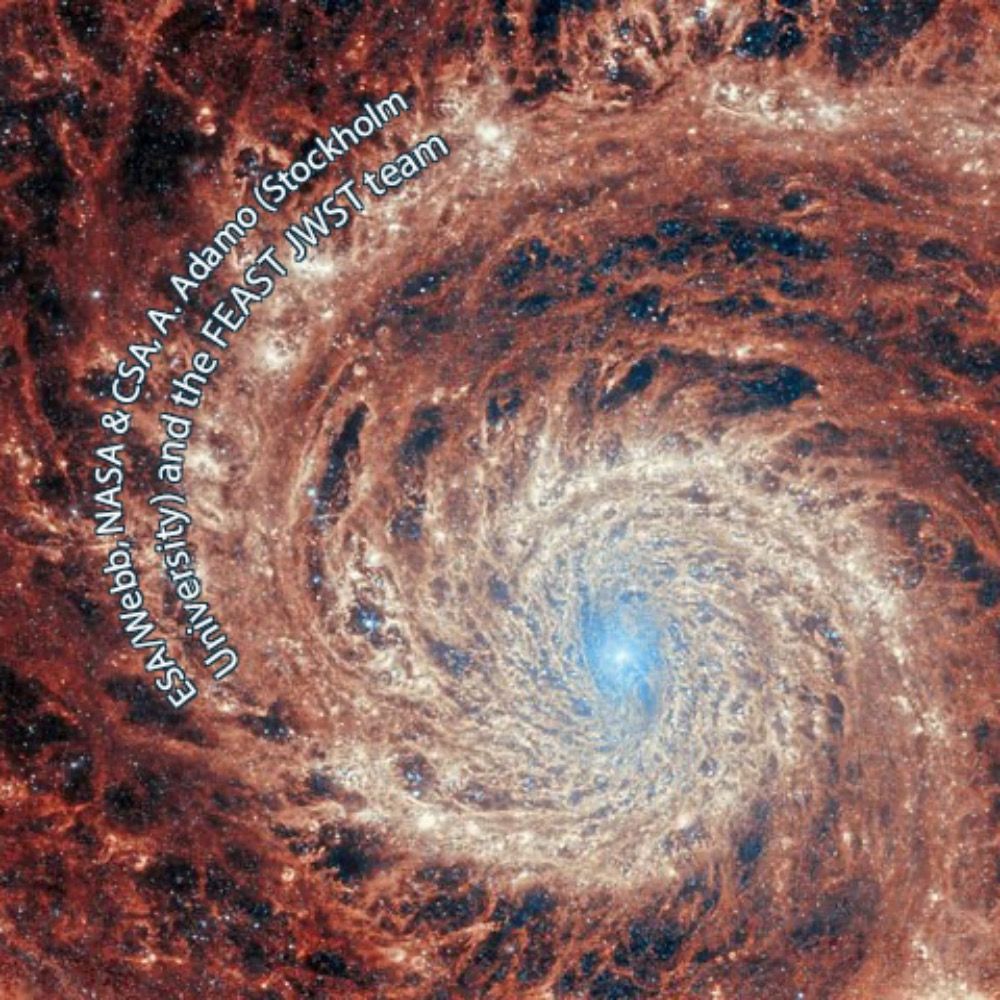
A barred spiral galaxy, observed with the Apache Point 2.5m Telescope in the SDSS survey.
It is at redshift 0.039 (lookback time 549.7 million years) with coordinates (180.10518, 21.55861).
36 volunteers classified this galaxy in Galaxy Zoo 2.
It is at redshift 0.039 (lookback time 549.7 million years) with coordinates (180.10518, 21.55861).
36 volunteers classified this galaxy in Galaxy Zoo 2.

October 18, 2024 at 3:21 PM
A barred spiral galaxy, observed with the Apache Point 2.5m Telescope in the SDSS survey.
It is at redshift 0.039 (lookback time 549.7 million years) with coordinates (180.10518, 21.55861).
36 volunteers classified this galaxy in Galaxy Zoo 2.
It is at redshift 0.039 (lookback time 549.7 million years) with coordinates (180.10518, 21.55861).
36 volunteers classified this galaxy in Galaxy Zoo 2.
Reposted by Ema

Here's my image of the moon tonight during the partial eclipse. This was taken via eyepiece projection to my cell phone camera. The telescope is an Astro-Tech AT102ED, and the eyepiece is a barlowed vintage 25mm Celestron Kellner.

September 18, 2024 at 5:15 AM
Here's my image of the moon tonight during the partial eclipse. This was taken via eyepiece projection to my cell phone camera. The telescope is an Astro-Tech AT102ED, and the eyepiece is a barlowed vintage 25mm Celestron Kellner.
Reposted by Ema

Und das war sie, die partielle Mondfinsternis vom 18. September 2024. Auch die leichte Abdunklung während der Halbschattenphase konnte man in der Zeit kurz vor und nach der partiellen Phase gut wahrnehmen 🔭


September 18, 2024 at 6:15 AM
Und das war sie, die partielle Mondfinsternis vom 18. September 2024. Auch die leichte Abdunklung während der Halbschattenphase konnte man in der Zeit kurz vor und nach der partiellen Phase gut wahrnehmen 🔭