


Paul Byrne
@theplanetaryguy.bsky.social
Associate Professor of Earth, Environmental, and Planetary Science at Washington University in St. Louis • Planetary Data System Geosciences Node Director • Planetary Bastard • he/him/Sir
Pinned
Paul Byrne
@theplanetaryguy.bsky.social
· Nov 24
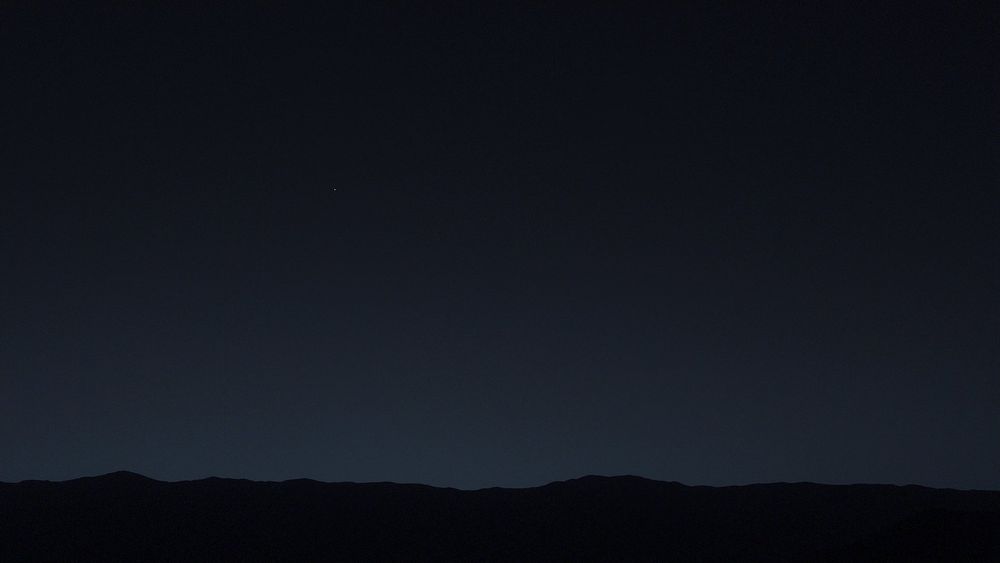
Open this photo up and look for the small, white dot just left of centre.
It looks like Venus, shining brightly in the twilight sky.
But it's us.
It's Earth.
From Mars.
It looks like Venus, shining brightly in the twilight sky.
But it's us.
It's Earth.
From Mars.
Atmospheric trace gas is condensing again


December 1, 2025 at 8:22 PM
Atmospheric trace gas is condensing again
Reposted by Paul Byrne
That scene with the Death Star rising over Scarif in Rogue One, except this time it's Saturn's icy moon Mimas

December 1, 2025 at 2:48 AM
That scene with the Death Star rising over Scarif in Rogue One, except this time it's Saturn's icy moon Mimas
Reposted by Paul Byrne

That scene with the Death Star rising over Scarif in Rogue One, except this time it's Saturn's icy moon Mimas
December 1, 2025 at 2:48 AM
That scene with the Death Star rising over Scarif in Rogue One, except this time it's Saturn's icy moon Mimas
Reposted by Paul Byrne
This image from the Perseverance Mars rover came down yesterday.
The rover is looking down towards the ground, forlornly.
Wondering why someone would ever maroon it on that dead, cold planet.
The rover is looking down towards the ground, forlornly.
Wondering why someone would ever maroon it on that dead, cold planet.

November 29, 2025 at 6:26 PM
This image from the Perseverance Mars rover came down yesterday.
The rover is looking down towards the ground, forlornly.
Wondering why someone would ever maroon it on that dead, cold planet.
The rover is looking down towards the ground, forlornly.
Wondering why someone would ever maroon it on that dead, cold planet.
Reposted by Paul Byrne
"Forgive me, Father, for I have si—"
WHACK
WHACK


November 29, 2025 at 4:58 PM
"Forgive me, Father, for I have si—"
WHACK
WHACK
This image from the Perseverance Mars rover came down yesterday.
The rover is looking down towards the ground, forlornly.
Wondering why someone would ever maroon it on that dead, cold planet.
The rover is looking down towards the ground, forlornly.
Wondering why someone would ever maroon it on that dead, cold planet.
November 29, 2025 at 6:26 PM
This image from the Perseverance Mars rover came down yesterday.
The rover is looking down towards the ground, forlornly.
Wondering why someone would ever maroon it on that dead, cold planet.
The rover is looking down towards the ground, forlornly.
Wondering why someone would ever maroon it on that dead, cold planet.
"Forgive me, Father, for I have si—"
WHACK
WHACK
November 29, 2025 at 4:58 PM
"Forgive me, Father, for I have si—"
WHACK
WHACK
Reposted by Paul Byrne
Here's a cool photo of Uranus.

November 29, 2025 at 1:36 AM
Here's a cool photo of Uranus.
Reposted by Paul Byrne

Here's a cool photo of Uranus.
November 29, 2025 at 1:36 AM
Here's a cool photo of Uranus.
Reposted by Paul Byrne
Holy fucking shit this is a *real* image from a *real* (presumably peer-reviewed) paper in [Nature] Scientific Reports.
How many people had to sign off on this figure?
The editor, one hopes, the reviewer(s)? The copy editor?
What had to happen for THIS to get published?
How many people had to sign off on this figure?
The editor, one hopes, the reviewer(s)? The copy editor?
What had to happen for THIS to get published?
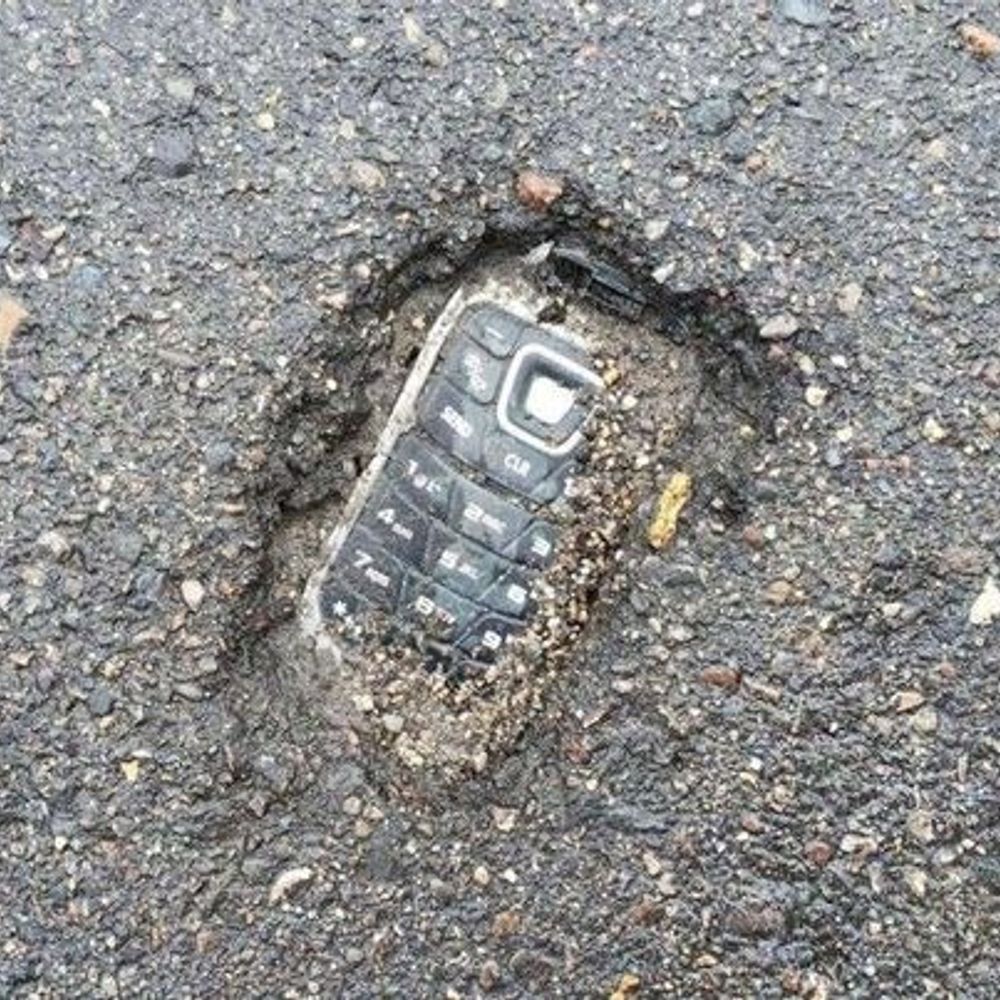
Hey @nature.com, have you got an explanation for how the hell THIS happened? & especially why you accepted a paper with such a bizarre piece of genAI slop in it?!
& more to the point, why we should take you seriously at all going forward?
www.nature.com/articles/s41...
& more to the point, why we should take you seriously at all going forward?
www.nature.com/articles/s41...

November 27, 2025 at 8:11 PM
Holy fucking shit this is a *real* image from a *real* (presumably peer-reviewed) paper in [Nature] Scientific Reports.
How many people had to sign off on this figure?
The editor, one hopes, the reviewer(s)? The copy editor?
What had to happen for THIS to get published?
How many people had to sign off on this figure?
The editor, one hopes, the reviewer(s)? The copy editor?
What had to happen for THIS to get published?
Reposted by Paul Byrne
Today I'm thankful that I'm not stuck on fucking Mars
(The Perseverance rover's vista in Jezero crater seen yesterday, Wednesday 26 November 2025. Colour and light balanced to better match human vision.)
Credit: NASA/JPL-Caltech/ASU/Paul Byrne
(The Perseverance rover's vista in Jezero crater seen yesterday, Wednesday 26 November 2025. Colour and light balanced to better match human vision.)
Credit: NASA/JPL-Caltech/ASU/Paul Byrne

November 27, 2025 at 7:51 PM
Today I'm thankful that I'm not stuck on fucking Mars
(The Perseverance rover's vista in Jezero crater seen yesterday, Wednesday 26 November 2025. Colour and light balanced to better match human vision.)
Credit: NASA/JPL-Caltech/ASU/Paul Byrne
(The Perseverance rover's vista in Jezero crater seen yesterday, Wednesday 26 November 2025. Colour and light balanced to better match human vision.)
Credit: NASA/JPL-Caltech/ASU/Paul Byrne
Holy fucking shit this is a *real* image from a *real* (presumably peer-reviewed) paper in [Nature] Scientific Reports.
How many people had to sign off on this figure?
The editor, one hopes, the reviewer(s)? The copy editor?
What had to happen for THIS to get published?
How many people had to sign off on this figure?
The editor, one hopes, the reviewer(s)? The copy editor?
What had to happen for THIS to get published?
Hey @nature.com, have you got an explanation for how the hell THIS happened? & especially why you accepted a paper with such a bizarre piece of genAI slop in it?!
& more to the point, why we should take you seriously at all going forward?
www.nature.com/articles/s41...
& more to the point, why we should take you seriously at all going forward?
www.nature.com/articles/s41...
November 27, 2025 at 8:11 PM
Holy fucking shit this is a *real* image from a *real* (presumably peer-reviewed) paper in [Nature] Scientific Reports.
How many people had to sign off on this figure?
The editor, one hopes, the reviewer(s)? The copy editor?
What had to happen for THIS to get published?
How many people had to sign off on this figure?
The editor, one hopes, the reviewer(s)? The copy editor?
What had to happen for THIS to get published?
Today I'm thankful that I'm not stuck on fucking Mars
(The Perseverance rover's vista in Jezero crater seen yesterday, Wednesday 26 November 2025. Colour and light balanced to better match human vision.)
Credit: NASA/JPL-Caltech/ASU/Paul Byrne
(The Perseverance rover's vista in Jezero crater seen yesterday, Wednesday 26 November 2025. Colour and light balanced to better match human vision.)
Credit: NASA/JPL-Caltech/ASU/Paul Byrne
November 27, 2025 at 7:51 PM
Today I'm thankful that I'm not stuck on fucking Mars
(The Perseverance rover's vista in Jezero crater seen yesterday, Wednesday 26 November 2025. Colour and light balanced to better match human vision.)
Credit: NASA/JPL-Caltech/ASU/Paul Byrne
(The Perseverance rover's vista in Jezero crater seen yesterday, Wednesday 26 November 2025. Colour and light balanced to better match human vision.)
Credit: NASA/JPL-Caltech/ASU/Paul Byrne
Reposted by Paul Byrne
Io beauty shot.
Taken by the Juno spacecraft on 3 February 2024.
The right-hand hemisphere is illuminated by the Sun.
On the left, the night side isn't totally dark because of Jupitershine.
Image credit: NASA/SwRI/MSSS
Taken by the Juno spacecraft on 3 February 2024.
The right-hand hemisphere is illuminated by the Sun.
On the left, the night side isn't totally dark because of Jupitershine.
Image credit: NASA/SwRI/MSSS

November 27, 2025 at 3:54 AM
Io beauty shot.
Taken by the Juno spacecraft on 3 February 2024.
The right-hand hemisphere is illuminated by the Sun.
On the left, the night side isn't totally dark because of Jupitershine.
Image credit: NASA/SwRI/MSSS
Taken by the Juno spacecraft on 3 February 2024.
The right-hand hemisphere is illuminated by the Sun.
On the left, the night side isn't totally dark because of Jupitershine.
Image credit: NASA/SwRI/MSSS
Io beauty shot.
Taken by the Juno spacecraft on 3 February 2024.
The right-hand hemisphere is illuminated by the Sun.
On the left, the night side isn't totally dark because of Jupitershine.
Image credit: NASA/SwRI/MSSS
Taken by the Juno spacecraft on 3 February 2024.
The right-hand hemisphere is illuminated by the Sun.
On the left, the night side isn't totally dark because of Jupitershine.
Image credit: NASA/SwRI/MSSS
November 27, 2025 at 3:54 AM
Io beauty shot.
Taken by the Juno spacecraft on 3 February 2024.
The right-hand hemisphere is illuminated by the Sun.
On the left, the night side isn't totally dark because of Jupitershine.
Image credit: NASA/SwRI/MSSS
Taken by the Juno spacecraft on 3 February 2024.
The right-hand hemisphere is illuminated by the Sun.
On the left, the night side isn't totally dark because of Jupitershine.
Image credit: NASA/SwRI/MSSS
Reposted by Paul Byrne
Hey.
Wanna see what it looks like to fly past your home planet?
THEN LOOK AT THIS
This is the OSIRIS-APEX spacecraft's view as it swung by Earth on Tuesday, 23 September 2025 from an altitude of 3,500 km.
Look how beautiful that big blue marble is ❤️
Wanna see what it looks like to fly past your home planet?
THEN LOOK AT THIS
This is the OSIRIS-APEX spacecraft's view as it swung by Earth on Tuesday, 23 September 2025 from an altitude of 3,500 km.
Look how beautiful that big blue marble is ❤️
November 25, 2025 at 9:06 PM
Hey.
Wanna see what it looks like to fly past your home planet?
THEN LOOK AT THIS
This is the OSIRIS-APEX spacecraft's view as it swung by Earth on Tuesday, 23 September 2025 from an altitude of 3,500 km.
Look how beautiful that big blue marble is ❤️
Wanna see what it looks like to fly past your home planet?
THEN LOOK AT THIS
This is the OSIRIS-APEX spacecraft's view as it swung by Earth on Tuesday, 23 September 2025 from an altitude of 3,500 km.
Look how beautiful that big blue marble is ❤️

This is how you do it.

BREAKING Jair Bolsonaro, convicted of attempting a military coup and the violent abolition of the democratic rule of law, is ordered today to begin his 27-year sentence
www.washingtonpost.com/world/2025/1...
www.washingtonpost.com/world/2025/1...

Bolsonaro out of appeals; will start 27-year sentence for coup attempt
The former Brazilian president will begin his sentence in a specially prepared cell at federal police headquarters in Brasília.
www.washingtonpost.com
November 26, 2025 at 2:18 AM
This is how you do it.
Hey.
Wanna see what it looks like to fly past your home planet?
THEN LOOK AT THIS
This is the OSIRIS-APEX spacecraft's view as it swung by Earth on Tuesday, 23 September 2025 from an altitude of 3,500 km.
Look how beautiful that big blue marble is ❤️
Wanna see what it looks like to fly past your home planet?
THEN LOOK AT THIS
This is the OSIRIS-APEX spacecraft's view as it swung by Earth on Tuesday, 23 September 2025 from an altitude of 3,500 km.
Look how beautiful that big blue marble is ❤️
November 25, 2025 at 9:06 PM
Hey.
Wanna see what it looks like to fly past your home planet?
THEN LOOK AT THIS
This is the OSIRIS-APEX spacecraft's view as it swung by Earth on Tuesday, 23 September 2025 from an altitude of 3,500 km.
Look how beautiful that big blue marble is ❤️
Wanna see what it looks like to fly past your home planet?
THEN LOOK AT THIS
This is the OSIRIS-APEX spacecraft's view as it swung by Earth on Tuesday, 23 September 2025 from an altitude of 3,500 km.
Look how beautiful that big blue marble is ❤️
Reposted by Paul Byrne
Now this is cool.
These are among the first images from the newly launched NASA ESCAPADE* mission—showing the port solar array from the Gold twin spacecraft in both visible light and infrared.
*Escape and Plasma Acceleration and Dynamics Explorers
(1/2)
These are among the first images from the newly launched NASA ESCAPADE* mission—showing the port solar array from the Gold twin spacecraft in both visible light and infrared.
*Escape and Plasma Acceleration and Dynamics Explorers
(1/2)

November 25, 2025 at 2:59 AM
Now this is cool.
These are among the first images from the newly launched NASA ESCAPADE* mission—showing the port solar array from the Gold twin spacecraft in both visible light and infrared.
*Escape and Plasma Acceleration and Dynamics Explorers
(1/2)
These are among the first images from the newly launched NASA ESCAPADE* mission—showing the port solar array from the Gold twin spacecraft in both visible light and infrared.
*Escape and Plasma Acceleration and Dynamics Explorers
(1/2)
Reposted by Paul Byrne
This is an incredible image of comet 3I/ATLAS, taken by Satoru Murata ICQ Comet Observations group on 16 November 2025 from western New Mexico.
Structure within the major dust tail from the comet is clearly visible, together with two smaller jets trailing the nucleus and maybe even an anti-tail.
Structure within the major dust tail from the comet is clearly visible, together with two smaller jets trailing the nucleus and maybe even an anti-tail.

November 24, 2025 at 11:50 PM
This is an incredible image of comet 3I/ATLAS, taken by Satoru Murata ICQ Comet Observations group on 16 November 2025 from western New Mexico.
Structure within the major dust tail from the comet is clearly visible, together with two smaller jets trailing the nucleus and maybe even an anti-tail.
Structure within the major dust tail from the comet is clearly visible, together with two smaller jets trailing the nucleus and maybe even an anti-tail.
Now this is cool.
These are among the first images from the newly launched NASA ESCAPADE* mission—showing the port solar array from the Gold twin spacecraft in both visible light and infrared.
*Escape and Plasma Acceleration and Dynamics Explorers
(1/2)
These are among the first images from the newly launched NASA ESCAPADE* mission—showing the port solar array from the Gold twin spacecraft in both visible light and infrared.
*Escape and Plasma Acceleration and Dynamics Explorers
(1/2)
November 25, 2025 at 2:59 AM
Now this is cool.
These are among the first images from the newly launched NASA ESCAPADE* mission—showing the port solar array from the Gold twin spacecraft in both visible light and infrared.
*Escape and Plasma Acceleration and Dynamics Explorers
(1/2)
These are among the first images from the newly launched NASA ESCAPADE* mission—showing the port solar array from the Gold twin spacecraft in both visible light and infrared.
*Escape and Plasma Acceleration and Dynamics Explorers
(1/2)
This is an incredible image of comet 3I/ATLAS, taken by Satoru Murata ICQ Comet Observations group on 16 November 2025 from western New Mexico.
Structure within the major dust tail from the comet is clearly visible, together with two smaller jets trailing the nucleus and maybe even an anti-tail.
Structure within the major dust tail from the comet is clearly visible, together with two smaller jets trailing the nucleus and maybe even an anti-tail.
November 24, 2025 at 11:50 PM
This is an incredible image of comet 3I/ATLAS, taken by Satoru Murata ICQ Comet Observations group on 16 November 2025 from western New Mexico.
Structure within the major dust tail from the comet is clearly visible, together with two smaller jets trailing the nucleus and maybe even an anti-tail.
Structure within the major dust tail from the comet is clearly visible, together with two smaller jets trailing the nucleus and maybe even an anti-tail.