Biologist, researcher working with sharks and rays🦈<:>—
Reposted by Patrícia Charvet

• Fishing mortality aligned with species’ life histories
• Species-level reporting becomes the norm
• Management completeness rises above critical thresholds
• Shark & ray populations stabilize and recover
Read the paper here: rdcu.be/eZ9n9
Reposted by Patrícia Charvet
• Small-scale fisheries underpin livelihoods and food security
• Under-resourced management = high biodiversity & social risk
• Reduced fishing mortality reduces extinction & social risk, improving ecosystem functions.
Reposted by Patrícia Charvet

Funding that strengthens:
• Species-level catch & trade data
• Compliance and enforcement
• Capacity in national agencies
• Monitoring in small-scale fisheries
→ Directly reduces fishing mortality
Reposted by Colin A. Simpfendorfer, Patrícia Charvet

Fisheries management, trade rules, compliance, and demand must align to reduce fishing mortality at scale.
Implementation is the bottleneck.
@hollieboothie.bsky.social
@sharkcolin.bsky.social
Reposted by Colin A. Simpfendorfer, Patrícia Charvet

Where fishing mortality has been reduced — through catch limits, retention bans, or spatial protection — shark and ray populations are stabilizing or recovering.
Recoveries documented for wide-ranging and restricted-range species @charlie-huveneers.bsky.social
Reposted by Colin A. Simpfendorfer, Patrícia Charvet

Where management is complete, risk is lower and recovery is possible.
@hollieboothie.bsky.social
@sharkcolin.bsky.social
Read the paper here: rdcu.be/eZ9n9
Reposted by Colin A. Simpfendorfer, Patrícia Charvet

Fishing mortality is the primary driver &
management completeness (for guitarfishes & requiem sharks) stands at ~49% globally.
@sammsherman27.bsky.social
@vanderwright.bsky.social
Read the paper here: rdcu.be/eZ9n9
Reposted by Colin A. Simpfendorfer, Patrícia Charvet, Vincent Raoult

The crisis isn’t just fishing — it’s invisible fishing.
Much shark & ray catch is under-reported, aggregated, or mislabeled, masking real mortality & delaying management.
What we don’t measure, we don’t manage.
@cgmull.bsky.social
@nathanpacoureau.bsky.social
Reposted by Colin A. Simpfendorfer, Patrícia Charvet

- Global abundance has been fished down by 65%,
- Now 37.5% of species are threatened,
- The current extinction rate is 25–250 times greater than the background fossil record, with greatest losses in tropical coastal seas. #BiodiversityTargets
Read the paper here: rdcu.be/eZ9n9
@sfu.ca
@sfubiosciences.bsky.social
@earth2ocean.bsky.social
Reposted by Patrícia Charvet
@ingridbunholi.bsky.social @patriciacharvet.bsky.social @rodrigodomingues.bsky.social @manirfeitosa.bsky.social + colleagues
Reposted by Patrícia Charvet
We compiled the most applied rapid DNA/eDNA-based ID tools & primers for #sharks and #rays 🦈
A practical guide to help scientists, managers & enforcement choose the right method for conservation action.
Read here: doi.org/10.1111/1755... #OpenScience #eDNA
Reposted by Patrícia Charvet

www.sciencedirect.com/science/arti...
Reposted by Patrícia Charvet
Reposted by Patrícia Charvet
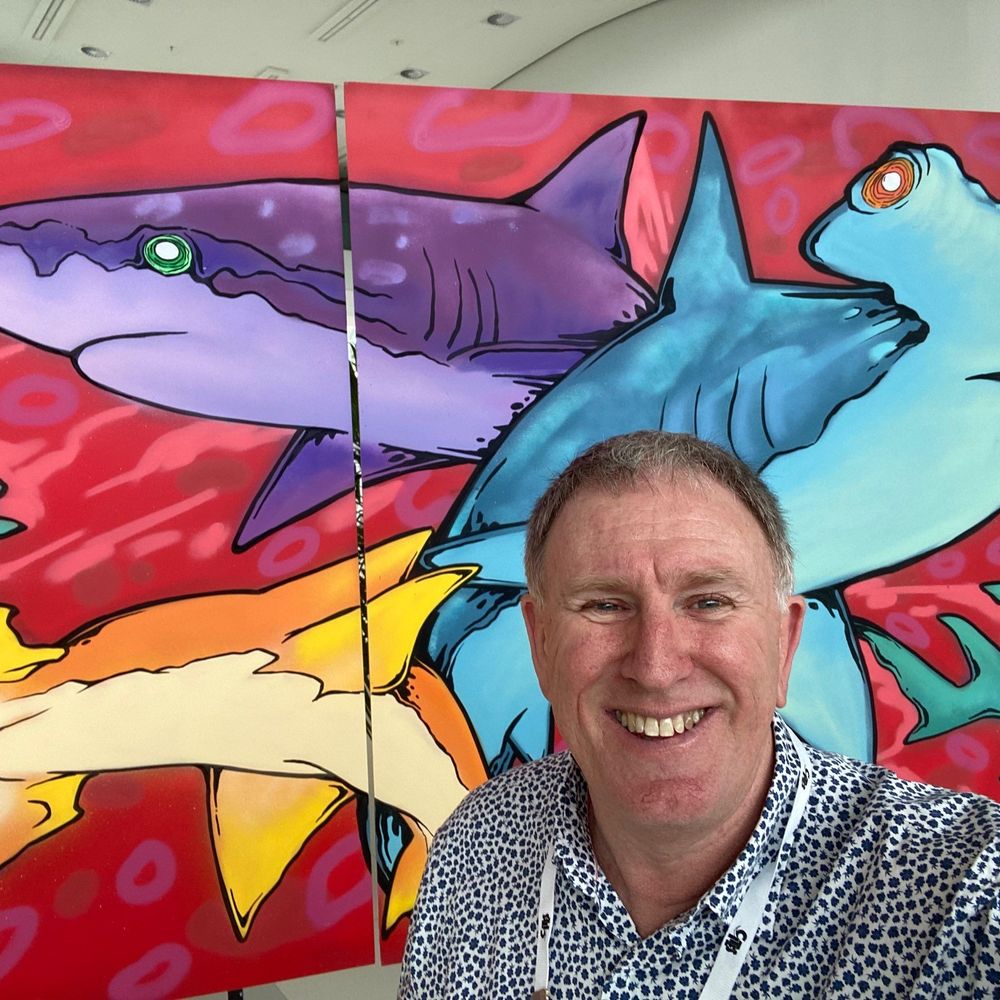
@nickdulvy.bsky.social @nathanpacoureau.bsky.social @iucnshark.bsky.social @sscmarine.bsky.social
#sharkscience #shark #sharkconservation
Reposted by Ulf Bergström, Patrícia Charvet
@nickdulvy.bsky.social did a great thread on the paper and included some GIFs that we had made but they did not play here on @bsky.app
I'm hoping this now works.
Status change through time...
science.org/doi/10.1126/...
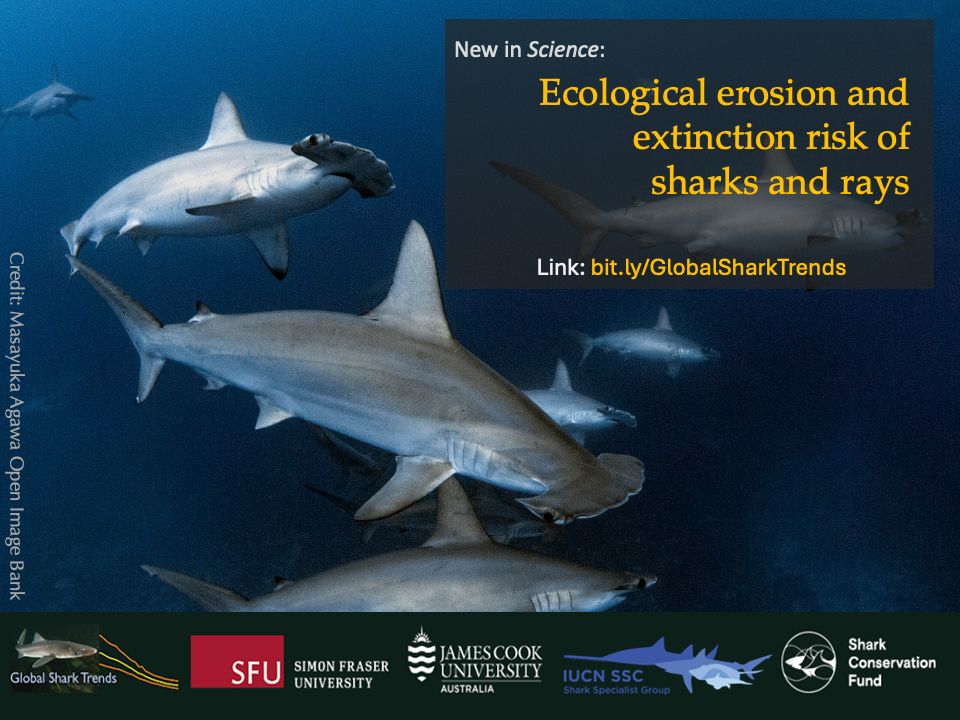
👉Full article bit.ly/GlobalSharkTrends
🧵1/20
Reposted by Andrew Chin, Ana Nuño, Rima W. Jabado , and 1 more Andrew Chin, Ana Nuño, Rima W. Jabado, Patrícia Charvet

portals.iucn.org/library/node...
Reposted by Patrícia Charvet
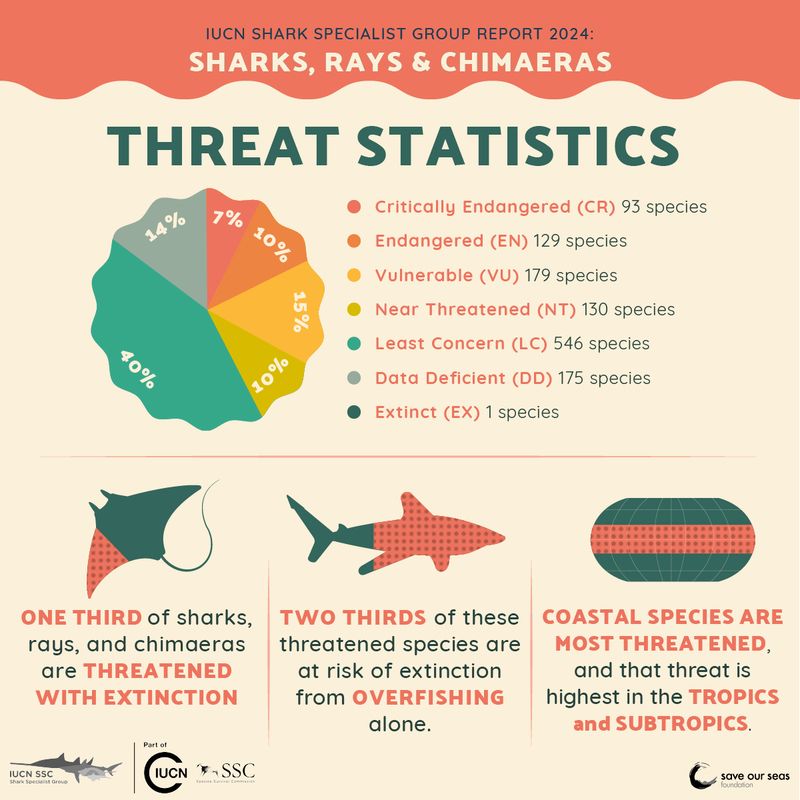
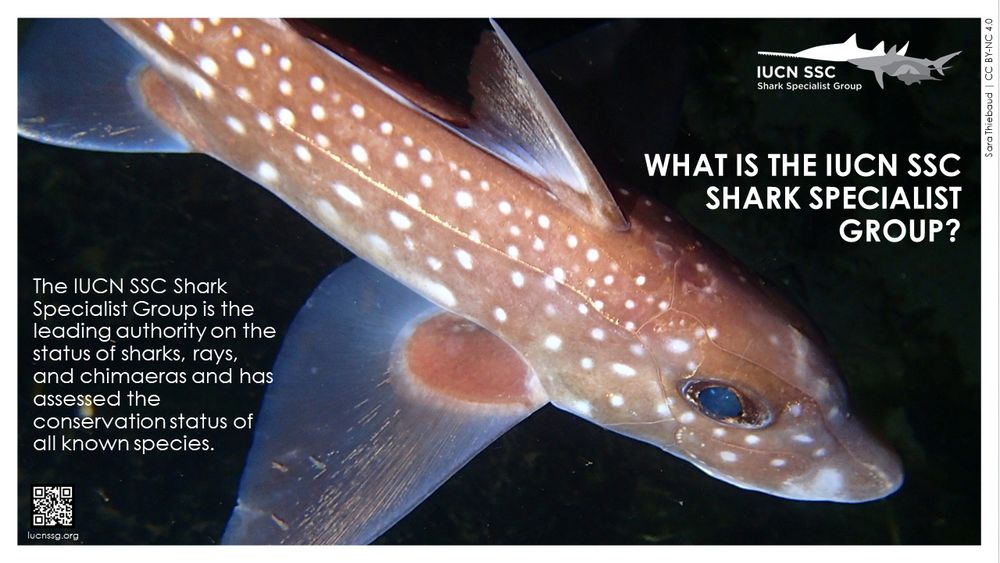
@iucnshark.bsky.social has released a major new report: "The global status of sharks, rays, and chimaeras".
2100+ pages of information from over 350 authors from around the world.
Available for free download: portals.iucn.org/library/node...
#sharkscience
Reposted by Patrícia Charvet
Reposted by Patrícia Charvet
portals.iucn.org/library/node...
Reposted by Patrícia Charvet
Reposted by Patrícia Charvet
Reposted by Peter Stoett, Jamie Woodward, Patrícia Charvet

Rewilding – our minds, lands, and seas – is the solution. 🌏
Reposted by Rima W. Jabado, Patrícia Charvet
Reposted by Patrícia Charvet