


14-Jan-2026
Woolly #rhino genome recovered from #iceage wolf stomach
Researchers from the Centre for #palaeogenetics have managed to analyse the #genome from a 14,400-year-old #woollyrhinoceros, recovered from a tissue sample found preserved inside the stomach of an ancient #wolf […]
Woolly #rhino genome recovered from #iceage wolf stomach
Researchers from the Centre for #palaeogenetics have managed to analyse the #genome from a 14,400-year-old #woollyrhinoceros, recovered from a tissue sample found preserved inside the stomach of an ancient #wolf […]
Original post on mastodon.social
mastodon.social
January 16, 2026 at 12:06 PM
14-Jan-2026
Woolly #rhino genome recovered from #iceage wolf stomach
Researchers from the Centre for #palaeogenetics have managed to analyse the #genome from a 14,400-year-old #woollyrhinoceros, recovered from a tissue sample found preserved inside the stomach of an ancient #wolf […]
Woolly #rhino genome recovered from #iceage wolf stomach
Researchers from the Centre for #palaeogenetics have managed to analyse the #genome from a 14,400-year-old #woollyrhinoceros, recovered from a tissue sample found preserved inside the stomach of an ancient #wolf […]
Researchers from the Centre for Palaeogenetics at Stockholm University have recovered a woolly rhino genome from the stomach of an Ice Age wolf. interestingengineering.com/science/1440... #palaeontology #genomics #science #SciChat

14,400-year-old woolly rhino genome found inside Ice Age wolf stomach
Researchers from the Centre for Palaeogenetics at Stockholm University have recovered a woolly rhino genome from the stomach of an Ice Age wolf.
interestingengineering.com
January 15, 2026 at 10:45 PM
Researchers from the Centre for Palaeogenetics at Stockholm University have recovered a woolly rhino genome from the stomach of an Ice Age wolf. interestingengineering.com/science/1440... #palaeontology #genomics #science #SciChat

Check some of the fantastic photos accompanying this amazing discovery (details and photo credits are given in alt text):


January 14, 2026 at 7:54 PM
Check some of the fantastic photos accompanying this amazing discovery (details and photo credits are given in alt text):

Researchers can now extract and sequence DNA (determine the order of “letters” in the molecule) directly from cave sediments rather than relying on bones. This is transforming the field, known as palaeogenetics.

DNA from sediments could soon reveal who lived in ice age caves
DNA can now be extracted and sequenced directly from cave sediments rather than relying on bones, This is transforming palaeogenetics.
mappingignorance.org
December 10, 2025 at 5:13 PM
Researchers can now extract and sequence DNA (determine the order of “letters” in the molecule) directly from cave sediments rather than relying on bones. This is transforming the field, known as palaeogenetics.

Researchers can now extract and sequence DNA (determine the order of “letters” in the molecule) directly from cave sediments rather than relying on bones. This is transforming the field, known as palaeogenetics.

DNA from sediments could soon reveal who lived in ice age caves
DNA can now be extracted and sequenced directly from cave sediments rather than relying on bones, This is transforming palaeogenetics.
mappingignorance.org
December 7, 2025 at 12:02 PM
Researchers can now extract and sequence DNA (determine the order of “letters” in the molecule) directly from cave sediments rather than relying on bones. This is transforming the field, known as palaeogenetics.
Researchers can now extract and sequence DNA (determine the order of “letters” in the molecule) directly from cave sediments rather than relying on bones. This is transforming the field, known as palaeogenetics.
DNA from sediments could soon reveal who lived in ice age caves
DNA can now be extracted and sequenced directly from cave sediments rather than relying on bones, This is transforming palaeogenetics.
mappingignorance.org
December 7, 2025 at 10:02 AM
Researchers can now extract and sequence DNA (determine the order of “letters” in the molecule) directly from cave sediments rather than relying on bones. This is transforming the field, known as palaeogenetics.
Researchers can now extract and sequence DNA (determine the order of “letters” in the molecule) directly from cave sediments rather than relying on bones. This is transforming the field, known as palaeogenetics.
DNA from sediments could soon reveal who lived in ice age caves
DNA can now be extracted and sequenced directly from cave sediments rather than relying on bones, This is transforming palaeogenetics.
mappingignorance.org
December 4, 2025 at 3:06 AM
Researchers can now extract and sequence DNA (determine the order of “letters” in the molecule) directly from cave sediments rather than relying on bones. This is transforming the field, known as palaeogenetics.
Researchers can now extract and sequence DNA (determine the order of “letters” in the molecule) directly from cave sediments rather than relying on bones. This is transforming the field, known as palaeogenetics.
DNA from sediments could soon reveal who lived in ice age caves
DNA can now be extracted and sequenced directly from cave sediments rather than relying on bones, This is transforming palaeogenetics.
mappingignorance.org
December 3, 2025 at 6:16 PM
Researchers can now extract and sequence DNA (determine the order of “letters” in the molecule) directly from cave sediments rather than relying on bones. This is transforming the field, known as palaeogenetics.
Researchers can now extract and sequence DNA (determine the order of “letters” in the molecule) directly from cave sediments rather than relying on bones. This is transforming the field, known as palaeogenetics.
DNA from sediments could soon reveal who lived in ice age caves
DNA can now be extracted and sequenced directly from cave sediments rather than relying on bones, This is transforming palaeogenetics.
mappingignorance.org
December 3, 2025 at 6:06 PM
Researchers can now extract and sequence DNA (determine the order of “letters” in the molecule) directly from cave sediments rather than relying on bones. This is transforming the field, known as palaeogenetics.

Ancient DNA found in caves unlocks secrets of Ice Age life — Scientists are revolutionizing palaeogenetics by extracting ancient DNA directly from cave sediments, a breakthrough that bypasses the need for physica… https://ranked.news/eng/ancient-dna-found-in-caves-unlocks-secrets-of-ice-age-life?u=b

December 3, 2025 at 12:02 AM
Ancient DNA found in caves unlocks secrets of Ice Age life — Scientists are revolutionizing palaeogenetics by extracting ancient DNA directly from cave sediments, a breakthrough that bypasses the need for physica… https://ranked.news/eng/ancient-dna-found-in-caves-unlocks-secrets-of-ice-age-life?u=b

#Smallpox #Measles #Archaeology #Research
Exeter scholars secure significant research funding to investigate the early history of Smallpox and Measles
news.exeter.ac.uk/faculty-of-h...
[...]
“Pustules, Palaeogenetics and Pandemics aims to re-present the complex history and development of these ...
Exeter scholars secure significant research funding to investigate the early history of Smallpox and Measles
news.exeter.ac.uk/faculty-of-h...
[...]
“Pustules, Palaeogenetics and Pandemics aims to re-present the complex history and development of these ...

Exeter scholars secure significant research funding to investigate the early history of Smallpox and Measles
The early histories of smallpox and measles – and the insight they might offer to contemporary health and medicine – will be under the microscope of a new research project. Pustules, Palaeogenetics an...
news.exeter.ac.uk
November 20, 2025 at 12:39 AM
#Smallpox #Measles #Archaeology #Research
Exeter scholars secure significant research funding to investigate the early history of Smallpox and Measles
news.exeter.ac.uk/faculty-of-h...
[...]
“Pustules, Palaeogenetics and Pandemics aims to re-present the complex history and development of these ...
Exeter scholars secure significant research funding to investigate the early history of Smallpox and Measles
news.exeter.ac.uk/faculty-of-h...
[...]
“Pustules, Palaeogenetics and Pandemics aims to re-present the complex history and development of these ...
I am currently writing a pamphlet about the impact of palaeogenetics on (Insular) Celtic and Irish Studies. This is what I will say.

November 1, 2025 at 3:39 PM
I am currently writing a pamphlet about the impact of palaeogenetics on (Insular) Celtic and Irish Studies. This is what I will say.

Amazing PhD opportunity to come work at the Centre for Palaeogenetics and the Swedish Museum of Natural History with Tom van der Valk! recruit.visma.com/spa/public/a...

PhD student to the Department of Bioinformatics and Genetics
Using new samples as well as already generated high-coverage genomes, the project will develop and apply novel methods to detect structural variants in ancient DNA and explore their functional consequ...
recruit.visma.com
October 22, 2025 at 12:46 PM
Amazing PhD opportunity to come work at the Centre for Palaeogenetics and the Swedish Museum of Natural History with Tom van der Valk! recruit.visma.com/spa/public/a...
Interview with Svante Pääbo, pioneer of palaeogenetics: our sheer numbers led to Neanderthal 'extinction' (but they are also our ancestors)
english.elpais.com/science-tech...
english.elpais.com/science-tech...

Svante Pääbo, father of paleogenetics: ‘The reason for the Neanderthals’ extinction lies in how numerous we’ve become’
The Nobel Prize winner in Medicine is investigating genetic changes that could have given our species a competitive advantage, and the possibility of extracting the genome of the Flores hobbit
english.elpais.com
October 7, 2025 at 12:45 PM
Interview with Svante Pääbo, pioneer of palaeogenetics: our sheer numbers led to Neanderthal 'extinction' (but they are also our ancestors)
english.elpais.com/science-tech...
english.elpais.com/science-tech...

Archaeoethnologica: The Indo-europeans rediscovered - Book / Os Indo-Europeus Redescobertos - Livro
+INFO in: archaeoethnologica.blogspot.com/2025/09/indo...
#Archaeology #Indoeuropeans #Prehistory #IndoeuropeanStudies #Ethnogenesis #palaeolinguistics #palaeogenetics #theory #books #AncientBlueSky
+INFO in: archaeoethnologica.blogspot.com/2025/09/indo...
#Archaeology #Indoeuropeans #Prehistory #IndoeuropeanStudies #Ethnogenesis #palaeolinguistics #palaeogenetics #theory #books #AncientBlueSky

September 4, 2025 at 10:24 AM
Archaeoethnologica: The Indo-europeans rediscovered - Book / Os Indo-Europeus Redescobertos - Livro
+INFO in: archaeoethnologica.blogspot.com/2025/09/indo...
#Archaeology #Indoeuropeans #Prehistory #IndoeuropeanStudies #Ethnogenesis #palaeolinguistics #palaeogenetics #theory #books #AncientBlueSky
+INFO in: archaeoethnologica.blogspot.com/2025/09/indo...
#Archaeology #Indoeuropeans #Prehistory #IndoeuropeanStudies #Ethnogenesis #palaeolinguistics #palaeogenetics #theory #books #AncientBlueSky
Archaeoethnologica: The Indo-europeans rediscovered - Book / Os Indo-Europeus Redescobertos - Livro
+INFO in: archaeoethnologica.blogspot.com/2025/09/indo...
#Archaeology #Indoeuropeans #Prehistory #IndoeuropeanStudies #Ethnogenesis #palaeolinguistics #palaeogenetics #theory #historiography #books
+INFO in: archaeoethnologica.blogspot.com/2025/09/indo...
#Archaeology #Indoeuropeans #Prehistory #IndoeuropeanStudies #Ethnogenesis #palaeolinguistics #palaeogenetics #theory #historiography #books


September 4, 2025 at 10:23 AM
Archaeoethnologica: The Indo-europeans rediscovered - Book / Os Indo-Europeus Redescobertos - Livro
+INFO in: archaeoethnologica.blogspot.com/2025/09/indo...
#Archaeology #Indoeuropeans #Prehistory #IndoeuropeanStudies #Ethnogenesis #palaeolinguistics #palaeogenetics #theory #historiography #books
+INFO in: archaeoethnologica.blogspot.com/2025/09/indo...
#Archaeology #Indoeuropeans #Prehistory #IndoeuropeanStudies #Ethnogenesis #palaeolinguistics #palaeogenetics #theory #historiography #books
Archaeoethnologica: The Indo-europeans rediscovered - Book / Os Indo-Europeus Redescobertos - Livro
+INFO in: archaeoethnologica.blogspot.com/2025/09/indo...
#Archaeology #Indoeuropeans #Prehistory #IndoeuropeanStudies #Ethnogenesis #palaeolinguistics #palaeogenetics #theory #historiography #books
+INFO in: archaeoethnologica.blogspot.com/2025/09/indo...
#Archaeology #Indoeuropeans #Prehistory #IndoeuropeanStudies #Ethnogenesis #palaeolinguistics #palaeogenetics #theory #historiography #books


September 4, 2025 at 10:22 AM
Archaeoethnologica: The Indo-europeans rediscovered - Book / Os Indo-Europeus Redescobertos - Livro
+INFO in: archaeoethnologica.blogspot.com/2025/09/indo...
#Archaeology #Indoeuropeans #Prehistory #IndoeuropeanStudies #Ethnogenesis #palaeolinguistics #palaeogenetics #theory #historiography #books
+INFO in: archaeoethnologica.blogspot.com/2025/09/indo...
#Archaeology #Indoeuropeans #Prehistory #IndoeuropeanStudies #Ethnogenesis #palaeolinguistics #palaeogenetics #theory #historiography #books
Archaeoethnologica: The Indo-europeans rediscovered - Book / Os Indo-Europeus Redescobertos - Livro
+INFO in: archaeoethnologica.blogspot.com/2025/09/indo...
#Archaeology #Indoeuropeans #Prehistory #IndoeuropeanStudies #Ethnogenesis #palaeolinguistics #palaeogenetics #theory #historiography #books
+INFO in: archaeoethnologica.blogspot.com/2025/09/indo...
#Archaeology #Indoeuropeans #Prehistory #IndoeuropeanStudies #Ethnogenesis #palaeolinguistics #palaeogenetics #theory #historiography #books


September 4, 2025 at 10:22 AM
Archaeoethnologica: The Indo-europeans rediscovered - Book / Os Indo-Europeus Redescobertos - Livro
+INFO in: archaeoethnologica.blogspot.com/2025/09/indo...
#Archaeology #Indoeuropeans #Prehistory #IndoeuropeanStudies #Ethnogenesis #palaeolinguistics #palaeogenetics #theory #historiography #books
+INFO in: archaeoethnologica.blogspot.com/2025/09/indo...
#Archaeology #Indoeuropeans #Prehistory #IndoeuropeanStudies #Ethnogenesis #palaeolinguistics #palaeogenetics #theory #historiography #books
Archaeoethnologica: The Indo-europeans rediscovered - Book / Os Indo-Europeus Redescobertos - Livro
+INFO in: archaeoethnologica.blogspot.com/2025/09/indo...
#Archaeology #Indoeuropeans #Prehistory #IndoeuropeanStudies #Ethnogenesis #palaeolinguistics #palaeogenetics #theory #historiography #books
+INFO in: archaeoethnologica.blogspot.com/2025/09/indo...
#Archaeology #Indoeuropeans #Prehistory #IndoeuropeanStudies #Ethnogenesis #palaeolinguistics #palaeogenetics #theory #historiography #books


September 4, 2025 at 10:21 AM
Archaeoethnologica: The Indo-europeans rediscovered - Book / Os Indo-Europeus Redescobertos - Livro
+INFO in: archaeoethnologica.blogspot.com/2025/09/indo...
#Archaeology #Indoeuropeans #Prehistory #IndoeuropeanStudies #Ethnogenesis #palaeolinguistics #palaeogenetics #theory #historiography #books
+INFO in: archaeoethnologica.blogspot.com/2025/09/indo...
#Archaeology #Indoeuropeans #Prehistory #IndoeuropeanStudies #Ethnogenesis #palaeolinguistics #palaeogenetics #theory #historiography #books
Ancient Mammoth Remains Reveal World’s Oldest Host-Associated Bacterial DNA
In a landmark scientific breakthrough, an international consortium led by researchers at the Centre for Palaeogenetics has successfully extracted and analyzed microbial DNA from mammoth remains estimated to be over one…
In a landmark scientific breakthrough, an international consortium led by researchers at the Centre for Palaeogenetics has successfully extracted and analyzed microbial DNA from mammoth remains estimated to be over one…

Ancient Mammoth Remains Reveal World’s Oldest Host-Associated Bacterial DNA
In a landmark scientific breakthrough, an international consortium led by researchers at the Centre for Palaeogenetics has successfully extracted and analyzed microbial DNA from mammoth remains estimated to be over one million years old. This achievement represents one of the oldest collections of microbial genetic material ever recovered and opens unprecedented avenues for studying the symbiotic and pathogenic relationships between extinct megafauna and their microbiomes.
scienmag.com
September 2, 2025 at 3:29 PM
Ancient Mammoth Remains Reveal World’s Oldest Host-Associated Bacterial DNA
In a landmark scientific breakthrough, an international consortium led by researchers at the Centre for Palaeogenetics has successfully extracted and analyzed microbial DNA from mammoth remains estimated to be over one…
In a landmark scientific breakthrough, an international consortium led by researchers at the Centre for Palaeogenetics has successfully extracted and analyzed microbial DNA from mammoth remains estimated to be over one…
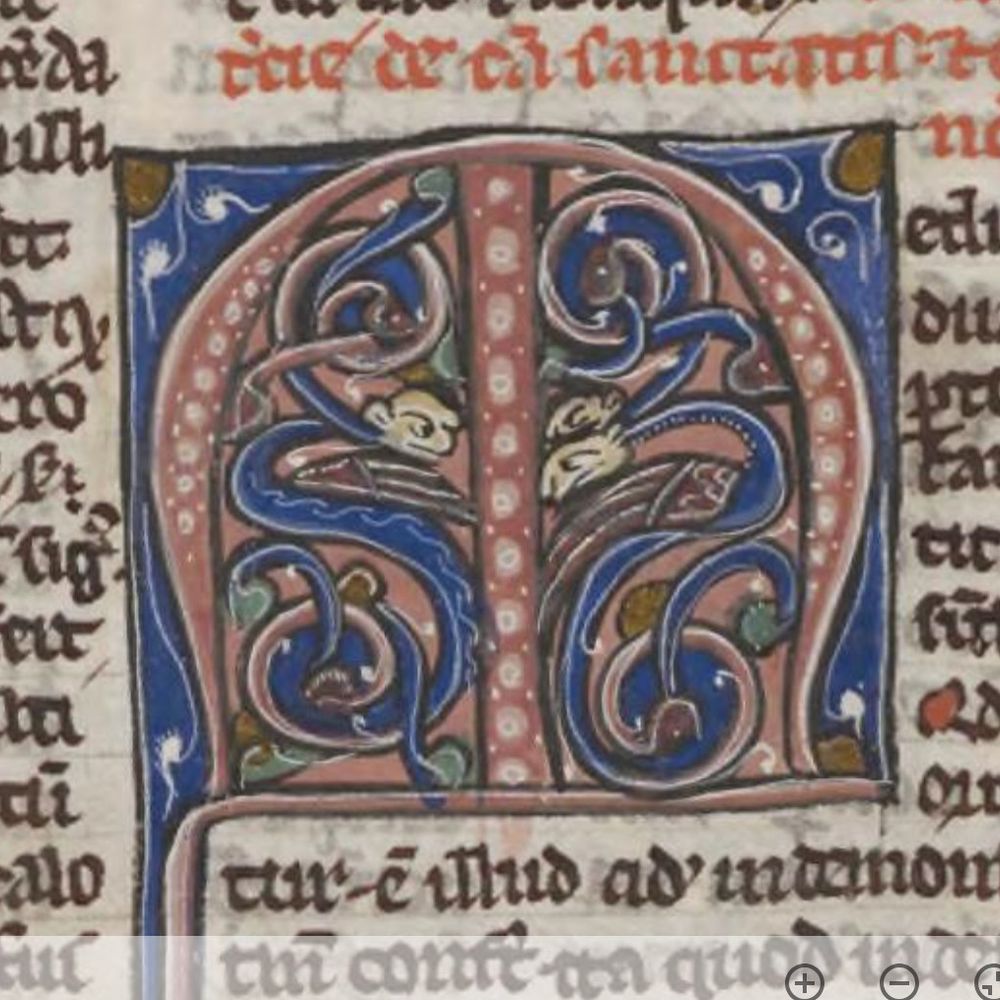
It's not exaggerating to say that, of all the major pathogens, we now know more about the *history* of plague than any other disease. So, this weekend (now that the unfortunate Arizona case is in the news) is a good time to get caught up. This is a Public Health success story we should all know!

July 12, 2025 at 1:08 PM
It's not exaggerating to say that, of all the major pathogens, we now know more about the *history* of plague than any other disease. So, this weekend (now that the unfortunate Arizona case is in the news) is a good time to get caught up. This is a Public Health success story we should all know!

Happy to announce that our study examining the genetic history of the Qimmeq (Greenland Sled Dog) came out today in Science.
@mhssinding.bsky.social
#qimmeq #dogs #palaeogenetics #greenland #greenlandsleddog @science.org #Ilisimatusarfik #globeinstitute #ucph #nih
@mhssinding.bsky.social
#qimmeq #dogs #palaeogenetics #greenland #greenlandsleddog @science.org #Ilisimatusarfik #globeinstitute #ucph #nih
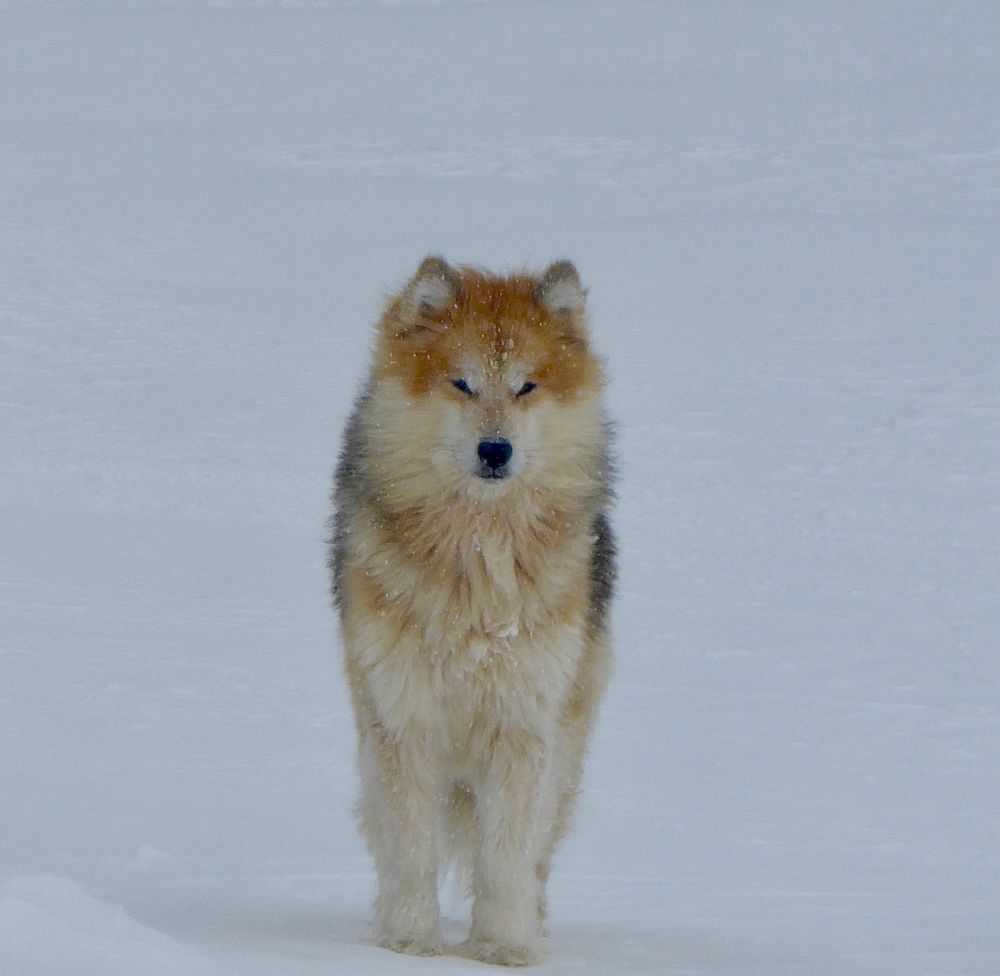
July 10, 2025 at 6:26 PM
Happy to announce that our study examining the genetic history of the Qimmeq (Greenland Sled Dog) came out today in Science.
@mhssinding.bsky.social
#qimmeq #dogs #palaeogenetics #greenland #greenlandsleddog @science.org #Ilisimatusarfik #globeinstitute #ucph #nih
@mhssinding.bsky.social
#qimmeq #dogs #palaeogenetics #greenland #greenlandsleddog @science.org #Ilisimatusarfik #globeinstitute #ucph #nih

A lot of large questions! 😅
Archaeological and linguistic theories haven't been in sync for decades, because many archaeologists rejected the idea of large population movements in the past, while historical linguists operated with them to explain language spread. Palaeogenetics now demonstrate...
/1
Archaeological and linguistic theories haven't been in sync for decades, because many archaeologists rejected the idea of large population movements in the past, while historical linguists operated with them to explain language spread. Palaeogenetics now demonstrate...
/1
June 2, 2025 at 6:40 AM
A lot of large questions! 😅
Archaeological and linguistic theories haven't been in sync for decades, because many archaeologists rejected the idea of large population movements in the past, while historical linguists operated with them to explain language spread. Palaeogenetics now demonstrate...
/1
Archaeological and linguistic theories haven't been in sync for decades, because many archaeologists rejected the idea of large population movements in the past, while historical linguists operated with them to explain language spread. Palaeogenetics now demonstrate...
/1
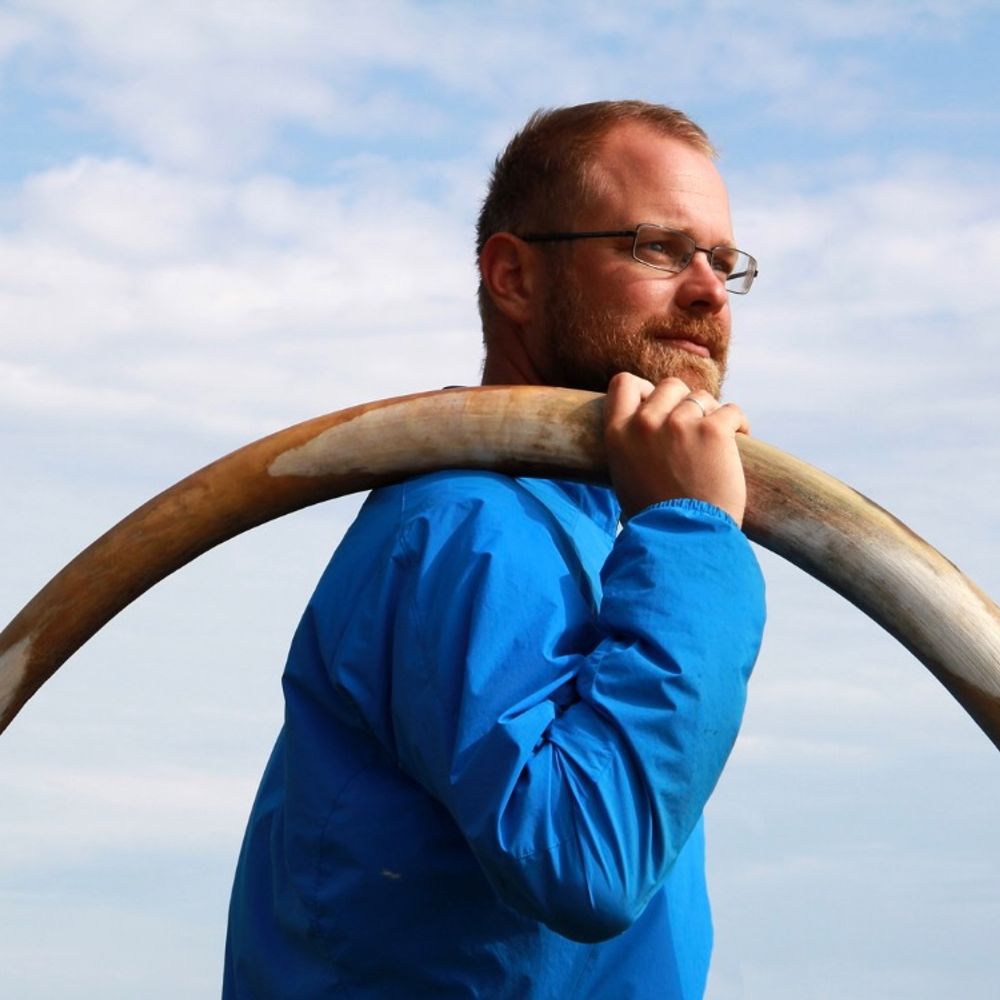
Hello everyone,
Are you interested in news about research findings, jobs, PhD positions, etc, from the Centre for Palaeogenetics?
Or do you simply want to see lots of cool photos from our work (like the 28,000 year old cave lion cub below)?
If yes, please give @cpgsthlm.bsky.social a follow!
Are you interested in news about research findings, jobs, PhD positions, etc, from the Centre for Palaeogenetics?
Or do you simply want to see lots of cool photos from our work (like the 28,000 year old cave lion cub below)?
If yes, please give @cpgsthlm.bsky.social a follow!

May 7, 2025 at 6:39 PM
Hello everyone,
Are you interested in news about research findings, jobs, PhD positions, etc, from the Centre for Palaeogenetics?
Or do you simply want to see lots of cool photos from our work (like the 28,000 year old cave lion cub below)?
If yes, please give @cpgsthlm.bsky.social a follow!
Are you interested in news about research findings, jobs, PhD positions, etc, from the Centre for Palaeogenetics?
Or do you simply want to see lots of cool photos from our work (like the 28,000 year old cave lion cub below)?
If yes, please give @cpgsthlm.bsky.social a follow!