



What's particularly promising is that Enterococcus bacteria exposed to pre-methylenomycin C lactone didn't become resistant to it, suggesting the compound could remain effective over the long term.
![Figure 6. Extracted ion chromatograms (EICs) at m/z = 183.065 ± 0.005 corresponding to [M + H]+ for 1 from UHPLC-ESI-Q-ToF-MS analyses of methanol extracts from S. coelicolor W302 (bottom panel) and W301 (middle panel) fed with 2. The top panel shows the EIC at m/z = 183.065 ± 0.005 for an authentic standard of 1.](https://cdn.bsky.app/img/feed_thumbnail/plain/did:plc:llgfbjvsqkaicezsf7mzjxr3/bafkreialavexajysmg7toq7lnsr7s5e3sr6c7nhh5pcrmvdpiznfoz34eq@jpeg)
December 16, 2025 at 5:10 PM
What's particularly promising is that Enterococcus bacteria exposed to pre-methylenomycin C lactone didn't become resistant to it, suggesting the compound could remain effective over the long term.
Staphylococcus aureus and Enterococcus faecium, the bacterial species responsible for Methicillin-resistant Staphylococcus aureus (MRSA) and Vancomycin-resistant Enterococcus (VRE), two of the infections proving most troublesome for existing antibiotics.

December 16, 2025 at 5:08 PM
Staphylococcus aureus and Enterococcus faecium, the bacterial species responsible for Methicillin-resistant Staphylococcus aureus (MRSA) and Vancomycin-resistant Enterococcus (VRE), two of the infections proving most troublesome for existing antibiotics.
The caveat being thus far.
Chemists discovered a powerful hidden antibiotic that’s 100 times stronger than existing ones and effective against deadly superbugs.
• www.nature.com/articles/d41...
The study has been published in JACS. YES, it is PEER-REVIEWED.
• pubs.acs.org/doi/10.1021/...
🧪🧵⬇️
Chemists discovered a powerful hidden antibiotic that’s 100 times stronger than existing ones and effective against deadly superbugs.
• www.nature.com/articles/d41...
The study has been published in JACS. YES, it is PEER-REVIEWED.
• pubs.acs.org/doi/10.1021/...
🧪🧵⬇️


December 16, 2025 at 5:04 PM
The caveat being thus far.
Chemists discovered a powerful hidden antibiotic that’s 100 times stronger than existing ones and effective against deadly superbugs.
• www.nature.com/articles/d41...
The study has been published in JACS. YES, it is PEER-REVIEWED.
• pubs.acs.org/doi/10.1021/...
🧪🧵⬇️
Chemists discovered a powerful hidden antibiotic that’s 100 times stronger than existing ones and effective against deadly superbugs.
• www.nature.com/articles/d41...
The study has been published in JACS. YES, it is PEER-REVIEWED.
• pubs.acs.org/doi/10.1021/...
🧪🧵⬇️

#FIA
High pressure clears spoilage bugs from donkey milk, spares probiotic Enterococcus for gentler drinks.🐴🍼
Details: https://www.maxapress.com/article/doi/10.48130/FIA-2023-0010
#donkeymilk #bug #enterococcus
High pressure clears spoilage bugs from donkey milk, spares probiotic Enterococcus for gentler drinks.🐴🍼
Details: https://www.maxapress.com/article/doi/10.48130/FIA-2023-0010
#donkeymilk #bug #enterococcus

December 14, 2025 at 9:18 AM
#FIA
High pressure clears spoilage bugs from donkey milk, spares probiotic Enterococcus for gentler drinks.🐴🍼
Details: https://www.maxapress.com/article/doi/10.48130/FIA-2023-0010
#donkeymilk #bug #enterococcus
High pressure clears spoilage bugs from donkey milk, spares probiotic Enterococcus for gentler drinks.🐴🍼
Details: https://www.maxapress.com/article/doi/10.48130/FIA-2023-0010
#donkeymilk #bug #enterococcus


Prevalence of Vancomycin-resistant Enterococcus in wild mammals: the first global systematic review and meta-analysis.
Abusalim, Ghadah S et al.
Paper
Details
#VancomycinResistantEnterococcus #WildMammals #SystematicReviewMetaAnalysis
Abusalim, Ghadah S et al.
Paper
Details
#VancomycinResistantEnterococcus #WildMammals #SystematicReviewMetaAnalysis
December 11, 2025 at 9:01 AM
Prevalence of Vancomycin-resistant Enterococcus in wild mammals: the first global systematic review and meta-analysis.
Abusalim, Ghadah S et al.
Paper
Details
#VancomycinResistantEnterococcus #WildMammals #SystematicReviewMetaAnalysis
Abusalim, Ghadah S et al.
Paper
Details
#VancomycinResistantEnterococcus #WildMammals #SystematicReviewMetaAnalysis
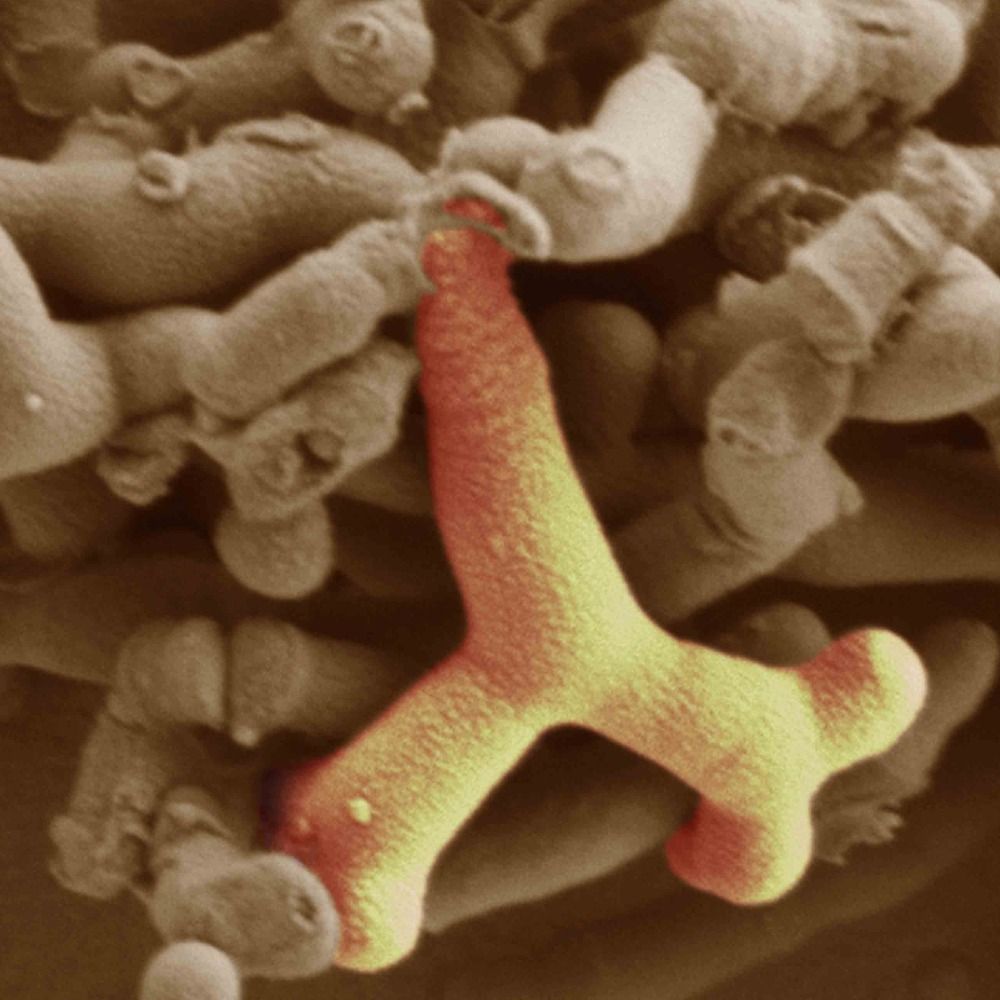
Whoop whoop! 🎉 @hannahtriv.bsky.social’s first-author paper is officially out as a preprint!
Some super interesting long-read metagenomics results - especially the dominance of MDR Enterococcus faecium in very sick liver patients.
Huge shout-out to the whole team and fab collaborators!
Some super interesting long-read metagenomics results - especially the dominance of MDR Enterococcus faecium in very sick liver patients.
Huge shout-out to the whole team and fab collaborators!
I am pleased to share that my first postdoc paper from the @halllab.bsky.social is now on bioRxiv! 🎉
We used long-read #metagenomics to explore how the gut microbiome and #antimicrobialresistance landscape shift across advanced chronic #liverdisease (ACLD)
www.biorxiv.org/content/10.6...
We used long-read #metagenomics to explore how the gut microbiome and #antimicrobialresistance landscape shift across advanced chronic #liverdisease (ACLD)
www.biorxiv.org/content/10.6...

Decoding the microbiome and resistome of advanced chronic liver disease through long-read metagenomics
Introduction - Patients with advanced chronic liver disease (ACLD) and underlying cirrhosis frequently require repeated courses of antimicrobial therapy, with both the frequency and spectrum of antimi...
www.biorxiv.org
December 10, 2025 at 2:16 PM
Whoop whoop! 🎉 @hannahtriv.bsky.social’s first-author paper is officially out as a preprint!
Some super interesting long-read metagenomics results - especially the dominance of MDR Enterococcus faecium in very sick liver patients.
Huge shout-out to the whole team and fab collaborators!
Some super interesting long-read metagenomics results - especially the dominance of MDR Enterococcus faecium in very sick liver patients.
Huge shout-out to the whole team and fab collaborators!

We found dominance of Enterococcus faecium in advanced cirrhosis was paired with collapse of commensal diversity and strong enrichment of clinically relevant resistance genes- these patterns closely linked to prior antimicrobial exposure 💊🧫
December 10, 2025 at 12:12 PM
We found dominance of Enterococcus faecium in advanced cirrhosis was paired with collapse of commensal diversity and strong enrichment of clinically relevant resistance genes- these patterns closely linked to prior antimicrobial exposure 💊🧫

Gelatinase regulates the egress of intracellular replicating populations during Enterococcus faecalis infection https://www.biorxiv.org/content/10.64898/2025.12.09.692969v1
December 10, 2025 at 4:19 AM
Gelatinase regulates the egress of intracellular replicating populations during Enterococcus faecalis infection https://www.biorxiv.org/content/10.64898/2025.12.09.692969v1

Gelatinase regulates the egress of intracellular replicating populations during Enterococcus faecalis infection https://www.biorxiv.org/content/10.64898/2025.12.09.692969v1
December 10, 2025 at 4:19 AM
Gelatinase regulates the egress of intracellular replicating populations during Enterococcus faecalis infection https://www.biorxiv.org/content/10.64898/2025.12.09.692969v1

Enterococcus faecalis Influences the Transcription and Metabolism of Pathogenic Escherichia coli when Grown in Co-Culture https://www.biorxiv.org/content/10.64898/2025.12.08.692790v1
December 10, 2025 at 12:10 AM
Enterococcus faecalis Influences the Transcription and Metabolism of Pathogenic Escherichia coli when Grown in Co-Culture https://www.biorxiv.org/content/10.64898/2025.12.08.692790v1

Élucidation du mécanisme de parasitage du recyclage membranaire de l’undécaprényl phosphate par une bactériocine à deux peptides chez Enterococcus faecalis

Élucidation du mécanisme de parasitage du recyclage membranaire de l’undécaprényl phosphate par une bactériocine à deux peptides chez Enterococcus faecalis
La résistance aux antibiotiques constitue un enjeu majeur de santé publique, soulignant l’urgence de développer de nouvelles stratégies thérapeutiques. Dans ce contexte, les bactériocines apparaissent comme des alternatives antibactériennes prometteuses.
Dans une étude publiée dans Journal of Biological Chemistry, des scientifiques de l’I2BC (CNRS/CEA/UPSaclay, Gif-sur-Yvette) et de l’institut MICALIS (INRAE/UPSaclay, Jouy-en-Josas) ont révélé le mécanisme moléculaire d’une bactériocine à deux peptides, l’Entérocine C, doté d’une forte activité contre Enterococcus faecalis, un pathogène opportuniste majeur connu pour sa multirésistance. Ils ont démontré que l’Entérocine C exploite la protéine membranaire BacA comme récepteur à la surface de la cellule cible. BacA, largement conservée dans le monde bactérien, joue un rôle clé dans la biogenèse de la paroi grâce à son activité de recyclage du transporteur lipidique undécaprényl phosphate.
En combinant des approches biochimiques, biophysiques et microbiologiques, appuyées par une modélisation structurelle AlphaFold, ils ont décrypté l’action coopérative des deux peptides de l’entérocine C. À des concentrations nanomolaires, le peptide EntC1 s’insère profondément dans la poche catalytique ouverte vers l’extérieur de BacA, inhibant son activité enzymatique et facilitant la liaison du peptide EntC2. Cet ancrage coopératif au sein du cœur hydrophobe de la membrane déclenche une perméabilisation de la membrane menant à la mort cellulaire.
Ces résultats révèlent les déterminants moléculaires de ce ciblage de haute précision. Ils identifient BacA comme une cible de choix par des bactériocines et ouvrent la voie à la conception rationnelle de peptides antimicrobiens afin de développer des traitements sur mesure contre les infections résistantes aux antibiotiques.
-> Contact : [email protected]
sco.lt
December 9, 2025 at 9:41 PM
Élucidation du mécanisme de parasitage du recyclage membranaire de l’undécaprényl phosphate par une bactériocine à deux peptides chez Enterococcus faecalis

🦠 Microbiota del gusano cogollero: Las bacterias intestinales, especialmente Enterococcus y Enterobacter, ayudan al insecto a digerir compuestos tóxicos, sintetizar vitaminas y regular funciones metabólicas.
Las bacterias intestinales podrían revolucionar el control de Spodoptera frugiperda - Revista Cultivar
La investigación revela el papel crucial de la microbiota intestinal en la adaptación, la reproducción y la resistencia a los insecticidas.
revistacultivar-es.com
December 9, 2025 at 11:48 AM
🦠 Microbiota del gusano cogollero: Las bacterias intestinales, especialmente Enterococcus y Enterobacter, ayudan al insecto a digerir compuestos tóxicos, sintetizar vitaminas y regular funciones metabólicas.
Enterococcus faecalis Influences the Transcription and Metabolism of Pathogenic Escherichia coli when Grown in Co-Culture https://www.biorxiv.org/content/10.64898/2025.12.08.692790v1
December 9, 2025 at 4:17 AM
Enterococcus faecalis Influences the Transcription and Metabolism of Pathogenic Escherichia coli when Grown in Co-Culture https://www.biorxiv.org/content/10.64898/2025.12.08.692790v1
Enterococcus faecalis Influences the Transcription and Metabolism of Pathogenic Escherichia coli when Grown in Co-Culture https://www.biorxiv.org/content/10.64898/2025.12.08.692790v1
December 9, 2025 at 4:17 AM
Enterococcus faecalis Influences the Transcription and Metabolism of Pathogenic Escherichia coli when Grown in Co-Culture https://www.biorxiv.org/content/10.64898/2025.12.08.692790v1

Enterococcus faecalis shows ↑ tolerance to teixobactin (TXB) after prolonged exposure, not resistance. Mutations in cell envelope/stress pathways found; liaFSR system key in tolerance. 🦠🔬##idsky
Prolonged exposure to teixobactin generates cross-tolerance to other cell wall-targeting antimicrobials in Enterococcus faecalis
ABSTRACTAntimicrobial tolerance, i.e., the ability to survive despite growth inhibition, is an important precursor to the development of antimicrobial resistance. However, very little is known about the evolution of drug-induced antimicrobial tolerance. Teixobactin (TXB) is an antimicrobial peptide that targets the cell envelope precursors lipid II and lipid III in Gram-positive bacteria. We have previously shown that Enterococcus faecalis displays high intrinsic tolerance to killing by TXB, and this may aid in the development of TXB resistance in this species. Here, we demonstrate that prolonged exposure to TXB led to the emergence of enhanced tolerance, but not TXB resistance. Whole-genome sequencing of these TXB-tolerant mutants identified mutations in the mevalonate and Epa (enterococcal polysaccharide antigen) biosynthesis pathways, hprK, a key regulator of carbon metabolism, and liaF, a negative regulator of the LiaSR cell envelope stress response. Increased susceptibility to TXB in single gene deletion mutants of the sensor kinase liaS and cognate response regulator liaR provides further support for a novel role of the LiaFSR cell envelope stress response system in TXB tolerance. Finally, we demonstrate that constitutive hyper-signaling of the CroRS and LiaSR cell envelope stress responses is consistent with broad tolerance to TXB and the clinically relevant antimicrobials daptomycin and ampicillin, suggesting expression profiling of the cell envelope stress response may serve as a key indicator of antimicrobial tolerance in E. faecalis.
journals.asm.org
December 8, 2025 at 2:00 PM
Enterococcus faecalis shows ↑ tolerance to teixobactin (TXB) after prolonged exposure, not resistance. Mutations in cell envelope/stress pathways found; liaFSR system key in tolerance. 🦠🔬##idsky
Enterococcus prevalence in Ethiopia: 6.67% (3598 pts). Risks: hospital stay (OR6), catheter (OR3.5), diabetes (OR3.92). Cephalexin & co-trimoxazole 100% effective; oxacillin 85.7% resistant.🦠💉##idsky
Prevalence, antimicrobial susceptibility patterns, and associated risk factors of Enterococci species in healthcare and community settings in Ethiopia: a systematic review and meta-analysis
:Enterococci are significant contributors to healthcare-associated infections in Ethiopia.Objectives:This systematic review and meta-analysis synthesize data on the prevalence, antimicrobial susceptibility patterns, and associated risk factors for Enterococcus infections in EthiopiaDesign:Systematic review and meta-analysisData sources and methods:A comprehensive search was conducted in Scopus, PubMed, Web of Science, Cochrane Library, and Google Scholar, covering studies published in English over the past 5 years, with the last search on October 30, 2024. Inclusion criteria targeted original studies on Enterococcus prevalence, resistance, and risk factors in Ethiopian healthcare and community settings. Risk of bias was evaluated using the ROBINS-I tool. Meta-analytic techniques calculated pooled prevalence, log-adjusted odds ratios (log-AORs), and p-values, accompanied by heterogeneity and subgroup analyses.Results:Thirteen studies encompassing 3598 participants (mean age: 29.26 ± 6.6 years) reported a pooled prevalence of 6.67% (95% CI: 5.50–8.85) for Enterococcus species, with substantial regional variation (0.03–55.88). Major risk factors included prolonged hospital stays (OR = 6), catheterization (OR = 3.5), and diabetes (OR = 3.92). The pooled log-AOR was 0.986 (95% CI: 0.214–1.759; p = 0.01). Antimicrobial susceptibility tests identified cephalexin and co-trimoxazole as the most effective antibiotics (100% sensitivity each), while oxacillin, trimethoprim-sulfamethoxazole, and norfloxacin exhibited the highest resistance rates (85.71%, 80.00%, and 80.00%, respectively). Considerable heterogeneity was observed (I2 = 92.31%, τ2 = 5882.35).Conclusion:This systematic review and meta-analysis found a 6.67% pooled prevalence of Enterococcus infections in Ethiopia, with high variability in antibiotic resistance and key risk factors such as prolonged hospital stays, catheterization, and diabetes. Effective antibiotics included cephalexin and co-trimoxazole, while high resistance was noted for oxacillin and norfloxacin. The findings emphasize the need for targeted infection control and antimicrobial stewardship.
journals.sagepub.com
December 8, 2025 at 1:30 PM
Enterococcus prevalence in Ethiopia: 6.67% (3598 pts). Risks: hospital stay (OR6), catheter (OR3.5), diabetes (OR3.92). Cephalexin & co-trimoxazole 100% effective; oxacillin 85.7% resistant.🦠💉##idsky

Gram-positive
Enterococcus faecium vancomycin resistance (50.0% vs. 0%,)
Enterococcus faecium vancomycin resistance (50.0% vs. 0%,)
December 6, 2025 at 6:00 PM
Gram-positive
Enterococcus faecium vancomycin resistance (50.0% vs. 0%,)
Enterococcus faecium vancomycin resistance (50.0% vs. 0%,)

Happy to contribute to our collaborative work with Van Tyne lab at U of Pittsburgh School of Medicine out in mSphere. These studies characterized effects of RRDR mutations on physiology and antibiotic resistance in Enterococcus faecium.
journals.asm.org/doi/10.1128/...
journals.asm.org/doi/10.1128/...

Allele-specific effects of mutations in the rifampin resistance-determining region (RRDR) of RpoB on physiology and antibiotic resistance in Enterococcus faecium | mSphere
Understanding how antimicrobial resistance affects bacterial physiology is critical for developing effective therapeutics against bacterial infections. In this study, we found that rifampin resistance-associated mutations in RpoB are widespread in Enterococcus faecium, a leading multidrug-resistant pathogen. By studying isogenic wild-type and RpoB mutant strains, we discovered that RpoB mutations, although conferring resistance to rifampin, have distinct allele-specific effects on other bacterial phenotypes. Some of these collateral effects appear to promote E. faecium resistance to antibiotics and survival in the hospital environment, raising questions about the selective pressures driving their emergence. Overall, our study underscores the importance of examining the collateral effects of resistance-associated mutations in multidrug-resistant pathogens, which could help mitigate their persistence and spread among vulnerable patients.
journals.asm.org
December 5, 2025 at 8:08 PM
Happy to contribute to our collaborative work with Van Tyne lab at U of Pittsburgh School of Medicine out in mSphere. These studies characterized effects of RRDR mutations on physiology and antibiotic resistance in Enterococcus faecium.
journals.asm.org/doi/10.1128/...
journals.asm.org/doi/10.1128/...

(and I think I did not make any enterococcus typos this time)
December 5, 2025 at 2:27 PM
(and I think I did not make any enterococcus typos this time)
15-yr German ICU study: 42,701 Enterococcus isolates, VRE in 17% E. faecium⬆️, 0.2% E. faecalis. Carbapenem use +184.9%, glycopeptides +131.7%, vancomycin +93.9%.🦠##idsky
VRE and antibiotic use in German ICUs—an ecological analysis of 15 years of surveillance data
This 15 years study reveals highlighting key differences in resistance trends and incidence of vancomycin-resistant Enterococcus faecium versus Enterococcus faecalis in German intensive care units (ICUs). By linking these patterns to antibiotic use, it uncovers crucial insights into the evolving battle against vancomycin-resistant enterococci (VRE) in critical care.MethodsA retrospective ecological cohort study using data from the German SARI (Surveillance of Antimicrobial Use and Antimicrobial Resistance in German ICUs) system was conducted from January 2006 to December 2020. Data from 79 ICUs were analysed. Incidence densities (ID) and resistance rates (RR) for E. faecium and E. faecalis were calculated, alongside antibiotic use densities in defined daily doses per 100 patient days. Generalized linear models and generalized estimating equations assessed temporal trends and associations with antibiotic consumption.ResultsA total of 42 701 Enterococcus isolates were analysed: 21 672 E. faecium and 21 029 E. faecalis. VRE was found in 17.0% of E. faecium and 0.2% of E. faecalis. VRE. faecium showed a significant increase in ID and RR, while vancomycin-sensitive E. faecium decreased. VRE. faecalis remained rare. Antibiotic use patterns showed a significant increase in carbapenem (184.9%), glycopeptides (131.7%), and vancomycin (93.9%).ConclusionsThis study highlights a sustained increase in the incidence and resistance of VRE. faecium. While glycopeptides are well-known contributors, carbapenem use may also play a role in VRE colonization, potentially through disruption of the microbiome. Further research is needed to clarify the complex relationship between antibiotic exposure, microbiome-related mechanisms, and resistance development.
academic.oup.com
December 5, 2025 at 4:00 AM
15-yr German ICU study: 42,701 Enterococcus isolates, VRE in 17% E. faecium⬆️, 0.2% E. faecalis. Carbapenem use +184.9%, glycopeptides +131.7%, vancomycin +93.9%.🦠##idsky
In 10 patients🧑⚕️, ampicillin, meropenem & piperacillin-tazobactam ↑Enterococcus faecium; piperacillin-tazobactam ↑beta-lactamase genes; no ESBL or carbapenemase found.🧬##idsky
Differences in antimicrobial resistance gene abundance and microbial diversity of the gut microbiome in patients on antibiotics enrolled in a clinical trial
:Understanding how the gut microbiome adapts on exposure to individual antibiotics, with respect to antimicrobial resistance gene (ARG) enrichment, is important.Objectives:To characterise the changes that occur in the gut microbiome of patients enrolled in an antibiotic clinical trial and to propose methods in which to embed gut microbiome analysis into clinical trials.Design:This was a prospective cohort study of hospitalised patients who were successfully enrolled and randomised into two clinical trials between January 2021 to December 2021.Methods:Adult patients admitted to the hospital with a bloodstream infection have been randomised to receive either benzylpenicillin, ampicillin, cefazolin, ceftriaxone, piperacillin-tazobactam or meropenem at a single institution. Faecal specimens were collected at enrolment and every second day until discharge. Each specimen underwent DNA sequencing to determine microbial diversity and ARG abundance.Results:Ten patients (including six females) were included. DNA concentration and sampling quality were markedly lower for rectal swabs compared to stool samples. Relative abundance of Enterococcus faecium was increased in individual patients where treatment included ampicillin, meropenem and piperacillin-tazobactam. Piperacillin-tazobactam also increased the abundance of key beta-lactamase genes (blaSHV-100, blaOXA-392, blaCMY-18). Ampicillin increased the abundance of blaTEM-1A. There were no extended-spectrum beta-lactamase (ESBL) or carbapenemase genes detected in our study. The presence of key anaerobes such as Clostridium and Bifidobacterium species appeared to play an important role in colonisation resistance of E. faecium and Clostridioides difficile.Conclusion:Differential changes in anaerobic bacterial genera on exposure to antibiotics may be a key determinant of colonisation resistance. The pre-analytical phase of microbiome analysis is a critical factor in data quality and interpretation.
journals.sagepub.com
December 5, 2025 at 3:30 AM
In 10 patients🧑⚕️, ampicillin, meropenem & piperacillin-tazobactam ↑Enterococcus faecium; piperacillin-tazobactam ↑beta-lactamase genes; no ESBL or carbapenemase found.🧬##idsky
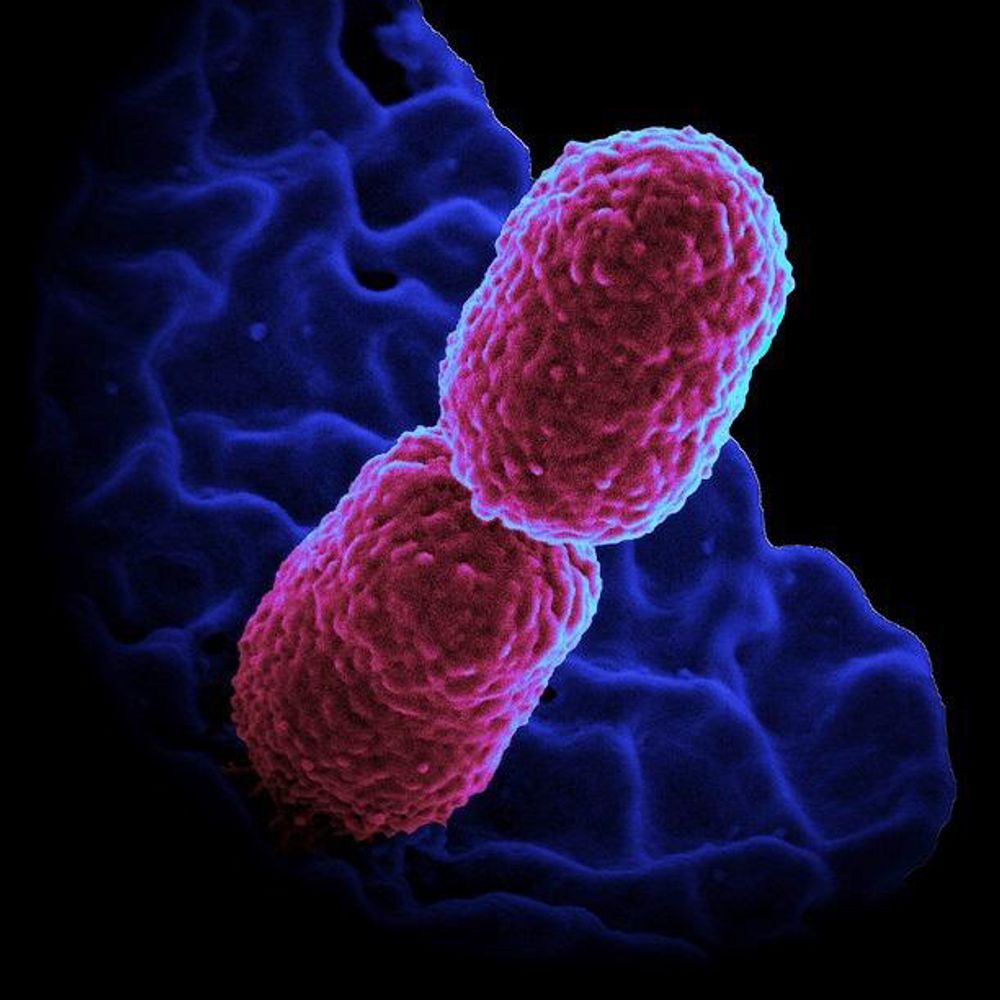
Metabolic cross-talk promotes persistence of Enterococcus in a model of polymicrobial catheter-associated urinary tract infection
https://doi.org/10.1101/2025.11.19.689321
https://doi.org/10.1101/2025.11.19.689321
December 3, 2025 at 3:59 PM
Metabolic cross-talk promotes persistence of Enterococcus in a model of polymicrobial catheter-associated urinary tract infection
https://doi.org/10.1101/2025.11.19.689321
https://doi.org/10.1101/2025.11.19.689321

Do dry surface biofilms explain extraordinary survival properties of Enterococcus? New blog post here: reflectionsipc.com/2025/12/02/d...

Dry surface biofilms explain extraordinary survival properties of Enterococcus
We know that many vegetive bacteria can survive on dry surfaces for longer than you might think. For some Enterococcus species, this capability is nothing short of extraordinary. In one study, Ente…
reflectionsipc.com
December 2, 2025 at 11:28 AM
Do dry surface biofilms explain extraordinary survival properties of Enterococcus? New blog post here: reflectionsipc.com/2025/12/02/d...

'Daptomycin is associated with higher treatment failure rates than alternatives for Enterococcus faecium bloodstream infections in critically ill patients: a multicentric retrospective cohort'
link.springer.com/article/10.1...
link.springer.com/article/10.1...

Daptomycin is associated with higher treatment failure rates than alternatives for Enterococcus faecium bloodstream infections in critically ill patients: a multicentric retrospective cohort - Critica...
Background Enterococcal infections represent 10% of intensive care unit (ICU)-acquired infections and are associated with adverse outcomes, particularly in the case of E. faecium infections. Some stud...
link.springer.com
December 1, 2025 at 3:22 PM
'Daptomycin is associated with higher treatment failure rates than alternatives for Enterococcus faecium bloodstream infections in critically ill patients: a multicentric retrospective cohort'
link.springer.com/article/10.1...
link.springer.com/article/10.1...