



Reposted by Zhaoshan Zhong
After 5 years of sample collection and analysis our paper examining the impacts of an industrial #DeepSea mining trial on seafloor #biodiversity is published! Read here: www.nature.com/articles/s41...

December 5, 2025 at 8:49 AM
After 5 years of sample collection and analysis our paper examining the impacts of an industrial #DeepSea mining trial on seafloor #biodiversity is published! Read here: www.nature.com/articles/s41...
Checkout our latest article about fighting poison with poison found at PLOS: dx.plos.org/10.1371/jour...

A deep-sea hydrothermal vent worm detoxifies arsenic and sulfur by intracellular biomineralization of orpiment (As2S3)
The deep-sea worm Paralvinella hessleri thrives in extreme hydrothermal vents, tolerating high arsenic and hydrogen sulfide levels. This study shows that it detoxifies both by forming orpiment (As₂S₃)...
dx.plos.org
August 27, 2025 at 2:05 AM
Checkout our latest article about fighting poison with poison found at PLOS: dx.plos.org/10.1371/jour...
Reposted by Zhaoshan Zhong

I missed this when it came out last September - excellent essay!
Not-so-mutually beneficial coral symbiosis: Current Biology www.cell.com/current-biol...
Not-so-mutually beneficial coral symbiosis: Current Biology www.cell.com/current-biol...
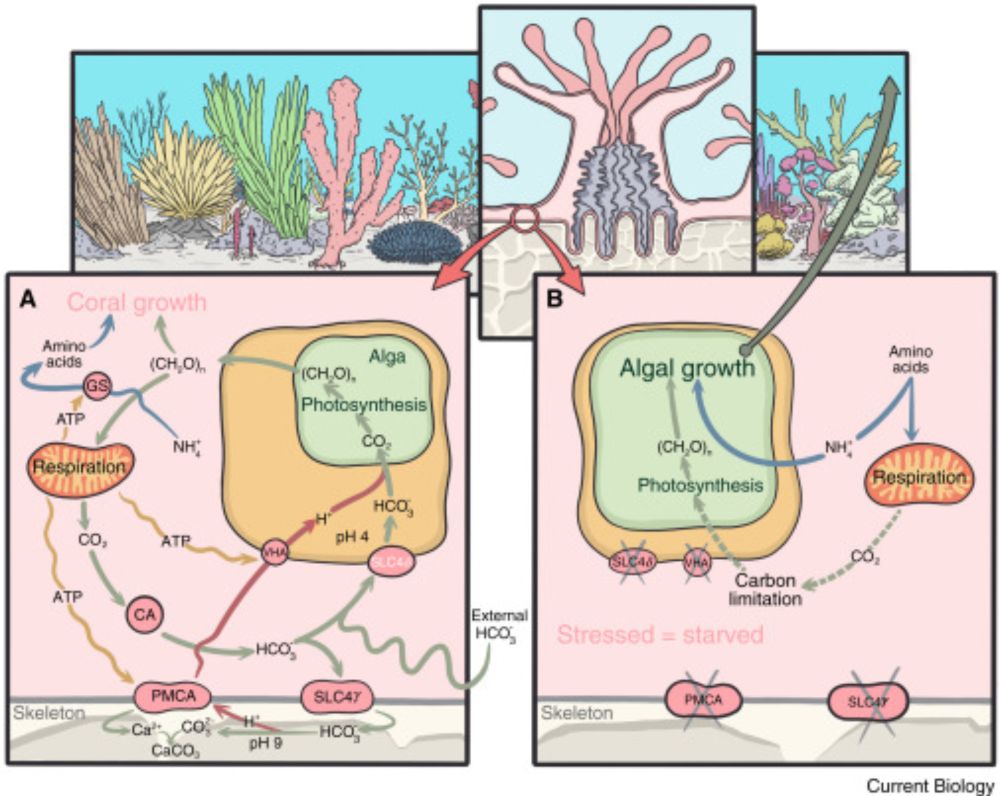
Not-so-mutually beneficial coral symbiosis
The partnership between corals and their intracellular algal symbionts has long been a textbook example of mutually beneficial association. In this essay, Mikhail Matz argues for an updated view in which the coral acts more as a farmer of algal cells to support its own growth.
www.cell.com
August 23, 2025 at 1:24 PM
I missed this when it came out last September - excellent essay!
Not-so-mutually beneficial coral symbiosis: Current Biology www.cell.com/current-biol...
Not-so-mutually beneficial coral symbiosis: Current Biology www.cell.com/current-biol...
Reposted by Zhaoshan Zhong

Scientists have finally pinpointed the cause of a marine die-off of unprecedented scale
go.nature.com/4mvYGmd
go.nature.com/4mvYGmd
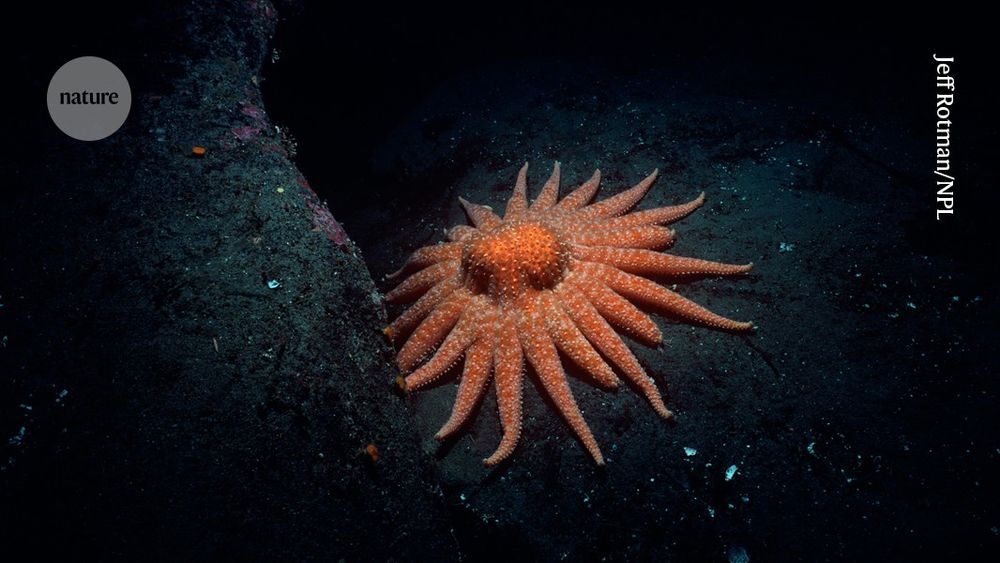
Mystery of billions of sea-star deaths solved at last
Experiments identify a bacterium as the cause of sea-star wasting disease, which has devastated populations along the western coast of North America.
go.nature.com
August 6, 2025 at 7:56 AM
Scientists have finally pinpointed the cause of a marine die-off of unprecedented scale
go.nature.com/4mvYGmd
go.nature.com/4mvYGmd
Reposted by Zhaoshan Zhong
Nature research paper: Flourishing chemosynthetic life at the greatest depths of hadal trenches
go.nature.com/3H1Dg1f
go.nature.com/3H1Dg1f

Flourishing chemosynthetic life at the greatest depths of hadal trenches - Nature
The discovery of chemosynthesis-based benthic communities at depths of 5,800 m to 9,533 m in the Kuril–Kamchatka and western Aleutian trenches challenges traditional perspectives on the energy sources sustaining hadal fauna.
go.nature.com
August 6, 2025 at 10:28 AM
Nature research paper: Flourishing chemosynthetic life at the greatest depths of hadal trenches
go.nature.com/3H1Dg1f
go.nature.com/3H1Dg1f
Reposted by Zhaoshan Zhong
Nature research paper: Whole-genome sequencing of 490,640 UK Biobank participants
go.nature.com/46EtTyW
go.nature.com/46EtTyW

Whole-genome sequencing of 490,640 UK Biobank participants - Nature
A study reports whole-genome sequences for 490,640 participants from the UK Biobank and combines these data with phenotypic data to provide new insights into the relationship between human variation and sequence variation.
go.nature.com
August 6, 2025 at 4:07 PM
Nature research paper: Whole-genome sequencing of 490,640 UK Biobank participants
go.nature.com/46EtTyW
go.nature.com/46EtTyW
Reposted by Zhaoshan Zhong
Reposted by Zhaoshan Zhong

The role of holobiont composition and environmental history in thermotolerance of Tropical Eastern Pacific corals #coral #holobiont #symbionts www.sciencedirect.com/science/arti...

July 14, 2025 at 7:01 AM
The role of holobiont composition and environmental history in thermotolerance of Tropical Eastern Pacific corals #coral #holobiont #symbionts www.sciencedirect.com/science/arti...
Reposted by Zhaoshan Zhong
Nature research paper: Programmable control of spatial transcriptome in live cells and neurons
https://go.nature.com/4mtCWbq
https://go.nature.com/4mtCWbq

Programmable control of spatial transcriptome in live cells and neurons - Nature
CRISPR-TO, a system for programmable control of spatial localization of cellular RNAs, is presented and enables functional investigation of endogenous RNA localization in diverse living cells.
go.nature.com
May 26, 2025 at 9:39 AM
Nature research paper: Programmable control of spatial transcriptome in live cells and neurons
https://go.nature.com/4mtCWbq
https://go.nature.com/4mtCWbq
Reposted by Zhaoshan Zhong
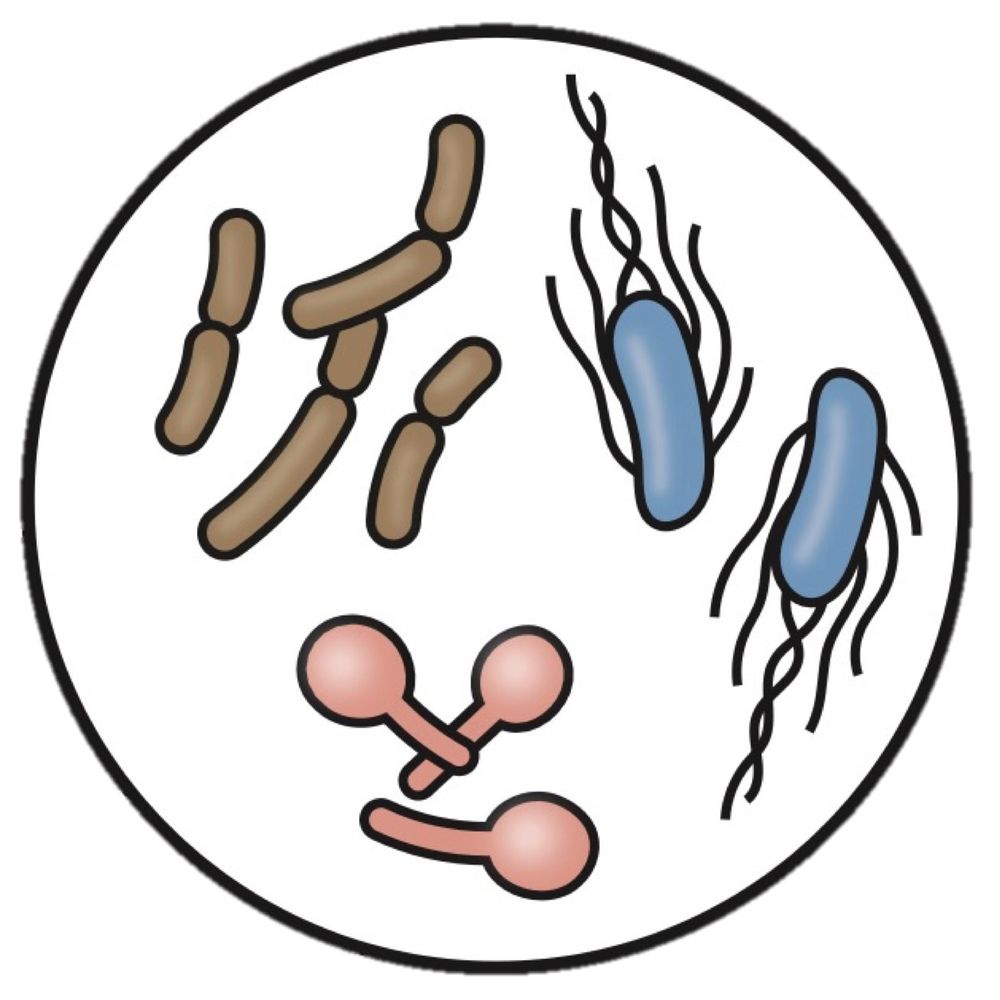
Multiple-omics analyses of the Alviniconcha #holobiont reveal multi-faceted adaptations to deep-sea hydrothermal vents
www.biorxiv.org/content/10.1...
www.biorxiv.org/content/10.1...

Multiple-omics analyses of the Alviniconcha holobiont reveal multi-faceted adaptations to deep-sea hydrothermal vents
Deep-sea hydrothermal vents are ‘extreme’ environments with constantly fluctuating physicochemical conditions – but dense animal aggregations thrive primarily through symbiosis with chemoautotrophic b...
www.biorxiv.org
May 24, 2025 at 12:56 PM
Multiple-omics analyses of the Alviniconcha #holobiont reveal multi-faceted adaptations to deep-sea hydrothermal vents
www.biorxiv.org/content/10.1...
www.biorxiv.org/content/10.1...
Reposted by Zhaoshan Zhong

Reposted by Zhaoshan Zhong
Nature research paper: Spatial multi-omics reveals cell-type-specific nuclear compartments
https://go.nature.com/4jngJJB
https://go.nature.com/4jngJJB

Spatial multi-omics reveals cell-type-specific nuclear compartments - Nature
A genomic barcoding scheme called two-layer DNA seqFISH+ enables the simultaneous mapping of more than 100,000 loci and has been used to identify cell-type-specific subnuclear compartments in the mouse brain.
go.nature.com
April 10, 2025 at 9:47 AM
Nature research paper: Spatial multi-omics reveals cell-type-specific nuclear compartments
https://go.nature.com/4jngJJB
https://go.nature.com/4jngJJB
Reposted by Zhaoshan Zhong

China has announced international cooperation for Mars Sample Return Mission (Tianwen-3). Launch planned ~2028 (!) Samples return to Earth ~2030. Objectives: Life detection, Mars geology, atmosphere studies. www.cnsa.gov.cn/n6758823/n67...

火星取样返回任务(天问三号) 国际合作机遇公告
火星取样返回任务(天问三号)国际合作机遇公告.pdf
www.cnsa.gov.cn
March 23, 2025 at 8:00 PM
China has announced international cooperation for Mars Sample Return Mission (Tianwen-3). Launch planned ~2028 (!) Samples return to Earth ~2030. Objectives: Life detection, Mars geology, atmosphere studies. www.cnsa.gov.cn/n6758823/n67...
So beautiful work for HGT in insect symbioses
Symbiosis and horizontal gene transfer promote herbivory in the megadiverse leaf beetles
www.cell.com/current-biol...
www.cell.com/current-biol...

Symbiosis and horizontal gene transfer promote herbivory in the megadiverse leaf beetles
Leaf beetles are among the most speciose herbivores on earth. Kirsch et al. show that
multiple independent symbiont acquisitions and microbe-to-host horizontal gene transfers
shaped the beetles’ reper...
www.cell.com
March 4, 2025 at 1:35 PM
So beautiful work for HGT in insect symbioses
Reposted by Zhaoshan Zhong
Genomic divergence across the tree of life | PNAS www.pnas.org/doi/full/10....

Genomic divergence across the tree of life | PNAS
Nucleotide sequence data are being harnessed to identify species, even in cases in
which organisms themselves are neither in hand nor witnessed. Bu...
www.pnas.org
March 4, 2025 at 2:46 AM
Genomic divergence across the tree of life | PNAS www.pnas.org/doi/full/10....
Reposted by Zhaoshan Zhong

1/ Our review on sequencing-based #microbiome analysis is in the Dec 24 issue of Nature Reviews Genetics. We explore DNA/RNA-sequencing approaches for studying microbiome structure and function, highlighting the biological insights sequencing-based microbiome research offers.
go.nature.com/3XFqonu
go.nature.com/3XFqonu

Sequencing-based analysis of microbiomes - Nature Reviews Genetics
In this Review, Pinto and Bhatt provide an overview of DNA-sequencing and RNA-sequencing approaches that can be used to study the composition, structure, and function of microbiomes and discuss the bi...
go.nature.com
November 19, 2024 at 3:25 AM
1/ Our review on sequencing-based #microbiome analysis is in the Dec 24 issue of Nature Reviews Genetics. We explore DNA/RNA-sequencing approaches for studying microbiome structure and function, highlighting the biological insights sequencing-based microbiome research offers.
go.nature.com/3XFqonu
go.nature.com/3XFqonu
Amazing
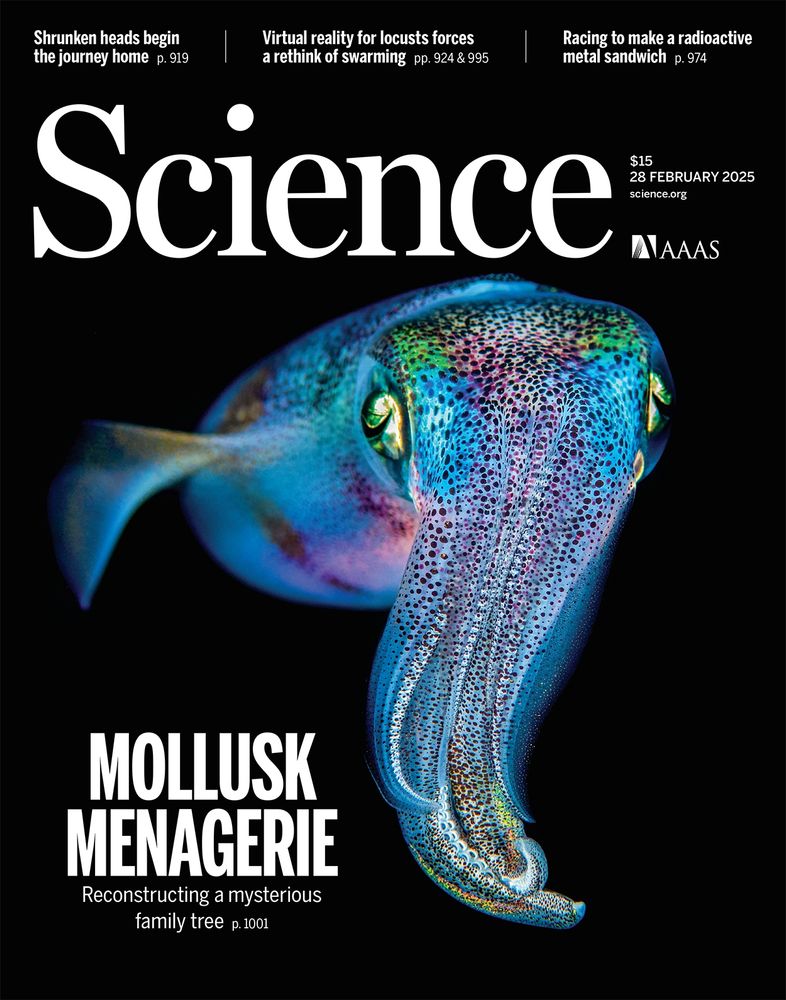
Here is the mollusc tree. (We fixed it, you're welcome.) 😇 @sgn.one @oceanspecies.bsky.social @kmkocot.bsky.social
@squamiferum.bsky.social www.science.org/doi/10.1126/...
@squamiferum.bsky.social www.science.org/doi/10.1126/...
March 3, 2025 at 1:03 AM
Amazing
Reposted by Zhaoshan Zhong
Here is the mollusc tree. (We fixed it, you're welcome.) 😇 @sgn.one @oceanspecies.bsky.social @kmkocot.bsky.social
@squamiferum.bsky.social www.science.org/doi/10.1126/...
@squamiferum.bsky.social www.science.org/doi/10.1126/...
February 27, 2025 at 8:11 PM
Here is the mollusc tree. (We fixed it, you're welcome.) 😇 @sgn.one @oceanspecies.bsky.social @kmkocot.bsky.social
@squamiferum.bsky.social www.science.org/doi/10.1126/...
@squamiferum.bsky.social www.science.org/doi/10.1126/...
Reposted by Zhaoshan Zhong
Fungi made Earth’s land liveable by building networks that released nutrients locked in primordial rock and supplied those nutrients to plant roots
https://go.nature.com/3QLda3z
https://go.nature.com/3QLda3z
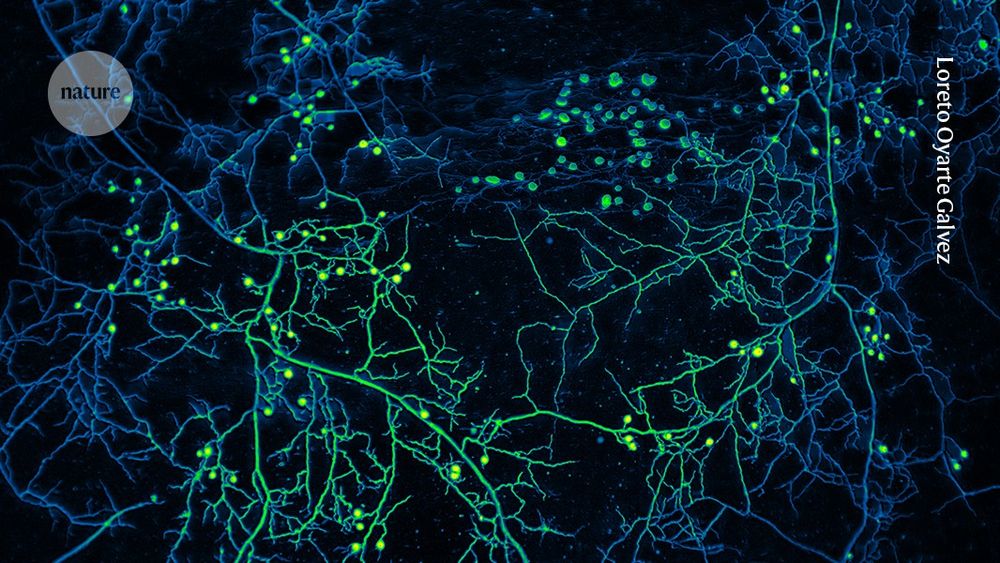
Revealing how fungi build planet-altering ‘road’ networks
Nature - Imaging study reveals how fungal networks are constructed.
go.nature.com
March 2, 2025 at 8:19 PM
Fungi made Earth’s land liveable by building networks that released nutrients locked in primordial rock and supplied those nutrients to plant roots
https://go.nature.com/3QLda3z
https://go.nature.com/3QLda3z
Reposted by Zhaoshan Zhong

Check out the latest issue of The Innovation Geoscience!!!
Volume 3, Issue 1 is now online!
www.the-innovation.org/geoscience/a...
#Geoscience #research #ClimateCrisis #pollution #carbon #emissions #remotesensing #Satelite #paleoclimate #monsoon #drought
Volume 3, Issue 1 is now online!
www.the-innovation.org/geoscience/a...
#Geoscience #research #ClimateCrisis #pollution #carbon #emissions #remotesensing #Satelite #paleoclimate #monsoon #drought

February 25, 2025 at 2:45 AM
Check out the latest issue of The Innovation Geoscience!!!
Volume 3, Issue 1 is now online!
www.the-innovation.org/geoscience/a...
#Geoscience #research #ClimateCrisis #pollution #carbon #emissions #remotesensing #Satelite #paleoclimate #monsoon #drought
Volume 3, Issue 1 is now online!
www.the-innovation.org/geoscience/a...
#Geoscience #research #ClimateCrisis #pollution #carbon #emissions #remotesensing #Satelite #paleoclimate #monsoon #drought
Reposted by Zhaoshan Zhong
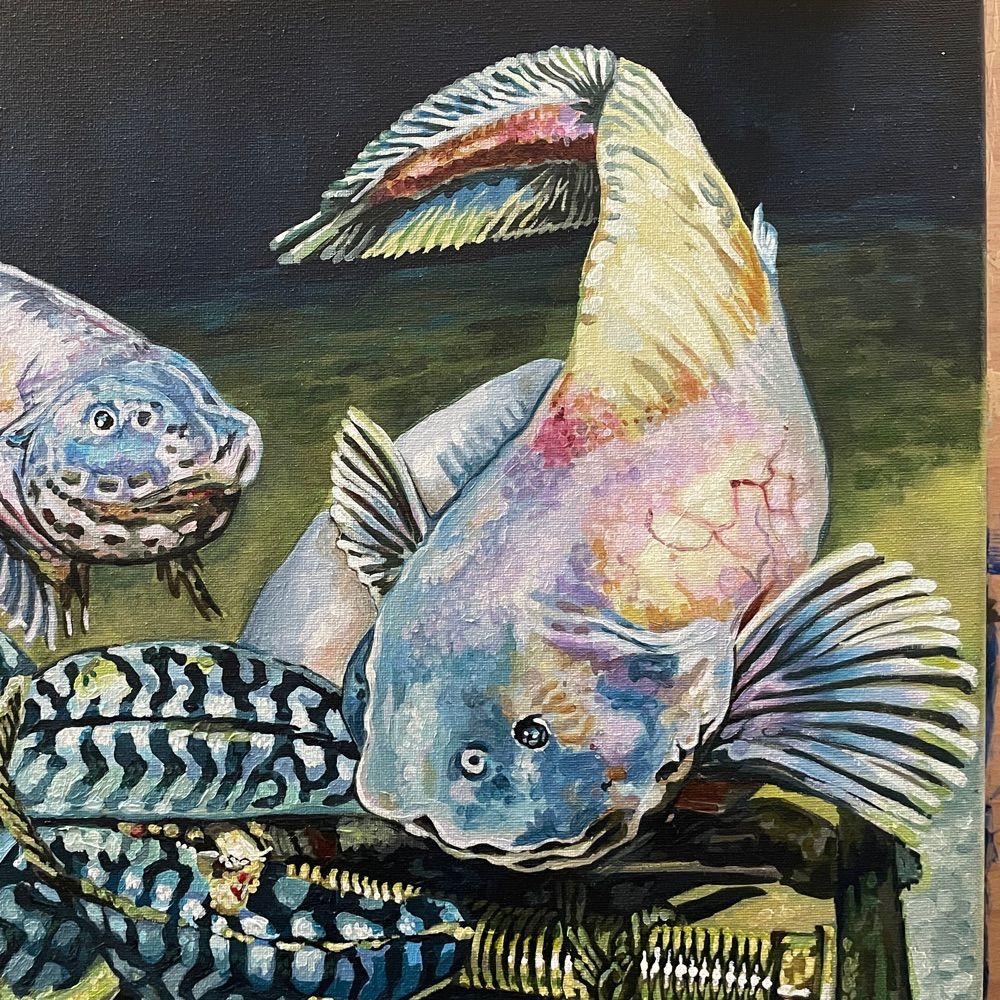
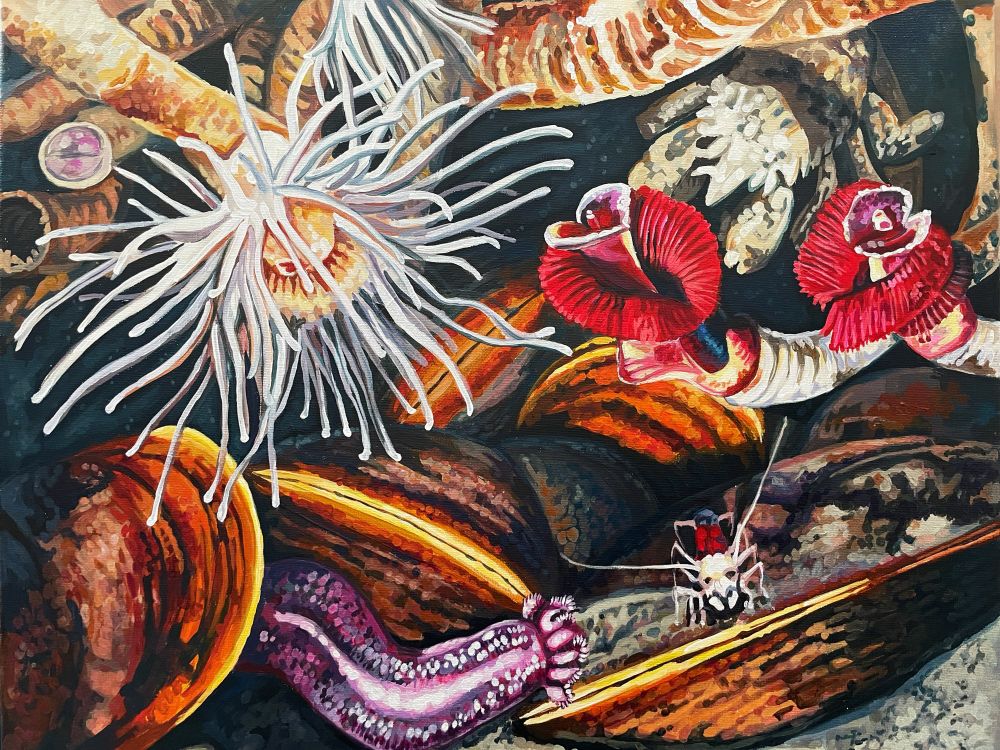
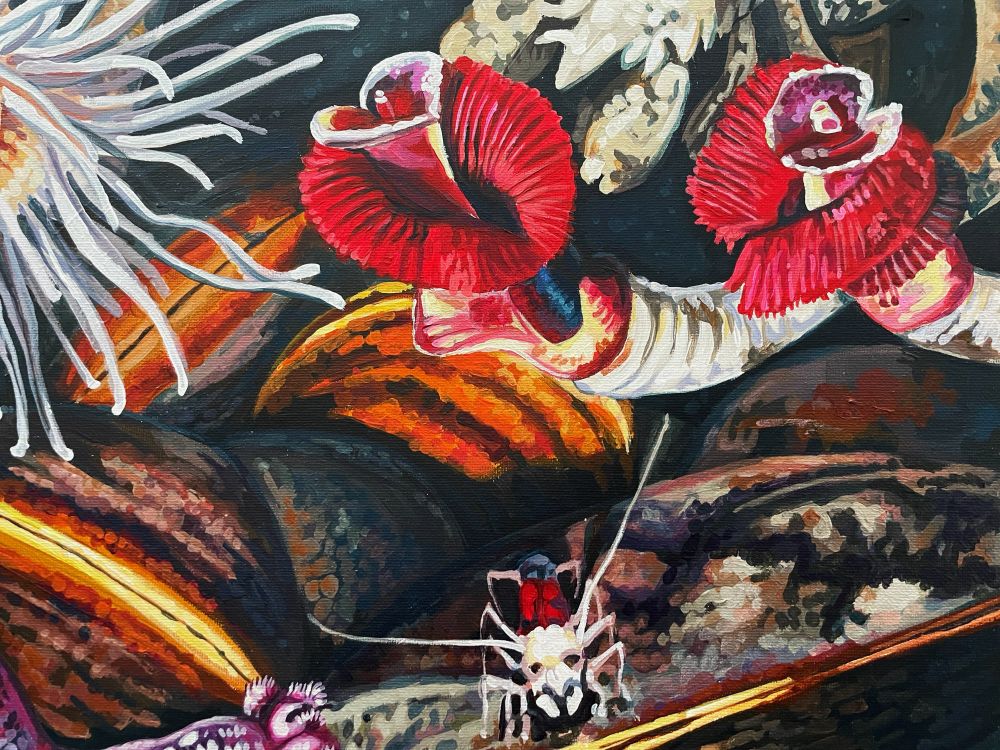
Cold seep community painting- I was thinking this would make a nice back cover for the book. My fav is the anemone because it’s so dramatic and was fun to paint. 16x20 acrylic on canvas
#SciArt #deepsea #deepseacreatures #coldseep #acrylicpainting
#SciArt #deepsea #deepseacreatures #coldseep #acrylicpainting
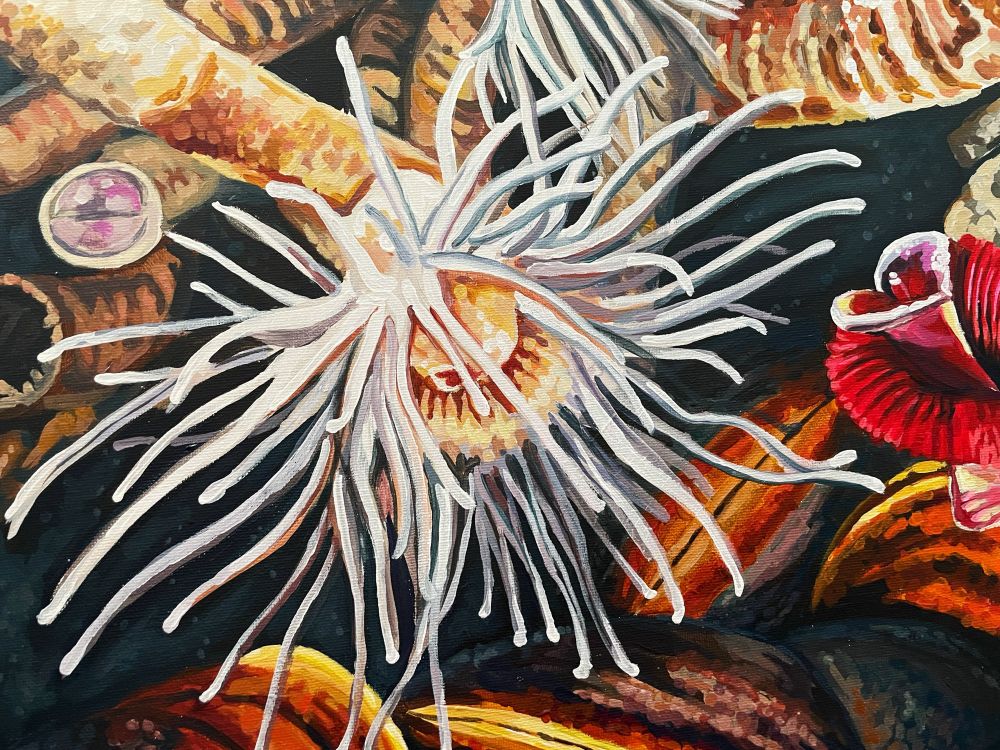
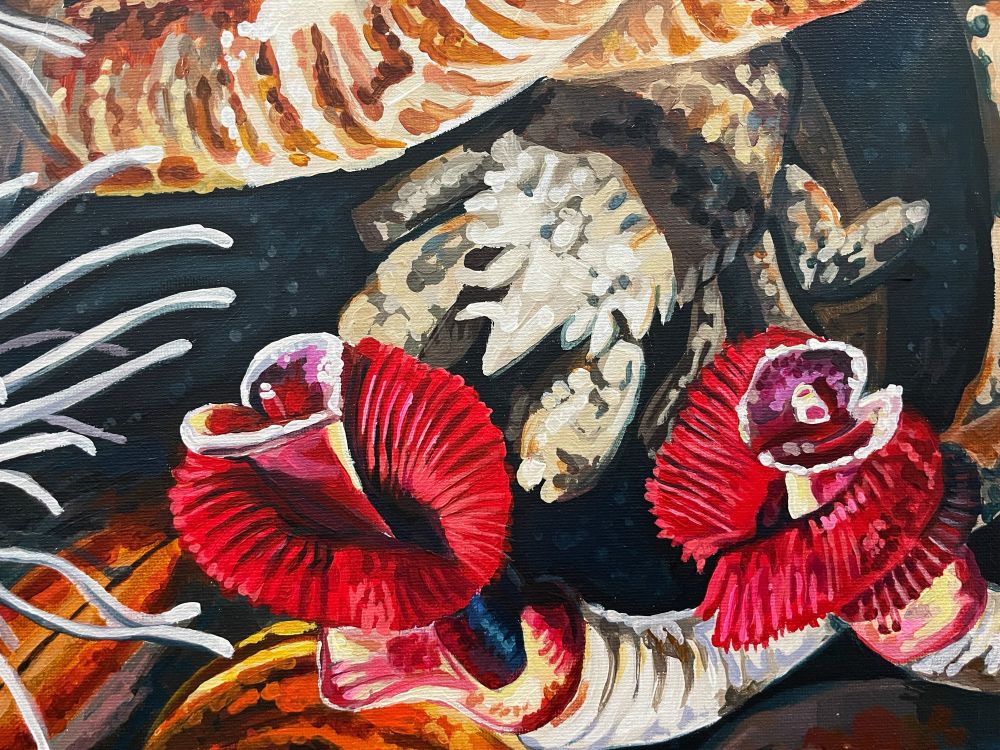
February 19, 2025 at 8:07 PM
Cold seep community painting- I was thinking this would make a nice back cover for the book. My fav is the anemone because it’s so dramatic and was fun to paint. 16x20 acrylic on canvas
#SciArt #deepsea #deepseacreatures #coldseep #acrylicpainting
#SciArt #deepsea #deepseacreatures #coldseep #acrylicpainting

Reposted by Zhaoshan Zhong

Protein codes promote selective subcellular compartmentalization | Science www.science.org/doi/10.1126/...

Protein codes promote selective subcellular compartmentalization
Cells have evolved mechanisms to distribute ~10 billion protein molecules to subcellular compartments where diverse proteins involved in shared functions must assemble. Here, we demonstrate that prote...
www.science.org
February 8, 2025 at 12:22 PM
Protein codes promote selective subcellular compartmentalization | Science www.science.org/doi/10.1126/...
Reposted by Zhaoshan Zhong
Ancient genomes from modern Ukraine and Russia reveal the origins of the Yamna people, pastoralists who migrated from the Eurasian steppe to Europe 5,000 years ago, spreading their ancestry, culture and, probably, language
https://go.nature.com/3Q9klm2
https://go.nature.com/3Q9klm2

Genetic and geographical origins of Eurasia’s influential Yamna culture
Ancient genomes from Ukraine and Russia reveal Yamna origins.
go.nature.com
February 7, 2025 at 9:48 AM
Ancient genomes from modern Ukraine and Russia reveal the origins of the Yamna people, pastoralists who migrated from the Eurasian steppe to Europe 5,000 years ago, spreading their ancestry, culture and, probably, language
https://go.nature.com/3Q9klm2
https://go.nature.com/3Q9klm2
Reposted by Zhaoshan Zhong

A new special issue of Science highlights research on Earth’s frozen places—from the Arctic to the Antarctic—and how it’s changing due to climate change and the geopolitical challenges this important work faces.
Learn more: https://scim.ag/4jPYRID
Learn more: https://scim.ag/4jPYRID

February 6, 2025 at 7:05 PM
A new special issue of Science highlights research on Earth’s frozen places—from the Arctic to the Antarctic—and how it’s changing due to climate change and the geopolitical challenges this important work faces.
Learn more: https://scim.ag/4jPYRID
Learn more: https://scim.ag/4jPYRID