


Rodrigo Reis
@rodrigoreislab.com
A/Professor at UniBern.bsky.social working on posttranscriptional regulation in plant adaptation.
RNA structure; Thermomorphogenesis
www.rodrigoreislab.com 🇧🇷🇦🇺🇦🇷🇨🇭🇮🇳🇨🇳🇪🇨🇮🇷
RNA structure; Thermomorphogenesis
www.rodrigoreislab.com 🇧🇷🇦🇺🇦🇷🇨🇭🇮🇳🇨🇳🇪🇨🇮🇷
Pinned
Rodrigo Reis
@rodrigoreislab.com
· Aug 25

My lab's very first manuscripts are out!!!!
- We identified nearly 60 conserved RNA structures in plastids #chloroplast #RNA
- We found that transcriptional response to warm temperatures in whole seedling is confounded by response at organ level #thermomorphogenesis
Link to both preprints below
- We identified nearly 60 conserved RNA structures in plastids #chloroplast #RNA
- We found that transcriptional response to warm temperatures in whole seedling is confounded by response at organ level #thermomorphogenesis
Link to both preprints below
Reposted by Rodrigo Reis
Wow, we received 10 times more applications than places for the ECR Network Meeting!
The applications are fantastic and we’re already very much looking forward to the event.
We’ll screen applications as quickly as possible. Thanks to everyone who applied!
The applications are fantastic and we’re already very much looking forward to the event.
We’ll screen applications as quickly as possible. Thanks to everyone who applied!
Are you an experienced PhD student or postdoc in plant science looking to connect, present your work, and discuss career paths?
Join us at the 3rd Early Career Plant Researchers Network Meeting, Halle (Saale), 20–21 April 2026
Deadline: 23 January 2026
plant-ecr-networking.eu
Join us at the 3rd Early Career Plant Researchers Network Meeting, Halle (Saale), 20–21 April 2026
Deadline: 23 January 2026
plant-ecr-networking.eu

January 29, 2026 at 6:48 AM
Wow, we received 10 times more applications than places for the ECR Network Meeting!
The applications are fantastic and we’re already very much looking forward to the event.
We’ll screen applications as quickly as possible. Thanks to everyone who applied!
The applications are fantastic and we’re already very much looking forward to the event.
We’ll screen applications as quickly as possible. Thanks to everyone who applied!
Reposted by Rodrigo Reis

www.nature.com/articles/s41...
Polyamines in the regulation of splicing (and potentially transciption dynamics)
From Carracedo lab.
Really cool to see this.
Time to figure out polyamines control molecular homeostasis, especially in the context of aging
Polyamines in the regulation of splicing (and potentially transciption dynamics)
From Carracedo lab.
Really cool to see this.
Time to figure out polyamines control molecular homeostasis, especially in the context of aging

Polyamine-dependent metabolic shielding regulates alternative splicing - Nature
Polyamines prevent the action of kinases on acidic phosphorylatable motifs in spliceosomal proteins, thus providing a mechanism for metabolite-mediated regulation of alternative splicing in cells.
www.nature.com
January 24, 2026 at 7:08 AM
www.nature.com/articles/s41...
Polyamines in the regulation of splicing (and potentially transciption dynamics)
From Carracedo lab.
Really cool to see this.
Time to figure out polyamines control molecular homeostasis, especially in the context of aging
Polyamines in the regulation of splicing (and potentially transciption dynamics)
From Carracedo lab.
Really cool to see this.
Time to figure out polyamines control molecular homeostasis, especially in the context of aging
It's tomorrow!!
📢 Thermomorphogenesis community📢
Our next JC is next week!
** Please note the time change **
Our next JC is next week!
** Please note the time change **
January 19, 2026 at 2:08 PM
It's tomorrow!!
Reposted by Rodrigo Reis

Reposted by Rodrigo Reis
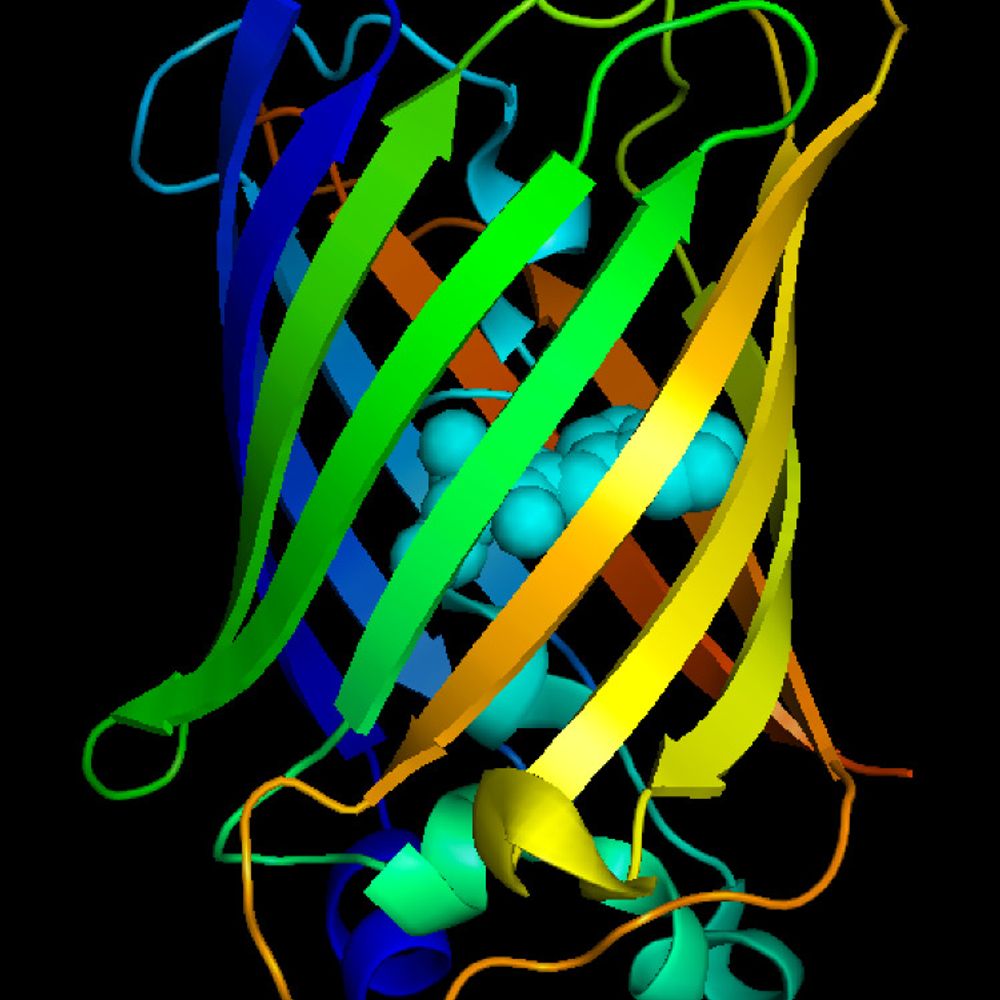
Continuous Hypermutation and Evolution of Luciferase Variants: pubs.acs.org/doi/10.1021/...

Continuous Hypermutation and Evolution of Luciferase Variants
Several luciferases have been developed for imaging and biosensing, and the collection continues to grow as new applications are pursued. The current workflow for luciferase optimization, while successful, remains laborious and inefficient. Mutant libraries are generated in vitro and screened, “winning” mutants are picked by hand, and the isolated sequences are subjected to additional rounds of mutagenesis and screening. Here, we present a streamlined platform for luciferase engineering that removes the need for manual library generation during each cycle. We purposed an orthogonal DNA replication (OrthoRep) system for continuous hypermutation of a well-known luciferase (GeNL). Short cycles of culturing and screening were sufficient to evolve the enzyme, with no repetitive manual library generation necessary. New GeNL variants were identified that exhibit improved light outputs with a noncognate and inexpensive luciferin. We further characterized the novel luciferases in cell models. Collectively this work establishes OrthoRep and continuous hypermutation as a viable method to engineer luciferases, and sets the stage for more rapid development of bioluminescent reporters.
pubs.acs.org
January 16, 2026 at 3:14 PM
Continuous Hypermutation and Evolution of Luciferase Variants: pubs.acs.org/doi/10.1021/...
Reposted by Rodrigo Reis

Save the date: Plant Development PhD school (i.e. Retzbach 2.0) in Neustadt, Germany.
Sept 23rd-25th, 2026
~€350 all inclusive
Excellent speakers and a relaxed atmosphere for early-career researchers (PhDs & postdocs). Registration opens soon.
For more info, see
raissiglab.org/plantdevosch...
Sept 23rd-25th, 2026
~€350 all inclusive
Excellent speakers and a relaxed atmosphere for early-career researchers (PhDs & postdocs). Registration opens soon.
For more info, see
raissiglab.org/plantdevosch...

January 13, 2026 at 12:50 PM
Save the date: Plant Development PhD school (i.e. Retzbach 2.0) in Neustadt, Germany.
Sept 23rd-25th, 2026
~€350 all inclusive
Excellent speakers and a relaxed atmosphere for early-career researchers (PhDs & postdocs). Registration opens soon.
For more info, see
raissiglab.org/plantdevosch...
Sept 23rd-25th, 2026
~€350 all inclusive
Excellent speakers and a relaxed atmosphere for early-career researchers (PhDs & postdocs). Registration opens soon.
For more info, see
raissiglab.org/plantdevosch...
Reposted by Rodrigo Reis

Join the Plant Development PhD school in Germany this Spring! I went there 16 years ago and met amazing people who are now my friends, colleagues, and role models. 🌱
Save the date: Plant Development PhD school (i.e. Retzbach 2.0) in Neustadt, Germany.
Sept 23rd-25th, 2026
~€350 all inclusive
Excellent speakers and a relaxed atmosphere for early-career researchers (PhDs & postdocs). Registration opens soon.
For more info, see
raissiglab.org/plantdevosch...
Sept 23rd-25th, 2026
~€350 all inclusive
Excellent speakers and a relaxed atmosphere for early-career researchers (PhDs & postdocs). Registration opens soon.
For more info, see
raissiglab.org/plantdevosch...
January 14, 2026 at 8:04 AM
Join the Plant Development PhD school in Germany this Spring! I went there 16 years ago and met amazing people who are now my friends, colleagues, and role models. 🌱
📢 Thermomorphogenesis community📢
Our next JC is next week!
** Please note the time change **
Our next JC is next week!
** Please note the time change **

January 12, 2026 at 3:39 PM
📢 Thermomorphogenesis community📢
Our next JC is next week!
** Please note the time change **
Our next JC is next week!
** Please note the time change **
Reposted by Rodrigo Reis
Are you an experienced PhD student or postdoc in plant science looking to connect, present your work, and discuss career paths?
Join us at the 3rd Early Career Plant Researchers Network Meeting, Halle (Saale), 20–21 April 2026
Deadline: 23 January 2026
plant-ecr-networking.eu
Join us at the 3rd Early Career Plant Researchers Network Meeting, Halle (Saale), 20–21 April 2026
Deadline: 23 January 2026
plant-ecr-networking.eu
December 19, 2025 at 2:48 PM
Are you an experienced PhD student or postdoc in plant science looking to connect, present your work, and discuss career paths?
Join us at the 3rd Early Career Plant Researchers Network Meeting, Halle (Saale), 20–21 April 2026
Deadline: 23 January 2026
plant-ecr-networking.eu
Join us at the 3rd Early Career Plant Researchers Network Meeting, Halle (Saale), 20–21 April 2026
Deadline: 23 January 2026
plant-ecr-networking.eu
Reposted by Rodrigo Reis
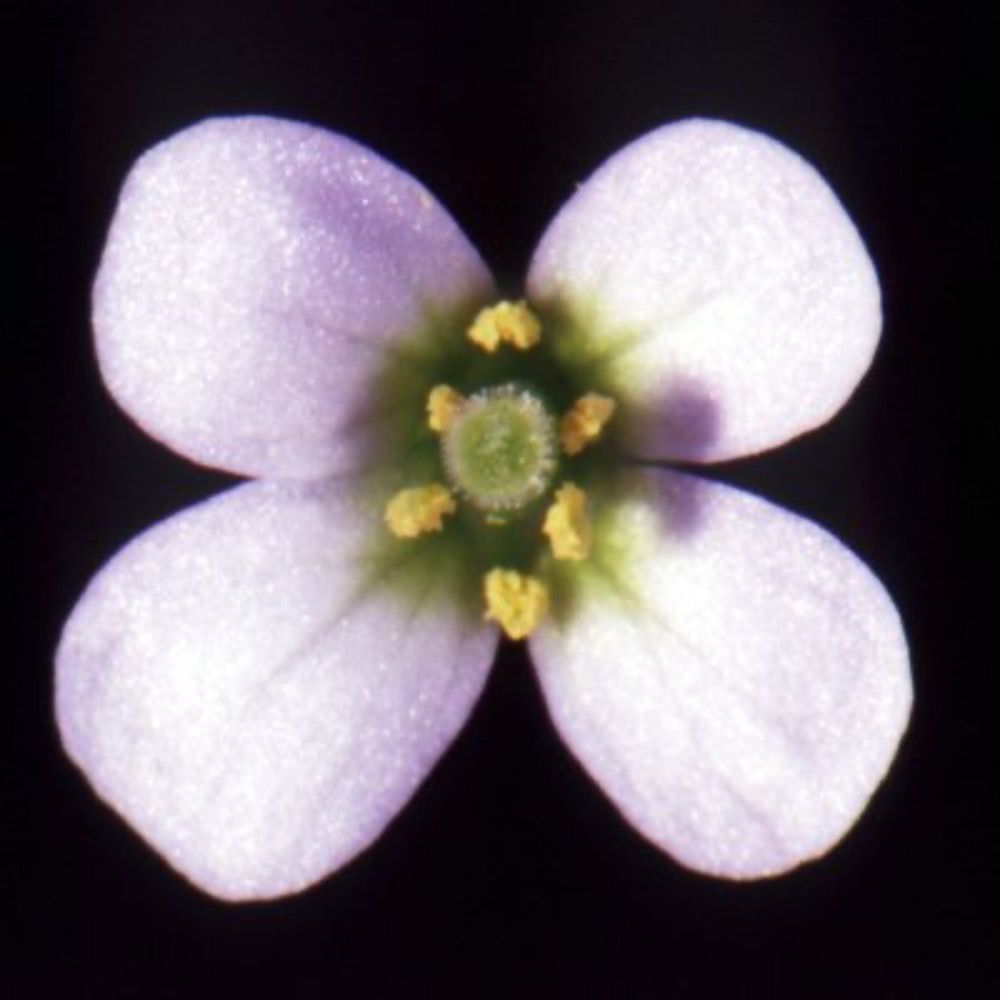
Out after peer review, led by @shanshanwang3.bsky.social.
Gating of immune responses in Arabidopsis mesophyll cells: after initial response, immune gene expression stays hi in some cells, while during PTI other cells reinitiate a growth-related program.
nph.onlinelibrary.wiley.com/doi/10.1111/...
Gating of immune responses in Arabidopsis mesophyll cells: after initial response, immune gene expression stays hi in some cells, while during PTI other cells reinitiate a growth-related program.
nph.onlinelibrary.wiley.com/doi/10.1111/...

January 8, 2026 at 10:59 AM
Out after peer review, led by @shanshanwang3.bsky.social.
Gating of immune responses in Arabidopsis mesophyll cells: after initial response, immune gene expression stays hi in some cells, while during PTI other cells reinitiate a growth-related program.
nph.onlinelibrary.wiley.com/doi/10.1111/...
Gating of immune responses in Arabidopsis mesophyll cells: after initial response, immune gene expression stays hi in some cells, while during PTI other cells reinitiate a growth-related program.
nph.onlinelibrary.wiley.com/doi/10.1111/...

Reposted by Rodrigo Reis
Accessible chromatin enables rapid recruitment of PIFs to induce expression of shade-induced genes! doi.org/10.1186/s130.... Particularly proud of the excellent work of Sandi Paulišić and Alessandra Boccaccini. Many thanks to all authors who made it happen. @unil.bsky.social @fbm-unil.bsky.social

Transcriptional dynamics and chromatin accessibility in the regulation of shade-responsive genes in Arabidopsis - Genome Biology
Background Open chromatin regions host DNA regulatory motifs that are accessible to transcription factors and the transcriptional machinery. In Arabidopsis, responses to light are heavily regulated at...
doi.org
December 15, 2025 at 8:21 PM
Accessible chromatin enables rapid recruitment of PIFs to induce expression of shade-induced genes! doi.org/10.1186/s130.... Particularly proud of the excellent work of Sandi Paulišić and Alessandra Boccaccini. Many thanks to all authors who made it happen. @unil.bsky.social @fbm-unil.bsky.social
It's tomorrow!!
📣 Thermomorphogenesis community 📣
I’m very excited to announce that Zachary (Zack) Nimchuk will present his paper on the regulation of flower production across different temperatures in our next JC!
Don't miss it!
I’m very excited to announce that Zachary (Zack) Nimchuk will present his paper on the regulation of flower production across different temperatures in our next JC!
Don't miss it!

December 8, 2025 at 8:17 AM
It's tomorrow!!
Reposted by Rodrigo Reis

We’ve made some new tools to manipulate N-recognins. Check them out in our preprint.
www.biorxiv.org/content/10.1...
www.biorxiv.org/content/10.1...

November 29, 2025 at 3:24 AM
We’ve made some new tools to manipulate N-recognins. Check them out in our preprint.
www.biorxiv.org/content/10.1...
www.biorxiv.org/content/10.1...
It's next week!
📣 Thermomorphogenesis community 📣
I’m very excited to announce that Zachary (Zack) Nimchuk will present his paper on the regulation of flower production across different temperatures in our next JC!
Don't miss it!
I’m very excited to announce that Zachary (Zack) Nimchuk will present his paper on the regulation of flower production across different temperatures in our next JC!
Don't miss it!
December 2, 2025 at 9:20 AM
It's next week!
Reposted by Rodrigo Reis
New PhD opportunity available in my lab, in collaboration with Betty Chung (Cambridge), focusing on plant RNA viruses and AI-driven design. www.findaphd.com/phds/project...

AI RNA Design for Developing Antiviral Solutions in Sugar Beet (Plant BioDesign JIC project) at University of York on FindAPhD.com
PhD Project - AI RNA Design for Developing Antiviral Solutions in Sugar Beet (Plant BioDesign JIC project) at University of York, listed on FindAPhD.com
www.findaphd.com
November 28, 2025 at 11:36 PM
New PhD opportunity available in my lab, in collaboration with Betty Chung (Cambridge), focusing on plant RNA viruses and AI-driven design. www.findaphd.com/phds/project...
Reposted by Rodrigo Reis

How does messenger RNA (mRNA) get out of the nucleus to become a protein? Eukaryotic mRNA is packaged, exported, and then translated in the cytoplasm. But how do these steps work? And what are open questions? Check out our new review for our take: www.annualreviews.org/content/jour... (1/3)

November 21, 2025 at 5:37 PM
How does messenger RNA (mRNA) get out of the nucleus to become a protein? Eukaryotic mRNA is packaged, exported, and then translated in the cytoplasm. But how do these steps work? And what are open questions? Check out our new review for our take: www.annualreviews.org/content/jour... (1/3)
📣 Thermomorphogenesis community 📣
I’m very excited to announce that Zachary (Zack) Nimchuk will present his paper on the regulation of flower production across different temperatures in our next JC!
Don't miss it!
I’m very excited to announce that Zachary (Zack) Nimchuk will present his paper on the regulation of flower production across different temperatures in our next JC!
Don't miss it!
November 26, 2025 at 8:41 AM
📣 Thermomorphogenesis community 📣
I’m very excited to announce that Zachary (Zack) Nimchuk will present his paper on the regulation of flower production across different temperatures in our next JC!
Don't miss it!
I’m very excited to announce that Zachary (Zack) Nimchuk will present his paper on the regulation of flower production across different temperatures in our next JC!
Don't miss it!
It's today!! Don't miss it!!
📢 Thermomorphogenesis community 📢
I’m very happy to announce that Srinivas Kunta will present his paper on PIFs in tomato thermomorphogenesis, where they show key differences to Arabidopsis PIFs.
I’m very happy to announce that Srinivas Kunta will present his paper on PIFs in tomato thermomorphogenesis, where they show key differences to Arabidopsis PIFs.

November 25, 2025 at 8:05 AM
It's today!! Don't miss it!!
it's next week! don't miss out!
📢 Thermomorphogenesis community 📢
I’m very happy to announce that Srinivas Kunta will present his paper on PIFs in tomato thermomorphogenesis, where they show key differences to Arabidopsis PIFs.
I’m very happy to announce that Srinivas Kunta will present his paper on PIFs in tomato thermomorphogenesis, where they show key differences to Arabidopsis PIFs.
November 17, 2025 at 8:16 AM
it's next week! don't miss out!
Reposted by Rodrigo Reis
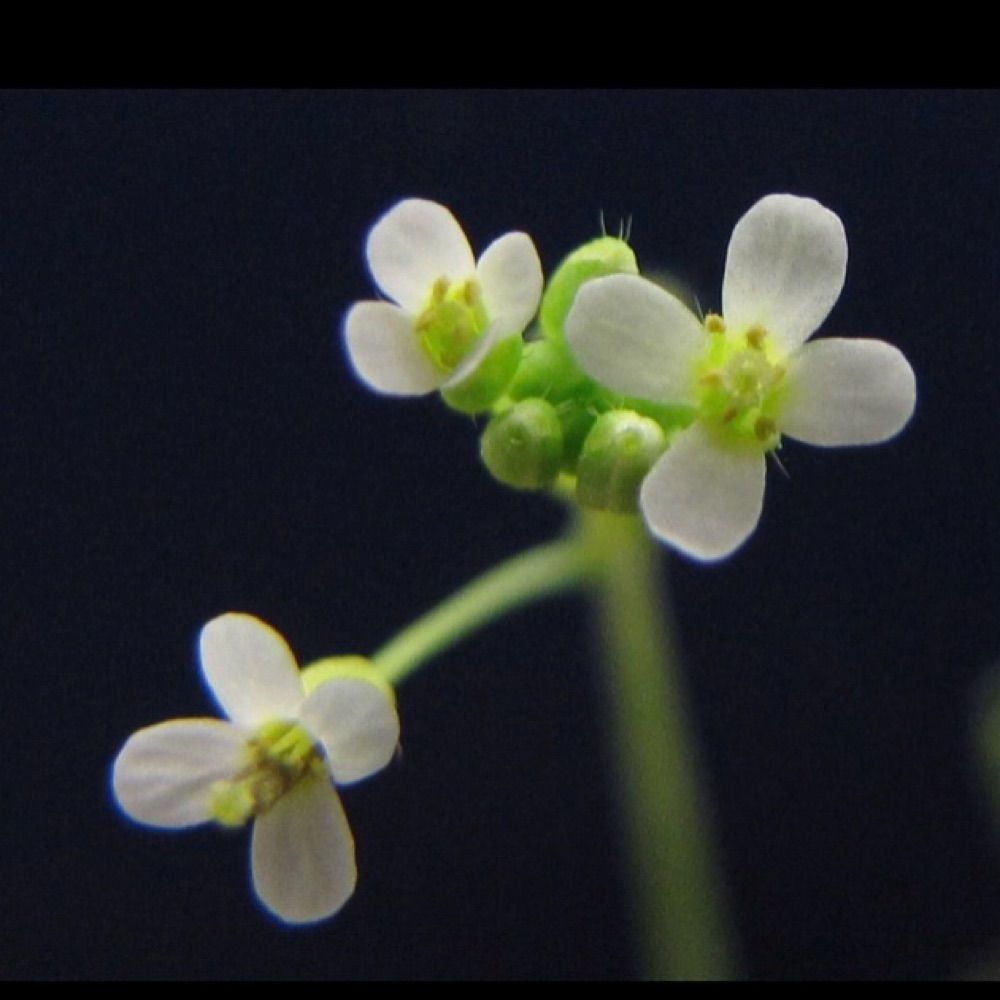
The University of Toulouse has 44 postdoc positions to fill (Horizon Europe MSCA-COFUND). My lab is looking for candidates to apply and work on how plants regulate cell surface levels of receptors or transporters in response to heat. Please DM me if interested!
tiris.univ-toulouse.fr/en/programs/...
tiris.univ-toulouse.fr/en/programs/...
AToUT – TIRIS – Toulouse's Science In and For Society
tiris.univ-toulouse.fr
November 12, 2025 at 3:26 PM
The University of Toulouse has 44 postdoc positions to fill (Horizon Europe MSCA-COFUND). My lab is looking for candidates to apply and work on how plants regulate cell surface levels of receptors or transporters in response to heat. Please DM me if interested!
tiris.univ-toulouse.fr/en/programs/...
tiris.univ-toulouse.fr/en/programs/...
Reposted by Rodrigo Reis
I am beyond thrilled (like the screaming and jumping type of thrilled) that my SNSF Starting Grant was funded. I will start my own lab @unibe.ch next year, studying succulent anatomy development and if and how this anatomy is required for efficient CAM photosynthesis in different Kalanchoë species 🌱


October 31, 2025 at 12:41 PM
I am beyond thrilled (like the screaming and jumping type of thrilled) that my SNSF Starting Grant was funded. I will start my own lab @unibe.ch next year, studying succulent anatomy development and if and how this anatomy is required for efficient CAM photosynthesis in different Kalanchoë species 🌱
Reposted by Rodrigo Reis

We have an open Post Doc position in plant-volatile interactions, starting April 2026. Ideal if you love to use molecular tools to understand the natural world and improve agriculture. Interested? Send your CV, grades, motivation letter and refs (single pdf!) to [email protected]. Please share.
October 21, 2025 at 2:17 PM
We have an open Post Doc position in plant-volatile interactions, starting April 2026. Ideal if you love to use molecular tools to understand the natural world and improve agriculture. Interested? Send your CV, grades, motivation letter and refs (single pdf!) to [email protected]. Please share.
📢 Thermomorphogenesis community 📢
I’m very happy to announce that Srinivas Kunta will present his paper on PIFs in tomato thermomorphogenesis, where they show key differences to Arabidopsis PIFs.
I’m very happy to announce that Srinivas Kunta will present his paper on PIFs in tomato thermomorphogenesis, where they show key differences to Arabidopsis PIFs.
October 20, 2025 at 8:21 AM
📢 Thermomorphogenesis community 📢
I’m very happy to announce that Srinivas Kunta will present his paper on PIFs in tomato thermomorphogenesis, where they show key differences to Arabidopsis PIFs.
I’m very happy to announce that Srinivas Kunta will present his paper on PIFs in tomato thermomorphogenesis, where they show key differences to Arabidopsis PIFs.