



Cydippid ctenophore putting on a sparkle show. @schmidtocean.bsky.social dive 898 #livingbioreactors #MarineLife
February 5, 2026 at 5:16 AM
Cydippid ctenophore putting on a sparkle show. @schmidtocean.bsky.social dive 898 #livingbioreactors #MarineLife

Ctenophore mesoglea: building a mucus-like body https://www.biorxiv.org/content/10.64898/2026.02.02.702917v1
February 4, 2026 at 4:45 PM
Ctenophore mesoglea: building a mucus-like body https://www.biorxiv.org/content/10.64898/2026.02.02.702917v1

Ctenophore mesoglea: building a mucus-like body https://www.biorxiv.org/content/10.64898/2026.02.02.702917v1
February 4, 2026 at 4:45 PM
Ctenophore mesoglea: building a mucus-like body https://www.biorxiv.org/content/10.64898/2026.02.02.702917v1
February 3, 2026 at 5:44 PM

A new Cambrian soft-bodied biota after the first Phanerozoic mass extinction: www.nature.com/articles/s41...
Many non-bilaterian animals including beautiful sponge (panel b, c) and ctenophore (panel d) fossils🤩 🧽🪼.
#sponges #ctenophores #Cambrian
Many non-bilaterian animals including beautiful sponge (panel b, c) and ctenophore (panel d) fossils🤩 🧽🪼.
#sponges #ctenophores #Cambrian

January 29, 2026 at 12:31 PM
A new Cambrian soft-bodied biota after the first Phanerozoic mass extinction: www.nature.com/articles/s41...
Many non-bilaterian animals including beautiful sponge (panel b, c) and ctenophore (panel d) fossils🤩 🧽🪼.
#sponges #ctenophores #Cambrian
Many non-bilaterian animals including beautiful sponge (panel b, c) and ctenophore (panel d) fossils🤩 🧽🪼.
#sponges #ctenophores #Cambrian

I'm being silly, but it's *also* an open question, tied to the open question in the Nature article. From what I remember, ctenophore neural systems have some key differences (in, eg., neurotransmitters) from everyone else.
January 28, 2026 at 4:41 AM
I'm being silly, but it's *also* an open question, tied to the open question in the Nature article. From what I remember, ctenophore neural systems have some key differences (in, eg., neurotransmitters) from everyone else.

I'm also of the opinion that when robust phylogenetic theory is applied to the question, there is no question that the ctenophore sister hypothesis is overwhelmingly supported by available data.
January 28, 2026 at 3:01 AM
I'm also of the opinion that when robust phylogenetic theory is applied to the question, there is no question that the ctenophore sister hypothesis is overwhelmingly supported by available data.
Oops, they whooshed the ctenophore
@schmidtocean.bsky.social dive 895 #livingbioreactors #MarineLife
@schmidtocean.bsky.social dive 895 #livingbioreactors #MarineLife
January 26, 2026 at 2:35 PM
Oops, they whooshed the ctenophore
@schmidtocean.bsky.social dive 895 #livingbioreactors #MarineLife
@schmidtocean.bsky.social dive 895 #livingbioreactors #MarineLife

This is an animal. And it’s not a jellyfish.
It’s a comb jelly (ctenophore), one of the most ancient animals on Earth.
And yes… it makes its own light. Many comb jellies actually produce bioluminescent flashes when disturbed
#ocean #animals #scuba #photography #nature #jellyfish
It’s a comb jelly (ctenophore), one of the most ancient animals on Earth.
And yes… it makes its own light. Many comb jellies actually produce bioluminescent flashes when disturbed
#ocean #animals #scuba #photography #nature #jellyfish

January 25, 2026 at 11:21 PM
This is an animal. And it’s not a jellyfish.
It’s a comb jelly (ctenophore), one of the most ancient animals on Earth.
And yes… it makes its own light. Many comb jellies actually produce bioluminescent flashes when disturbed
#ocean #animals #scuba #photography #nature #jellyfish
It’s a comb jelly (ctenophore), one of the most ancient animals on Earth.
And yes… it makes its own light. Many comb jellies actually produce bioluminescent flashes when disturbed
#ocean #animals #scuba #photography #nature #jellyfish

If the ID is correct, you can read more about this cool ctenophore at www.mdpi.com/1424-2818/17...
www.mdpi.com
January 25, 2026 at 5:26 AM
If the ID is correct, you can read more about this cool ctenophore at www.mdpi.com/1424-2818/17...
Ctenophore (maybe Aulacoctena) @schmidtocean.bsky.social Dive 387 FK200802 Ribbon Reefs Canyon 170km northeast of Cairns #visioningcoralsea #ozoceans2020 #MarineLife
January 24, 2026 at 2:45 AM
Ctenophore (maybe Aulacoctena) @schmidtocean.bsky.social Dive 387 FK200802 Ribbon Reefs Canyon 170km northeast of Cairns #visioningcoralsea #ozoceans2020 #MarineLife

A comb-jellyfish, or Ctenophore, was pushed up against the shore near UCSB by winds one season when all sorts of open-ocean organisms got stranded. This one has small tear near the comb-plates. Ctenophores can coordinate their swimming in ways that jellyfish cannot.

January 23, 2026 at 3:31 PM
A comb-jellyfish, or Ctenophore, was pushed up against the shore near UCSB by winds one season when all sorts of open-ocean organisms got stranded. This one has small tear near the comb-plates. Ctenophores can coordinate their swimming in ways that jellyfish cannot.

I'm making a weird Ctenophore two part sona
Ref sheet is coming :3
Ref sheet is coming :3
January 13, 2026 at 4:47 AM
I'm making a weird Ctenophore two part sona
Ref sheet is coming :3
Ref sheet is coming :3
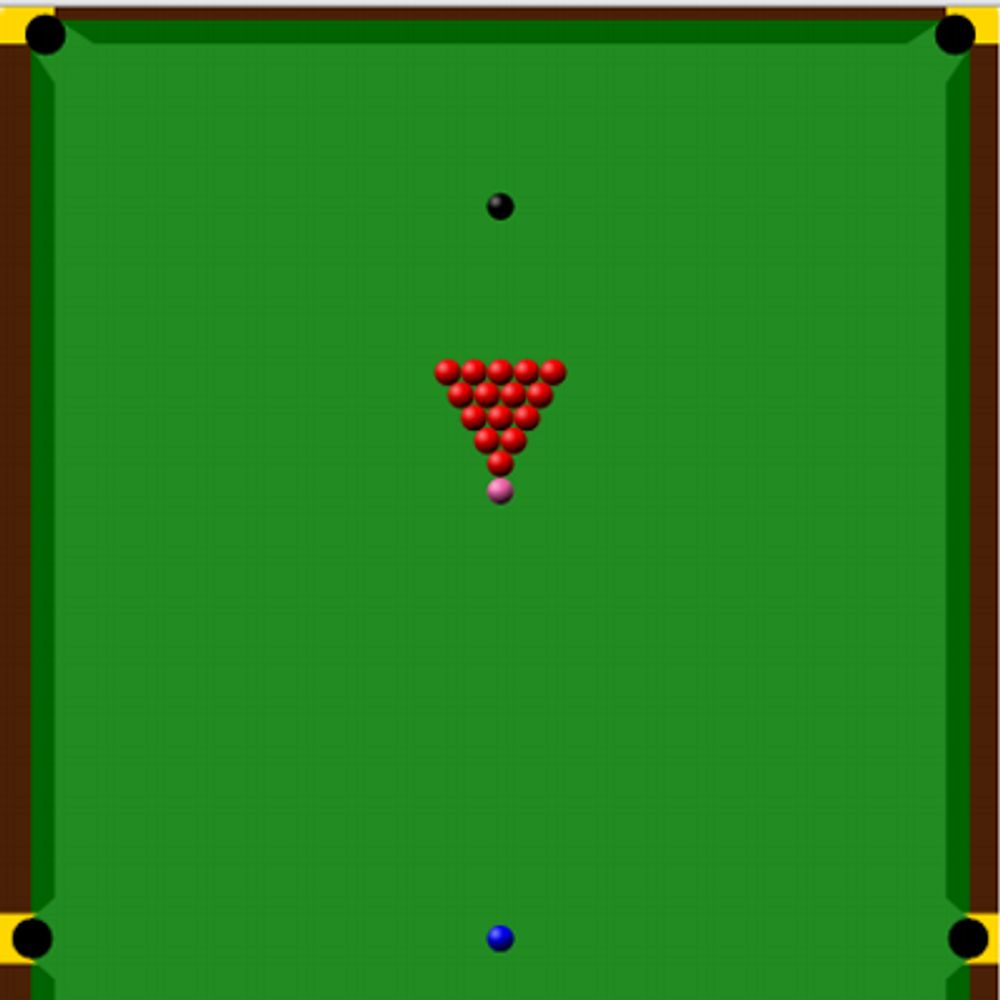
the ancestral proto-neuron could then have been adapted to coordinating ciliary locomotion a la recent work on the ctenophore aboral nerve net (elifesciences.org/reviewed-pre... )…also inspired by that review by @antihebbiann.bsky.social (www.kennedylab.org/_files/ugd/6...)
January 10, 2026 at 10:11 PM
the ancestral proto-neuron could then have been adapted to coordinating ciliary locomotion a la recent work on the ctenophore aboral nerve net (elifesciences.org/reviewed-pre... )…also inspired by that review by @antihebbiann.bsky.social (www.kennedylab.org/_files/ugd/6...)
I had been assuming that stem ctenophores were benthic/sessile because of the alleged ctenophore affinity of dinomischids, but that's disputed…what if the metazoan LCA was actually pelagic? and then the biphasic benthic adult/pelagic larva setup only evolved along the "myriazoan" stem…
January 10, 2026 at 10:06 PM
I had been assuming that stem ctenophores were benthic/sessile because of the alleged ctenophore affinity of dinomischids, but that's disputed…what if the metazoan LCA was actually pelagic? and then the biphasic benthic adult/pelagic larva setup only evolved along the "myriazoan" stem…

In this house we’re ctenophore-sister. Great work here…
Our eLetter github.com/caseywdunn/s... responding to a recent Science paper was just posted. The paper found more genes with consistent support for sponge-sister than ctenophore-sister. We found several technical issues that, when corrected, reverse the conclusions and recover ctenophore-sister.

January 10, 2026 at 12:27 AM
In this house we’re ctenophore-sister. Great work here…

Another responses to the recent sponge/ctenophore paper in Science. . .also worth a read!
Our eLetter github.com/caseywdunn/s... responding to a recent Science paper was just posted. The paper found more genes with consistent support for sponge-sister than ctenophore-sister. We found several technical issues that, when corrected, reverse the conclusions and recover ctenophore-sister.
January 9, 2026 at 11:12 PM
Another responses to the recent sponge/ctenophore paper in Science. . .also worth a read!
The re-analysis of this #sponge #ctenophore study made me realize how important it is to really *look* at your data.
Their filtering pipeline was meant to retain "strong" genes, but many of them had NO ctenophores and most had polyphyletic sponges.
Time to put down the pitchforks for a while.
Their filtering pipeline was meant to retain "strong" genes, but many of them had NO ctenophores and most had polyphyletic sponges.
Time to put down the pitchforks for a while.
Our eLetter github.com/caseywdunn/s... responding to a recent Science paper was just posted. The paper found more genes with consistent support for sponge-sister than ctenophore-sister. We found several technical issues that, when corrected, reverse the conclusions and recover ctenophore-sister.
January 9, 2026 at 4:52 PM
The re-analysis of this #sponge #ctenophore study made me realize how important it is to really *look* at your data.
Their filtering pipeline was meant to retain "strong" genes, but many of them had NO ctenophores and most had polyphyletic sponges.
Time to put down the pitchforks for a while.
Their filtering pipeline was meant to retain "strong" genes, but many of them had NO ctenophores and most had polyphyletic sponges.
Time to put down the pitchforks for a while.

ctenophore/comb jelly!
January 9, 2026 at 3:28 PM
ctenophore/comb jelly!
That settles it*. I'm on cteam ctenophore firsct.
*For now.
*For now.
January 9, 2026 at 3:21 PM
That settles it*. I'm on cteam ctenophore firsct.
*For now.
*For now.
This study examines a fossil assemblage with seven Hallucigenia stacked on the ctenophore Xanioascus. The lack of grasping, masticatory, or piercing mouthparts in Hallucigenia suggests that they used suction feeding to eat the gelatinous carcass, similar to how today's pycnogonids (sea spiders) eat.

January 9, 2026 at 12:42 PM
This study examines a fossil assemblage with seven Hallucigenia stacked on the ctenophore Xanioascus. The lack of grasping, masticatory, or piercing mouthparts in Hallucigenia suggests that they used suction feeding to eat the gelatinous carcass, similar to how today's pycnogonids (sea spiders) eat.

Our eLetter github.com/caseywdunn/s... responding to a recent Science paper was just posted. The paper found more genes with consistent support for sponge-sister than ctenophore-sister. We found several technical issues that, when corrected, reverse the conclusions and recover ctenophore-sister.
January 9, 2026 at 11:44 AM
Our eLetter github.com/caseywdunn/s... responding to a recent Science paper was just posted. The paper found more genes with consistent support for sponge-sister than ctenophore-sister. We found several technical issues that, when corrected, reverse the conclusions and recover ctenophore-sister.

This is a beautiful, hypnotising bit of footage of a lobate ctenophore from @schmidtocean.bsky.social 🧪 🦑
#MarineLife.
And no, it's not a jellyfish, it's a comb jelly
#MarineLife.
And no, it's not a jellyfish, it's a comb jelly
Here's another great image of it with the lobes open. Those are so delicate. I can't imagine how difficult they are to film like this. @schmidtocean.bsky.social dive 651 #sepacificseamounts #MarineLife
January 8, 2026 at 1:14 PM
This is a beautiful, hypnotising bit of footage of a lobate ctenophore from @schmidtocean.bsky.social 🧪 🦑
#MarineLife.
And no, it's not a jellyfish, it's a comb jelly
#MarineLife.
And no, it's not a jellyfish, it's a comb jelly
January 8, 2026 at 11:55 AM
January 8, 2026 at 11:46 AM