



Fungi got even more fascinating in 2025; zombie ants, plastic-eaters, bamboo aliens, and rust parasites. Check out the latest #FEMSmicroBlog that both captivated (and horrified) us in 2025: buff.ly/2qzregO
#NewMicrobes
#NewMicrobes

December 17, 2025 at 11:01 AM
Fungi got even more fascinating in 2025; zombie ants, plastic-eaters, bamboo aliens, and rust parasites. Check out the latest #FEMSmicroBlog that both captivated (and horrified) us in 2025: buff.ly/2qzregO
#NewMicrobes
#NewMicrobes

indeed, 𝘙𝘶𝘨𝘰𝘴𝘪𝘵𝘢𝘭𝘦𝘢 𝘰𝘳𝘺𝘻𝘢𝘦 looke like fusilli, which are notably better at holding on salsa di pomodoro than spaghetti... and as pasta addicts, we fell instantly in love with the shape of this newly described alphaproteo from the Rhizobiales 🤭
#MicroSky
#MicroSky


December 10, 2025 at 7:52 PM
indeed, 𝘙𝘶𝘨𝘰𝘴𝘪𝘵𝘢𝘭𝘦𝘢 𝘰𝘳𝘺𝘻𝘢𝘦 looke like fusilli, which are notably better at holding on salsa di pomodoro than spaghetti... and as pasta addicts, we fell instantly in love with the shape of this newly described alphaproteo from the Rhizobiales 🤭
#MicroSky
#MicroSky
Yeast-based ethanol production is one of the largest biotechnological industries, always calling for new ways to optimise efficiency.
This #FEMSmicroBlog explains two engineering strategies in a single yeast strain to boost the production of bioethanol. #FascinatingMicrobes
This #FEMSmicroBlog explains two engineering strategies in a single yeast strain to boost the production of bioethanol. #FascinatingMicrobes

#FEMSmicroBlog: Optimizing the production of ethanol in Saccharomyces cerevisiae
This #FEMSmicroBlog explains two engineering strategies in a single yeast strain to boost the production of bioethanol. #FascinatingMicrobes
buff.ly
October 14, 2025 at 8:29 AM
Yeast-based ethanol production is one of the largest biotechnological industries, always calling for new ways to optimise efficiency.
This #FEMSmicroBlog explains two engineering strategies in a single yeast strain to boost the production of bioethanol. #FascinatingMicrobes
This #FEMSmicroBlog explains two engineering strategies in a single yeast strain to boost the production of bioethanol. #FascinatingMicrobes
The microbial communities of freshwater adapt rapidly to changing environmental conditions such as chemical pollution. 🦠
This #FEMSmicroBlog explores whether microbial communities could serve as early warning indicators of pollution in aquatic ecosystems. #FascinatingMicrobes
buff.ly/QwMy9J7
This #FEMSmicroBlog explores whether microbial communities could serve as early warning indicators of pollution in aquatic ecosystems. #FascinatingMicrobes
buff.ly/QwMy9J7
July 29, 2025 at 8:18 AM
The microbial communities of freshwater adapt rapidly to changing environmental conditions such as chemical pollution. 🦠
This #FEMSmicroBlog explores whether microbial communities could serve as early warning indicators of pollution in aquatic ecosystems. #FascinatingMicrobes
buff.ly/QwMy9J7
This #FEMSmicroBlog explores whether microbial communities could serve as early warning indicators of pollution in aquatic ecosystems. #FascinatingMicrobes
buff.ly/QwMy9J7
The endemic and almost extinct reptile tuatara relies on its gut microbes like any other organism. 🦎
Carmen Hoffbeck explains on this #FEMSmicroBlog how studying this animal's gut microbiome helps us learn more about how they interact with their environment. #FascinatingMicrobes 🦠
Carmen Hoffbeck explains on this #FEMSmicroBlog how studying this animal's gut microbiome helps us learn more about how they interact with their environment. #FascinatingMicrobes 🦠
buff.ly
February 11, 2025 at 8:55 AM
The endemic and almost extinct reptile tuatara relies on its gut microbes like any other organism. 🦎
Carmen Hoffbeck explains on this #FEMSmicroBlog how studying this animal's gut microbiome helps us learn more about how they interact with their environment. #FascinatingMicrobes 🦠
Carmen Hoffbeck explains on this #FEMSmicroBlog how studying this animal's gut microbiome helps us learn more about how they interact with their environment. #FascinatingMicrobes 🦠
The Russian flu pandemic might have been a coronavirus pandemic - a story picked up in a German scientific documentary.🎥
In this #FEMSmicroBlog, Harald Brüssow discusses the links between the two viral pandemics and his experience as a consultant for media outlets. #TheCulturePlate
In this #FEMSmicroBlog, Harald Brüssow discusses the links between the two viral pandemics and his experience as a consultant for media outlets. #TheCulturePlate
#FEMSmicroBlog: Science goes media with the planet of viruses
In this #FEMSmicroBlog, Harald Brüssow discusses the links between the two viral pandemics and his experience as a consultant for media outlets. #TheCulturePlate
buff.ly
April 15, 2025 at 7:50 AM
The Russian flu pandemic might have been a coronavirus pandemic - a story picked up in a German scientific documentary.🎥
In this #FEMSmicroBlog, Harald Brüssow discusses the links between the two viral pandemics and his experience as a consultant for media outlets. #TheCulturePlate
In this #FEMSmicroBlog, Harald Brüssow discusses the links between the two viral pandemics and his experience as a consultant for media outlets. #TheCulturePlate
Microbes have great potential to provide us with sustainable alternatives to fossil fuels. 🦠
This new #FEMSmicroBlog explores a bacterial co-culture with a magnetic twist to optimise bioalcohol production. #FascinatingMicrobes
This new #FEMSmicroBlog explores a bacterial co-culture with a magnetic twist to optimise bioalcohol production. #FascinatingMicrobes
#FEMSmicroBlog: Bacteria and magnets - a combo for increased carbon recovery
This new #FEMSmicroBlog explores a bacterial co-culture with a magnetic twist to optimise bioalcohol production. #FascinatingMicrobes
buff.ly
November 19, 2025 at 8:00 AM
Microbes have great potential to provide us with sustainable alternatives to fossil fuels. 🦠
This new #FEMSmicroBlog explores a bacterial co-culture with a magnetic twist to optimise bioalcohol production. #FascinatingMicrobes
This new #FEMSmicroBlog explores a bacterial co-culture with a magnetic twist to optimise bioalcohol production. #FascinatingMicrobes

A really nice reads about bacteria described in 2025!
#FEMSmicroblog
#FEMSmicroblog
As 2025 wraps up, we’re looking back at some of the most intriguing microbes that made their scientific debut this year. This blog highlights standout bacterial species that caught our eye. Read the full #FEMSmicroBlog: buff.ly/2wz7k16
#NewMicrobes
#NewMicrobes

December 10, 2025 at 4:30 PM
A really nice reads about bacteria described in 2025!
#FEMSmicroblog
#FEMSmicroblog

I have started contributing to the #MicrobiologyInArt section of #FEMSmicroBlog (by FEMS).
In my first post, I tried to find out why microbiology comics are so popular now — and why more and more people engage in this area?
fems-microbiology.org/femsmicroblo...
In my first post, I tried to find out why microbiology comics are so popular now — and why more and more people engage in this area?
fems-microbiology.org/femsmicroblo...

#FEMSmicroBlog: Microbiology going comic - FEMS
For a while, educational microbiology was found in textbooks. Gladly, it transformed into new forms, such as microbiology-related comics.
fems-microbiology.org
March 21, 2024 at 9:02 PM
I have started contributing to the #MicrobiologyInArt section of #FEMSmicroBlog (by FEMS).
In my first post, I tried to find out why microbiology comics are so popular now — and why more and more people engage in this area?
fems-microbiology.org/femsmicroblo...
In my first post, I tried to find out why microbiology comics are so popular now — and why more and more people engage in this area?
fems-microbiology.org/femsmicroblo...
Microbial communities of grapevines vary between wine regions, grape variety, climate, geography and vineyard practices. 🍇
This #FEMSmicroBlog explains how the well-adapted yeast species Hanseniaspora shapes grape fermentation and thus the final wine product. #FascinatingMicrobes
This #FEMSmicroBlog explains how the well-adapted yeast species Hanseniaspora shapes grape fermentation and thus the final wine product. #FascinatingMicrobes

#FEMSmicroBlog: Revealing the hidden diversity of wine yeasts
This #FEMSmicroBlog explains how the well-adapted yeast species Hanseniaspora shapes grape fermentation and thus the final wine product. #FascinatingMicrobes
buff.ly
September 16, 2025 at 8:28 AM
Microbial communities of grapevines vary between wine regions, grape variety, climate, geography and vineyard practices. 🍇
This #FEMSmicroBlog explains how the well-adapted yeast species Hanseniaspora shapes grape fermentation and thus the final wine product. #FascinatingMicrobes
This #FEMSmicroBlog explains how the well-adapted yeast species Hanseniaspora shapes grape fermentation and thus the final wine product. #FascinatingMicrobes
Even though all life shares the same carbon metabolism, gluconeogenic enzymes are more conserved in archaea and bacteria than glycolytic enzymes.
Read in #FEMSmicroBlog why the metabolic pathway of glycolysis likely arose from gluconeogenesis in autotrophs. #FascinatingMicrobes
Read in #FEMSmicroBlog why the metabolic pathway of glycolysis likely arose from gluconeogenesis in autotrophs. #FascinatingMicrobes
#FEMSmicroBlog: Evolutionary insights into the bacterial carbon metabolism
Read in our #FEMSmicroBlog why it seems likely that the metabolic pathway of glycolysis arose from gluconeogenesis in autotrophs.
buff.ly
November 12, 2025 at 8:45 AM
Even though all life shares the same carbon metabolism, gluconeogenic enzymes are more conserved in archaea and bacteria than glycolytic enzymes.
Read in #FEMSmicroBlog why the metabolic pathway of glycolysis likely arose from gluconeogenesis in autotrophs. #FascinatingMicrobes
Read in #FEMSmicroBlog why the metabolic pathway of glycolysis likely arose from gluconeogenesis in autotrophs. #FascinatingMicrobes
Celebrating World Day of Glaciers and their importance for our freshwater supply 💧
David Touchette explains in this #FEMSmicroBlog how microbes and their biofilms impact water quality while they respond to climate-induced changes. #MicrobiologyEvents
David Touchette explains in this #FEMSmicroBlog how microbes and their biofilms impact water quality while they respond to climate-induced changes. #MicrobiologyEvents
buff.ly
March 21, 2025 at 10:00 AM
Celebrating World Day of Glaciers and their importance for our freshwater supply 💧
David Touchette explains in this #FEMSmicroBlog how microbes and their biofilms impact water quality while they respond to climate-induced changes. #MicrobiologyEvents
David Touchette explains in this #FEMSmicroBlog how microbes and their biofilms impact water quality while they respond to climate-induced changes. #MicrobiologyEvents

Check out the #FEMSmicroBlog from Magda on our insect symbiont Sodalis nezarae, isolated from the Southern green schieldbug. #microbiology #entomology #symbiont #science @mrogowska.bsky.social
@cuwelte.bsky.social
@robertsjansen.bsky.social
@cuwelte.bsky.social
@robertsjansen.bsky.social
Who shapes the lives of insects? Bacteria, of course! If you want to know more about how Sodalis nezarae and others do it, check out my latest #FEMSmicroBlog
fems-microbiology.org/femsmicroblo...
@cuwelte.bsky.social @robertsjansen.bsky.social @scoolen.bsky.social @amanzanom.bsky.social
fems-microbiology.org/femsmicroblo...
@cuwelte.bsky.social @robertsjansen.bsky.social @scoolen.bsky.social @amanzanom.bsky.social

#FEMSmicroBlog: Bacteria shaping the lives of shield bugs - FEMS
This FEMSmicroBlog highlights the new bacterium Sodalis nezarae as an essential partner for a pest insect.
fems-microbiology.org
May 13, 2025 at 8:12 AM
Check out the #FEMSmicroBlog from Magda on our insect symbiont Sodalis nezarae, isolated from the Southern green schieldbug. #microbiology #entomology #symbiont #science @mrogowska.bsky.social
@cuwelte.bsky.social
@robertsjansen.bsky.social
@cuwelte.bsky.social
@robertsjansen.bsky.social
Only 50 years ago, microbiology was to be found only in thick textbooks full of biochemical details and Latin nomenclature 🧪🦠📘
But now we have a bust of microbiology-related comics — and I explain it for #FEMSmicroBlog by @femsmicro.org
#MicrobiologyInArt
fems-microbiology.org/femsmicroblo...
But now we have a bust of microbiology-related comics — and I explain it for #FEMSmicroBlog by @femsmicro.org
#MicrobiologyInArt
fems-microbiology.org/femsmicroblo...

#FEMSmicroBlog: Microbiology going comic - FEMS
For a while, educational microbiology was found in textbooks. Gladly, it transformed into new forms, such as microbiology-related comics.
fems-microbiology.org
August 18, 2025 at 3:41 PM
Only 50 years ago, microbiology was to be found only in thick textbooks full of biochemical details and Latin nomenclature 🧪🦠📘
But now we have a bust of microbiology-related comics — and I explain it for #FEMSmicroBlog by @femsmicro.org
#MicrobiologyInArt
fems-microbiology.org/femsmicroblo...
But now we have a bust of microbiology-related comics — and I explain it for #FEMSmicroBlog by @femsmicro.org
#MicrobiologyInArt
fems-microbiology.org/femsmicroblo...
Marine microbes adapt to nutrient availability by adjusting their metabolism to balance cell growth and maintenance.
In this new #FEMSmicroBlog, Ashish Verma explains how marine microbes manage their resources under winter and summer conditions. #FascinatingMicrobes
buff.ly/f2x8OYy
In this new #FEMSmicroBlog, Ashish Verma explains how marine microbes manage their resources under winter and summer conditions. #FascinatingMicrobes
buff.ly/f2x8OYy

March 5, 2025 at 9:43 AM
Marine microbes adapt to nutrient availability by adjusting their metabolism to balance cell growth and maintenance.
In this new #FEMSmicroBlog, Ashish Verma explains how marine microbes manage their resources under winter and summer conditions. #FascinatingMicrobes
buff.ly/f2x8OYy
In this new #FEMSmicroBlog, Ashish Verma explains how marine microbes manage their resources under winter and summer conditions. #FascinatingMicrobes
buff.ly/f2x8OYy
Microbes can use various energy and carbon sources, allowing them to colonise even the most extreme habitats on Earth. 🦠
@emvidal.bsky.social and @laurashwab.bsky.social discuss dark oxygen production in apparently anoxic environments on this #FEMSmicroBlog. #FascinatingMicrobes
@emvidal.bsky.social and @laurashwab.bsky.social discuss dark oxygen production in apparently anoxic environments on this #FEMSmicroBlog. #FascinatingMicrobes
buff.ly
April 29, 2025 at 7:43 AM
Microbes can use various energy and carbon sources, allowing them to colonise even the most extreme habitats on Earth. 🦠
@emvidal.bsky.social and @laurashwab.bsky.social discuss dark oxygen production in apparently anoxic environments on this #FEMSmicroBlog. #FascinatingMicrobes
@emvidal.bsky.social and @laurashwab.bsky.social discuss dark oxygen production in apparently anoxic environments on this #FEMSmicroBlog. #FascinatingMicrobes
To infect hosts, pathogenic bacteria like Yersinia enterocolitica rely on the type III secretion system to inject effectors directly into host cells.
This #FEMSmicroBlog explains why bacteria need specialized T3SS chaperones for infection. #FascinatingMicrobes
buff.ly/B8oPp3T
This #FEMSmicroBlog explains why bacteria need specialized T3SS chaperones for infection. #FascinatingMicrobes
buff.ly/B8oPp3T
#FEMSmicroBlog: Protein handover for efficient virulence
This #FEMSmicroBlog sheds light on one molecular aspect of the type III secretion system, explaining why bacteria need them for infection.
fems-microbiology.org
November 25, 2025 at 8:55 AM
To infect hosts, pathogenic bacteria like Yersinia enterocolitica rely on the type III secretion system to inject effectors directly into host cells.
This #FEMSmicroBlog explains why bacteria need specialized T3SS chaperones for infection. #FascinatingMicrobes
buff.ly/B8oPp3T
This #FEMSmicroBlog explains why bacteria need specialized T3SS chaperones for infection. #FascinatingMicrobes
buff.ly/B8oPp3T
To survive in human hosts, Neisseria gonorrhoeae carefully optimises its proteins across metabolic pathways. 🦠
On this #FEMSmicroBlog, Nabia Shahreen explains how by managing protein resources this pathogen ensures its survival in nutrient-limited environments.
On this #FEMSmicroBlog, Nabia Shahreen explains how by managing protein resources this pathogen ensures its survival in nutrient-limited environments.
#FEMSmicroBlog: The metabolic balancing act of Neisseria gonorrhoeae
Neisseria gonorrhoeae, the bacterium responsible for gonorrhea, is notorious for its resilience under difficult conditions. To survive in the nutrient-limited environment of the human host, Neisseria gonorrhoeae carefully regulates its use of proteins across metabolic pathways.
buff.ly
February 18, 2025 at 8:55 AM
To survive in human hosts, Neisseria gonorrhoeae carefully optimises its proteins across metabolic pathways. 🦠
On this #FEMSmicroBlog, Nabia Shahreen explains how by managing protein resources this pathogen ensures its survival in nutrient-limited environments.
On this #FEMSmicroBlog, Nabia Shahreen explains how by managing protein resources this pathogen ensures its survival in nutrient-limited environments.
The discovery of the human microbiome has changed how we see ourselves and how artists express our presence in the world.
A new art blends biology and creativity and redefines our understanding of existence, explained by Antonios Michas in #FEMSmicroBlog.#MicrobiologyInArt
A new art blends biology and creativity and redefines our understanding of existence, explained by Antonios Michas in #FEMSmicroBlog.#MicrobiologyInArt
buff.ly
January 28, 2025 at 8:59 AM
The discovery of the human microbiome has changed how we see ourselves and how artists express our presence in the world.
A new art blends biology and creativity and redefines our understanding of existence, explained by Antonios Michas in #FEMSmicroBlog.#MicrobiologyInArt
A new art blends biology and creativity and redefines our understanding of existence, explained by Antonios Michas in #FEMSmicroBlog.#MicrobiologyInArt
To maintain genome integrity, extreme organisms like archaea rely heavily on repair pathways.
This #FEMSmicroBlog explains how the halophile model organism Haloferax volcanii repairs DNA double strand breaks quickly and efficiently. #FascinatingMicrobes
This #FEMSmicroBlog explains how the halophile model organism Haloferax volcanii repairs DNA double strand breaks quickly and efficiently. #FascinatingMicrobes
#FEMSmicroBlog: Halophile archaea healing themselves
This #FEMSmicroBlog explains how the halophile model organism Haloferax volcanii repairs DNA double strand breaks quickly and efficiently. #FascinatingMicrobes
buff.ly
September 23, 2025 at 9:01 AM
To maintain genome integrity, extreme organisms like archaea rely heavily on repair pathways.
This #FEMSmicroBlog explains how the halophile model organism Haloferax volcanii repairs DNA double strand breaks quickly and efficiently. #FascinatingMicrobes
This #FEMSmicroBlog explains how the halophile model organism Haloferax volcanii repairs DNA double strand breaks quickly and efficiently. #FascinatingMicrobes

Who shapes the lives of insects? Bacteria, of course! If you want to know more about how Sodalis nezarae and others do it, check out my latest #FEMSmicroBlog
fems-microbiology.org/femsmicroblo...
@cuwelte.bsky.social @robertsjansen.bsky.social @scoolen.bsky.social @amanzanom.bsky.social
fems-microbiology.org/femsmicroblo...
@cuwelte.bsky.social @robertsjansen.bsky.social @scoolen.bsky.social @amanzanom.bsky.social
#FEMSmicroBlog: Bacteria shaping the lives of shield bugs - FEMS
This FEMSmicroBlog highlights the new bacterium Sodalis nezarae as an essential partner for a pest insect.
fems-microbiology.org
May 13, 2025 at 8:01 AM
Who shapes the lives of insects? Bacteria, of course! If you want to know more about how Sodalis nezarae and others do it, check out my latest #FEMSmicroBlog
fems-microbiology.org/femsmicroblo...
@cuwelte.bsky.social @robertsjansen.bsky.social @scoolen.bsky.social @amanzanom.bsky.social
fems-microbiology.org/femsmicroblo...
@cuwelte.bsky.social @robertsjansen.bsky.social @scoolen.bsky.social @amanzanom.bsky.social
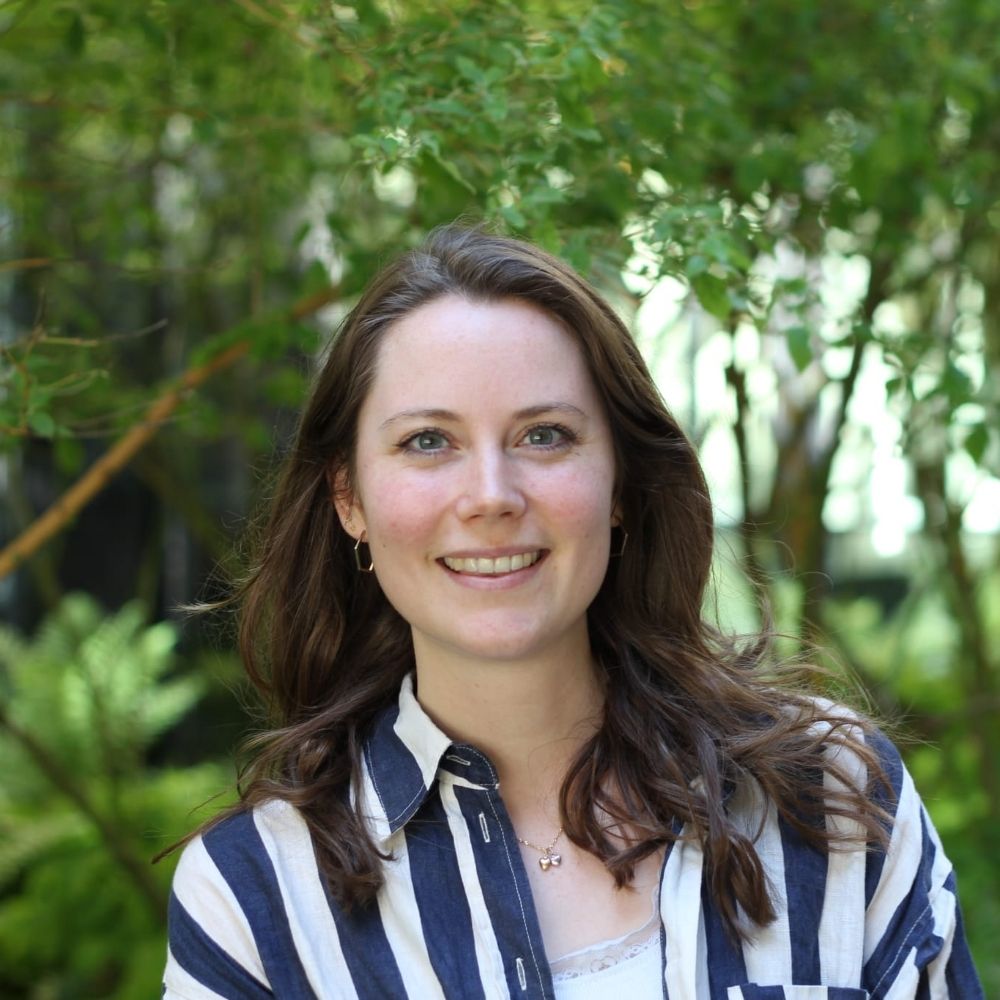
Excited to see my #FEMSmicroBlog online! It's about optimizing ethanol production in Saccharomyces cerevisiae and the advantages (and challenges) related to combining different engineering strategies!
Yeast-based ethanol production is one of the largest biotechnological industries, always calling for new ways to optimise efficiency.
This #FEMSmicroBlog explains two engineering strategies in a single yeast strain to boost the production of bioethanol. #FascinatingMicrobes
This #FEMSmicroBlog explains two engineering strategies in a single yeast strain to boost the production of bioethanol. #FascinatingMicrobes
#FEMSmicroBlog: Optimizing the production of ethanol in Saccharomyces cerevisiae
This #FEMSmicroBlog explains two engineering strategies in a single yeast strain to boost the production of bioethanol. #FascinatingMicrobes
buff.ly
October 14, 2025 at 3:31 PM
Excited to see my #FEMSmicroBlog online! It's about optimizing ethanol production in Saccharomyces cerevisiae and the advantages (and challenges) related to combining different engineering strategies!
☕️ Your morning coffee is thanks to microbial activity.
From fighting inflammation to boosting your mood, coffee does it.
This #FEMSmicroBlog by Arindam Mitra looks at the microbes that make this black beverage possible. 🦠#MicrobiologyIsEverywhere
From fighting inflammation to boosting your mood, coffee does it.
This #FEMSmicroBlog by Arindam Mitra looks at the microbes that make this black beverage possible. 🦠#MicrobiologyIsEverywhere

Microbes as artisans for making your perfect cup of coffee
While coffee is being relished globally, the role of microbes in producing this beloved black beverage is often overlooked. #FEMSmicroBlog
buff.ly
January 24, 2025 at 10:00 AM
☕️ Your morning coffee is thanks to microbial activity.
From fighting inflammation to boosting your mood, coffee does it.
This #FEMSmicroBlog by Arindam Mitra looks at the microbes that make this black beverage possible. 🦠#MicrobiologyIsEverywhere
From fighting inflammation to boosting your mood, coffee does it.
This #FEMSmicroBlog by Arindam Mitra looks at the microbes that make this black beverage possible. 🦠#MicrobiologyIsEverywhere

fems-microbiology.org/femsmicroblo... #FEMSmicroBlog: Networking at Online Conferences (for Early Career Scientists) - FEMS
#FEMSmicroBlog: Networking at Online Conferences (for Early Career Scientists) - FEMS
Conferences, and in particular the networking aspect, can be challenging for Early Career Scientists. The current online conference format imposed by COVID-19 travel restrictions adds additional chall...
fems-microbiology.org
May 27, 2025 at 9:55 PM
fems-microbiology.org/femsmicroblo... #FEMSmicroBlog: Networking at Online Conferences (for Early Career Scientists) - FEMS
Milk sugars from the mother play crucial roles in the development of a baby's gut microbiome. 🍼
To explore the interactions between sugars and the gut microbes in an infant, a study applies a community of glycan degraders and cross-feeders. #FEMSmicroBlog #FascinatingMicrobes
To explore the interactions between sugars and the gut microbes in an infant, a study applies a community of glycan degraders and cross-feeders. #FEMSmicroBlog #FascinatingMicrobes
About the interactions between sugars from mother’s milk and the baby’s microbes
To explore the interactions between different sugars and the gut microbes in an infant, a new study applies a synthetic community consisting of glycan degraders and cross-feeders.
buff.ly
August 19, 2025 at 7:43 AM
Milk sugars from the mother play crucial roles in the development of a baby's gut microbiome. 🍼
To explore the interactions between sugars and the gut microbes in an infant, a study applies a community of glycan degraders and cross-feeders. #FEMSmicroBlog #FascinatingMicrobes
To explore the interactions between sugars and the gut microbes in an infant, a study applies a community of glycan degraders and cross-feeders. #FEMSmicroBlog #FascinatingMicrobes