



Tyler Barnum
@tylerbarnumphd.bsky.social
Microbiology and computation for solving problems. Ex-UC Berkeley, ex-Trace Genomics, ex-Cultivarium. Website: tylerbarnum.wordpress.com LinkedIn: linkedin.com/in/tylerbarnum
Reposted by Tyler Barnum

If you are interested in using AI to predict and test microbial (bacterial, archaeal) cultivation requirements, please reach out. We are ~waist deep in this already.

Holy shit: it's an RFP for the NSF Postdoctoral Research Fellowship in Biology (PRFB). Hello old friend www.nsf.gov/funding/oppo...

Postdoctoral Research Fellowships in Biology (PRFB)
www.nsf.gov
February 6, 2026 at 1:20 AM
If you are interested in using AI to predict and test microbial (bacterial, archaeal) cultivation requirements, please reach out. We are ~waist deep in this already.
Reposted by Tyler Barnum
Co-convening "The art and science of microbial persuasion" at #ISME20 with Fengping Wang. Cultivation advances: methods, media, uncultured lineages. Coaxing reluctant microbes? Submit your abstract & join us in NZ!
isme.live.ws-django.co.uk/public/confe...
isme.live.ws-django.co.uk/public/confe...
isme.live.ws-django.co.uk/public/confe...
isme.live.ws-django.co.uk/public/confe...
ISME20: The art and science of microbial persuasion | International Society for Microbial Ecology
isme.live.ws-django.co.uk
January 15, 2026 at 7:43 PM
Co-convening "The art and science of microbial persuasion" at #ISME20 with Fengping Wang. Cultivation advances: methods, media, uncultured lineages. Coaxing reluctant microbes? Submit your abstract & join us in NZ!
isme.live.ws-django.co.uk/public/confe...
isme.live.ws-django.co.uk/public/confe...
isme.live.ws-django.co.uk/public/confe...
isme.live.ws-django.co.uk/public/confe...
Reposted by Tyler Barnum
Quantifying the oxygen preferences of bacterial communities using a metagenome-based approach www.biorxiv.org/content/10.6... #jcampubs
January 26, 2026 at 2:36 PM
Quantifying the oxygen preferences of bacterial communities using a metagenome-based approach www.biorxiv.org/content/10.6... #jcampubs
Reposted by Tyler Barnum
All you want for christmas is.... transposon mutagenesis!
Our new work at @cultivarium.bsky.social screening lots of transposon vectors in lots of bacteria, from @charliegilbert.bsky.social and team.
Transposon and promoter modular parts available on Addgene (pooled library will be there soon too)
Our new work at @cultivarium.bsky.social screening lots of transposon vectors in lots of bacteria, from @charliegilbert.bsky.social and team.
Transposon and promoter modular parts available on Addgene (pooled library will be there soon too)

December 24, 2025 at 3:03 PM
All you want for christmas is.... transposon mutagenesis!
Our new work at @cultivarium.bsky.social screening lots of transposon vectors in lots of bacteria, from @charliegilbert.bsky.social and team.
Transposon and promoter modular parts available on Addgene (pooled library will be there soon too)
Our new work at @cultivarium.bsky.social screening lots of transposon vectors in lots of bacteria, from @charliegilbert.bsky.social and team.
Transposon and promoter modular parts available on Addgene (pooled library will be there soon too)
Reposted by Tyler Barnum

🧬 #BacDive is also taking a long-awaited leap into the world of genomics with the debut of a genome browser 🔎🖥️.
For the first time, BacDive now displays genomic information. The genome browser feature lists and visualizes #Bakta annotations of #INSDC genome assemblies.
For the first time, BacDive now displays genomic information. The genome browser feature lists and visualizes #Bakta annotations of #INSDC genome assemblies.

December 19, 2025 at 12:11 PM
Reposted by Tyler Barnum
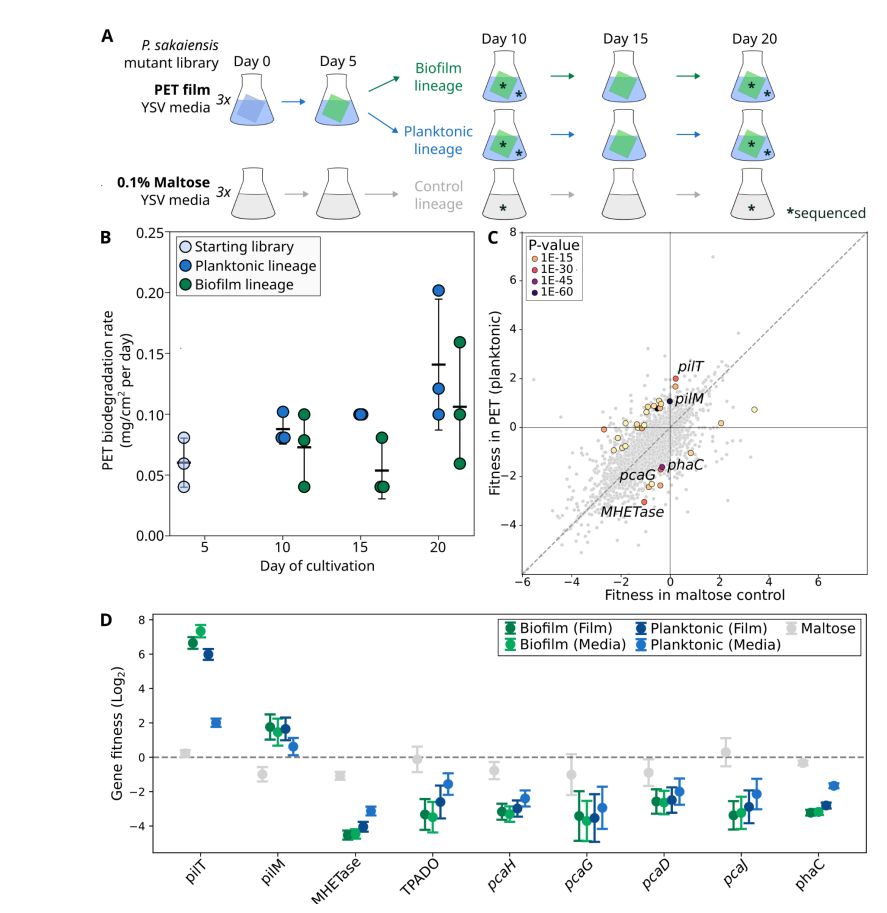
Very happy to share our recent work @cultivarium.bsky.social on genetic tools for Ideonella sakaiensis, a (Betaproteo-)bacterium that degrades PET plastic.
We identified a plasmid vector for the strain and generated a large RB-TnSeq library, screening for genes impacting plastic degradation.
We identified a plasmid vector for the strain and generated a large RB-TnSeq library, screening for genes impacting plastic degradation.
November 12, 2025 at 7:05 PM
Very happy to share our recent work @cultivarium.bsky.social on genetic tools for Ideonella sakaiensis, a (Betaproteo-)bacterium that degrades PET plastic.
We identified a plasmid vector for the strain and generated a large RB-TnSeq library, screening for genes impacting plastic degradation.
We identified a plasmid vector for the strain and generated a large RB-TnSeq library, screening for genes impacting plastic degradation.
Reposted by Tyler Barnum

An Asgard archaeon with internal membrane compartments
Brilliant study led by @fmacleod.bsky.social and Andriko von Kügelgen. Tight collaboration with @buzzbaum.bsky.social and lab. Congrats to all authors!
www.biorxiv.org/content/10.1...
Brilliant study led by @fmacleod.bsky.social and Andriko von Kügelgen. Tight collaboration with @buzzbaum.bsky.social and lab. Congrats to all authors!
www.biorxiv.org/content/10.1...

November 7, 2025 at 10:44 AM
An Asgard archaeon with internal membrane compartments
Brilliant study led by @fmacleod.bsky.social and Andriko von Kügelgen. Tight collaboration with @buzzbaum.bsky.social and lab. Congrats to all authors!
www.biorxiv.org/content/10.1...
Brilliant study led by @fmacleod.bsky.social and Andriko von Kügelgen. Tight collaboration with @buzzbaum.bsky.social and lab. Congrats to all authors!
www.biorxiv.org/content/10.1...
Reposted by Tyler Barnum
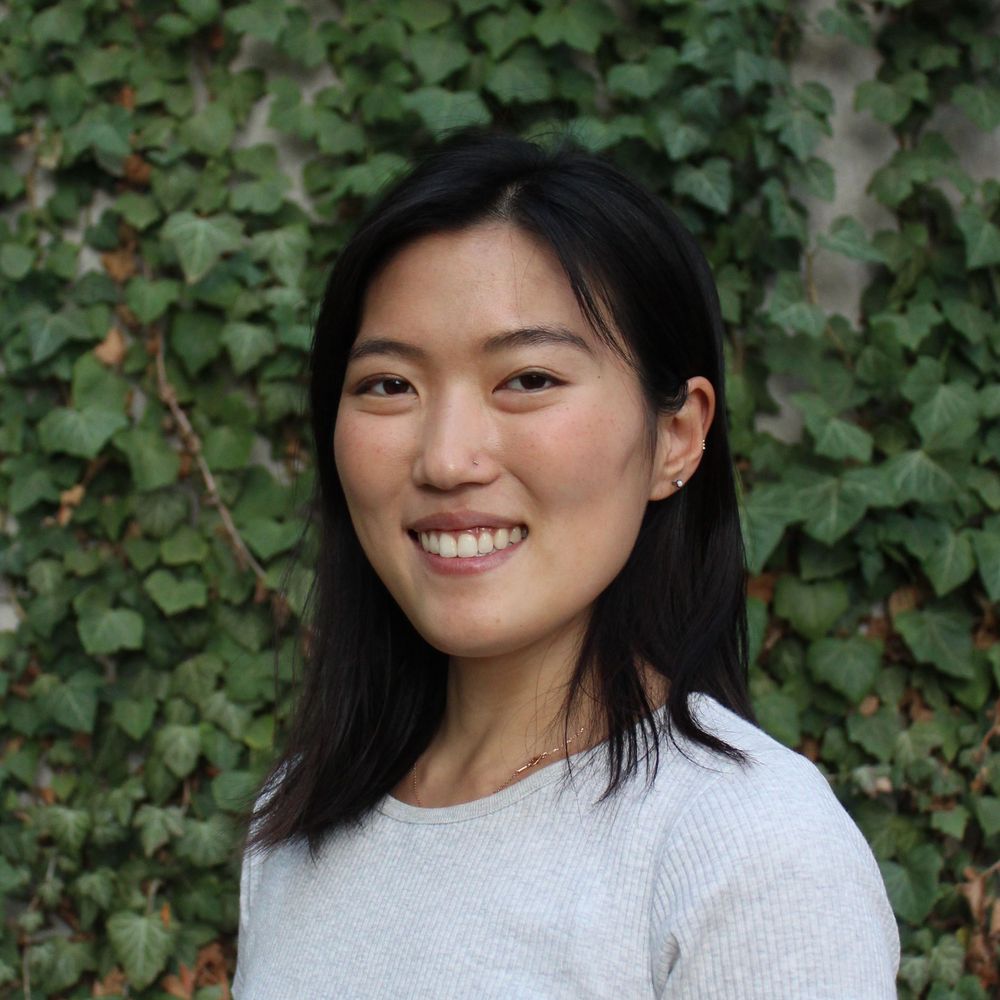
We're thrilled to announce SeqHub, an AI-enabled platform for biological sequence analysis. SeqHub brings together sequence search, genome annotation, and data sharing in one place.
October 28, 2025 at 1:47 PM
We're thrilled to announce SeqHub, an AI-enabled platform for biological sequence analysis. SeqHub brings together sequence search, genome annotation, and data sharing in one place.
Reposted by Tyler Barnum
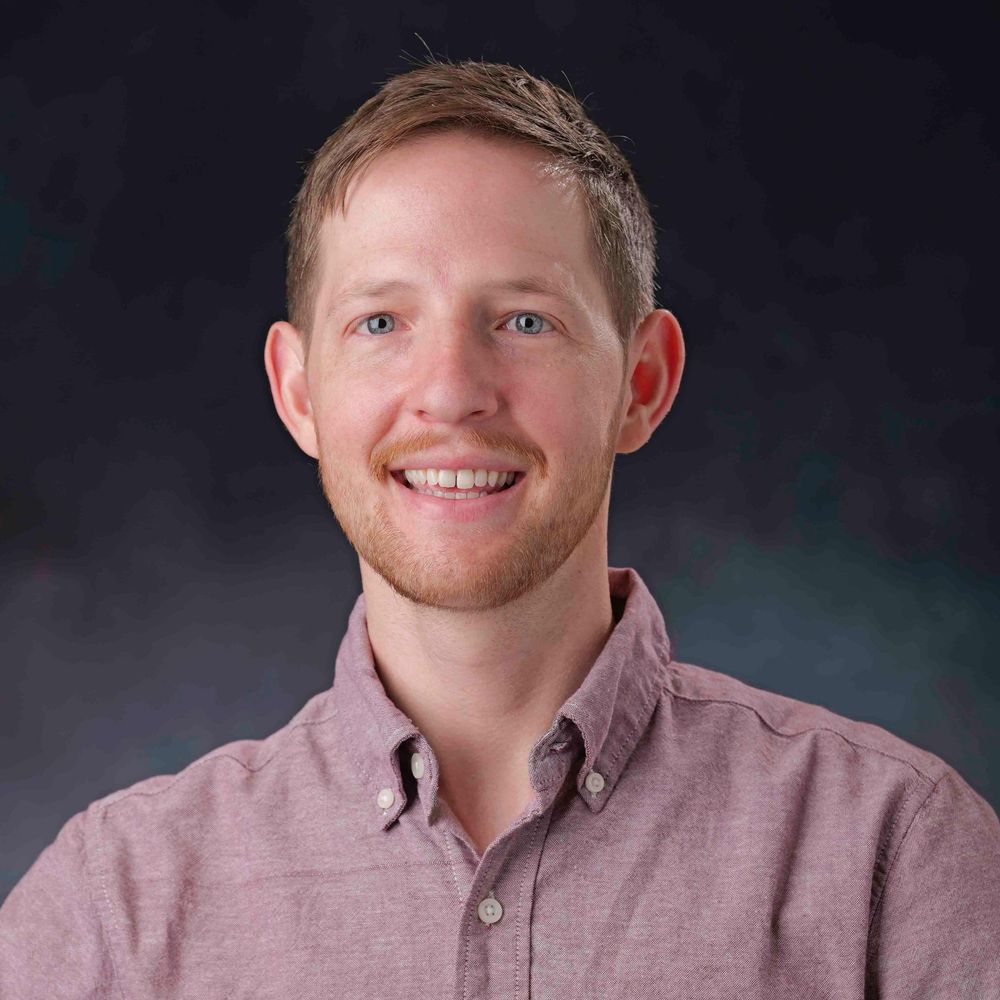
My fantastic department at CU Boulder is hiring a tenure-track Assistant Professor! This is a broad search spanning nearly all areas of biology. Applications are due Nov 13, 2025. Feel free to reach out to me with questions, and please share widely.
jobs.colorado.edu/jobs/JobDeta...
jobs.colorado.edu/jobs/JobDeta...

October 17, 2025 at 4:00 PM
My fantastic department at CU Boulder is hiring a tenure-track Assistant Professor! This is a broad search spanning nearly all areas of biology. Applications are due Nov 13, 2025. Feel free to reach out to me with questions, and please share widely.
jobs.colorado.edu/jobs/JobDeta...
jobs.colorado.edu/jobs/JobDeta...
Reposted by Tyler Barnum
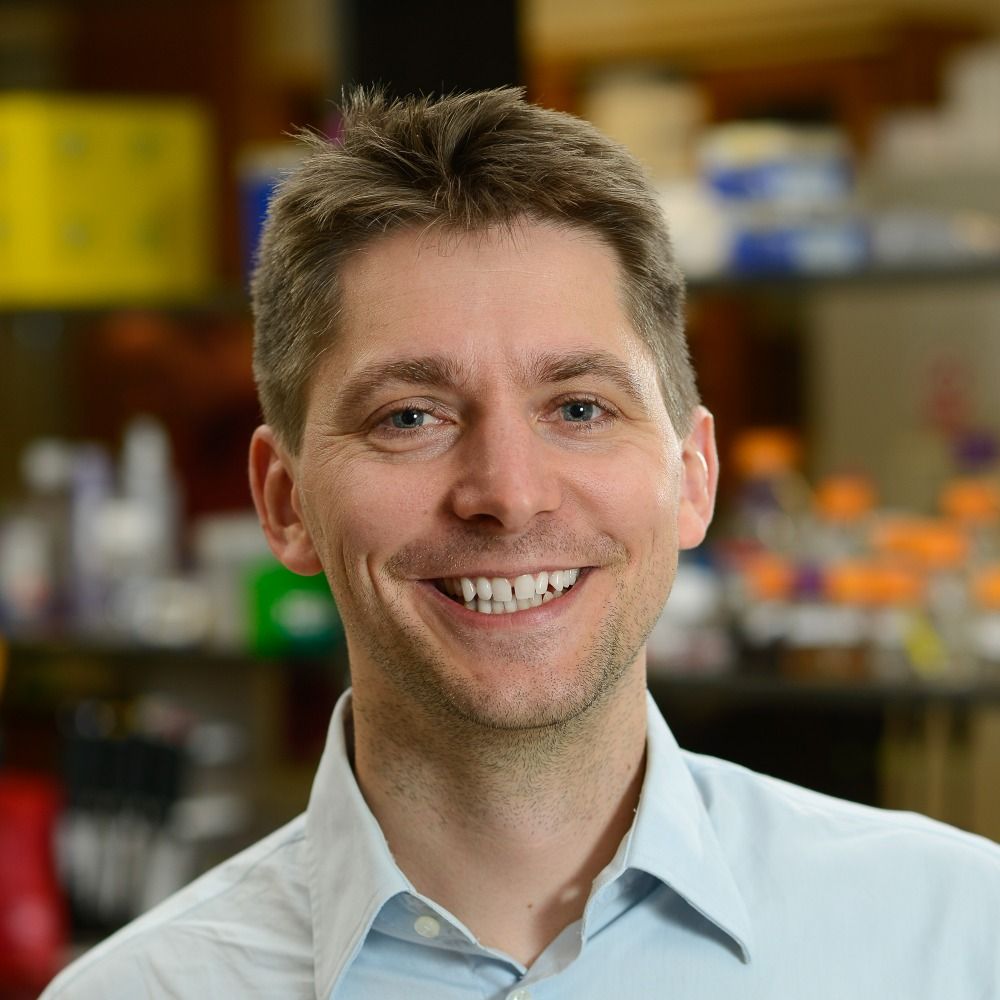
I am really excited to see this article on basic experimental design principles published. Definitely will be mandatory reading for incoming graduate students in my lab. Maggie Wagner who led this article did an amazing job with the illustrations of basic principles www.nature.com/articles/s41...

How thoughtful experimental design can empower biologists in the omics era - Nature Communications
Here, the authors discuss principles of experimental design that are relevant for all biology research, along with special considerations for projects using -omics approaches, highlighting common expe...
www.nature.com
August 7, 2025 at 7:43 PM
I am really excited to see this article on basic experimental design principles published. Definitely will be mandatory reading for incoming graduate students in my lab. Maggie Wagner who led this article did an amazing job with the illustrations of basic principles www.nature.com/articles/s41...
Reposted by Tyler Barnum
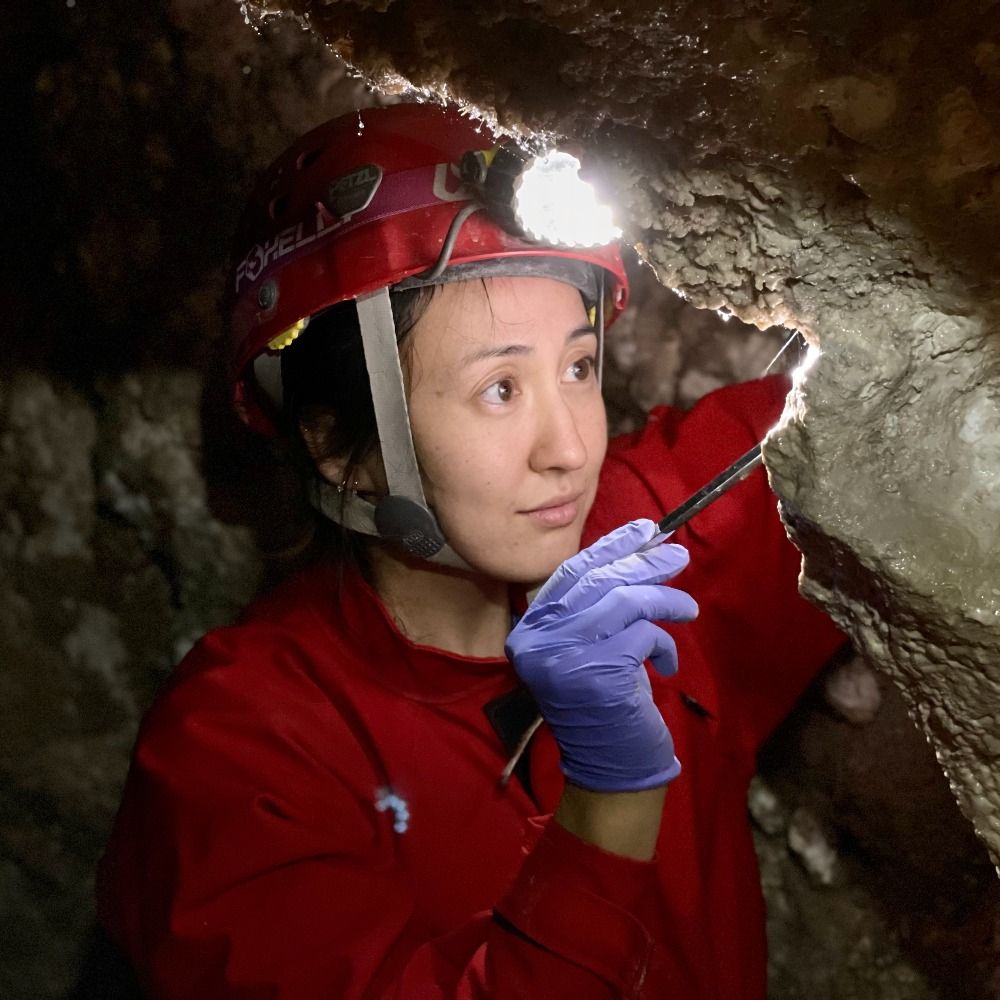
Phosphite oxidizers 🤝 Methanogens
In our new paper on “Lithosyntrophy” we show that phosphite oxidation drives methanogenesis through interspecies H2 transfer. Lithosyntrophy establishes a novel mechanistic link between the #phosphorus and carbon redox cycles
In our new paper on “Lithosyntrophy” we show that phosphite oxidation drives methanogenesis through interspecies H2 transfer. Lithosyntrophy establishes a novel mechanistic link between the #phosphorus and carbon redox cycles

Lithosyntrophy: Obligate syntrophy in a phosphite-oxidizing, methanogenic culture https://www.biorxiv.org/content/10.1101/2025.08.26.672485v1
August 27, 2025 at 1:07 PM
Phosphite oxidizers 🤝 Methanogens
In our new paper on “Lithosyntrophy” we show that phosphite oxidation drives methanogenesis through interspecies H2 transfer. Lithosyntrophy establishes a novel mechanistic link between the #phosphorus and carbon redox cycles
In our new paper on “Lithosyntrophy” we show that phosphite oxidation drives methanogenesis through interspecies H2 transfer. Lithosyntrophy establishes a novel mechanistic link between the #phosphorus and carbon redox cycles
Reposted by Tyler Barnum

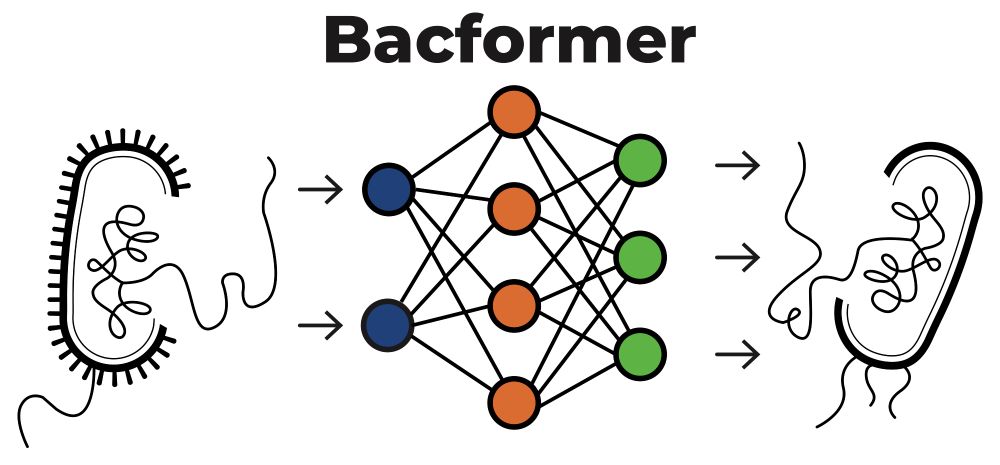
💥 Excited to introduce Bacformer 🦠 - the first foundation model for bacterial genomics. Bacformer represents genomes as sequences of ordered proteins, learning the “grammar” of how genes are arranged, interact and evolve.
Preprint 📝: biorxiv.org/content/10.1...
🧵 1/n
Preprint 📝: biorxiv.org/content/10.1...
🧵 1/n
July 21, 2025 at 9:56 AM
💥 Excited to introduce Bacformer 🦠 - the first foundation model for bacterial genomics. Bacformer represents genomes as sequences of ordered proteins, learning the “grammar” of how genes are arranged, interact and evolve.
Preprint 📝: biorxiv.org/content/10.1...
🧵 1/n
Preprint 📝: biorxiv.org/content/10.1...
🧵 1/n
Reposted by Tyler Barnum
Our latest, lead by @ahoiching.bsky.social, uncovering physiological vulnerabilities and helping to explain growth rate limitation in SAR11.
Cell cycle dysregulation of globally important SAR11 bacteria resulting from environmental perturbation www.biorxiv.org/content/10.1... #jcampubs
Cell cycle dysregulation of globally important SAR11 bacteria resulting from environmental perturbation www.biorxiv.org/content/10.1... #jcampubs
June 26, 2025 at 1:40 PM
Our latest, lead by @ahoiching.bsky.social, uncovering physiological vulnerabilities and helping to explain growth rate limitation in SAR11.
Cell cycle dysregulation of globally important SAR11 bacteria resulting from environmental perturbation www.biorxiv.org/content/10.1... #jcampubs
Cell cycle dysregulation of globally important SAR11 bacteria resulting from environmental perturbation www.biorxiv.org/content/10.1... #jcampubs
Reposted by Tyler Barnum

The latest publication from our lab!
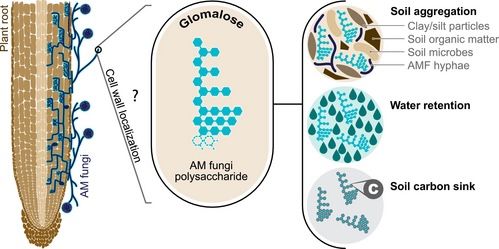
The famous "glomalin" from arbuscular mycorrhizal (AM) fungi is not a protein but a polysaccharide from AM fungi, so we renamed it "glomalose". Glomalin-related proteins are bacterial proteins stuck in this glomalose.
nph.onlinelibrary.wiley.com/doi/10.1111/...
The famous "glomalin" from arbuscular mycorrhizal (AM) fungi is not a protein but a polysaccharide from AM fungi, so we renamed it "glomalose". Glomalin-related proteins are bacterial proteins stuck in this glomalose.
nph.onlinelibrary.wiley.com/doi/10.1111/...
June 6, 2025 at 1:54 PM
The latest publication from our lab!
The famous "glomalin" from arbuscular mycorrhizal (AM) fungi is not a protein but a polysaccharide from AM fungi, so we renamed it "glomalose". Glomalin-related proteins are bacterial proteins stuck in this glomalose.
nph.onlinelibrary.wiley.com/doi/10.1111/...
The famous "glomalin" from arbuscular mycorrhizal (AM) fungi is not a protein but a polysaccharide from AM fungi, so we renamed it "glomalose". Glomalin-related proteins are bacterial proteins stuck in this glomalose.
nph.onlinelibrary.wiley.com/doi/10.1111/...
Reposted by Tyler Barnum
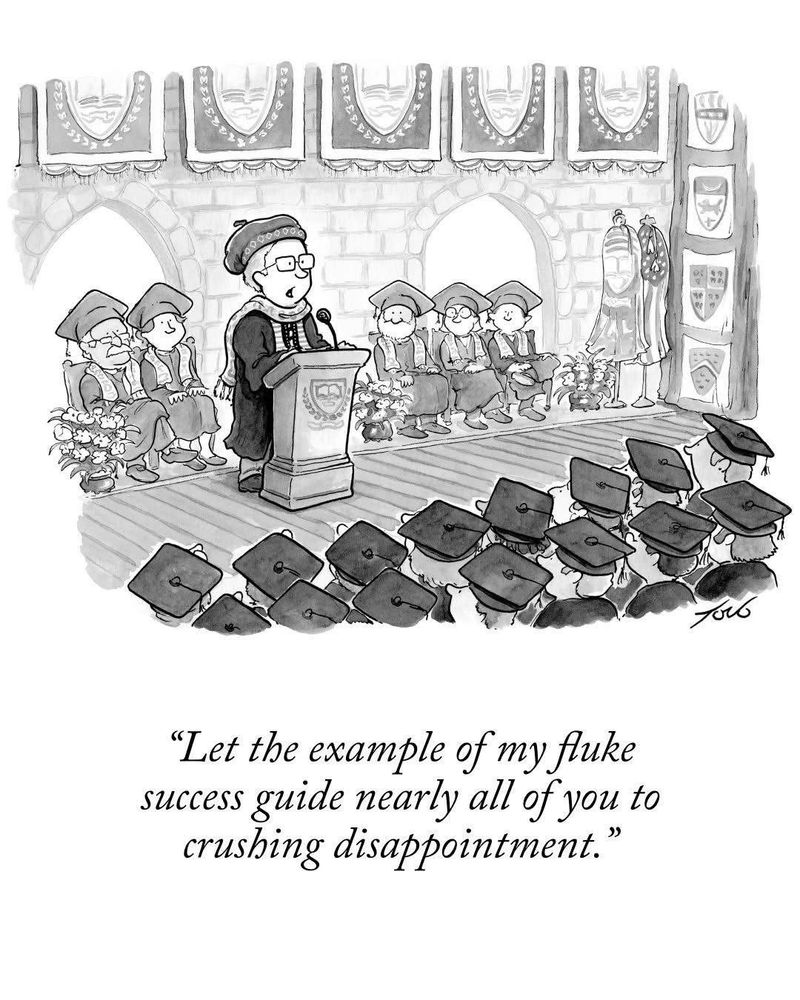
Success in academia often has more to do with luck, patronage and the job market than “hard work”.
Good academics acknowledge this.
I worked hard, but I was in the right place at the right time on occasion. Historians far more talented than I have fallen between the cracks.
Good academics acknowledge this.
I worked hard, but I was in the right place at the right time on occasion. Historians far more talented than I have fallen between the cracks.
May 21, 2025 at 7:16 AM
Success in academia often has more to do with luck, patronage and the job market than “hard work”.
Good academics acknowledge this.
I worked hard, but I was in the right place at the right time on occasion. Historians far more talented than I have fallen between the cracks.
Good academics acknowledge this.
I worked hard, but I was in the right place at the right time on occasion. Historians far more talented than I have fallen between the cracks.
Neat study: the classic enzyme DMSO reductase also acts on various other S-/N-oxides that are produced by reactions with HOCl. Two quick reasons a microbiologist should take note for their research:
doi.org/10.1128/jb.0...
doi.org/10.1128/jb.0...

Beyond anaerobic respiration—new physiological roles for DmsABC and other S-/N-oxide reductases in Escherichia coli | Journal of Bacteriology
Bacterial urinary tract infections are debilitating and frequently recurring in human
populations worldwide, and Escherichia coli strains are a major cause of these infections. In this study, we have ...
doi.org
May 7, 2025 at 2:21 PM
Neat study: the classic enzyme DMSO reductase also acts on various other S-/N-oxides that are produced by reactions with HOCl. Two quick reasons a microbiologist should take note for their research:
doi.org/10.1128/jb.0...
doi.org/10.1128/jb.0...
Reposted by Tyler Barnum

In our study, we showed that intestinal Methanosarcinales have reduced genomes and obligately dependent on H2 and CH3 compounds for #CH4 production. They lost the Wood–Ljungdahl pathway and membrane complexes (Rnf, Fpo, Ech).
academic.oup.com/femsec/artic...
@femsjournals.bsky.social @femsmicro.org
academic.oup.com/femsec/artic...
@femsjournals.bsky.social @femsmicro.org


May 7, 2025 at 7:45 AM
In our study, we showed that intestinal Methanosarcinales have reduced genomes and obligately dependent on H2 and CH3 compounds for #CH4 production. They lost the Wood–Ljungdahl pathway and membrane complexes (Rnf, Fpo, Ech).
academic.oup.com/femsec/artic...
@femsjournals.bsky.social @femsmicro.org
academic.oup.com/femsec/artic...
@femsjournals.bsky.social @femsmicro.org
Reposted by Tyler Barnum

TIL you can add .txt to a biorxiv fulltext link and get plain text. Handy for pasting into LLMs, e.g., the new BindCraft revision www.biorxiv.org/content/10.1...
www.biorxiv.org
April 29, 2025 at 6:38 PM
TIL you can add .txt to a biorxiv fulltext link and get plain text. Handy for pasting into LLMs, e.g., the new BindCraft revision www.biorxiv.org/content/10.1...
Reposted by Tyler Barnum

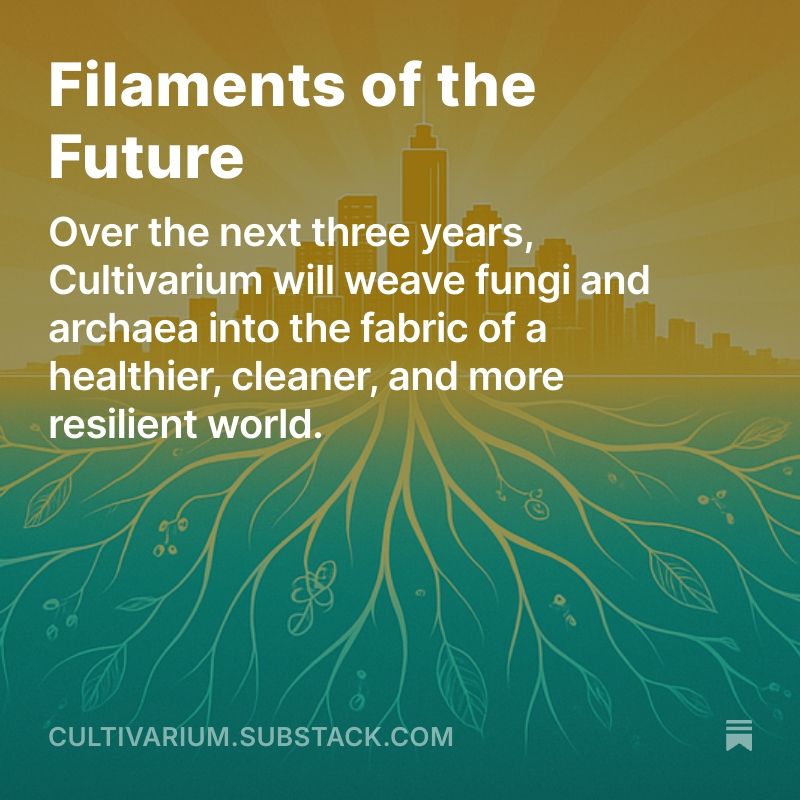
We're gearing up to tackle new kingdoms of life, thanks to generous support from @wellcometrust.bsky.social. Get in touch!
Read more on our blog: cultivarium.substack.com/p/fungi-and-...
Read more on our blog: cultivarium.substack.com/p/fungi-and-...
April 24, 2025 at 11:41 AM
We're gearing up to tackle new kingdoms of life, thanks to generous support from @wellcometrust.bsky.social. Get in touch!
Read more on our blog: cultivarium.substack.com/p/fungi-and-...
Read more on our blog: cultivarium.substack.com/p/fungi-and-...
Reposted by Tyler Barnum

Almost every line of this story would have been simply unbelievable a few months ago:
—Pioneering cancer researcher;
—*Arrested* at airport in Boston;
—Now indefinite ICE detention in Louisiana;
—"Crime": not declaring some frog-embryo samples for research.
Read it.
www.nbcnews.com/news/us-news...
—Pioneering cancer researcher;
—*Arrested* at airport in Boston;
—Now indefinite ICE detention in Louisiana;
—"Crime": not declaring some frog-embryo samples for research.
Read it.
www.nbcnews.com/news/us-news...
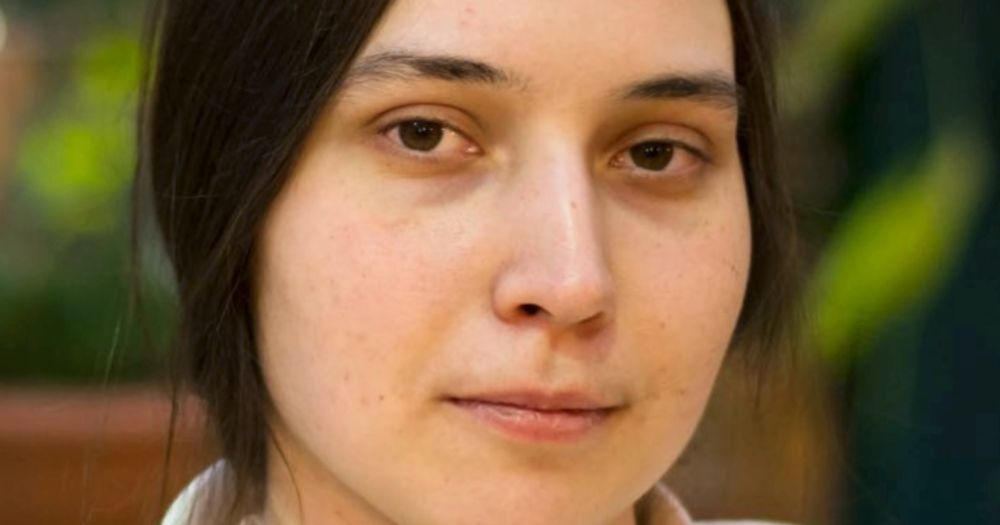
New images could change cancer diagnostics, but ICE detained the Harvard scientist who analyzes them
Without scientist Kseniia Petrova’s expertise, no one can fully unlock the data’s potential, putting crucial advancements in early cancer detection at risk.
www.nbcnews.com
April 22, 2025 at 1:32 AM
Almost every line of this story would have been simply unbelievable a few months ago:
—Pioneering cancer researcher;
—*Arrested* at airport in Boston;
—Now indefinite ICE detention in Louisiana;
—"Crime": not declaring some frog-embryo samples for research.
Read it.
www.nbcnews.com/news/us-news...
—Pioneering cancer researcher;
—*Arrested* at airport in Boston;
—Now indefinite ICE detention in Louisiana;
—"Crime": not declaring some frog-embryo samples for research.
Read it.
www.nbcnews.com/news/us-news...
I told everyone! 😏 If you want to co-culture CPR/DPANN epibionts, try to filter-purify them and add them into pure cultures. For Minisyncoccus they used 0.45 um filters and a suspected host. I'd recommend 0.2 um filters and a panel of various isolates.
tylerbarnum.com/2021/05/14/t...
tylerbarnum.com/2021/05/14/t...
February 13, 2025 at 3:37 PM
I told everyone! 😏 If you want to co-culture CPR/DPANN epibionts, try to filter-purify them and add them into pure cultures. For Minisyncoccus they used 0.45 um filters and a suspected host. I'd recommend 0.2 um filters and a panel of various isolates.
tylerbarnum.com/2021/05/14/t...
tylerbarnum.com/2021/05/14/t...
Reposted by Tyler Barnum
Unlock new organisms quickly with a genetic methods “cheat-sheet”🔬
Our Portal’s new Reported Methods section streamlines access to established genetic tools and related literature.
Read more here: tinyurl.com/yj33bnyr
Our Portal’s new Reported Methods section streamlines access to established genetic tools and related literature.
Read more here: tinyurl.com/yj33bnyr

Empowering Microbial Discovery: Your Guide to Genetic Tractability — Cultivarium — Cultivarium
Rapidly identify reported genetic methods and papers for your organism, including electroporation, transposon mutagenesis, and CRISPRi.
tinyurl.com
January 28, 2025 at 3:10 PM
Unlock new organisms quickly with a genetic methods “cheat-sheet”🔬
Our Portal’s new Reported Methods section streamlines access to established genetic tools and related literature.
Read more here: tinyurl.com/yj33bnyr
Our Portal’s new Reported Methods section streamlines access to established genetic tools and related literature.
Read more here: tinyurl.com/yj33bnyr
Reposted by Tyler Barnum
Our technique for studying strain-level IgA binding in the microbiome is out now at @naturemicrobiol.bsky.social! Fascinated by IgA since Sean Spencer told me about it, here we make some fundamental discoveries about strain-level IgA dynamics in the healthy human gut (1/5) doi.org/10.1038/s415...
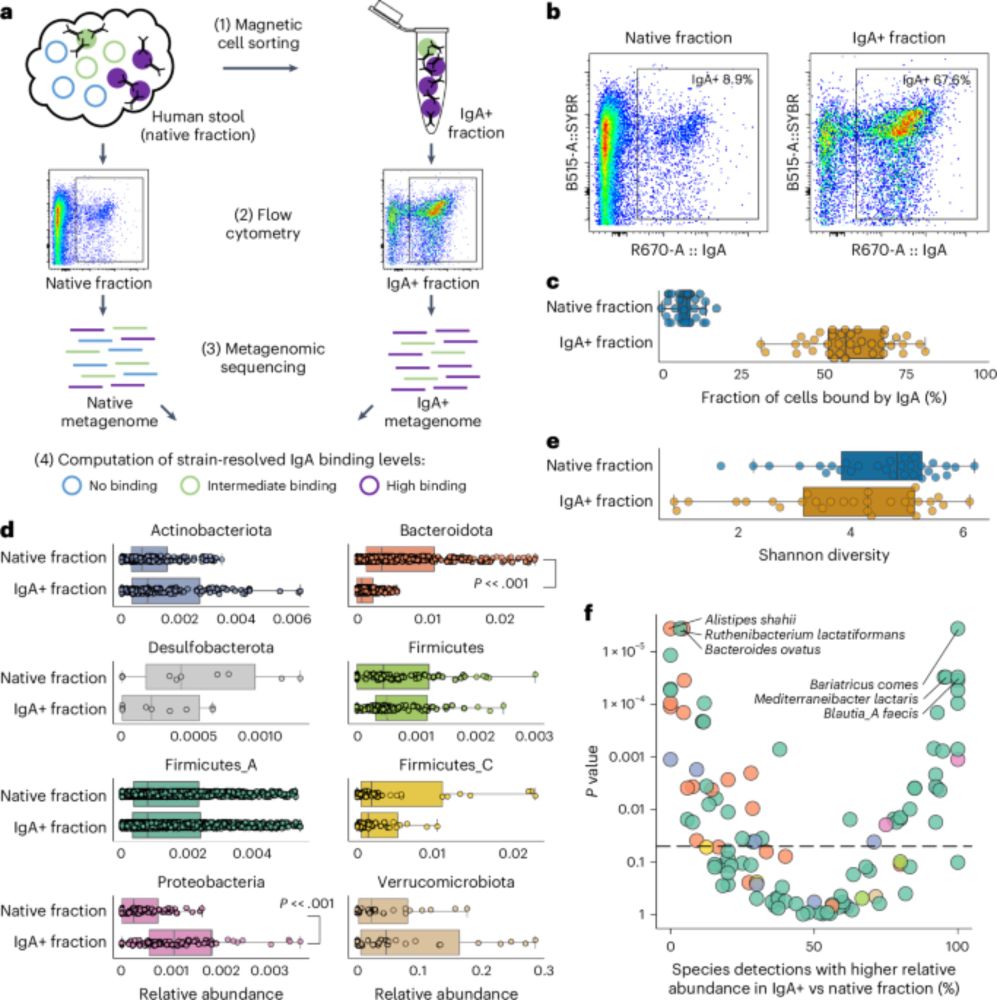
Metagenomic immunoglobulin sequencing reveals IgA coating of microbial strains in the healthy human gut - Nature Microbiology
Metagenomic immunoglobulin sequencing (MIg-seq) uncovered patterns of IgA antibody binding of bacterial strains in the healthy human gut microbiome.
doi.org
January 3, 2025 at 6:27 PM
Our technique for studying strain-level IgA binding in the microbiome is out now at @naturemicrobiol.bsky.social! Fascinated by IgA since Sean Spencer told me about it, here we make some fundamental discoveries about strain-level IgA dynamics in the healthy human gut (1/5) doi.org/10.1038/s415...
Super cool - amoebae and ciliates live in close association with lots of weird, host-associated bacteria. Including CPR/Patescibacteria.
Protists as mediators of complex microbial and viral associations www.biorxiv.org/content/10.1... #jcampubs
January 3, 2025 at 3:01 AM
Super cool - amoebae and ciliates live in close association with lots of weird, host-associated bacteria. Including CPR/Patescibacteria.
Reposted by Tyler Barnum

OUT NOW: Metagenomic immunoglobulin sequencing (MIg-seq) reveals IgA coating of microbial strains in the healthy human gut
by Justin Sonnenburg, Matt Olm, Sean Spencer & co
#microsky
www.nature.com/articles/s41...
by Justin Sonnenburg, Matt Olm, Sean Spencer & co
#microsky
www.nature.com/articles/s41...
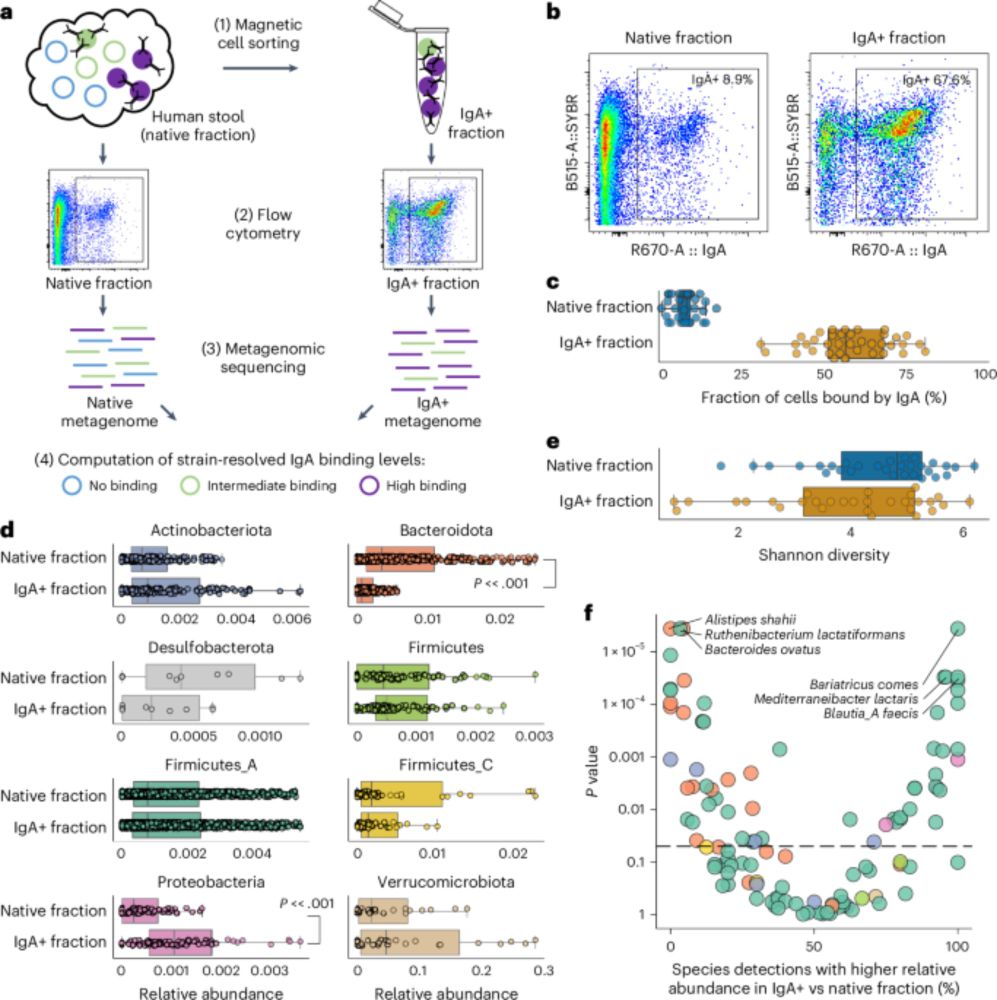
Metagenomic immunoglobulin sequencing reveals IgA coating of microbial strains in the healthy human gut - Nature Microbiology
Metagenomic immunoglobulin sequencing (MIg-seq) uncovered patterns of IgA antibody binding of bacterial strains in the healthy human gut microbiome.
www.nature.com
January 2, 2025 at 5:38 PM
OUT NOW: Metagenomic immunoglobulin sequencing (MIg-seq) reveals IgA coating of microbial strains in the healthy human gut
by Justin Sonnenburg, Matt Olm, Sean Spencer & co
#microsky
www.nature.com/articles/s41...
by Justin Sonnenburg, Matt Olm, Sean Spencer & co
#microsky
www.nature.com/articles/s41...