



@sverregr.bsky.social
Reposted
✨ New preprint ✨ What if we could watch AND control thousands of individual neurons in behaving mice—with stable access over months? 🧠⚡ Our work introduces transgenic all-optical tools that make this possible - and a resulting surprising discovery! 🔭💡
www.biorxiv.org/content/10.1... 1/13 🧵
www.biorxiv.org/content/10.1... 1/13 🧵

Large-scale cellular-resolution read/write of activity enables discovery of cell types defined by complex circuit properties
The complexity of the mammalian brain’s vast population of interconnected neurons poses a formidable challenge to elucidate its underlying mechanisms of coordination and computation. A key step forwar...
www.biorxiv.org
November 13, 2025 at 12:24 AM
✨ New preprint ✨ What if we could watch AND control thousands of individual neurons in behaving mice—with stable access over months? 🧠⚡ Our work introduces transgenic all-optical tools that make this possible - and a resulting surprising discovery! 🔭💡
www.biorxiv.org/content/10.1... 1/13 🧵
www.biorxiv.org/content/10.1... 1/13 🧵
Reposted
Our paper on 'mini analysis' is now published in @jphysiol.bsky.social
If you are recording mPSCs or sPSCs, I hope this helps with analysis. Interpretation of these datasets is not as easy as it seems..!
Happy to discuss if you are interested
physoc.onlinelibrary.wiley.com/doi/10.1113/...
If you are recording mPSCs or sPSCs, I hope this helps with analysis. Interpretation of these datasets is not as easy as it seems..!
Happy to discuss if you are interested
physoc.onlinelibrary.wiley.com/doi/10.1113/...

‘Mini analysis’ misrepresents changes in synaptic properties due to incomplete event detection
Abstract figure legend Summary of the study where simulated recordings (left) were used to characterise the effect of incomplete detection on mini (mPSC) analysis. Recording noise levels (red) determ...
physoc.onlinelibrary.wiley.com
September 29, 2025 at 11:54 AM
Our paper on 'mini analysis' is now published in @jphysiol.bsky.social
If you are recording mPSCs or sPSCs, I hope this helps with analysis. Interpretation of these datasets is not as easy as it seems..!
Happy to discuss if you are interested
physoc.onlinelibrary.wiley.com/doi/10.1113/...
If you are recording mPSCs or sPSCs, I hope this helps with analysis. Interpretation of these datasets is not as easy as it seems..!
Happy to discuss if you are interested
physoc.onlinelibrary.wiley.com/doi/10.1113/...
Reposted

Does predictive coding work in SPACE or in TIME? Most neuroscientists assume TIME, i.e. neurons predict their future sensory inputs. We show that in visual cortex predictive coding actually works across SPACE, just like the original Rao+Ballard theory #neuroscience
www.biorxiv.org/cgi/content/...
www.biorxiv.org/cgi/content/...

September 22, 2025 at 7:09 PM
Does predictive coding work in SPACE or in TIME? Most neuroscientists assume TIME, i.e. neurons predict their future sensory inputs. We show that in visual cortex predictive coding actually works across SPACE, just like the original Rao+Ballard theory #neuroscience
www.biorxiv.org/cgi/content/...
www.biorxiv.org/cgi/content/...
Reposted

🚀🔬🦠 Releasing 🤖Cellpose-SAM🤖, a cellular segmentation algorithm with superhuman generalization 🦸♀️. Try it now on 🤗 huggingface.co/spaces/mouse...
paper: www.biorxiv.org/content/10.1...
w/ @computingnature.bsky.social 1/n
paper: www.biorxiv.org/content/10.1...
w/ @computingnature.bsky.social 1/n
May 3, 2025 at 7:12 PM
🚀🔬🦠 Releasing 🤖Cellpose-SAM🤖, a cellular segmentation algorithm with superhuman generalization 🦸♀️. Try it now on 🤗 huggingface.co/spaces/mouse...
paper: www.biorxiv.org/content/10.1...
w/ @computingnature.bsky.social 1/n
paper: www.biorxiv.org/content/10.1...
w/ @computingnature.bsky.social 1/n
Reposted
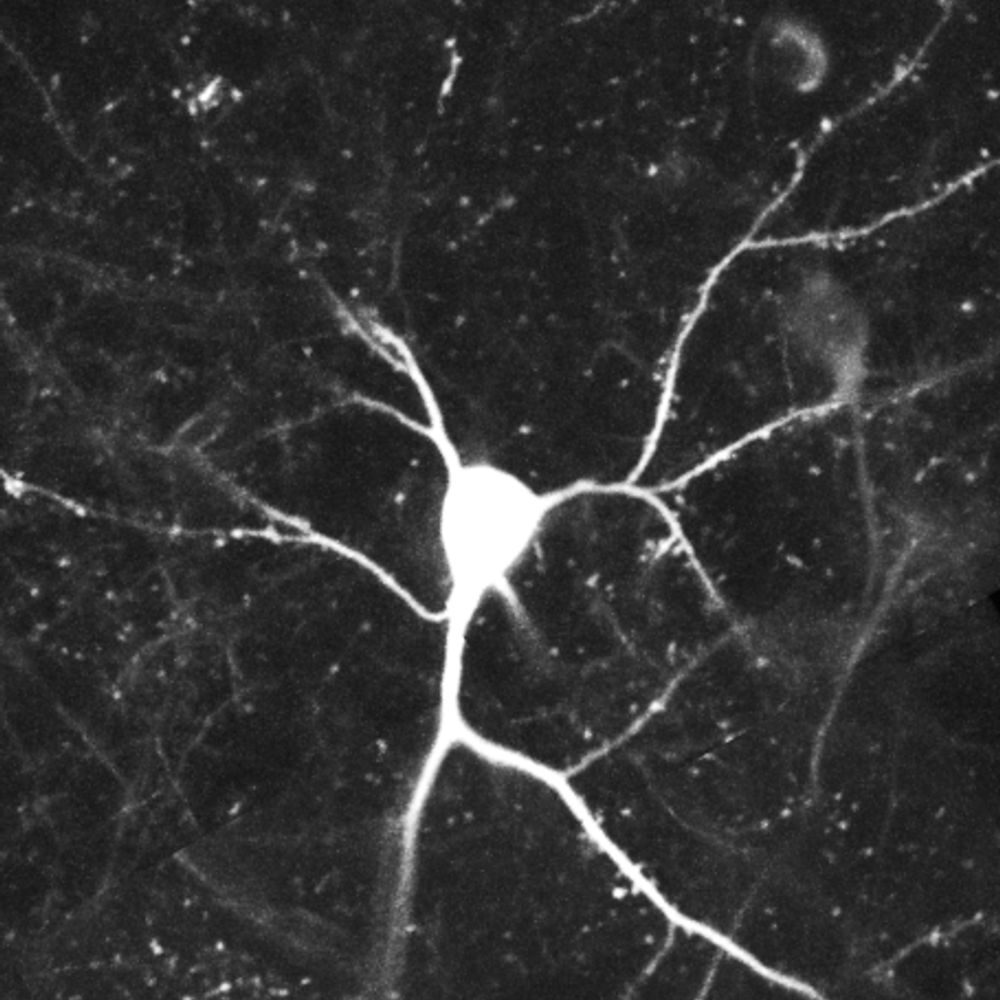
New paper out with @hafting.bsky.social and @markandermann.bsky.social lab on reactivations and memory consolidation : www.science.org/doi/10.1126/...
Local inhibitory circuits mediate cortical reactivations and memory consolidation
Reducing inhibitory activity after training prevents cortical reactivations and memory consolidation.
www.science.org
June 2, 2025 at 3:54 PM
New paper out with @hafting.bsky.social and @markandermann.bsky.social lab on reactivations and memory consolidation : www.science.org/doi/10.1126/...
Reposted
We previously showed that specific hypothalamic neurons get more and more activated by each bite of food until they put a brake on homeostatic feeding. Here, we find that this brake is already on at the start of a meal in obese mice on a high-fat diet.
Congrats to Marta, Stephen and the whole team!
Congrats to Marta, Stephen and the whole team!

May 29, 2025 at 1:28 AM
We previously showed that specific hypothalamic neurons get more and more activated by each bite of food until they put a brake on homeostatic feeding. Here, we find that this brake is already on at the start of a meal in obese mice on a high-fat diet.
Congrats to Marta, Stephen and the whole team!
Congrats to Marta, Stephen and the whole team!
Reposted
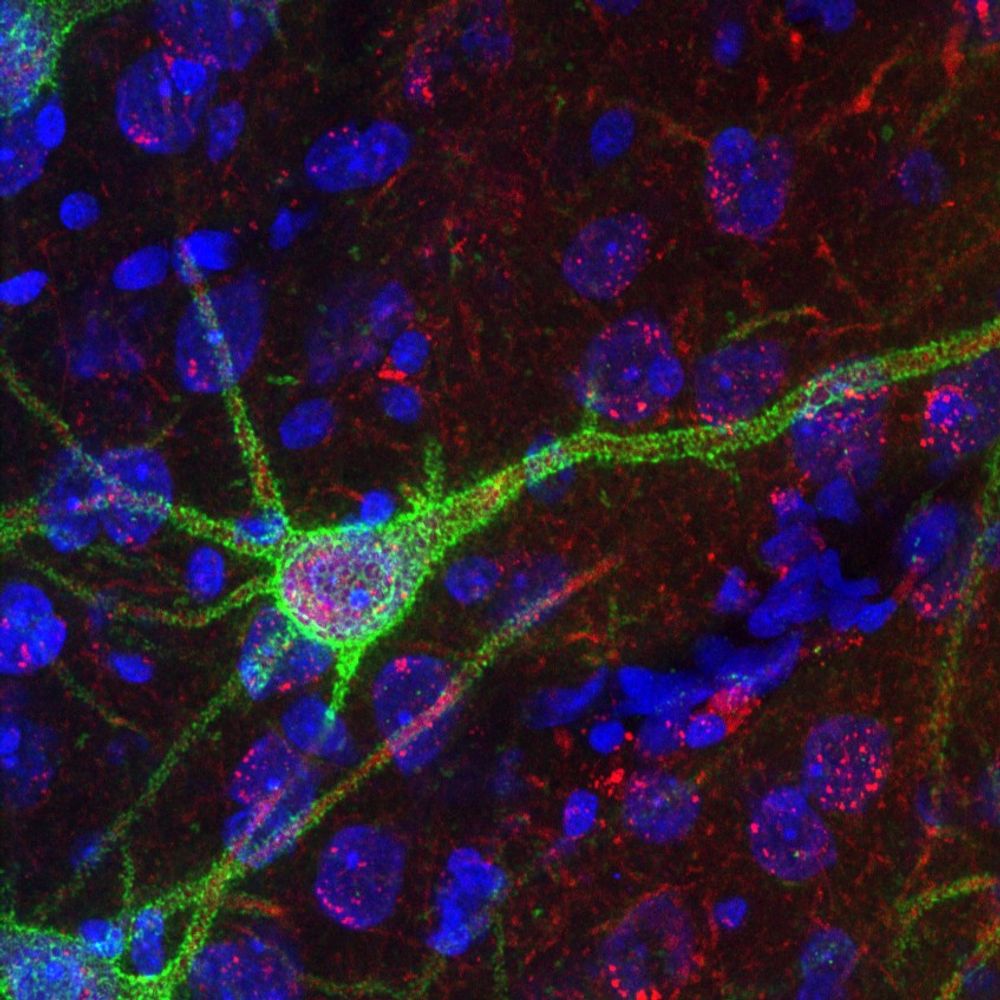
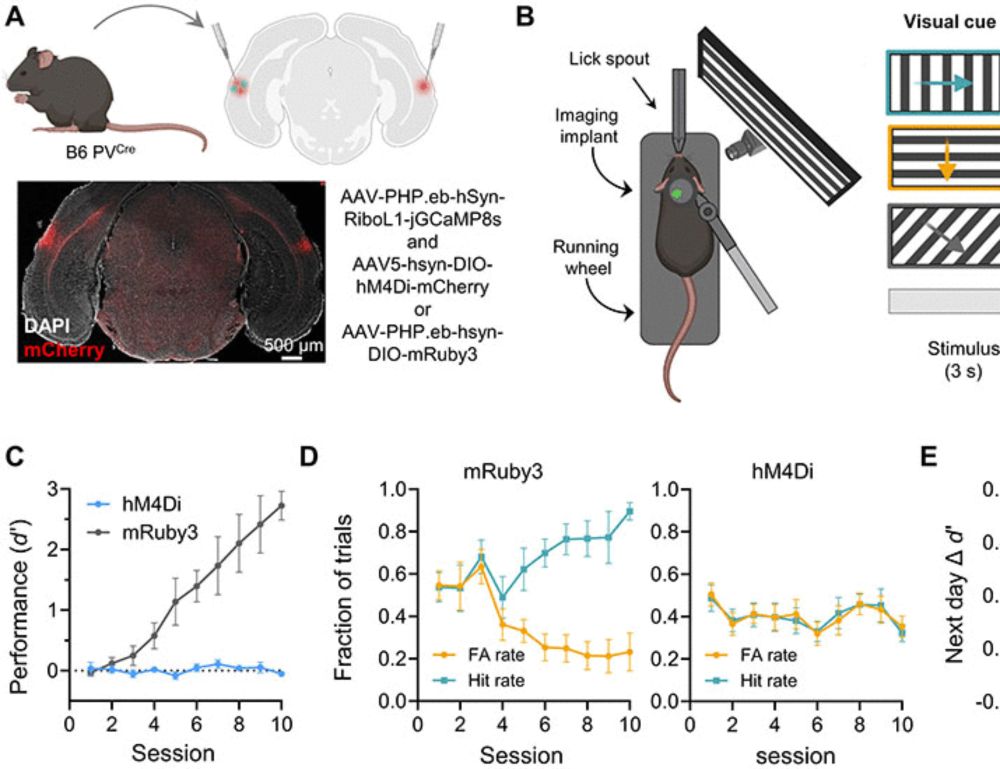
New preprint out in eLife! Neurons in medical entorhinal cortex (MEC) develop responses to visual cues and reward as mice learn a visual Go/NoGo task. elifesciences.org/reviewed-pre...

May 13, 2025 at 6:03 PM
New preprint out in eLife! Neurons in medical entorhinal cortex (MEC) develop responses to visual cues and reward as mice learn a visual Go/NoGo task. elifesciences.org/reviewed-pre...
Reposted

Like every year, our lab plans to attend the @sfn.org meeting in the US. But is it safe to go? This scientist was sent back (as confirmed by @lemonde.fr, no less). Other visitors were recently detained by ICE goons for days. It feels risky. See y'all at FENS in Barcelona? www.fens.org
March 19, 2025 at 7:44 PM
Like every year, our lab plans to attend the @sfn.org meeting in the US. But is it safe to go? This scientist was sent back (as confirmed by @lemonde.fr, no less). Other visitors were recently detained by ICE goons for days. It feels risky. See y'all at FENS in Barcelona? www.fens.org
Reposted

Sadly, it’s time to revive this 2017 TIME cover.

March 1, 2025 at 9:11 PM
Sadly, it’s time to revive this 2017 TIME cover.
Reposted

Thalamic opioids from POMC satiety neurons switch on sugar appetite www.science.org/doi/10.1126/... - or why we crave dessert, even when we're full! 🍰🍨

Thalamic opioids from POMC satiety neurons switch on sugar appetite
High sugar–containing foods are readily consumed, even after meals and beyond fullness sensation (e.g., as desserts). Although reward-driven processing of palatable foods can promote overeating, the n...
www.science.org
February 14, 2025 at 2:02 PM
Thalamic opioids from POMC satiety neurons switch on sugar appetite www.science.org/doi/10.1126/... - or why we crave dessert, even when we're full! 🍰🍨
Reposted

delighted to share our work revealing a new type of excitatory hippocampal neuron we call the "ovoid cell", which has really exquisite properties relative to adjacent pyramidal cells! superb work of first-author @adriennekinman.bsky.social and many others in the lab
www.nature.com/articles/s41...
www.nature.com/articles/s41...
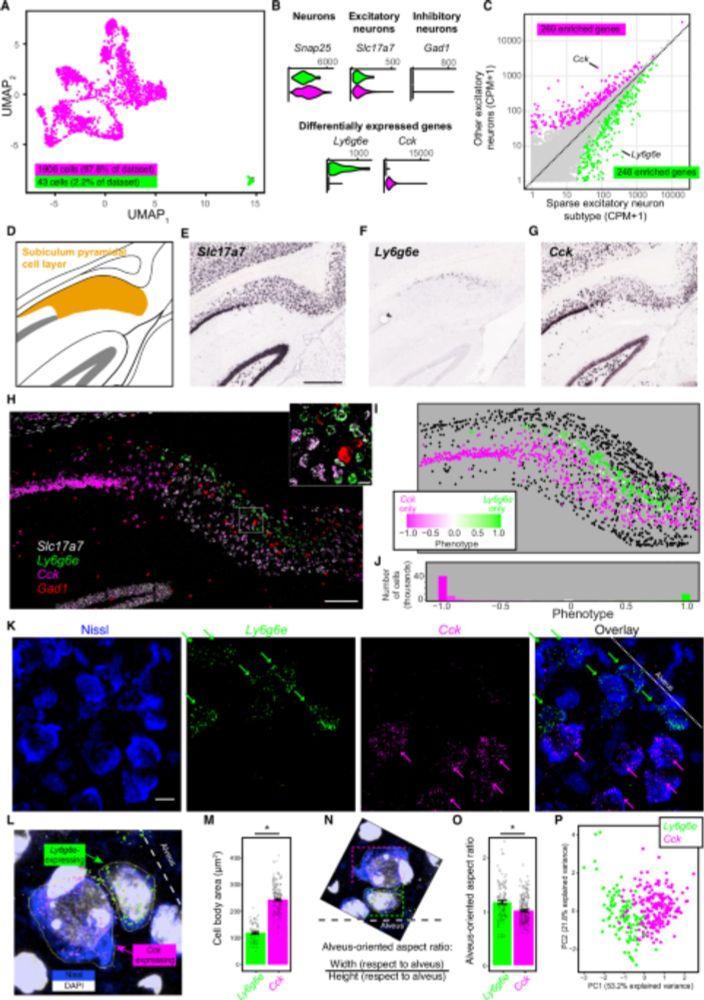
Atypical hippocampal excitatory neurons express and govern object memory - Nature Communications
Pyramidal cells are classically thought to comprise the excitatory output of the subiculum. Here, the authors show the existence of “ovoid cells”, excitatory subiculum neurons with specialized gene ex...
www.nature.com
February 13, 2025 at 6:38 PM
delighted to share our work revealing a new type of excitatory hippocampal neuron we call the "ovoid cell", which has really exquisite properties relative to adjacent pyramidal cells! superb work of first-author @adriennekinman.bsky.social and many others in the lab
www.nature.com/articles/s41...
www.nature.com/articles/s41...
Reposted

1/12 How do animals build an internal map? In our new paper, we tracked thousands of mouse CA1 neurons over days/weeks as they learned a VR navigation task. @nspruston.bsky.social & co-1st author @johanwinn.bsky.social
Video: www.youtube.com/watch?v=yw_4...
Paper: www.nature.com/articles/s41...
Video: www.youtube.com/watch?v=yw_4...
Paper: www.nature.com/articles/s41...
Learning produces an orthogonalized state machine in the hippocampus
YouTube video by Weinan Sun
www.youtube.com
February 12, 2025 at 7:36 PM
1/12 How do animals build an internal map? In our new paper, we tracked thousands of mouse CA1 neurons over days/weeks as they learned a VR navigation task. @nspruston.bsky.social & co-1st author @johanwinn.bsky.social
Video: www.youtube.com/watch?v=yw_4...
Paper: www.nature.com/articles/s41...
Video: www.youtube.com/watch?v=yw_4...
Paper: www.nature.com/articles/s41...
Reposted
A little challenge for neuro/cog sci (/psych/comp-sci/bio/philosophy!) blueys:
How would you define "cognition"?
How would you define "cognition"?
January 15, 2025 at 7:41 AM
A little challenge for neuro/cog sci (/psych/comp-sci/bio/philosophy!) blueys:
How would you define "cognition"?
How would you define "cognition"?
Reposted
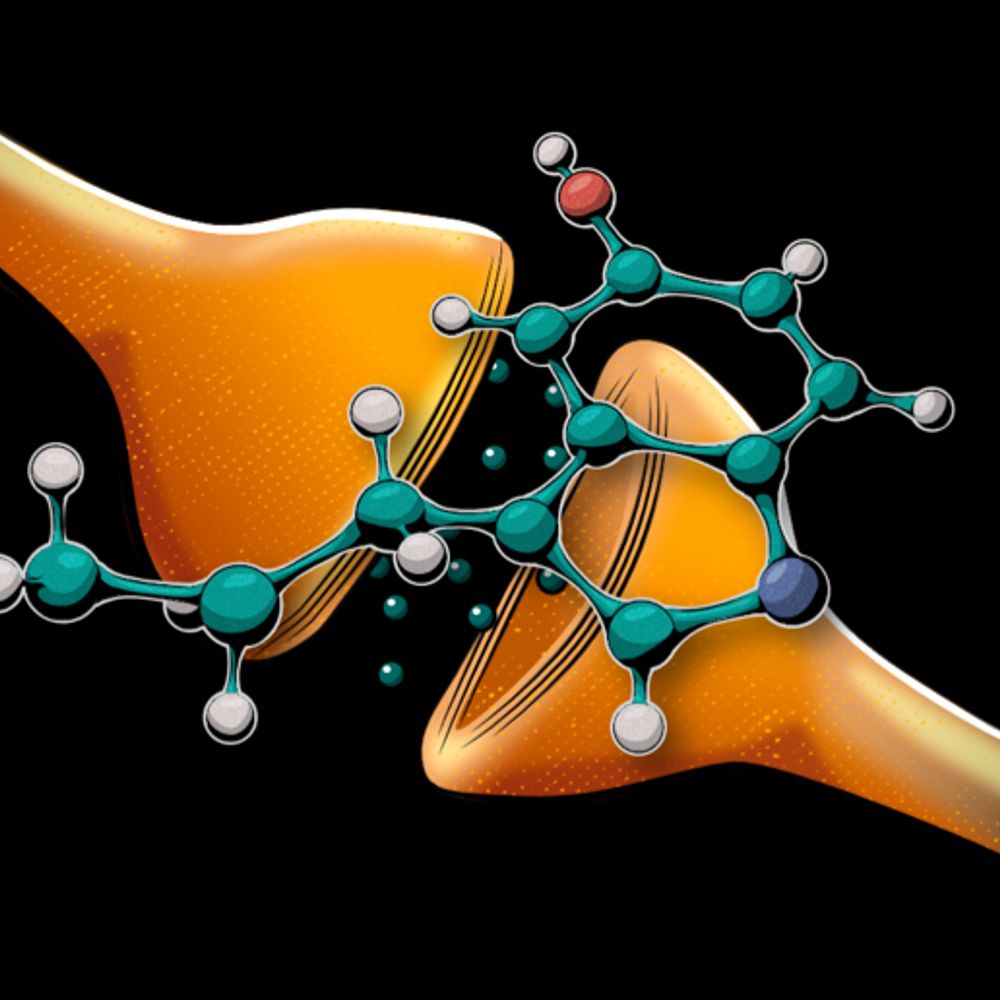
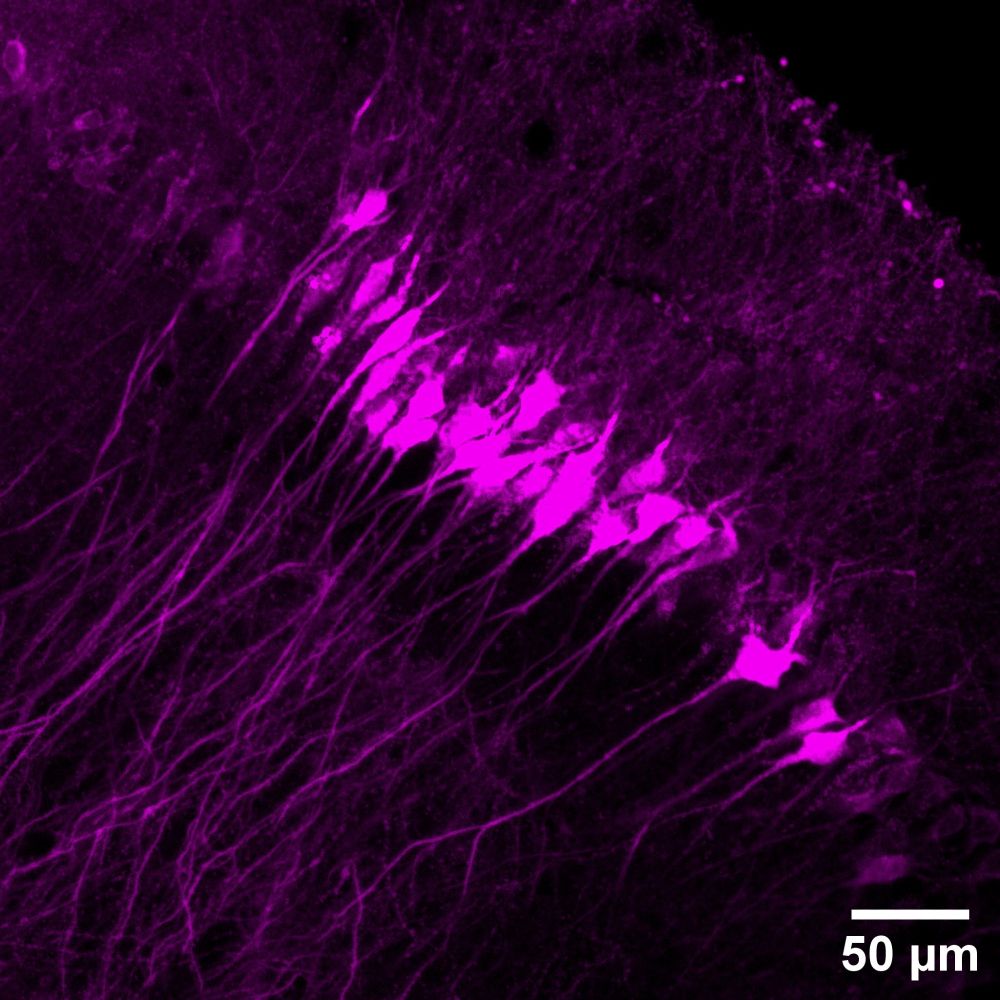
🎄PinkyCaMP- our christmas gift to you! 🎁: We are excited to present PinkyCaMP, the first mScarlet based calcium sensor with:
✨exceptional, brightness
✨phototability
✨and optogenetic compatability.
Check out our new preprint:
www.biorxiv.org/content/10.1...
✨exceptional, brightness
✨phototability
✨and optogenetic compatability.
Check out our new preprint:
www.biorxiv.org/content/10.1...
December 18, 2024 at 10:01 AM
🎄PinkyCaMP- our christmas gift to you! 🎁: We are excited to present PinkyCaMP, the first mScarlet based calcium sensor with:
✨exceptional, brightness
✨phototability
✨and optogenetic compatability.
Check out our new preprint:
www.biorxiv.org/content/10.1...
✨exceptional, brightness
✨phototability
✨and optogenetic compatability.
Check out our new preprint:
www.biorxiv.org/content/10.1...
Reposted

OK If we are moving to Bluesky I am rescuing my favourite ever twitter thread (Jan 2019).
The renamed:
Bluesky-sized history of neuroscience (biased by my interests)
The renamed:
Bluesky-sized history of neuroscience (biased by my interests)
December 1, 2024 at 8:29 PM
OK If we are moving to Bluesky I am rescuing my favourite ever twitter thread (Jan 2019).
The renamed:
Bluesky-sized history of neuroscience (biased by my interests)
The renamed:
Bluesky-sized history of neuroscience (biased by my interests)
Reposted

Together with some friends we built an optical Brain Machine Interface to see if cortical activity (PPC) can control behaviour in real time, without animals having to learn to use it. Here's what happened:
www.biorxiv.org/content/10.1...
www.biorxiv.org/content/10.1...
www.biorxiv.org
December 3, 2024 at 11:03 AM
Together with some friends we built an optical Brain Machine Interface to see if cortical activity (PPC) can control behaviour in real time, without animals having to learn to use it. Here's what happened:
www.biorxiv.org/content/10.1...
www.biorxiv.org/content/10.1...
Reposted

In collaboration with Reuben Saunders, @jswlab.bsky.social, and Xiaowei Zhuang, we are very excited to release Perturb-Multi: a platform for pooled multimodal genetic screens in intact mammalian tissue.
Check it out!
www.biorxiv.org/content/10.1...
Check it out!
www.biorxiv.org/content/10.1...

A platform for multimodal in vivo pooled genetic screens reveals regulators of liver function
Organ function requires coordinated activities of thousands of genes in distinct, spatially organized cell types. Understanding the basis of emergent tissue function requires approaches to dissect the...
www.biorxiv.org
November 21, 2024 at 6:24 PM
In collaboration with Reuben Saunders, @jswlab.bsky.social, and Xiaowei Zhuang, we are very excited to release Perturb-Multi: a platform for pooled multimodal genetic screens in intact mammalian tissue.
Check it out!
www.biorxiv.org/content/10.1...
Check it out!
www.biorxiv.org/content/10.1...