



Sebastian Sippel
@sebastian-sippel.bsky.social
Junior Professor for Climate Attribution at @meteoleipzig.bsky.social
Reposted by Sebastian Sippel
This week, we had a great retreat with our PhDs, Postdocs & PIs in Leipzig @idiv-research.bsky.social
Apart from sharing our progress, we hosted a session on extreme events with guest speakers @sebastian-sippel.bsky.social & @miguelmahecha.bsky.social
Thanks for the insightful talks & discussion!
Apart from sharing our progress, we hosted a session on extreme events with guest speakers @sebastian-sippel.bsky.social & @miguelmahecha.bsky.social
Thanks for the insightful talks & discussion!

November 13, 2025 at 3:36 PM
This week, we had a great retreat with our PhDs, Postdocs & PIs in Leipzig @idiv-research.bsky.social
Apart from sharing our progress, we hosted a session on extreme events with guest speakers @sebastian-sippel.bsky.social & @miguelmahecha.bsky.social
Thanks for the insightful talks & discussion!
Apart from sharing our progress, we hosted a session on extreme events with guest speakers @sebastian-sippel.bsky.social & @miguelmahecha.bsky.social
Thanks for the insightful talks & discussion!
Reposted by Sebastian Sippel

🚀 New season: AI for Good Webinar Series 𝗙𝗿𝗼𝗺 𝗠𝗼𝗹𝗲𝗰𝘂𝗹𝗲𝘀 𝘁𝗼 𝗠𝗼𝗱𝗲𝗹𝘀 - starting TODAY!
@sebastian-sippel.bsky.social (Leipzig University) discusses how past climate events inform future climate risks.
📅 Oct 1st
🕓 17:00-18:00 CEST
Sign-up: aiforgood.itu.int/event/unders...
@sebastian-sippel.bsky.social (Leipzig University) discusses how past climate events inform future climate risks.
📅 Oct 1st
🕓 17:00-18:00 CEST
Sign-up: aiforgood.itu.int/event/unders...

Understanding past climate events and trends to constrain near-future climate risk
The global mean surface temperature record —combining sea surface and near-surface air data— is central to understanding climate variability and change.
aiforgood.itu.int
October 1, 2025 at 12:02 PM
🚀 New season: AI for Good Webinar Series 𝗙𝗿𝗼𝗺 𝗠𝗼𝗹𝗲𝗰𝘂𝗹𝗲𝘀 𝘁𝗼 𝗠𝗼𝗱𝗲𝗹𝘀 - starting TODAY!
@sebastian-sippel.bsky.social (Leipzig University) discusses how past climate events inform future climate risks.
📅 Oct 1st
🕓 17:00-18:00 CEST
Sign-up: aiforgood.itu.int/event/unders...
@sebastian-sippel.bsky.social (Leipzig University) discusses how past climate events inform future climate risks.
📅 Oct 1st
🕓 17:00-18:00 CEST
Sign-up: aiforgood.itu.int/event/unders...
Reposted by Sebastian Sippel

Es ist eine grosse Ehre, den 2025 Deutschen Umweltpreis zu erhalten! Danke an alle meine jetzigen und ehemaligen Gruppenmitglieder und viele Kolleg:innen!
@lukasgudmundsson.bsky.social @yasserhaddad.bsky.social @yannquilcaille.bsky.social @michaelgwindisch.bsky.social @usyseth.bsky.social
@lukasgudmundsson.bsky.social @yasserhaddad.bsky.social @yannquilcaille.bsky.social @michaelgwindisch.bsky.social @usyseth.bsky.social

Ausgezeichnet!🏆Mit dem Deutschen Umweltpreis 2025 von der DBU #uwp25 werden die Klimaforscherin @soniaseneviratne.bsky.social @ethz.ch & das Geschäftsführungsduo Lars Baumgürtel und Dr. Ing. Birgitt Bendiek des Stahlverzinkungsunternehmens ZINQ geehrt. buff.ly/QEDIjX0

September 12, 2025 at 7:18 AM
Es ist eine grosse Ehre, den 2025 Deutschen Umweltpreis zu erhalten! Danke an alle meine jetzigen und ehemaligen Gruppenmitglieder und viele Kolleg:innen!
@lukasgudmundsson.bsky.social @yasserhaddad.bsky.social @yannquilcaille.bsky.social @michaelgwindisch.bsky.social @usyseth.bsky.social
@lukasgudmundsson.bsky.social @yasserhaddad.bsky.social @yannquilcaille.bsky.social @michaelgwindisch.bsky.social @usyseth.bsky.social
Reposted by Sebastian Sippel

Hosted by @meteoleipzig.bsky.social @unileipzig.bsky.social @tropos-de.bsky.social , ECO-N research training group funded by @dfg.de
Great lectures by @sebastian-sippel.bsky.social @frediotto.bsky.social @mdebrito.bsky.social @zscheischlerjak.bsky.social and more!
Great lectures by @sebastian-sippel.bsky.social @frediotto.bsky.social @mdebrito.bsky.social @zscheischlerjak.bsky.social and more!


September 4, 2025 at 9:06 AM
Hosted by @meteoleipzig.bsky.social @unileipzig.bsky.social @tropos-de.bsky.social , ECO-N research training group funded by @dfg.de
Great lectures by @sebastian-sippel.bsky.social @frediotto.bsky.social @mdebrito.bsky.social @zscheischlerjak.bsky.social and more!
Great lectures by @sebastian-sippel.bsky.social @frediotto.bsky.social @mdebrito.bsky.social @zscheischlerjak.bsky.social and more!
Reposted by Sebastian Sippel
The current Advanced Training Module on "Climate Attribution", joinly by our interdisciplinary research training group "Economics of Connected Natural Commons" and the Leipzig Graduate school on Clouds, aerosols and radiation sparked large interest: 65 PhD researchers from 7 countries!


September 4, 2025 at 9:03 AM
The current Advanced Training Module on "Climate Attribution", joinly by our interdisciplinary research training group "Economics of Connected Natural Commons" and the Leipzig Graduate school on Clouds, aerosols and radiation sparked large interest: 65 PhD researchers from 7 countries!
Reposted by Sebastian Sippel

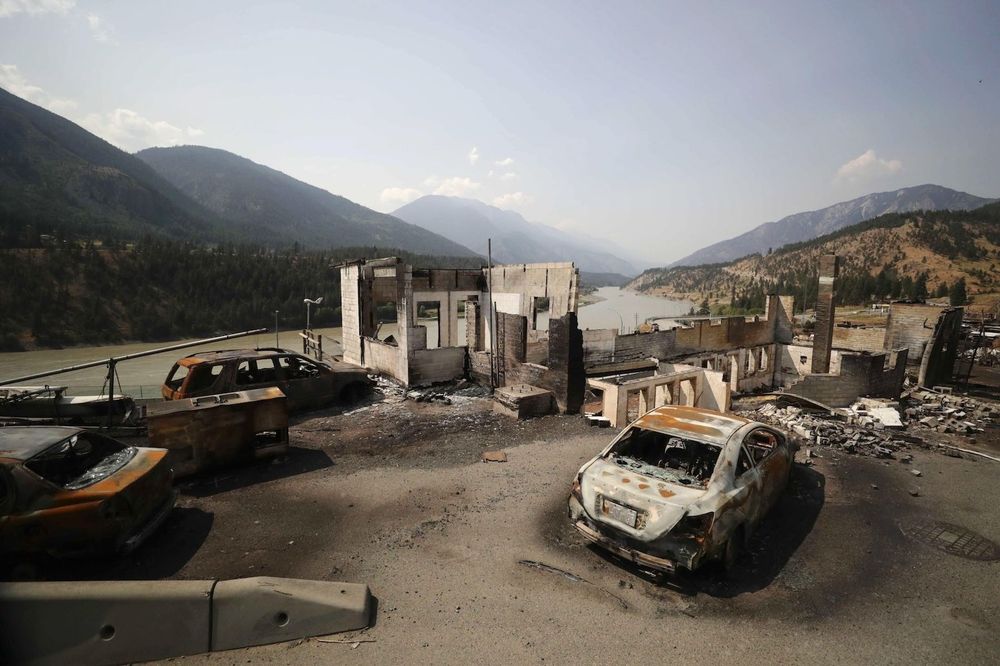
NEW – Guest post: How climate change is fuelling record-breaking extreme weather | @erichfischer.bsky.social
Read here: buff.ly/bnrSvQN
Read here: buff.ly/bnrSvQN
June 13, 2025 at 10:00 AM
NEW – Guest post: How climate change is fuelling record-breaking extreme weather | @erichfischer.bsky.social
Read here: buff.ly/bnrSvQN
Read here: buff.ly/bnrSvQN
Reposted by Sebastian Sippel

High warming rate fuels record-breaking weather
The longer our measurements, the fewer record-breaking events we should observe.
The opposite is the case - many more records and higher record margins
I summarise the key takeaways of our @natrevearthenviron.nature.com article in a guest post.
The longer our measurements, the fewer record-breaking events we should observe.
The opposite is the case - many more records and higher record margins
I summarise the key takeaways of our @natrevearthenviron.nature.com article in a guest post.
NEW – Guest post: How climate change is fuelling record-breaking extreme weather | @erichfischer.bsky.social
Read here: buff.ly/bnrSvQN
Read here: buff.ly/bnrSvQN
June 13, 2025 at 10:40 AM
High warming rate fuels record-breaking weather
The longer our measurements, the fewer record-breaking events we should observe.
The opposite is the case - many more records and higher record margins
I summarise the key takeaways of our @natrevearthenviron.nature.com article in a guest post.
The longer our measurements, the fewer record-breaking events we should observe.
The opposite is the case - many more records and higher record margins
I summarise the key takeaways of our @natrevearthenviron.nature.com article in a guest post.
Reposted by Sebastian Sippel
Find the original @natrevearthenviron.nature.com article with important contributions from co-authors Margot Bador, Raphaël Huser, Lizzie Kendon, Alexander Robinson, and @sebastian-sippel.bsky.social
rdcu.be/eqPrN
rdcu.be/eqPrN
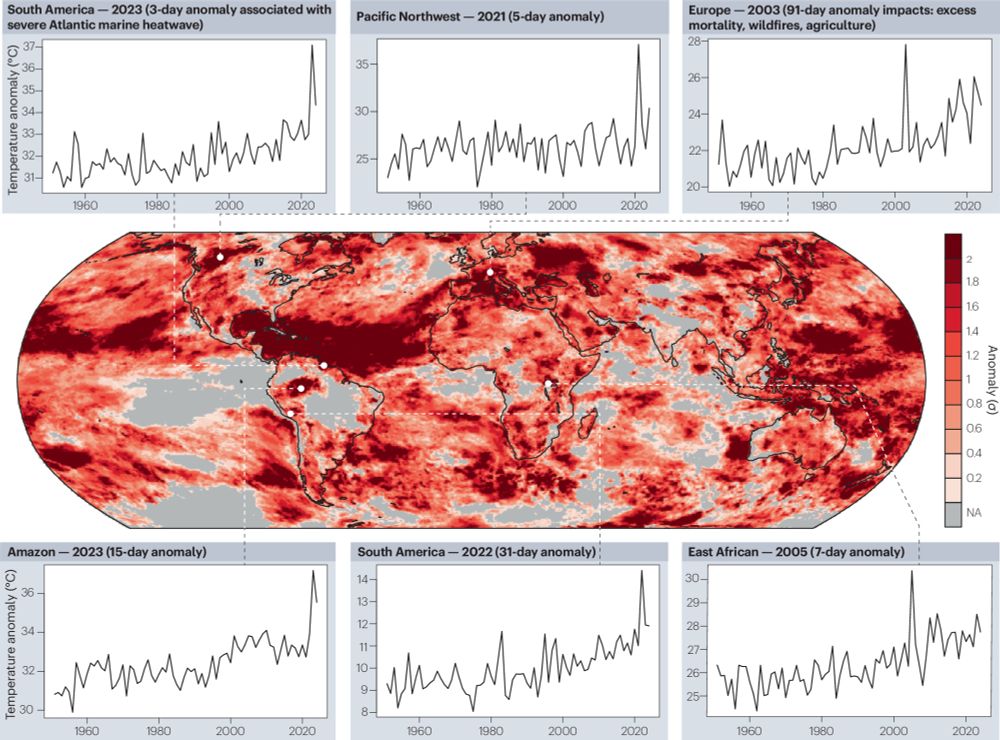
Record-breaking extremes in a warming climate
Nature Reviews Earth & Environment - Multiple record-breaking climate events have been observed, posing socioeconomic risks. This Review outlines observed and projected changes in...
rdcu.be
June 13, 2025 at 10:40 AM
Find the original @natrevearthenviron.nature.com article with important contributions from co-authors Margot Bador, Raphaël Huser, Lizzie Kendon, Alexander Robinson, and @sebastian-sippel.bsky.social
rdcu.be/eqPrN
rdcu.be/eqPrN
Reposted by Sebastian Sippel

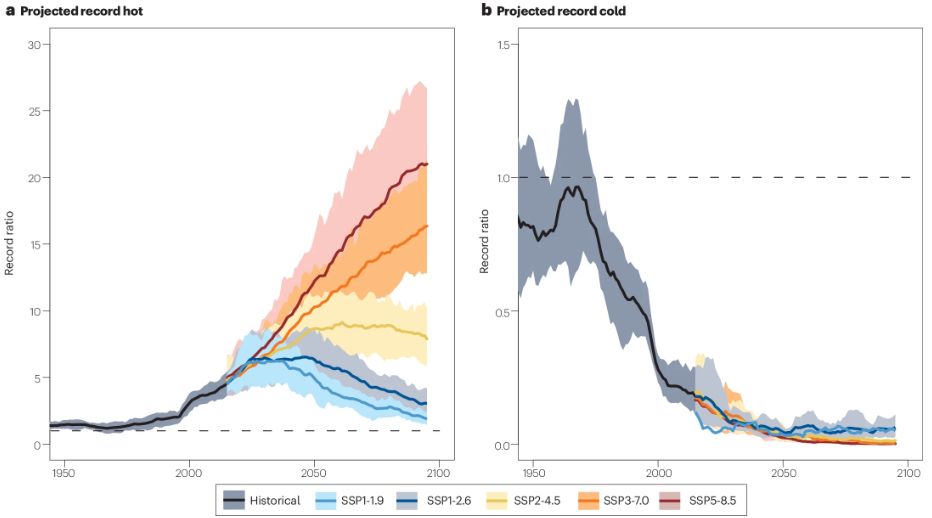
🚨New Review!
'Record-breaking extremes in a warming climate'
By @erichfischer.bsky.social, @sebastian-sippel.bsky.social et al.
www.nature.com/articles/s43...
'Record-breaking extremes in a warming climate'
By @erichfischer.bsky.social, @sebastian-sippel.bsky.social et al.
www.nature.com/articles/s43...
June 2, 2025 at 1:40 PM
🚨New Review!
'Record-breaking extremes in a warming climate'
By @erichfischer.bsky.social, @sebastian-sippel.bsky.social et al.
www.nature.com/articles/s43...
'Record-breaking extremes in a warming climate'
By @erichfischer.bsky.social, @sebastian-sippel.bsky.social et al.
www.nature.com/articles/s43...
Reposted by Sebastian Sippel

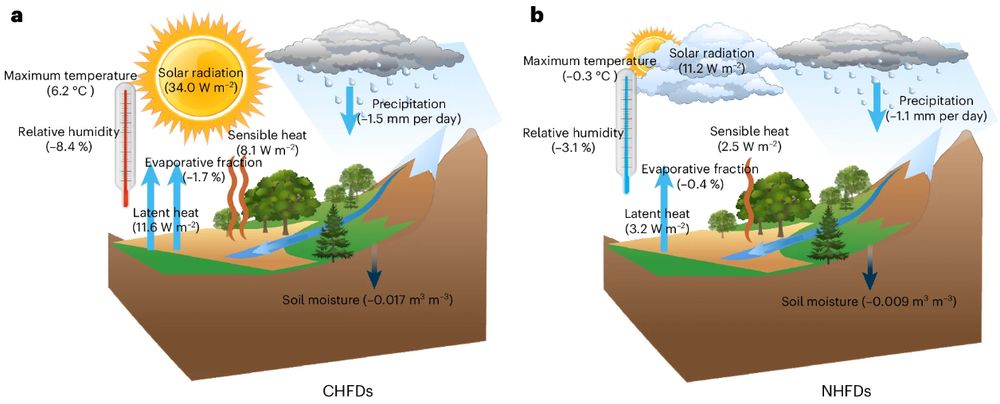
⚒️ Article: Flash droughts that are accompanied by extreme heat drive more severe and prolonged impacts on global ecosystems
@erichfischer.bsky.social @ethz.ch @louiseslater.bsky.social @sebastian-sippel.bsky.social @retoknutti.bsky.social
www.nature.com/articles/s41...
@erichfischer.bsky.social @ethz.ch @louiseslater.bsky.social @sebastian-sippel.bsky.social @retoknutti.bsky.social
www.nature.com/articles/s41...
June 2, 2025 at 3:00 PM
⚒️ Article: Flash droughts that are accompanied by extreme heat drive more severe and prolonged impacts on global ecosystems
@erichfischer.bsky.social @ethz.ch @louiseslater.bsky.social @sebastian-sippel.bsky.social @retoknutti.bsky.social
www.nature.com/articles/s41...
@erichfischer.bsky.social @ethz.ch @louiseslater.bsky.social @sebastian-sippel.bsky.social @retoknutti.bsky.social
www.nature.com/articles/s41...
Reposted by Sebastian Sippel
How long does it take until we detect forced signals in global and regional land carbon fluxes?
And can we use dynamical adjustment to reduce the noise and shorten the detection time?
Check out LiNa's paper 👇
egusphere.copernicus.org/preprints/20...
Co-advised by @sebastian-sippel.bsky.social
And can we use dynamical adjustment to reduce the noise and shorten the detection time?
Check out LiNa's paper 👇
egusphere.copernicus.org/preprints/20...
Co-advised by @sebastian-sippel.bsky.social

Constraining the time of emergence of anthropogenic signal in the global land carbon sink
Abstract. The global land carbon sink has increased since the preindustrial period, driven by increasing atmospheric CO2 concentration and climate change. However, detecting these anthropogenic signal...
egusphere.copernicus.org
May 20, 2025 at 10:28 AM
How long does it take until we detect forced signals in global and regional land carbon fluxes?
And can we use dynamical adjustment to reduce the noise and shorten the detection time?
Check out LiNa's paper 👇
egusphere.copernicus.org/preprints/20...
Co-advised by @sebastian-sippel.bsky.social
And can we use dynamical adjustment to reduce the noise and shorten the detection time?
Check out LiNa's paper 👇
egusphere.copernicus.org/preprints/20...
Co-advised by @sebastian-sippel.bsky.social
Reposted by Sebastian Sippel

New paper by Sebastian Sippel and colleagues provides evidence that the SST component of most current global temperature datasets is too cold during (roughly) 1900-1930.
doi.org/10.1038/s415...
doi.org/10.1038/s415...
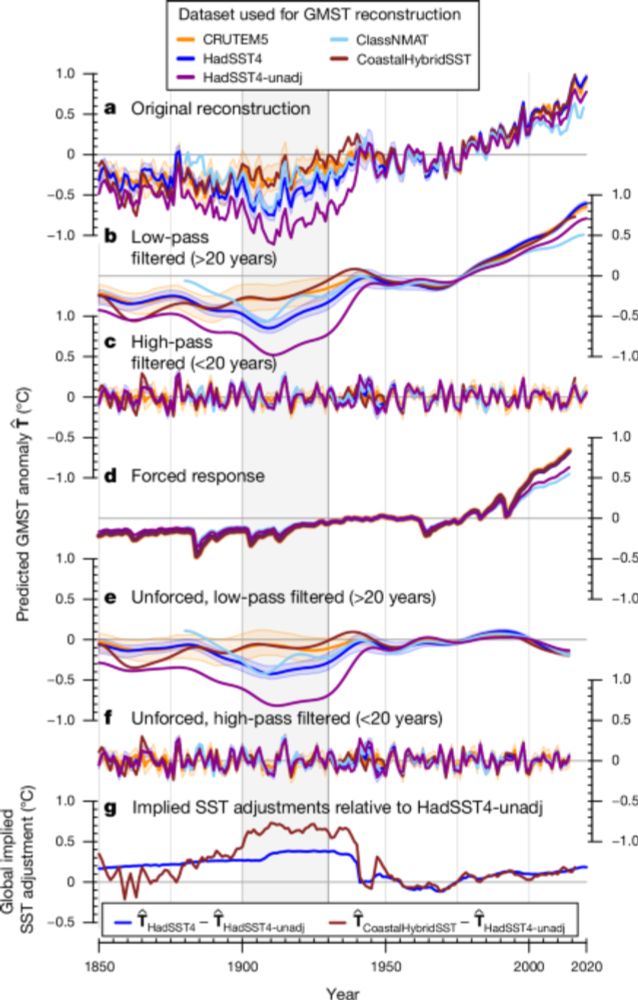
Early-twentieth-century cold bias in ocean surface temperature observations - Nature
Independent statistical reconstructions of the global mean surface temperature from either ocean or land data show that existing estimates of early-twentieth-century ocean surface temperatures are too...
doi.org
November 20, 2024 at 4:23 PM
New paper by Sebastian Sippel and colleagues provides evidence that the SST component of most current global temperature datasets is too cold during (roughly) 1900-1930.
doi.org/10.1038/s415...
doi.org/10.1038/s415...
Reposted by Sebastian Sippel

A new paper led by Sebastian Sippel just appeared in Nature arguing that ocean temperature measurements in the early 20th century have a cold bias.
It's a fun story illustrating the process of scientific discovery, so let me talk about it a bit. 🧵
www.nature.com/articles/s41...
It's a fun story illustrating the process of scientific discovery, so let me talk about it a bit. 🧵
www.nature.com/articles/s41...
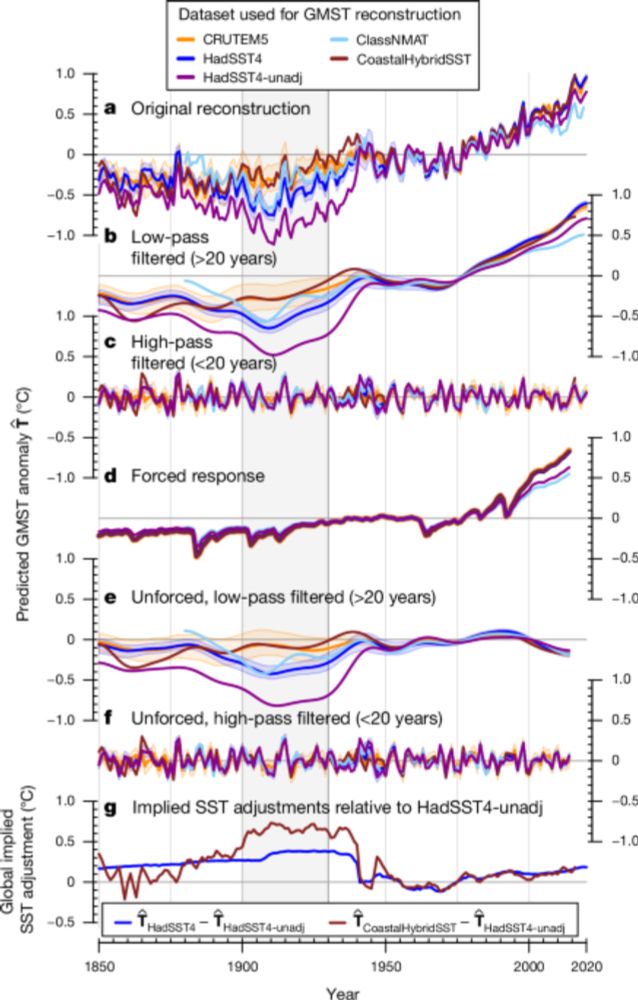
Early-twentieth-century cold bias in ocean surface temperature observations - Nature
Independent statistical reconstructions of the global mean surface temperature from either ocean or land data show that existing estimates of early-twentieth-century ocean surface temperatures are too...
www.nature.com
November 22, 2024 at 9:38 AM
A new paper led by Sebastian Sippel just appeared in Nature arguing that ocean temperature measurements in the early 20th century have a cold bias.
It's a fun story illustrating the process of scientific discovery, so let me talk about it a bit. 🧵
www.nature.com/articles/s41...
It's a fun story illustrating the process of scientific discovery, so let me talk about it a bit. 🧵
www.nature.com/articles/s41...
Reposted by Sebastian Sippel

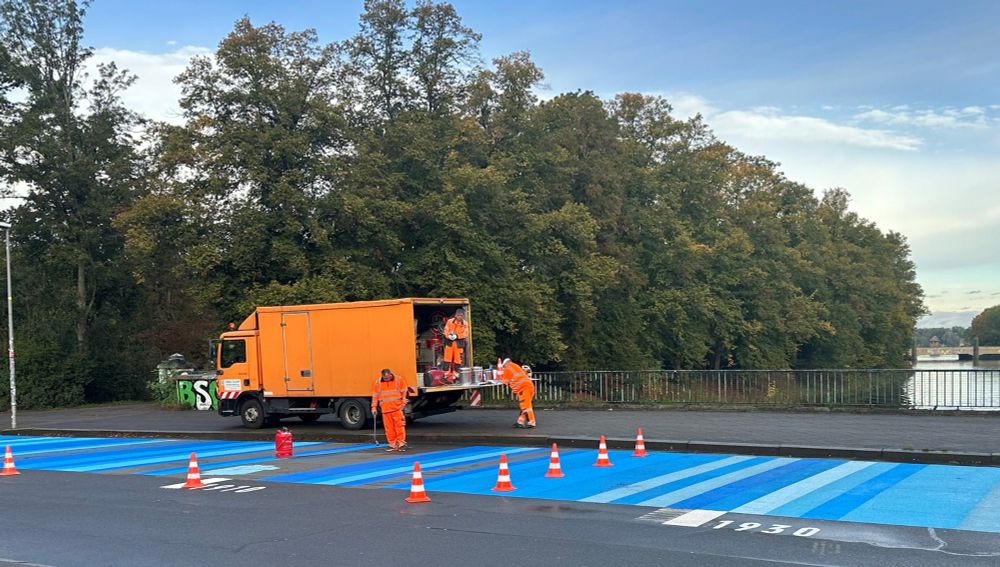
Redrawing the global warming stripes.
In a new paper led by Sebastian Sippel published in Nature today, we show that the early 20th century global ocean surface temperatures and thereby global mean surface temperature were warmer than previously thought.
Thread... (1/13)
In a new paper led by Sebastian Sippel published in Nature today, we show that the early 20th century global ocean surface temperatures and thereby global mean surface temperature were warmer than previously thought.
Thread... (1/13)
November 20, 2024 at 4:14 PM
Redrawing the global warming stripes.
In a new paper led by Sebastian Sippel published in Nature today, we show that the early 20th century global ocean surface temperatures and thereby global mean surface temperature were warmer than previously thought.
Thread... (1/13)
In a new paper led by Sebastian Sippel published in Nature today, we show that the early 20th century global ocean surface temperatures and thereby global mean surface temperature were warmer than previously thought.
Thread... (1/13)
Reposted by Sebastian Sippel

Breaking News!
Seminal paper by our own Sebastian Sippel & colleagues published in Nature @natureportfolio.bsky.social today! They provide evidence that the Sea Surface Temperatures in most current global temperature datasets are considerably too cold (1900-1930):
www.nature.com/articles/s41...
Seminal paper by our own Sebastian Sippel & colleagues published in Nature @natureportfolio.bsky.social today! They provide evidence that the Sea Surface Temperatures in most current global temperature datasets are considerably too cold (1900-1930):
www.nature.com/articles/s41...
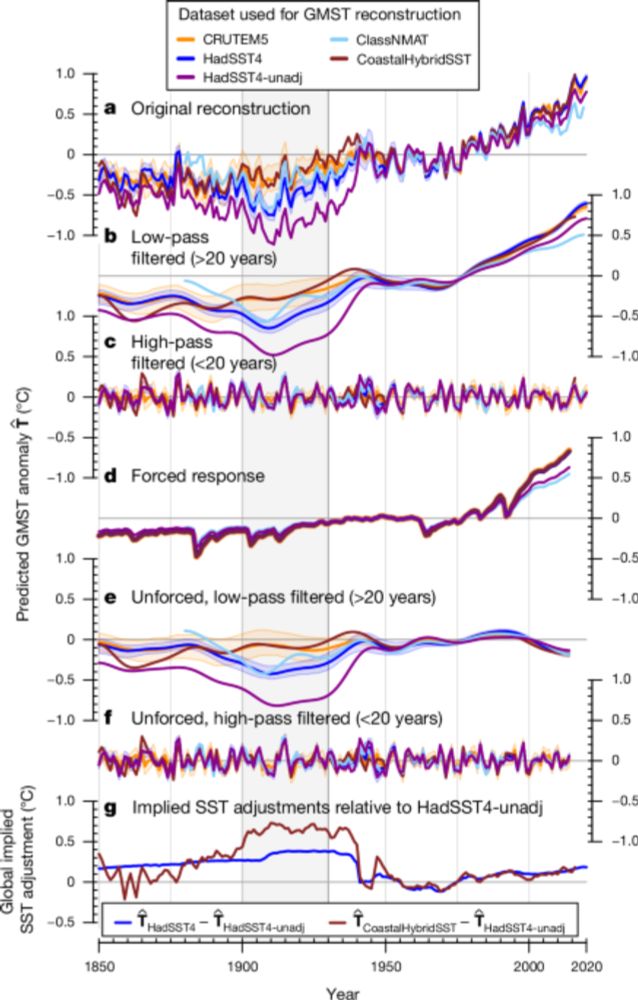
Early-twentieth-century cold bias in ocean surface temperature observations - Nature
Independent statistical reconstructions of the global mean surface temperature from either ocean or land data show that existing estimates of early-twentieth-century ocean surface temperatures are too...
www.nature.com
November 20, 2024 at 7:39 PM
Breaking News!
Seminal paper by our own Sebastian Sippel & colleagues published in Nature @natureportfolio.bsky.social today! They provide evidence that the Sea Surface Temperatures in most current global temperature datasets are considerably too cold (1900-1930):
www.nature.com/articles/s41...
Seminal paper by our own Sebastian Sippel & colleagues published in Nature @natureportfolio.bsky.social today! They provide evidence that the Sea Surface Temperatures in most current global temperature datasets are considerably too cold (1900-1930):
www.nature.com/articles/s41...