


Gurn Blanston
@gurnb.bsky.social
Classical music lover, writer, braider of leather, old guy sitting on his porch and yelling at the kids to get off my lawn. I resist and always will! Learn about composer Joseph Haydn on my blog at fjhaydn.com. I HAVE NO INTEREST IN CRYPTO. DON'T BOTHER.
Pinned

#ClassicalMusic #MyDailyDose #18thCenturyMusic
The Prussian Court in pictures has been well-documented for me recently by my acquisition of so many albums of 'Music for the Berlin Court'. 😏 Here is another, need I say the playing of the Berlin AAM is typically excellent? 🤠
The Prussian Court in pictures has been well-documented for me recently by my acquisition of so many albums of 'Music for the Berlin Court'. 😏 Here is another, need I say the playing of the Berlin AAM is typically excellent? 🤠

December 6, 2025 at 9:16 PM
#ClassicalMusic #MyDailyDose #18thCenturyMusic
The Prussian Court in pictures has been well-documented for me recently by my acquisition of so many albums of 'Music for the Berlin Court'. 😏 Here is another, need I say the playing of the Berlin AAM is typically excellent? 🤠
The Prussian Court in pictures has been well-documented for me recently by my acquisition of so many albums of 'Music for the Berlin Court'. 😏 Here is another, need I say the playing of the Berlin AAM is typically excellent? 🤠
#ClassicalMusic #MyDailyDose #18thCenturyMusic
Janitsch's Quadros for winds are among the most entertaining works of the era. Mostly written for his Friday Academies, they must have provided a solid basis for the entertainment provided by all the big names in Berlin!🤠
Janitsch's Quadros for winds are among the most entertaining works of the era. Mostly written for his Friday Academies, they must have provided a solid basis for the entertainment provided by all the big names in Berlin!🤠

December 5, 2025 at 3:45 PM
#ClassicalMusic #MyDailyDose #18thCenturyMusic
Janitsch's Quadros for winds are among the most entertaining works of the era. Mostly written for his Friday Academies, they must have provided a solid basis for the entertainment provided by all the big names in Berlin!🤠
Janitsch's Quadros for winds are among the most entertaining works of the era. Mostly written for his Friday Academies, they must have provided a solid basis for the entertainment provided by all the big names in Berlin!🤠
#ClassicalMusic #MyDailyDose #18thCenturyMusic
Though we often hear these works on winds, the whole concept of Trio Sonatas generated from 2 Violins & BC. When played by a suitable consort, in this case the continuo is cello & harpsichord (Egarr), this realization stands up to most. 🤠
Though we often hear these works on winds, the whole concept of Trio Sonatas generated from 2 Violins & BC. When played by a suitable consort, in this case the continuo is cello & harpsichord (Egarr), this realization stands up to most. 🤠

December 4, 2025 at 11:15 PM
#ClassicalMusic #MyDailyDose #18thCenturyMusic
Though we often hear these works on winds, the whole concept of Trio Sonatas generated from 2 Violins & BC. When played by a suitable consort, in this case the continuo is cello & harpsichord (Egarr), this realization stands up to most. 🤠
Though we often hear these works on winds, the whole concept of Trio Sonatas generated from 2 Violins & BC. When played by a suitable consort, in this case the continuo is cello & harpsichord (Egarr), this realization stands up to most. 🤠
#ClassicalMusic #MyDailyDose #18thCenturyMusic
What a delightful album! The recorder was still a bigtime instrument in chamber music, and the composers here treated it as one. Not to mention the hugely popular bassoon. I have several Lussier albums, but this is my first with Lauzer; he's a player!🤠
What a delightful album! The recorder was still a bigtime instrument in chamber music, and the composers here treated it as one. Not to mention the hugely popular bassoon. I have several Lussier albums, but this is my first with Lauzer; he's a player!🤠

December 4, 2025 at 4:06 PM
#ClassicalMusic #MyDailyDose #18thCenturyMusic
What a delightful album! The recorder was still a bigtime instrument in chamber music, and the composers here treated it as one. Not to mention the hugely popular bassoon. I have several Lussier albums, but this is my first with Lauzer; he's a player!🤠
What a delightful album! The recorder was still a bigtime instrument in chamber music, and the composers here treated it as one. Not to mention the hugely popular bassoon. I have several Lussier albums, but this is my first with Lauzer; he's a player!🤠
#ClassicalMusic #MyDailyDose #18thCenturyMusic
Fasch's work was informally well-distributed throughout northern Europe. His correspondents who received this generosity included Heinechen & Pisendel in Dresden, Telemann in Hamburg and (probably) Graun in Berlin. They returned the favor. Nice!🤠
Fasch's work was informally well-distributed throughout northern Europe. His correspondents who received this generosity included Heinechen & Pisendel in Dresden, Telemann in Hamburg and (probably) Graun in Berlin. They returned the favor. Nice!🤠

December 4, 2025 at 3:38 AM
#ClassicalMusic #MyDailyDose #18thCenturyMusic
Fasch's work was informally well-distributed throughout northern Europe. His correspondents who received this generosity included Heinechen & Pisendel in Dresden, Telemann in Hamburg and (probably) Graun in Berlin. They returned the favor. Nice!🤠
Fasch's work was informally well-distributed throughout northern Europe. His correspondents who received this generosity included Heinechen & Pisendel in Dresden, Telemann in Hamburg and (probably) Graun in Berlin. They returned the favor. Nice!🤠
#ClassicalMusic #MyDailyDose #18thCenturyMusic
While on the subject of harpsichordists stuck playing continuo, here is one who spent most of his life accompanying Frederick II and his band. But Schaffrath did get the chance to play outside of the court, & his sonatas and concertos are very nice!🤠
While on the subject of harpsichordists stuck playing continuo, here is one who spent most of his life accompanying Frederick II and his band. But Schaffrath did get the chance to play outside of the court, & his sonatas and concertos are very nice!🤠

December 3, 2025 at 4:02 PM
#ClassicalMusic #MyDailyDose #18thCenturyMusic
While on the subject of harpsichordists stuck playing continuo, here is one who spent most of his life accompanying Frederick II and his band. But Schaffrath did get the chance to play outside of the court, & his sonatas and concertos are very nice!🤠
While on the subject of harpsichordists stuck playing continuo, here is one who spent most of his life accompanying Frederick II and his band. But Schaffrath did get the chance to play outside of the court, & his sonatas and concertos are very nice!🤠
#ClassicalMusic #MyDailyDose #18thCenturyMusic
As the continuo player for Ensemble Diderot, Grisvard probably doesn't get much chance to show out. But these concertos are more than ample opportunity, and these composers were at the top of the keyboard pile in Berlin, so very nice result! 🤠
As the continuo player for Ensemble Diderot, Grisvard probably doesn't get much chance to show out. But these concertos are more than ample opportunity, and these composers were at the top of the keyboard pile in Berlin, so very nice result! 🤠

December 2, 2025 at 4:35 PM
#ClassicalMusic #MyDailyDose #18thCenturyMusic
As the continuo player for Ensemble Diderot, Grisvard probably doesn't get much chance to show out. But these concertos are more than ample opportunity, and these composers were at the top of the keyboard pile in Berlin, so very nice result! 🤠
As the continuo player for Ensemble Diderot, Grisvard probably doesn't get much chance to show out. But these concertos are more than ample opportunity, and these composers were at the top of the keyboard pile in Berlin, so very nice result! 🤠
#ClassicalMusic #MyDailyDose #18thCenturyMusic
Stumbled upon this, rather by (happy) accident. Earlier I had tried Graupner's keyboard music, then his orchestral music, both very interesting. These, however, really stand out versus much other early 18th chamber music that I have. Excellent! 🤠
Stumbled upon this, rather by (happy) accident. Earlier I had tried Graupner's keyboard music, then his orchestral music, both very interesting. These, however, really stand out versus much other early 18th chamber music that I have. Excellent! 🤠

December 1, 2025 at 9:18 PM
#ClassicalMusic #MyDailyDose #18thCenturyMusic
Stumbled upon this, rather by (happy) accident. Earlier I had tried Graupner's keyboard music, then his orchestral music, both very interesting. These, however, really stand out versus much other early 18th chamber music that I have. Excellent! 🤠
Stumbled upon this, rather by (happy) accident. Earlier I had tried Graupner's keyboard music, then his orchestral music, both very interesting. These, however, really stand out versus much other early 18th chamber music that I have. Excellent! 🤠
#ClassicalMusic #MyDailyDose #18thCenturyMusic
Volume 18: they have arrived at a trio of my subtle favorites, #29, 55 & 56. I suspect that 29 was an experiment, it has one of the most bizarre minuet/trio movements Haydn ever wrote. 55, 56 (& 57) are the first non-S&D works in a while. Very nice!🤠
Volume 18: they have arrived at a trio of my subtle favorites, #29, 55 & 56. I suspect that 29 was an experiment, it has one of the most bizarre minuet/trio movements Haydn ever wrote. 55, 56 (& 57) are the first non-S&D works in a while. Very nice!🤠

December 1, 2025 at 5:41 PM
#ClassicalMusic #MyDailyDose #18thCenturyMusic
Volume 18: they have arrived at a trio of my subtle favorites, #29, 55 & 56. I suspect that 29 was an experiment, it has one of the most bizarre minuet/trio movements Haydn ever wrote. 55, 56 (& 57) are the first non-S&D works in a while. Very nice!🤠
Volume 18: they have arrived at a trio of my subtle favorites, #29, 55 & 56. I suspect that 29 was an experiment, it has one of the most bizarre minuet/trio movements Haydn ever wrote. 55, 56 (& 57) are the first non-S&D works in a while. Very nice!🤠
#ClassicalMusic #MyDailyDose #18thCenturyMusic
I've mentioned volume 2 of this 'series' a couple of times, great playing of great music. After several months I finally got my hands on volume 1. Great playing of great music, yet again. Mannheim was a special place at mid-century. 🤠
I've mentioned volume 2 of this 'series' a couple of times, great playing of great music. After several months I finally got my hands on volume 1. Great playing of great music, yet again. Mannheim was a special place at mid-century. 🤠


November 28, 2025 at 4:44 PM
#ClassicalMusic #MyDailyDose #18thCenturyMusic
I've mentioned volume 2 of this 'series' a couple of times, great playing of great music. After several months I finally got my hands on volume 1. Great playing of great music, yet again. Mannheim was a special place at mid-century. 🤠
I've mentioned volume 2 of this 'series' a couple of times, great playing of great music. After several months I finally got my hands on volume 1. Great playing of great music, yet again. Mannheim was a special place at mid-century. 🤠
#ClassicalMusic #MyDailyDose #18thCenturyMusic
'Symphonies' from the days when they were just a very nice piece of chamber music, and there were still some unusual instruments that hadn't been 'modernized' yet, like the Terzetto Flute (a third higher than the 'normal' flute). Very satisfactory.🤠
'Symphonies' from the days when they were just a very nice piece of chamber music, and there were still some unusual instruments that hadn't been 'modernized' yet, like the Terzetto Flute (a third higher than the 'normal' flute). Very satisfactory.🤠

November 27, 2025 at 11:23 PM
#ClassicalMusic #MyDailyDose #18thCenturyMusic
'Symphonies' from the days when they were just a very nice piece of chamber music, and there were still some unusual instruments that hadn't been 'modernized' yet, like the Terzetto Flute (a third higher than the 'normal' flute). Very satisfactory.🤠
'Symphonies' from the days when they were just a very nice piece of chamber music, and there were still some unusual instruments that hadn't been 'modernized' yet, like the Terzetto Flute (a third higher than the 'normal' flute). Very satisfactory.🤠
#ClassicalMusic #MyDailyDose #18thCenturyMusic
New to me yesterday; a really rocking disc, Ghielmi is new to me, Dorothea Oberlinger is not, she's one of the finest recorder players around. Definitely hit the random choice jackpot here! As well, some virtuoso solos on cembalom! 🤠
New to me yesterday; a really rocking disc, Ghielmi is new to me, Dorothea Oberlinger is not, she's one of the finest recorder players around. Definitely hit the random choice jackpot here! As well, some virtuoso solos on cembalom! 🤠

November 27, 2025 at 6:07 PM
#ClassicalMusic #MyDailyDose #18thCenturyMusic
New to me yesterday; a really rocking disc, Ghielmi is new to me, Dorothea Oberlinger is not, she's one of the finest recorder players around. Definitely hit the random choice jackpot here! As well, some virtuoso solos on cembalom! 🤠
New to me yesterday; a really rocking disc, Ghielmi is new to me, Dorothea Oberlinger is not, she's one of the finest recorder players around. Definitely hit the random choice jackpot here! As well, some virtuoso solos on cembalom! 🤠
#ClassicalMusic #MyDailyDose #18thCenturyMusic
Vivaldi not only wrote concertos for export, he wrote sonatas too, and really nice ones. He must have held Pisendel in very high esteem, there is no shortage of technical prestidigitation. No problem for Fabio though. 🤠
Vivaldi not only wrote concertos for export, he wrote sonatas too, and really nice ones. He must have held Pisendel in very high esteem, there is no shortage of technical prestidigitation. No problem for Fabio though. 🤠

November 26, 2025 at 11:49 PM
#ClassicalMusic #MyDailyDose #18thCenturyMusic
Vivaldi not only wrote concertos for export, he wrote sonatas too, and really nice ones. He must have held Pisendel in very high esteem, there is no shortage of technical prestidigitation. No problem for Fabio though. 🤠
Vivaldi not only wrote concertos for export, he wrote sonatas too, and really nice ones. He must have held Pisendel in very high esteem, there is no shortage of technical prestidigitation. No problem for Fabio though. 🤠
#ClassicalMusic #MyDailyDose #18thCenturyMusic
What could be more appropriate, FBO playing music composed for the court just down the road? By an Italian doing an amazing job of writing for that far off orchestra. Well, if the Dresden Orchestra played Vivaldi this well, it must've been a treat!🤠
What could be more appropriate, FBO playing music composed for the court just down the road? By an Italian doing an amazing job of writing for that far off orchestra. Well, if the Dresden Orchestra played Vivaldi this well, it must've been a treat!🤠

November 25, 2025 at 11:29 PM
#ClassicalMusic #MyDailyDose #18thCenturyMusic
What could be more appropriate, FBO playing music composed for the court just down the road? By an Italian doing an amazing job of writing for that far off orchestra. Well, if the Dresden Orchestra played Vivaldi this well, it must've been a treat!🤠
What could be more appropriate, FBO playing music composed for the court just down the road? By an Italian doing an amazing job of writing for that far off orchestra. Well, if the Dresden Orchestra played Vivaldi this well, it must've been a treat!🤠
#ClassicalMusic #MyDailyDose #18thCenturyMusic
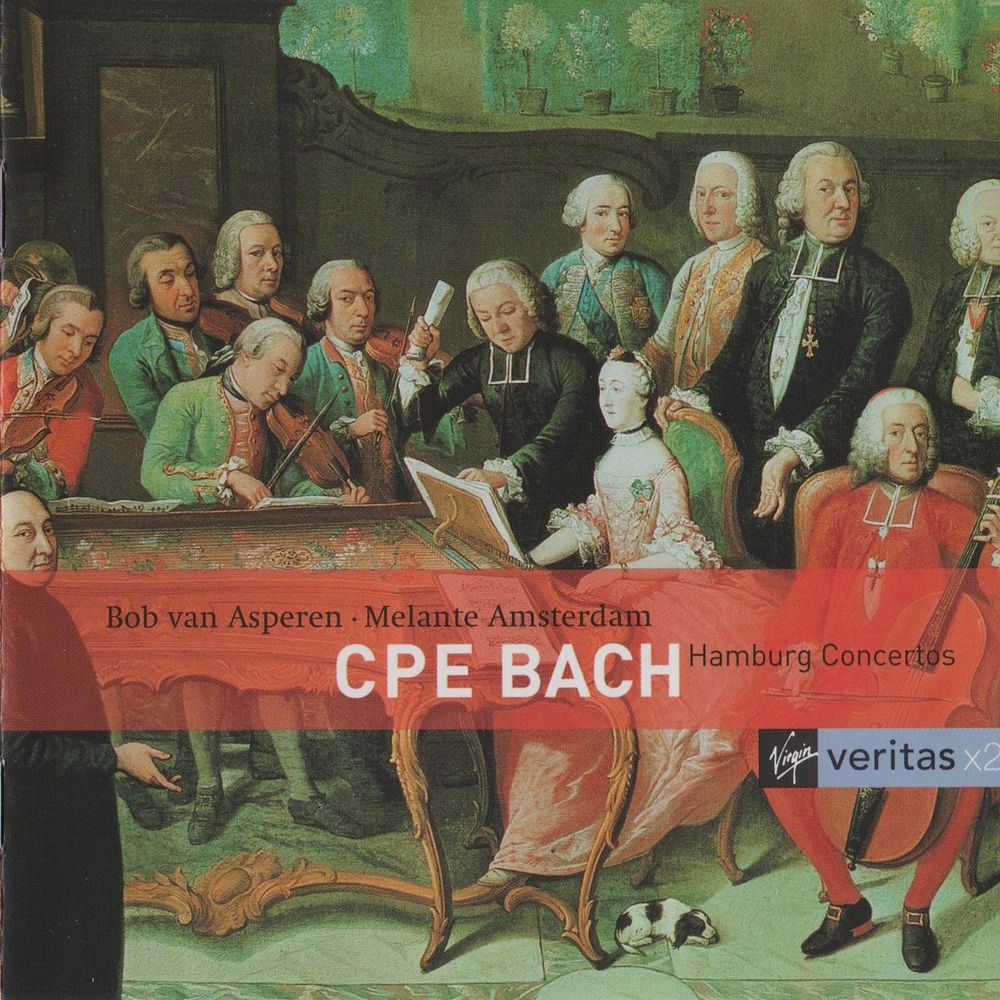
The deceptively low Wq numbers on these works (Wq 43) disguise the fact they were written in 1772, 4 years after Emanuel left Berlin for Hamburg. These are among the most entertaining of his works since his early Berlin days, IMO!🤠
The deceptively low Wq numbers on these works (Wq 43) disguise the fact they were written in 1772, 4 years after Emanuel left Berlin for Hamburg. These are among the most entertaining of his works since his early Berlin days, IMO!🤠
November 24, 2025 at 9:12 PM
#ClassicalMusic #MyDailyDose #18thCenturyMusic
The deceptively low Wq numbers on these works (Wq 43) disguise the fact they were written in 1772, 4 years after Emanuel left Berlin for Hamburg. These are among the most entertaining of his works since his early Berlin days, IMO!🤠
The deceptively low Wq numbers on these works (Wq 43) disguise the fact they were written in 1772, 4 years after Emanuel left Berlin for Hamburg. These are among the most entertaining of his works since his early Berlin days, IMO!🤠
#ClassicalMusic #MyDailyDose #18thCenturyMusic
If you are a musical theorist, the name of Daniel Gottlob Türk is famous today as a theorist who left us a great chunk of information about music in the late 18th. But his music is not nearly as well known. Perhaps rightly. Nicely structured though.🤠
If you are a musical theorist, the name of Daniel Gottlob Türk is famous today as a theorist who left us a great chunk of information about music in the late 18th. But his music is not nearly as well known. Perhaps rightly. Nicely structured though.🤠

November 24, 2025 at 4:18 PM
#ClassicalMusic #MyDailyDose #18thCenturyMusic
If you are a musical theorist, the name of Daniel Gottlob Türk is famous today as a theorist who left us a great chunk of information about music in the late 18th. But his music is not nearly as well known. Perhaps rightly. Nicely structured though.🤠
If you are a musical theorist, the name of Daniel Gottlob Türk is famous today as a theorist who left us a great chunk of information about music in the late 18th. But his music is not nearly as well known. Perhaps rightly. Nicely structured though.🤠
#ClassicalMusic #MyDailyDose #18thCenturyMusic
Another North German exponent of the clavichord in particular, as well as a style more nearly similar to CPE Bach's Early (Berlin) works. The Ariosos in here are some excellent pieces!🤠
Another North German exponent of the clavichord in particular, as well as a style more nearly similar to CPE Bach's Early (Berlin) works. The Ariosos in here are some excellent pieces!🤠

November 20, 2025 at 11:56 PM
#ClassicalMusic #MyDailyDose #18thCenturyMusic
Another North German exponent of the clavichord in particular, as well as a style more nearly similar to CPE Bach's Early (Berlin) works. The Ariosos in here are some excellent pieces!🤠
Another North German exponent of the clavichord in particular, as well as a style more nearly similar to CPE Bach's Early (Berlin) works. The Ariosos in here are some excellent pieces!🤠
#ClassicalMusic #MyDailyDose #18thCenturyMusic
A North German who was contemporary with the later (Hamburg) part of CPE Bach's career, he was influenced by Bach, but was his own person when it came to making music, more form-oriented and much more lyrical than his role model. Very nice album!🤠
A North German who was contemporary with the later (Hamburg) part of CPE Bach's career, he was influenced by Bach, but was his own person when it came to making music, more form-oriented and much more lyrical than his role model. Very nice album!🤠

November 20, 2025 at 10:11 PM
#ClassicalMusic #MyDailyDose #18thCenturyMusic
A North German who was contemporary with the later (Hamburg) part of CPE Bach's career, he was influenced by Bach, but was his own person when it came to making music, more form-oriented and much more lyrical than his role model. Very nice album!🤠
A North German who was contemporary with the later (Hamburg) part of CPE Bach's career, he was influenced by Bach, but was his own person when it came to making music, more form-oriented and much more lyrical than his role model. Very nice album!🤠
#ClassicalMusic #MyDailyDose #18thCenturyMusic
The music these guys (Benda, Graun, Janitsch &c) wrote for the King was good in many ways, although imbued with a formality which must have gotten old for them. The music they wrote for their own enjoyment, however, like these trio sonatas, is loose. 🤠
The music these guys (Benda, Graun, Janitsch &c) wrote for the King was good in many ways, although imbued with a formality which must have gotten old for them. The music they wrote for their own enjoyment, however, like these trio sonatas, is loose. 🤠

November 18, 2025 at 11:45 PM
#ClassicalMusic #MyDailyDose #18thCenturyMusic
The music these guys (Benda, Graun, Janitsch &c) wrote for the King was good in many ways, although imbued with a formality which must have gotten old for them. The music they wrote for their own enjoyment, however, like these trio sonatas, is loose. 🤠
The music these guys (Benda, Graun, Janitsch &c) wrote for the King was good in many ways, although imbued with a formality which must have gotten old for them. The music they wrote for their own enjoyment, however, like these trio sonatas, is loose. 🤠
#ClassicalMusic #MyDailyDose #18thCenturyMusic
An oldie but a goodie: Richter, Stamitz, Filtz & Cannabich, as it turns out I was introduced to all of them right here. Nice playing by Camerata Bern. 🤠
An oldie but a goodie: Richter, Stamitz, Filtz & Cannabich, as it turns out I was introduced to all of them right here. Nice playing by Camerata Bern. 🤠

November 18, 2025 at 6:07 PM
#ClassicalMusic #MyDailyDose #18thCenturyMusic
An oldie but a goodie: Richter, Stamitz, Filtz & Cannabich, as it turns out I was introduced to all of them right here. Nice playing by Camerata Bern. 🤠
An oldie but a goodie: Richter, Stamitz, Filtz & Cannabich, as it turns out I was introduced to all of them right here. Nice playing by Camerata Bern. 🤠
#ClassicalMusic #MyDailyDose #18thCenturyMusic
When Haydn was in London, he was joined by a large number of top-rank musicians attracted by the large honeypot London was in the late 18th. Haydn mentions 'Jarnevik' in his notebook, when he played at one of the concerts. This is what he played... 🤠
When Haydn was in London, he was joined by a large number of top-rank musicians attracted by the large honeypot London was in the late 18th. Haydn mentions 'Jarnevik' in his notebook, when he played at one of the concerts. This is what he played... 🤠

November 17, 2025 at 8:30 PM
#ClassicalMusic #MyDailyDose #18thCenturyMusic
When Haydn was in London, he was joined by a large number of top-rank musicians attracted by the large honeypot London was in the late 18th. Haydn mentions 'Jarnevik' in his notebook, when he played at one of the concerts. This is what he played... 🤠
When Haydn was in London, he was joined by a large number of top-rank musicians attracted by the large honeypot London was in the late 18th. Haydn mentions 'Jarnevik' in his notebook, when he played at one of the concerts. This is what he played... 🤠
#ClassicalMusic #MyDailyDose #18thCenturyMusic
There is controversy about who "invented" the modern symphony. It wasn't only Haydn, or the Mannheimers. One can say fairly the Italians started the ball rolling, and the closest thing to a beginning comes from Sammartini. Whatever, this is nice!🤠
There is controversy about who "invented" the modern symphony. It wasn't only Haydn, or the Mannheimers. One can say fairly the Italians started the ball rolling, and the closest thing to a beginning comes from Sammartini. Whatever, this is nice!🤠

November 15, 2025 at 7:21 PM
#ClassicalMusic #MyDailyDose #18thCenturyMusic
There is controversy about who "invented" the modern symphony. It wasn't only Haydn, or the Mannheimers. One can say fairly the Italians started the ball rolling, and the closest thing to a beginning comes from Sammartini. Whatever, this is nice!🤠
There is controversy about who "invented" the modern symphony. It wasn't only Haydn, or the Mannheimers. One can say fairly the Italians started the ball rolling, and the closest thing to a beginning comes from Sammartini. Whatever, this is nice!🤠
#ClassicalMusic #MyDailyDose #18thCenturyMusic
Not entirely sure of this, but believe the only non-admirers of Tartini's music are those unfortunates who haven't heard any yet. The consensus 'Greatest Violinist in Italy' also wrote interesting music, not based on virtuosity as much as musicality. 🤠
Not entirely sure of this, but believe the only non-admirers of Tartini's music are those unfortunates who haven't heard any yet. The consensus 'Greatest Violinist in Italy' also wrote interesting music, not based on virtuosity as much as musicality. 🤠

November 14, 2025 at 7:48 PM
#ClassicalMusic #MyDailyDose #18thCenturyMusic
Not entirely sure of this, but believe the only non-admirers of Tartini's music are those unfortunates who haven't heard any yet. The consensus 'Greatest Violinist in Italy' also wrote interesting music, not based on virtuosity as much as musicality. 🤠
Not entirely sure of this, but believe the only non-admirers of Tartini's music are those unfortunates who haven't heard any yet. The consensus 'Greatest Violinist in Italy' also wrote interesting music, not based on virtuosity as much as musicality. 🤠
#ClassicalMusic #MyDailyDose #18thCenturyMusic
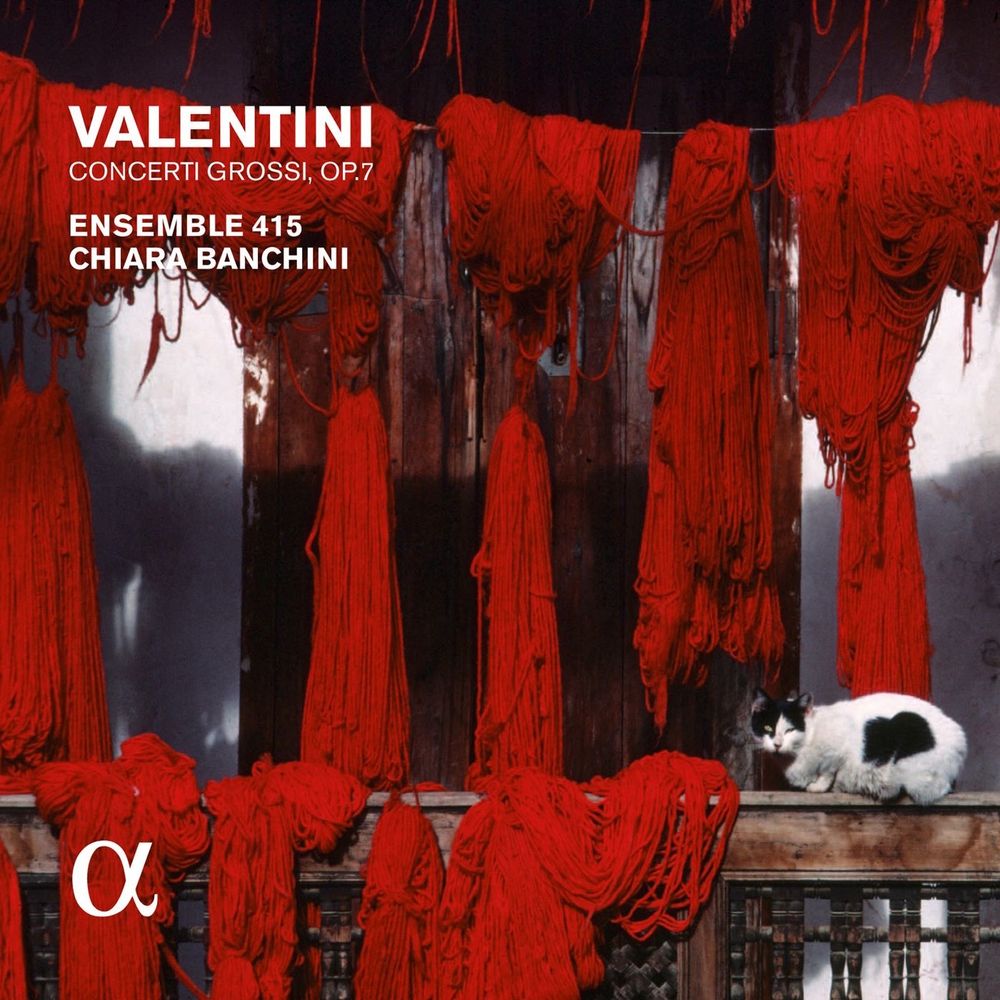
In 1710, the year before the release of Vivaldi's Op 3, Valentini, Corelli's successor in Rome, included in his Op 7 concertos, which nearly all followed the many movement concept, included a work with 4 violins in the concertino, anticipating Vivaldi🤠
In 1710, the year before the release of Vivaldi's Op 3, Valentini, Corelli's successor in Rome, included in his Op 7 concertos, which nearly all followed the many movement concept, included a work with 4 violins in the concertino, anticipating Vivaldi🤠
November 13, 2025 at 4:53 PM
#ClassicalMusic #MyDailyDose #18thCenturyMusic
In 1710, the year before the release of Vivaldi's Op 3, Valentini, Corelli's successor in Rome, included in his Op 7 concertos, which nearly all followed the many movement concept, included a work with 4 violins in the concertino, anticipating Vivaldi🤠
In 1710, the year before the release of Vivaldi's Op 3, Valentini, Corelli's successor in Rome, included in his Op 7 concertos, which nearly all followed the many movement concept, included a work with 4 violins in the concertino, anticipating Vivaldi🤠
#ClassicalMusic #MyDailyDose #18thCenturyMusic
Leaving Venice our next stop is Rome, where we find this excellent group of violin sonatas waiting. Along with Corelli's Op 6 of ca 1708, this was among the most-played music of the entire century to come. Its excellence speaks for itself. 🤠
Leaving Venice our next stop is Rome, where we find this excellent group of violin sonatas waiting. Along with Corelli's Op 6 of ca 1708, this was among the most-played music of the entire century to come. Its excellence speaks for itself. 🤠

November 12, 2025 at 12:00 AM
#ClassicalMusic #MyDailyDose #18thCenturyMusic
Leaving Venice our next stop is Rome, where we find this excellent group of violin sonatas waiting. Along with Corelli's Op 6 of ca 1708, this was among the most-played music of the entire century to come. Its excellence speaks for itself. 🤠
Leaving Venice our next stop is Rome, where we find this excellent group of violin sonatas waiting. Along with Corelli's Op 6 of ca 1708, this was among the most-played music of the entire century to come. Its excellence speaks for itself. 🤠