



Dr Joanne Boden
@earlylife.bsky.social
Evolutionary biologist investigating Earth history and early microbial communities. Scientist, wife, and nature lover (scuba diver, cyclist, and forager).
Reposted by Dr Joanne Boden
New paper out! Here's a puzzle: phototrophy, the ability to use light for energy, is one of life's great innovations. It evolved early and transformed the biosphere. But it evolved 2x. Why not just once, why not more? Our work suggests the answer is priority effects.
www.nature.com/articles/s44...
www.nature.com/articles/s44...

Priority effects inhibit the repeated evolution of phototrophy - npj Complexity
npj Complexity - Priority effects inhibit the repeated evolution of phototrophy
www.nature.com
February 3, 2026 at 9:37 PM
New paper out! Here's a puzzle: phototrophy, the ability to use light for energy, is one of life's great innovations. It evolved early and transformed the biosphere. But it evolved 2x. Why not just once, why not more? Our work suggests the answer is priority effects.
www.nature.com/articles/s44...
www.nature.com/articles/s44...
Reposted by Dr Joanne Boden

Yellowstone’s colors aren’t just minerals. They’re living microbes. Heat-loving bacteria and archaea form bands as water cools, each pigment tuned to temperature and light. What looks like abstract art is a thriving ecosystem shaped by extreme heat and chemistry.

January 26, 2026 at 8:48 PM
Yellowstone’s colors aren’t just minerals. They’re living microbes. Heat-loving bacteria and archaea form bands as water cools, each pigment tuned to temperature and light. What looks like abstract art is a thriving ecosystem shaped by extreme heat and chemistry.
Our lab is looking for a new PhD student to contribute to research on the early evolution of microbial life. Deadline coming-up soon on Monday 19th Jan.
More info here (scroll to 'How Cyanobacteria Transformed a Starved Planet'):
www.bristol.ac.uk/geography/co...
Feel free to DM me for questions
More info here (scroll to 'How Cyanobacteria Transformed a Starved Planet'):
www.bristol.ac.uk/geography/co...
Feel free to DM me for questions

January 14, 2026 at 9:37 AM
Our lab is looking for a new PhD student to contribute to research on the early evolution of microbial life. Deadline coming-up soon on Monday 19th Jan.
More info here (scroll to 'How Cyanobacteria Transformed a Starved Planet'):
www.bristol.ac.uk/geography/co...
Feel free to DM me for questions
More info here (scroll to 'How Cyanobacteria Transformed a Starved Planet'):
www.bristol.ac.uk/geography/co...
Feel free to DM me for questions
Reposted by Dr Joanne Boden

Detection Of The Deep Biosphere In Metamorphic Rocks From The Chinese Continental Scientific Drilling
astrobiology.com/2025/12/dete... #astrobiology #extremophile
astrobiology.com/2025/12/dete... #astrobiology #extremophile

Detection Of The Deep Biosphere In Metamorphic Rocks From The Chinese Continental Scientific Drilling - Astrobiology
It is generally accepted that there is a vast, well-populated biosphere in the subsurface,
astrobiology.com
December 21, 2025 at 8:32 PM
Detection Of The Deep Biosphere In Metamorphic Rocks From The Chinese Continental Scientific Drilling
astrobiology.com/2025/12/dete... #astrobiology #extremophile
astrobiology.com/2025/12/dete... #astrobiology #extremophile
Congratulations Eva!
🎉 Huge congratulations to Eva Stüeken for being awarded an @erc.europa.eu Consolidator Grant!
“Quantifying the limits of early life through the biogeochemical phosphorus redox cycle”
This win not only celebrates Eva 👏 but also highlights our school’s strength — 6 ERC grants in the last decade! 🚀
“Quantifying the limits of early life through the biogeochemical phosphorus redox cycle”
This win not only celebrates Eva 👏 but also highlights our school’s strength — 6 ERC grants in the last decade! 🚀
December 11, 2025 at 1:54 PM
Congratulations Eva!
Great to see our perspective in print! Chad, Eva, and I suggest that geological and genomic records support the idea that Earth’s first oxygenated habitats formed on the seafloor, especially in shallow benthic settings along continental shelves
#geobiology #astrobiology @earthscista.bsky.social
#geobiology #astrobiology @earthscista.bsky.social

⚒️ Perspective: The oxygenation of Earth's atmosphere about 2.45-2.30 billion years ago may have initiated in the oxidised bottom waters of marine shelves
@earlylife.bsky.social
www.nature.com/articles/s41...
@earlylife.bsky.social
www.nature.com/articles/s41...

December 8, 2025 at 9:51 AM
Great to see our perspective in print! Chad, Eva, and I suggest that geological and genomic records support the idea that Earth’s first oxygenated habitats formed on the seafloor, especially in shallow benthic settings along continental shelves
#geobiology #astrobiology @earthscista.bsky.social
#geobiology #astrobiology @earthscista.bsky.social
Reposted by Dr Joanne Boden
All Life Copies DNA Unambiguously Into Proteins. Archaea May Be The Exception.
astrobiology.com/2025/12/all-... #astrobiology #originoflife #genomics
astrobiology.com/2025/12/all-... #astrobiology #originoflife #genomics
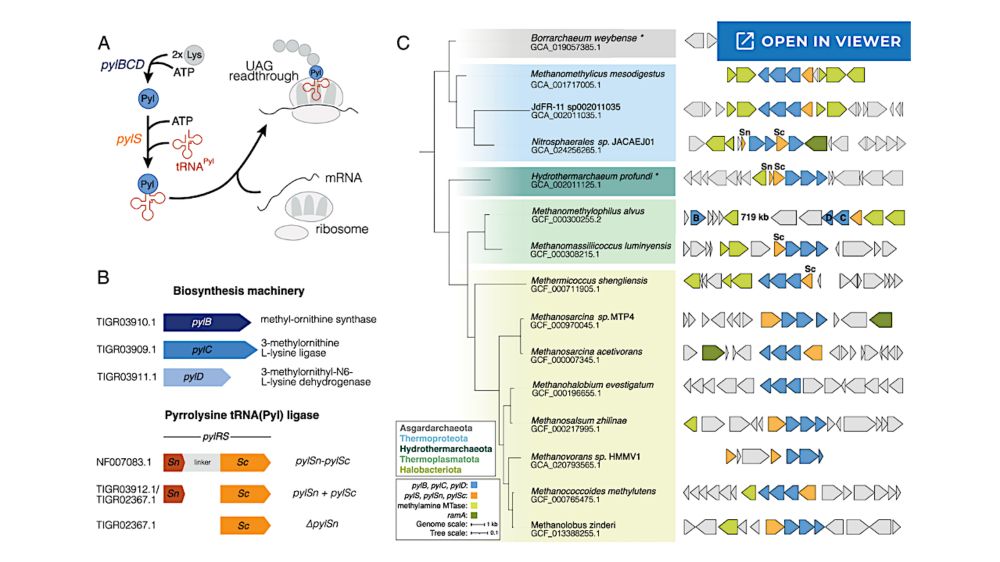
All Life Copies DNA Unambiguously Into Proteins. Archaea May Be The Exception. - Astrobiology
The beauty of the DNA code is that organisms interpret it unambiguously.
astrobiology.com
December 2, 2025 at 7:27 PM
All Life Copies DNA Unambiguously Into Proteins. Archaea May Be The Exception.
astrobiology.com/2025/12/all-... #astrobiology #originoflife #genomics
astrobiology.com/2025/12/all-... #astrobiology #originoflife #genomics
My research into the evolution of some of the world's first multicellular organisms has been published in Comms Bio! This was a team effort with microbiologists from Spain, Germany, and the UK inc. especially Dr Nieves-Morion as joint first author & microscopy expert!
www.nature.com/articles/s42...
www.nature.com/articles/s42...

December 2, 2025 at 12:35 PM
My research into the evolution of some of the world's first multicellular organisms has been published in Comms Bio! This was a team effort with microbiologists from Spain, Germany, and the UK inc. especially Dr Nieves-Morion as joint first author & microscopy expert!
www.nature.com/articles/s42...
www.nature.com/articles/s42...
Reposted by Dr Joanne Boden
I'm preparing to give a seminar on Friday, so let's dive into the uncomfortable etymology of 'SEMINAR'.
The Latin root is 'sēmen' & we're already seeing the problem?
It means "seed", with all its implications: plant & animal.
Have I been doing seminars wrong this whole time 😬?
The Latin root is 'sēmen' & we're already seeing the problem?
It means "seed", with all its implications: plant & animal.
Have I been doing seminars wrong this whole time 😬?

November 5, 2025 at 1:10 PM
I'm preparing to give a seminar on Friday, so let's dive into the uncomfortable etymology of 'SEMINAR'.
The Latin root is 'sēmen' & we're already seeing the problem?
It means "seed", with all its implications: plant & animal.
Have I been doing seminars wrong this whole time 😬?
The Latin root is 'sēmen' & we're already seeing the problem?
It means "seed", with all its implications: plant & animal.
Have I been doing seminars wrong this whole time 😬?
Reposted by Dr Joanne Boden
Early Microbial Evolution
"The origin of life on Earth remains one of the greatest and most pervasive mysteries in science. We know the story in broad strokes: Around 4 billion years ago, simple chemical compounds gave rise to living cells, which later formed..."
🦠
asm.org/articles/202...
"The origin of life on Earth remains one of the greatest and most pervasive mysteries in science. We know the story in broad strokes: Around 4 billion years ago, simple chemical compounds gave rise to living cells, which later formed..."
🦠
asm.org/articles/202...
Early Microbial Evolution | ASM.org
How did life begin, and why does it matter? Scientists are tracing early microbial life—from LUCA to multicellularity—to unlock insights for biotech, climate science and even space exploration.
asm.org
November 3, 2025 at 12:48 PM
Early Microbial Evolution
"The origin of life on Earth remains one of the greatest and most pervasive mysteries in science. We know the story in broad strokes: Around 4 billion years ago, simple chemical compounds gave rise to living cells, which later formed..."
🦠
asm.org/articles/202...
"The origin of life on Earth remains one of the greatest and most pervasive mysteries in science. We know the story in broad strokes: Around 4 billion years ago, simple chemical compounds gave rise to living cells, which later formed..."
🦠
asm.org/articles/202...
My latest research suggests that abiotic sources of fixed nitrogen sustained Earth's early ecosystems. Preprint here: www.researchsquare.com/article/rs-7...
Tune into the Geomicrobiology Research in Progress Meeting on Wed. at 11:45 am to find out more.
@earthscista.bsky.social
Tune into the Geomicrobiology Research in Progress Meeting on Wed. at 11:45 am to find out more.
@earthscista.bsky.social

October 6, 2025 at 9:59 AM
My latest research suggests that abiotic sources of fixed nitrogen sustained Earth's early ecosystems. Preprint here: www.researchsquare.com/article/rs-7...
Tune into the Geomicrobiology Research in Progress Meeting on Wed. at 11:45 am to find out more.
@earthscista.bsky.social
Tune into the Geomicrobiology Research in Progress Meeting on Wed. at 11:45 am to find out more.
@earthscista.bsky.social
Excited to have seen and heard (via bat detector) noctule bats around Kinessburn and Cockshaugh park in St. Andrews yesterday evening! One of the UK's largest species at the size of a blackbird! Big thanks to Dr. Sasha Newar and the NVC Group for organizing our sunset bat tour
x.com/lizardschwar...
x.com/lizardschwar...

July 26, 2025 at 9:18 AM
Excited to have seen and heard (via bat detector) noctule bats around Kinessburn and Cockshaugh park in St. Andrews yesterday evening! One of the UK's largest species at the size of a blackbird! Big thanks to Dr. Sasha Newar and the NVC Group for organizing our sunset bat tour
x.com/lizardschwar...
x.com/lizardschwar...
Reposted by Dr Joanne Boden

🎉 Now out “Phylogenomic analyses indicate the archaeal superphylum DPANN originated from free‑living euryarchaeal‑like ancestors” www.nature.com/articles/s41...
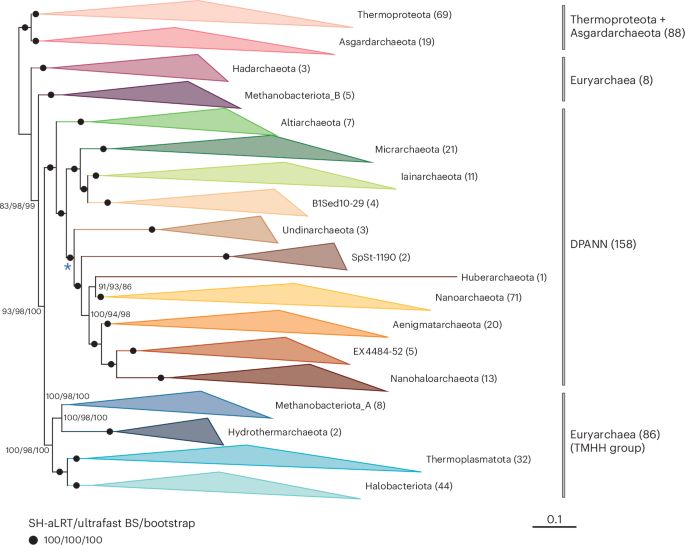
Phylogenomic analyses indicate the archaeal superphylum DPANN originated from free-living euryarchaeal-like ancestors - Nature Microbiology
Phylogenetic reconstructions with conserved protein markers from the 11 known DPANN phyla reveal their monophyletic placement within the Euryarchaeota.
www.nature.com
June 17, 2025 at 2:25 PM
🎉 Now out “Phylogenomic analyses indicate the archaeal superphylum DPANN originated from free‑living euryarchaeal‑like ancestors” www.nature.com/articles/s41...
A new source of ammonium to support the growth and development of early life on Earth!
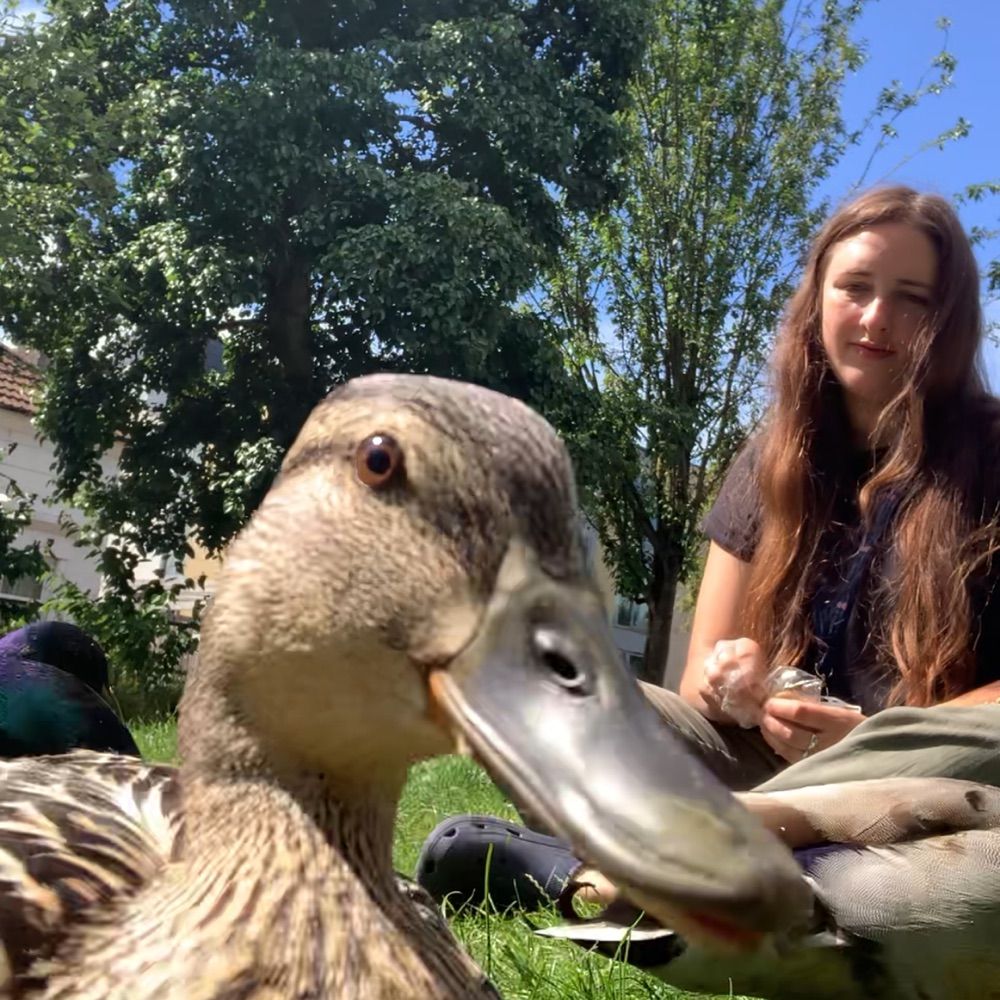
Igneous rocks… as a source of bioavailable nitrogen? 👀
First co-author paper is out! Give it a look: www.geochemicalperspectivesletters.org/article2517/
First co-author paper is out! Give it a look: www.geochemicalperspectivesletters.org/article2517/

June 7, 2025 at 1:40 PM
A new source of ammonium to support the growth and development of early life on Earth!
Delighted to have played a small part in Galloway et al's research on nitrogen cycling in geothermal springs at @earthscista.bsky.social.
More here: www.sciencedirect.com/science/arti...
Alongside some behind-the-scenes shots from fieldwork
More here: www.sciencedirect.com/science/arti...
Alongside some behind-the-scenes shots from fieldwork


May 30, 2025 at 2:00 PM
Delighted to have played a small part in Galloway et al's research on nitrogen cycling in geothermal springs at @earthscista.bsky.social.
More here: www.sciencedirect.com/science/arti...
Alongside some behind-the-scenes shots from fieldwork
More here: www.sciencedirect.com/science/arti...
Alongside some behind-the-scenes shots from fieldwork
Reposted by Dr Joanne Boden
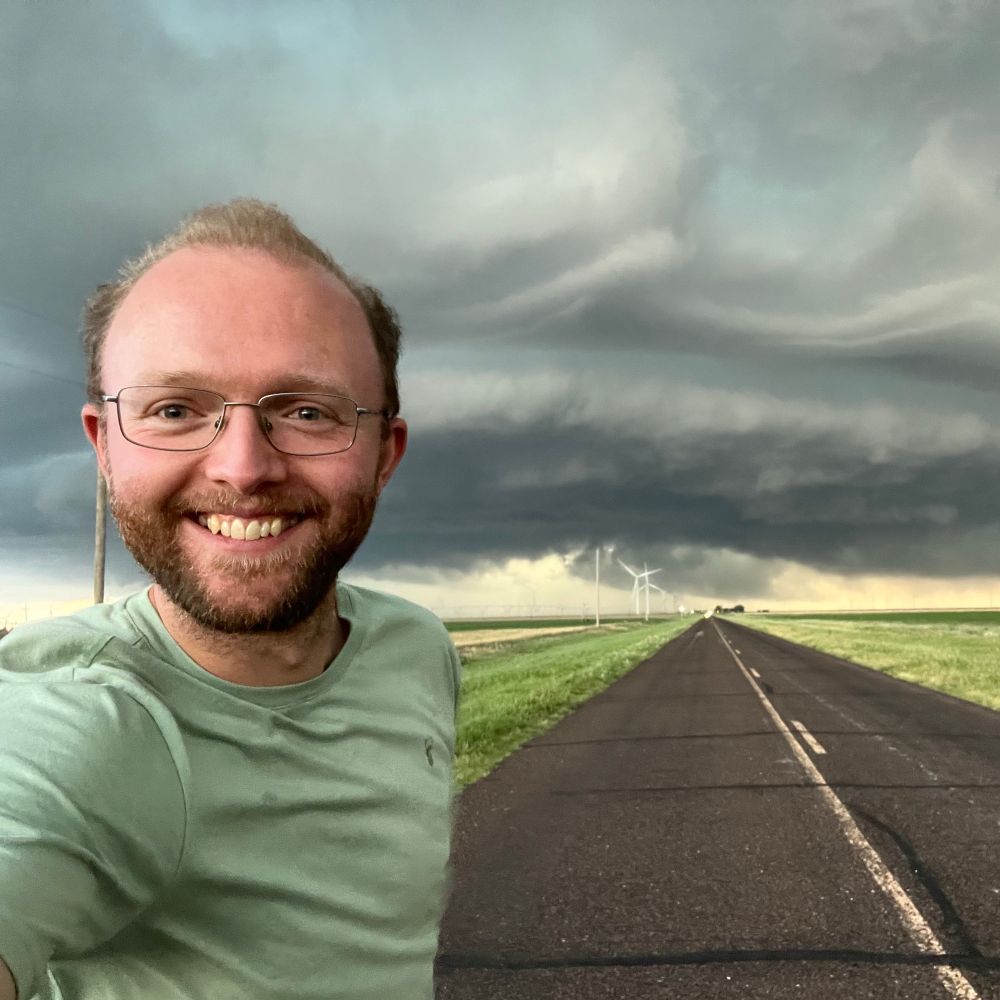
How the weather got ‘stuck’ over the UK – and produced an unusually dry and warm spring
Article in The Conversation from me and @mattpattclimate.bsky.social, discussing spring 2025, blocking and climate change.
theconversation.com/how-the-weat...
Article in The Conversation from me and @mattpattclimate.bsky.social, discussing spring 2025, blocking and climate change.
theconversation.com/how-the-weat...

How the weather got ‘stuck’ over the UK – and produced an unusually dry and warm spring
‘April showers’ were few and far between in 2025.
theconversation.com
May 12, 2025 at 5:18 PM
How the weather got ‘stuck’ over the UK – and produced an unusually dry and warm spring
Article in The Conversation from me and @mattpattclimate.bsky.social, discussing spring 2025, blocking and climate change.
theconversation.com/how-the-weat...
Article in The Conversation from me and @mattpattclimate.bsky.social, discussing spring 2025, blocking and climate change.
theconversation.com/how-the-weat...
Reposted by Dr Joanne Boden
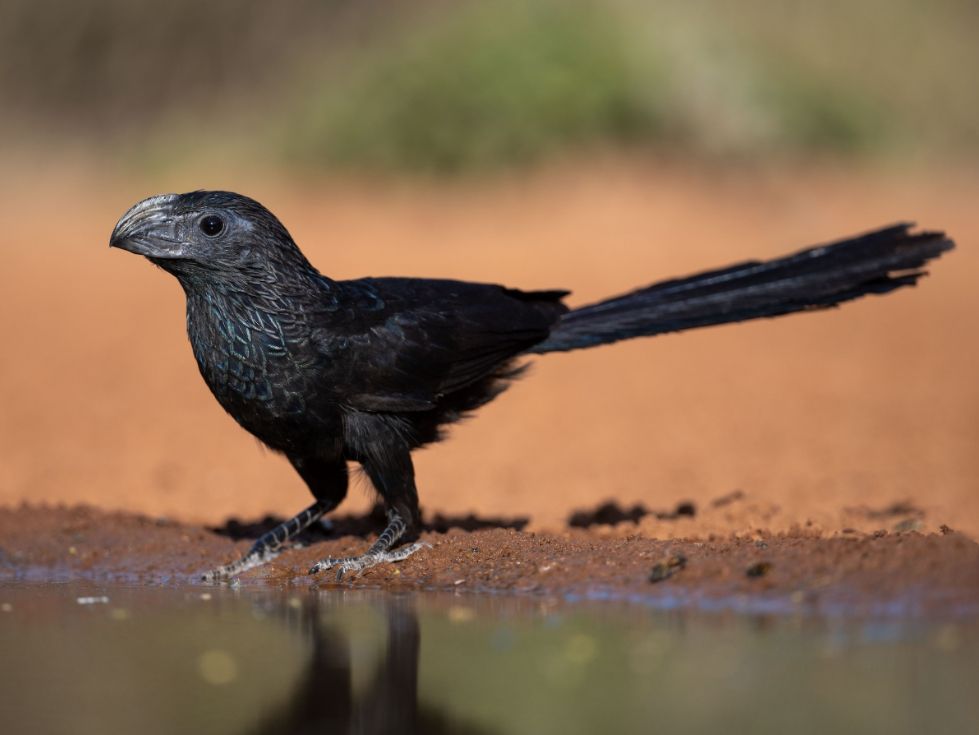
This is the Groove-billed Ani (Crotophaga sulcirostris), and it's just straight up a dinosaur.
Like, I know *all* birds are technically avian dinosaurs, but my first thought looking at this guy is: dinosaur.
(📷: Suzie McCann, eBird)
Like, I know *all* birds are technically avian dinosaurs, but my first thought looking at this guy is: dinosaur.
(📷: Suzie McCann, eBird)
May 13, 2025 at 12:32 PM
This is the Groove-billed Ani (Crotophaga sulcirostris), and it's just straight up a dinosaur.
Like, I know *all* birds are technically avian dinosaurs, but my first thought looking at this guy is: dinosaur.
(📷: Suzie McCann, eBird)
Like, I know *all* birds are technically avian dinosaurs, but my first thought looking at this guy is: dinosaur.
(📷: Suzie McCann, eBird)
Worth watching and thinking about when we buy cod, haddock, halibut, sole, and prawns that are often trawled. I hope it says how they are caught on food labels so we can avoid bottom-trawled catches...
I will forever be haunted by this footage.
Trawling has only been filmed underwater a few times in documentary history, and never with such clarity.
What’s so heart-rending about these shots is watching how the animals don’t just get swept up — they swim for their lives.
🌎🦑🧪
Trawling has only been filmed underwater a few times in documentary history, and never with such clarity.
What’s so heart-rending about these shots is watching how the animals don’t just get swept up — they swim for their lives.
🌎🦑🧪
May 12, 2025 at 2:02 PM
Worth watching and thinking about when we buy cod, haddock, halibut, sole, and prawns that are often trawled. I hope it says how they are caught on food labels so we can avoid bottom-trawled catches...
Reposted by Dr Joanne Boden

I will forever be haunted by this footage.
Trawling has only been filmed underwater a few times in documentary history, and never with such clarity.
What’s so heart-rending about these shots is watching how the animals don’t just get swept up — they swim for their lives.
🌎🦑🧪
Trawling has only been filmed underwater a few times in documentary history, and never with such clarity.
What’s so heart-rending about these shots is watching how the animals don’t just get swept up — they swim for their lives.
🌎🦑🧪
May 9, 2025 at 9:32 PM
I will forever be haunted by this footage.
Trawling has only been filmed underwater a few times in documentary history, and never with such clarity.
What’s so heart-rending about these shots is watching how the animals don’t just get swept up — they swim for their lives.
🌎🦑🧪
Trawling has only been filmed underwater a few times in documentary history, and never with such clarity.
What’s so heart-rending about these shots is watching how the animals don’t just get swept up — they swim for their lives.
🌎🦑🧪
Reposted by Dr Joanne Boden

🌊 🦑 🧪 ⚒️
Despite covering 66% of Earth's surface, the DEEP ocean remains largely unexplored. @katycroffbell.bsky.social et al. are the first to document that, in decades of deep-sea exploration, humans have observed less than 0.001% of the deep seafloor!!!
www.science.org/doi/10.1126/...
www.science.org/doi/10.1126/...

How little we’ve seen: A visual coverage estimate of the deep seafloor
In decades of deep-sea exploration, humans have observed only 0.001% of the deep seafloor, leaving 66% of planet Earth unseen.
www.science.org
May 11, 2025 at 7:31 PM
🌊 🦑 🧪 ⚒️
Reposted by Dr Joanne Boden
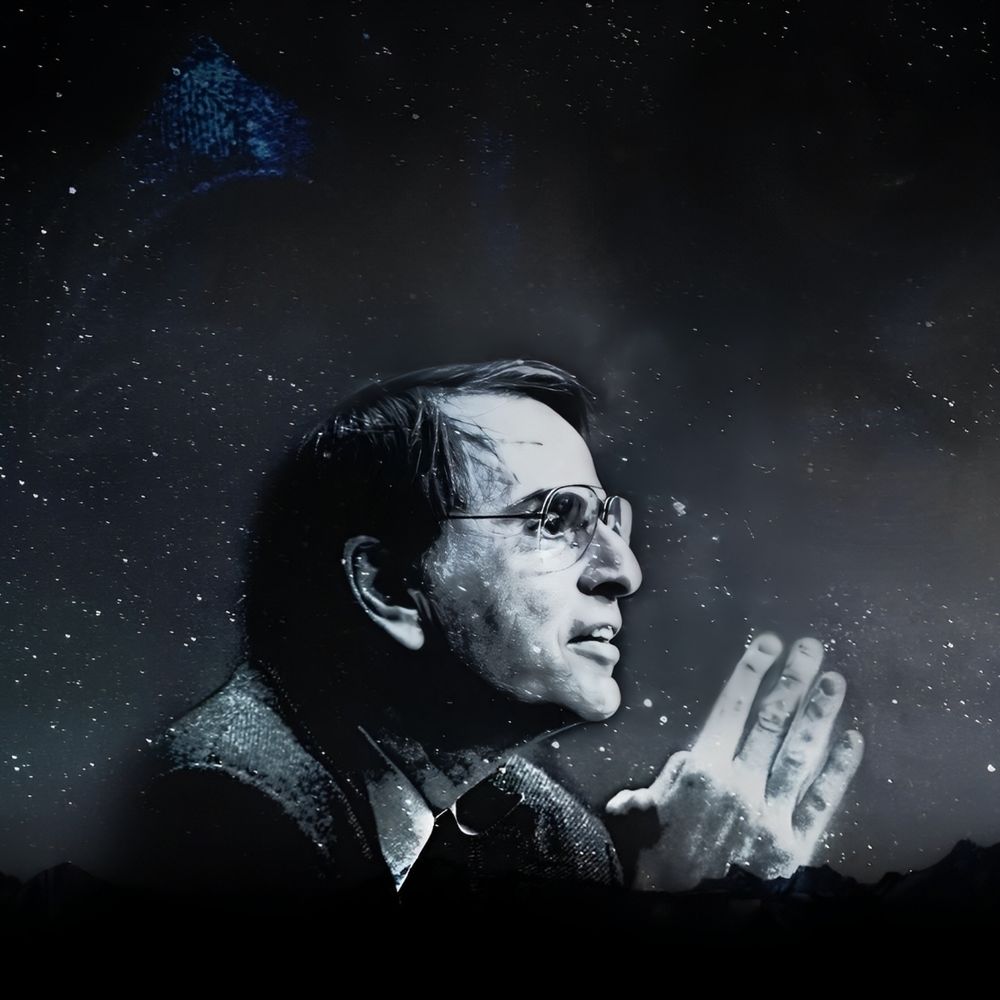
Brian Cox ~ The purpose of life?
May 7, 2025 at 12:59 PM
Brian Cox ~ The purpose of life?
Reposted by Dr Joanne Boden

Setting up my Bluesky after deciding to venture into the chatty platforms again :-) Here a post from early march summarising our last research on nitrogen on early Earth.
rptu.de/newsroom/neu...
rptu.de/newsroom/neu...
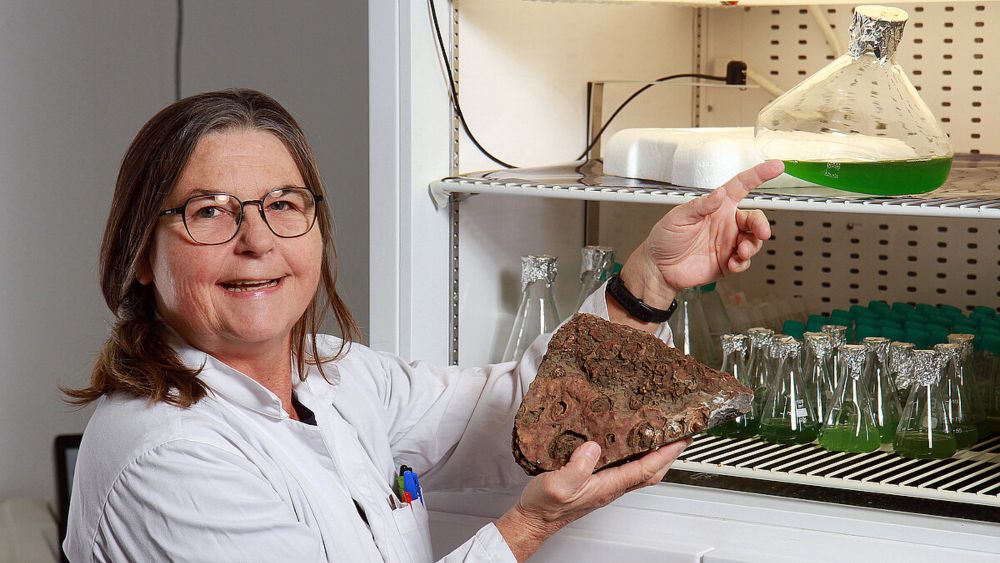
Wie entstand Leben auf der frühen Erde? Neue Stickstoffquelle entdeckt
Forschende unter Beteiligung der RPTU entschlüsseln Rätsel einer längst vergangenen Zeit: Im Rahmen von aktuellen Studien untersuchen sie, wie sich Leben auf der frühen Erde entwickelt haben könnte. D...
rptu.de
May 8, 2025 at 10:54 AM
Setting up my Bluesky after deciding to venture into the chatty platforms again :-) Here a post from early march summarising our last research on nitrogen on early Earth.
rptu.de/newsroom/neu...
rptu.de/newsroom/neu...
Reposted by Dr Joanne Boden

One thing I wasn't ready for as a postdoc is how much the talks you give need to change. 😅
I think a good colloquium talk takes a lot of practice to get right, and it's so much more about presenting a "big picture" than just e.g. a paper you wrote/are writing.
It's so hard to get right! 🔭☄️🧪
I think a good colloquium talk takes a lot of practice to get right, and it's so much more about presenting a "big picture" than just e.g. a paper you wrote/are writing.
It's so hard to get right! 🔭☄️🧪
May 8, 2025 at 12:47 PM
One thing I wasn't ready for as a postdoc is how much the talks you give need to change. 😅
I think a good colloquium talk takes a lot of practice to get right, and it's so much more about presenting a "big picture" than just e.g. a paper you wrote/are writing.
It's so hard to get right! 🔭☄️🧪
I think a good colloquium talk takes a lot of practice to get right, and it's so much more about presenting a "big picture" than just e.g. a paper you wrote/are writing.
It's so hard to get right! 🔭☄️🧪
Proud to be adding a biologist's angle to the research on ancient Earth that is going on here!
Hello Bluesky! 👋
We're the School of Earth & Environmental Sciences @uniofstandrews.bsky.social. Our research spans the formation of planets to climate change. Our teaching is consistently ranked among the top in the UK for Earth Sciences 🌍🪐🌋🌡️
Find out more: www.st-andrews.ac.uk/earth-scienc...
We're the School of Earth & Environmental Sciences @uniofstandrews.bsky.social. Our research spans the formation of planets to climate change. Our teaching is consistently ranked among the top in the UK for Earth Sciences 🌍🪐🌋🌡️
Find out more: www.st-andrews.ac.uk/earth-scienc...

May 6, 2025 at 1:22 PM
Proud to be adding a biologist's angle to the research on ancient Earth that is going on here!
Serpentinizing hydrothermal vents may have been where life began, but we know surprisingly little about how microbial communities interact with the phosphorus compounds they emit and/or absorb. My latest research, just published in Geobiology, addresses this question...

March 25, 2025 at 5:57 PM
Serpentinizing hydrothermal vents may have been where life began, but we know surprisingly little about how microbial communities interact with the phosphorus compounds they emit and/or absorb. My latest research, just published in Geobiology, addresses this question...