



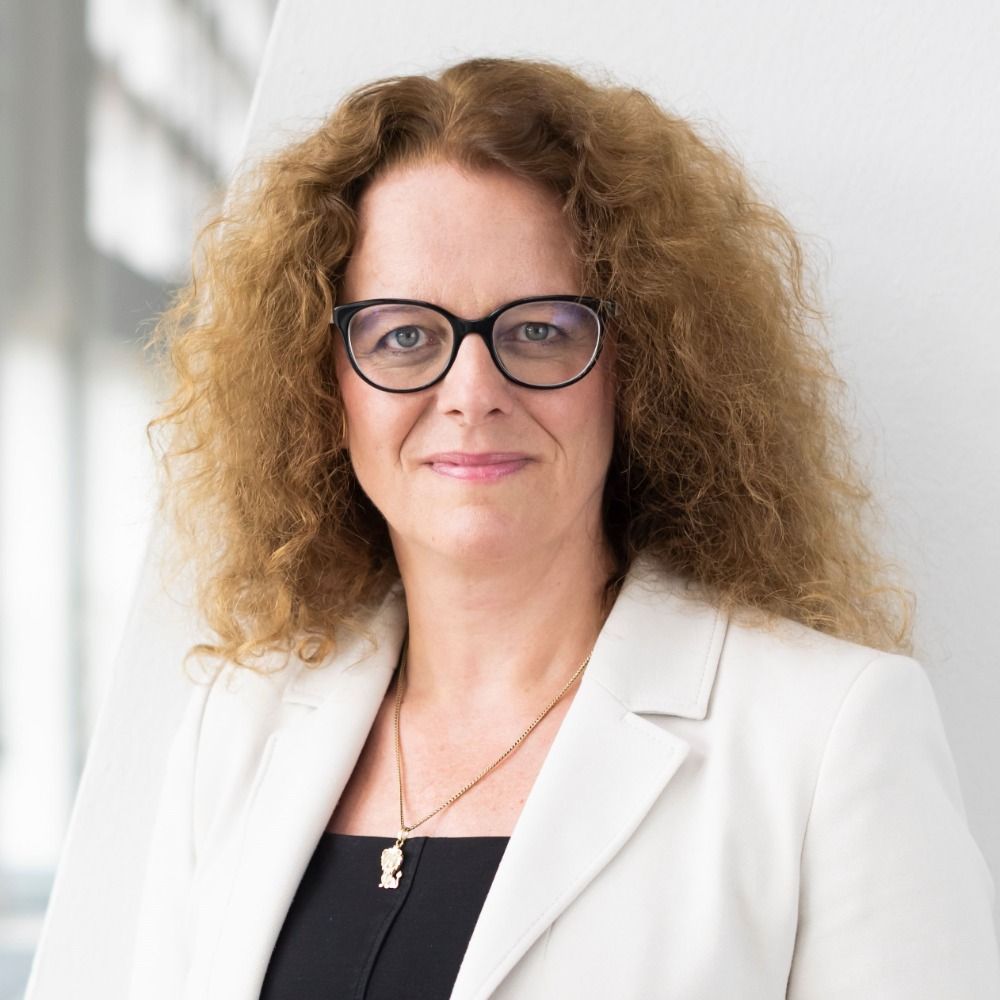
Isabel Schnabel 🇪🇺🇺🇦
@isabelschnabel.bsky.social
Executive Board of the European Central Bank, University of Bonn (on leave) #NieWiederIstJetzt
Isabel Schnabel is a German economist who has been serving as a member of the Executive Board of the European Central Bank since 2020.
Source: Wikipedia
Economics
88%
Business
9%
Thank you, Louis!
What a success! Congratulations to everybody involved, and especially to my colleagues at @econtribute.bsky.social! You are indeed excellent! @dfg.de
I don't think there is a contradiction. In 2022 we had to react strongly to avoid inflation expectations becoming entrenched. In such a situation, central banks have to respond even if this leads to a deep contraction (as the Phillips curve is flat).
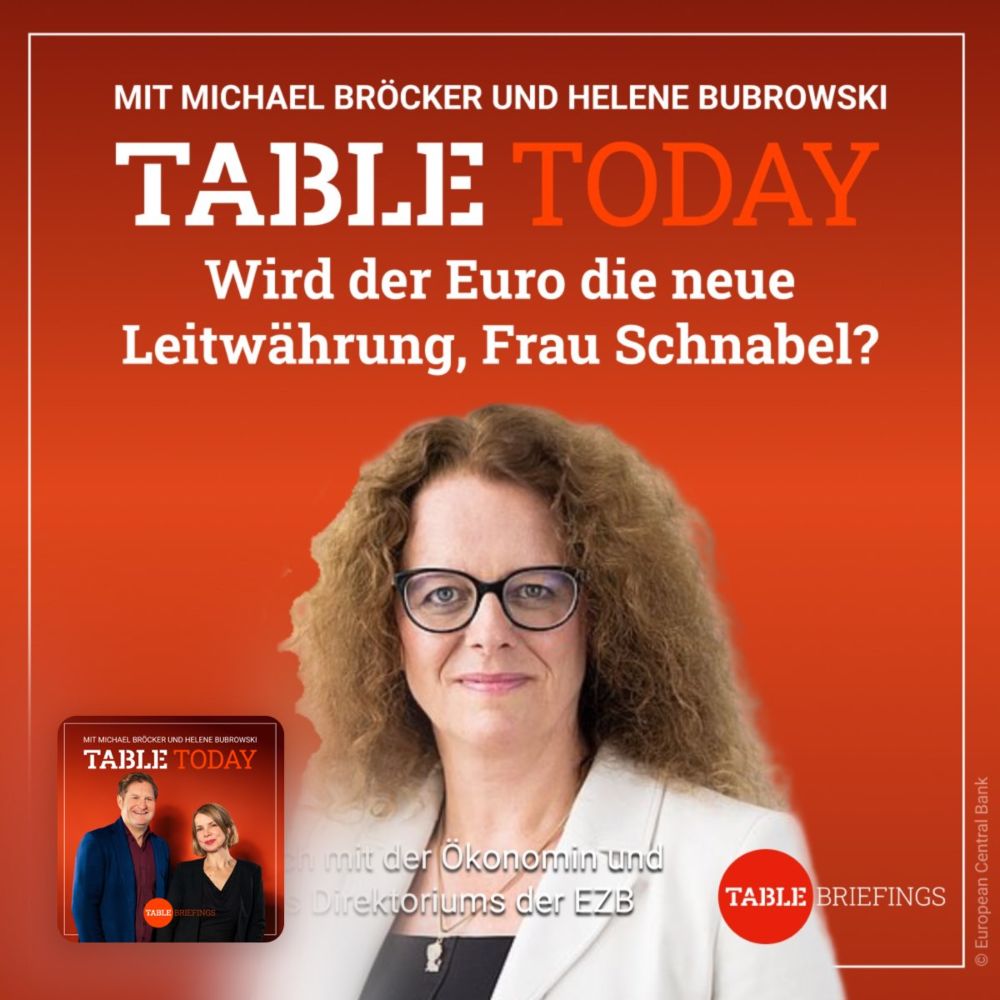
Wird der Euro die neue Leitwährung, Frau Schnabel?
Podcast-Folge · Table Today · 17.05.2025 · 25 Min.
podcasts.apple.com
Thanks for listening in [in German]! 8/8 podcasts.apple.com/de/podcast/w...
In recent years, we have learned that we cannot “look through” supply-side shocks if they are persistent and threaten to de-anchor inflation expectations. When the inflation regime changes, we must be ready to respond swiftly. #MonetaryPolicyStrategy 7/8
The easing of the German debt brake and the infrastructure package can help overcome the structural crisis and strengthen defence capabilities. Funds need to be spent wisely to foster growth. This should be accompanied by comprehensive structural reforms. 6/8
#CapitalMarketsUnion should focus on risk capital, which is crucial for driving innovation. We need to address the entire value chain: from the start-up phase through the growth phase, all the way to the exit stage within European capital markets. 5/8
A new European growth narrative is emerging, and there is momentum to embark on reforms. One promising way to foster integration is the #28thRegime, which would allow firms, e.g. start-ups, to operate all over the EU under similar conditions. 4/8
After April 2, the euro area became a safe haven, leading to an appreciation of the euro, which signalled increased confidence. We are facing a historical opportunity to foster the international role of the euro. 3/8