


Hein Sprong
@ticklethetick.bsky.social
(Over)simplifying ticks-hosts-pathogens systems.
Love watching bird watchers
Love watching bird watchers
The largest land use change in Europe is woodland expansion. Our study shows that this could lead to higher tick densities and Lyme disease hazard. We also show that an environmental solution could be to control deer populations.
besjournals.onlinelibrary.wiley.com/doi/full/10....
besjournals.onlinelibrary.wiley.com/doi/full/10....

Woodland expansion and deer management shape tick abundance and Lyme disease hazard
Woodland expansion may eventually, once the trees mature, increase the risk of ticks and Lyme disease. However, controlling deer populations could be a solution to mitigate this issue.
besjournals.onlinelibrary.wiley.com
January 7, 2025 at 11:34 AM
The largest land use change in Europe is woodland expansion. Our study shows that this could lead to higher tick densities and Lyme disease hazard. We also show that an environmental solution could be to control deer populations.
besjournals.onlinelibrary.wiley.com/doi/full/10....
besjournals.onlinelibrary.wiley.com/doi/full/10....
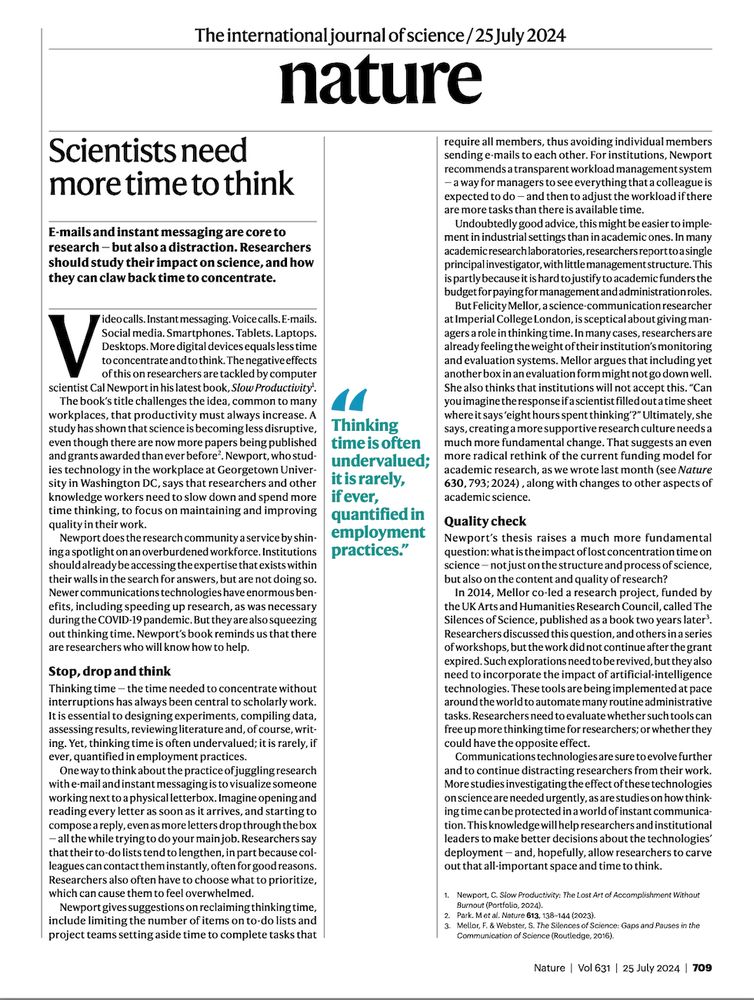
I completely agree with that. Also, scientist need more time to make mistakes (and lesten from them).

Instead of listing my publications, as the year draws to an end, I want to shine the spotlight on the commonplace assumption that productivity must always increase. Good research is disruptive and thinking time is central to high quality scholarship and necessary for disruptive research.
December 22, 2024 at 9:07 PM
I completely agree with that. Also, scientist need more time to make mistakes (and lesten from them).
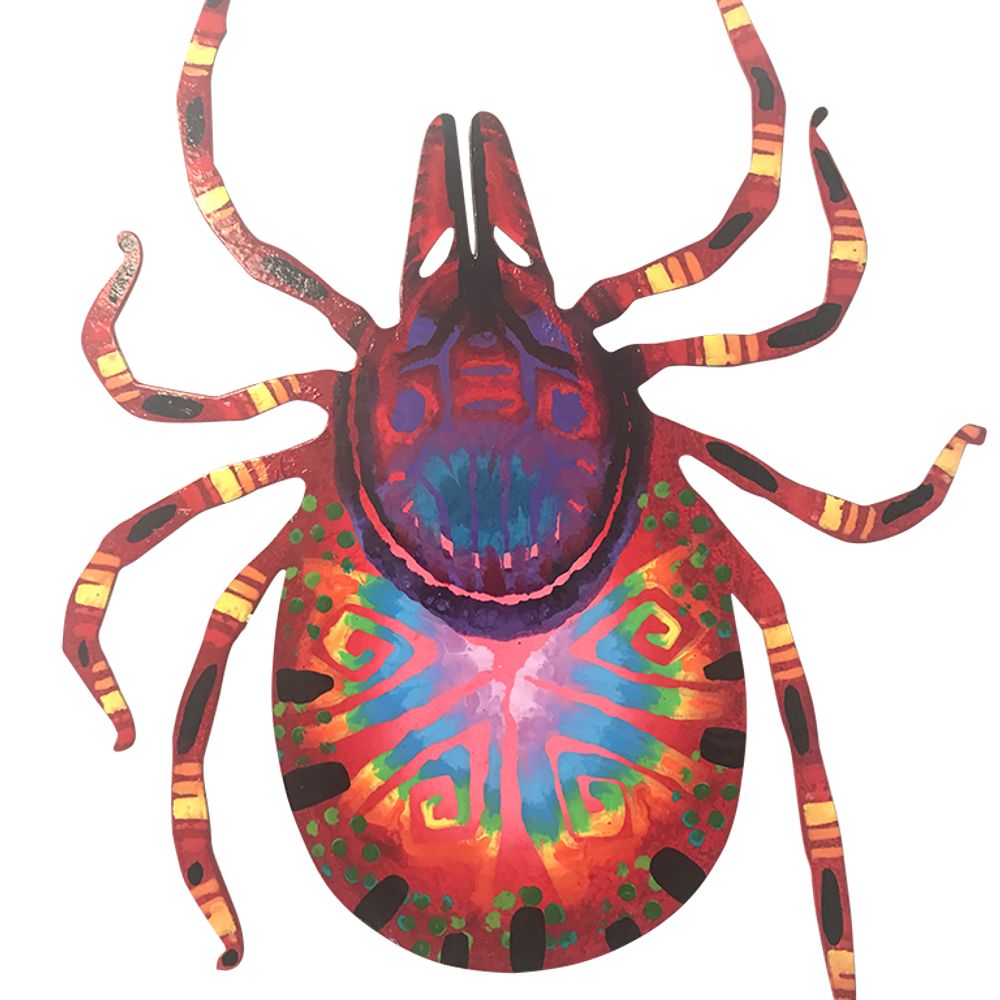
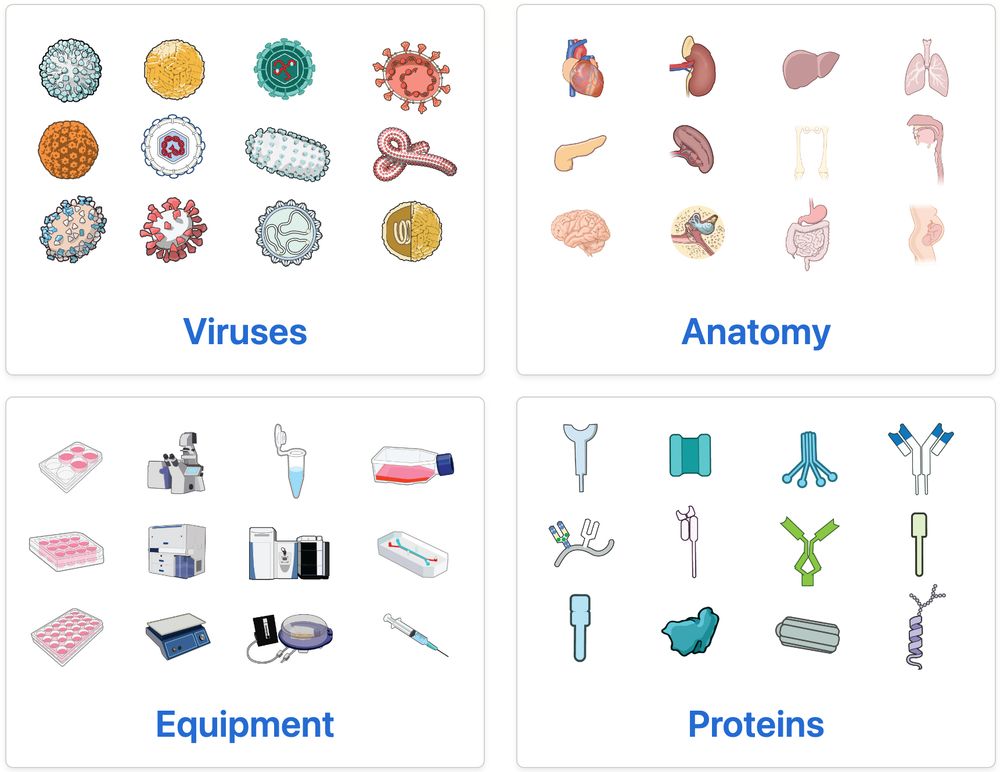
And they even have artistick ticks!!! Great database for pictures for figures/presentations !

Bioart, courtesy of the NIH. All images are in the public domain and available for download as high-quality SVGs.
bioart.niaid.nih.gov
bioart.niaid.nih.gov
December 17, 2024 at 2:25 PM
And they even have artistick ticks!!! Great database for pictures for figures/presentations !
Reposted by Hein Sprong

Powerful closing remarks by Dr Savo Heleta on need to advocate for rebuilding higher education IN Gaza, "Scholarship aid remains very important, particularly for displaced people, but emptying Gaza of it's students and scholars is not a solution". Thinking of Dr #RefaatAlareer

December 11, 2024 at 10:52 AM
Powerful closing remarks by Dr Savo Heleta on need to advocate for rebuilding higher education IN Gaza, "Scholarship aid remains very important, particularly for displaced people, but emptying Gaza of it's students and scholars is not a solution". Thinking of Dr #RefaatAlareer
Does anybody know how many chromosomes Dermacentor reticulatus ticks have? Preferably with a reference.....

December 11, 2024 at 1:30 PM
Does anybody know how many chromosomes Dermacentor reticulatus ticks have? Preferably with a reference.....
Reposted by Hein Sprong

The repetitive genome of the Ixodes ricinus tick reveals transposable elements have driven genome evolution in ticks https://www.biorxiv.org/content/10.1101/2024.03.13.584159v1

The repetitive genome of the Ixodes ricinus tick reveals transposable elements have driven genome evolution in ticks https://www.biorxiv.org/content/10.1101/2024.03.13.584159v1
Ticks are obligate blood-feeding parasites associated with a huge diversity of diseases globally. Th
www.biorxiv.org
March 14, 2024 at 9:39 AM
The repetitive genome of the Ixodes ricinus tick reveals transposable elements have driven genome evolution in ticks https://www.biorxiv.org/content/10.1101/2024.03.13.584159v1
Rickettsiella bacteria possess metabolic traits involved in symbiotic interactions with arthropods. Strikingly, one (of the two) Rickettsiella species present in Ixodes ricinus ticks might be infectious to humans. Whether it causes disease needs further investigation.
doi.org/10.1101/2024...
doi.org/10.1101/2024...

December 7, 2024 at 6:53 PM
Rickettsiella bacteria possess metabolic traits involved in symbiotic interactions with arthropods. Strikingly, one (of the two) Rickettsiella species present in Ixodes ricinus ticks might be infectious to humans. Whether it causes disease needs further investigation.
doi.org/10.1101/2024...
doi.org/10.1101/2024...
By sequencing and comparing the genomes of Borrelia miyamotoi from Asia, N-America & Europe, we got insights into the genetic basis of the variaton in vector competence, virulence, and pathogenesis of this tick-borne pathogen.
doi.org/10.1016/j.is...
doi.org/10.1016/j.is...

December 6, 2024 at 10:23 PM
By sequencing and comparing the genomes of Borrelia miyamotoi from Asia, N-America & Europe, we got insights into the genetic basis of the variaton in vector competence, virulence, and pathogenesis of this tick-borne pathogen.
doi.org/10.1016/j.is...
doi.org/10.1016/j.is...
By studying the genomes of Arsenophonus bacteria, we are trying to understand the genetics underlying horizontal (mostly pathogens) and vertical (mostly symbionts) transmission.
doi.org/10.1016/j.cu...
doi.org/10.1016/j.cu...

December 6, 2024 at 10:12 PM
By studying the genomes of Arsenophonus bacteria, we are trying to understand the genetics underlying horizontal (mostly pathogens) and vertical (mostly symbionts) transmission.
doi.org/10.1016/j.cu...
doi.org/10.1016/j.cu...
We sequenced Ixodes ricinus and Ixodes inopinatus, just to find out that they are genetically highly similar: it remains a mystery what causes the morphological differences.
doi.org/10.1016/j.cr...
doi.org/10.1016/j.cr...

December 6, 2024 at 9:50 PM
We sequenced Ixodes ricinus and Ixodes inopinatus, just to find out that they are genetically highly similar: it remains a mystery what causes the morphological differences.
doi.org/10.1016/j.cr...
doi.org/10.1016/j.cr...