




Ryan K
@rachunzero.bsky.social
Judging people by how well they protect the weak and the environment.
Also at rachunzero.threads.net
Also at rachunzero.threads.net
In my job, we often try to quantify risk using probability and severity, and I find it really unintuitive. I wonder if there could be better communication on this.
December 13, 2025 at 7:18 PM
In my job, we often try to quantify risk using probability and severity, and I find it really unintuitive. I wonder if there could be better communication on this.
Maybe it's about risk perception. The chance of getting hit by lightning is low, but the outcome can be fatal. And we _do_ often see news saying that climate scientists or the IPCC underestimated this or that. Even if the consensus isn't changing that much, it's a bit alarming.
December 13, 2025 at 7:18 PM
Maybe it's about risk perception. The chance of getting hit by lightning is low, but the outcome can be fatal. And we _do_ often see news saying that climate scientists or the IPCC underestimated this or that. Even if the consensus isn't changing that much, it's a bit alarming.
So yes, Canada’s system is different. But the real reason ICE is so awful isn’t modern politics or incompetence. It’s that parts of U.S. law were built to SURVIVE EQUALITY WITHOUT ENFORCING IT — and they’re still doing their job.
9/9
9/9
December 13, 2025 at 5:54 AM
So yes, Canada’s system is different. But the real reason ICE is so awful isn’t modern politics or incompetence. It’s that parts of U.S. law were built to SURVIVE EQUALITY WITHOUT ENFORCING IT — and they’re still doing their job.
9/9
9/9
That retreat hardened into doctrine. Each time rights enforcement threatened the social order — Reconstruction, civil rights, mass policing — courts raised shields. Qualified immunity is the legal memory of that fear.
8/9
8/9
December 13, 2025 at 5:54 AM
That retreat hardened into doctrine. Each time rights enforcement threatened the social order — Reconstruction, civil rights, mass policing — courts raised shields. Qualified immunity is the legal memory of that fear.
8/9
8/9
After emancipation, Congress empowered courts to punish state officials who abused power. Southern officials resisted. Violence followed. Rather than fully enforce equality, courts narrowed remedies, softened liability, and insulated officials.
7/9
7/9
December 13, 2025 at 5:54 AM
After emancipation, Congress empowered courts to punish state officials who abused power. Southern officials resisted. Violence followed. Rather than fully enforce equality, courts narrowed remedies, softened liability, and insulated officials.
7/9
7/9
So where did that instinct come from? It didn’t appear out of nowhere. It emerged when the U.S. first tried to hold officials accountable for violating the rights of a newly freed population — and the courts panicked.
6/9
6/9
December 13, 2025 at 5:54 AM
So where did that instinct come from? It didn’t appear out of nowhere. It emerged when the U.S. first tried to hold officials accountable for violating the rights of a newly freed population — and the courts panicked.
6/9
6/9
Canada never adopted this doctrine. There, the assumption is: if the state violates your rights, the state answers for it. In the U.S., the assumption quietly became: officials must be protected from the people.
5/9
5/9
December 13, 2025 at 5:54 AM
Canada never adopted this doctrine. There, the assumption is: if the state violates your rights, the state answers for it. In the U.S., the assumption quietly became: officials must be protected from the people.
5/9
5/9
Enter qualified immunity. In the U.S., officials aren’t liable unless they violate “clearly established” law. Novel abuses don’t count. Courts dismiss cases before evidence is heard. Impunity isn’t a bug — it’s engineered.
4/9
4/9
December 13, 2025 at 5:54 AM
Enter qualified immunity. In the U.S., officials aren’t liable unless they violate “clearly established” law. Novel abuses don’t count. Courts dismiss cases before evidence is heard. Impunity isn’t a bug — it’s engineered.
4/9
4/9
The U.S. model is different. ICE does visible interior policing. Wrongful arrests rarely lead to meaningful consequences. Even clear rights violations often go unpunished. This isn’t just culture — it’s law.
3/9
3/9
December 13, 2025 at 5:54 AM
The U.S. model is different. ICE does visible interior policing. Wrongful arrests rarely lead to meaningful consequences. Even clear rights violations often go unpunished. This isn’t just culture — it’s law.
3/9
3/9
Canada still detains and deports people. But enforcement is mostly administrative: hearings, reviews, court oversight. Officers and the state can be sued. Abuse happens — but the system is designed to be checked, not theatrical.
2/9
2/9
December 13, 2025 at 5:54 AM
Canada still detains and deports people. But enforcement is mostly administrative: hearings, reviews, court oversight. Officers and the state can be sued. Abuse happens — but the system is designed to be checked, not theatrical.
2/9
2/9
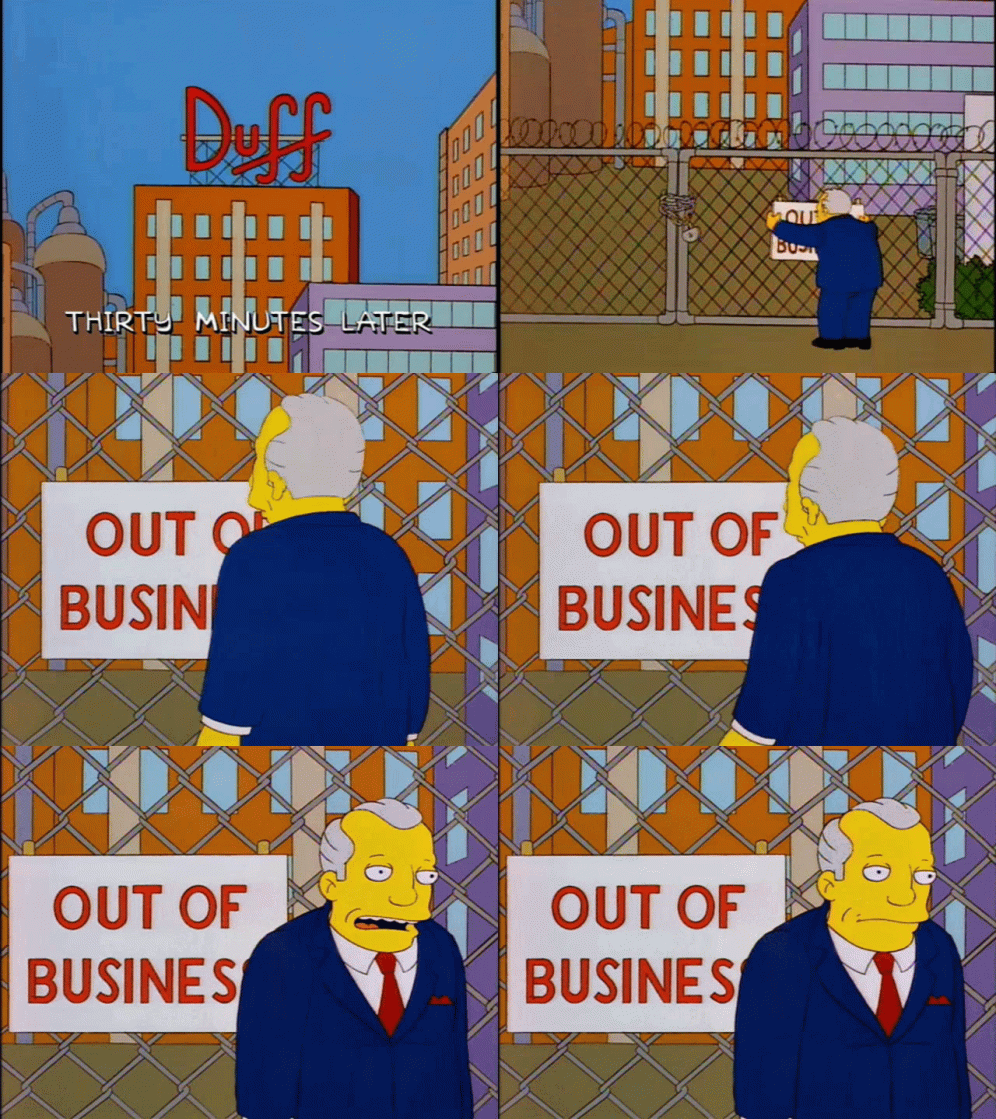
Composition fallacy. You’re cherry-picking one drawback to ignore the full-system benefits.
Next step will be "moving the goal post" fallacy.
Let’s face it, ICE vehicles are
probably a part of your identity and you're resistant to the change.
Drive one. You might like it.
Next step will be "moving the goal post" fallacy.
Let’s face it, ICE vehicles are
probably a part of your identity and you're resistant to the change.
Drive one. You might like it.
November 28, 2025 at 9:24 PM
Composition fallacy. You’re cherry-picking one drawback to ignore the full-system benefits.
Next step will be "moving the goal post" fallacy.
Let’s face it, ICE vehicles are
probably a part of your identity and you're resistant to the change.
Drive one. You might like it.
Next step will be "moving the goal post" fallacy.
Let’s face it, ICE vehicles are
probably a part of your identity and you're resistant to the change.
Drive one. You might like it.
Reposted by Ryan K
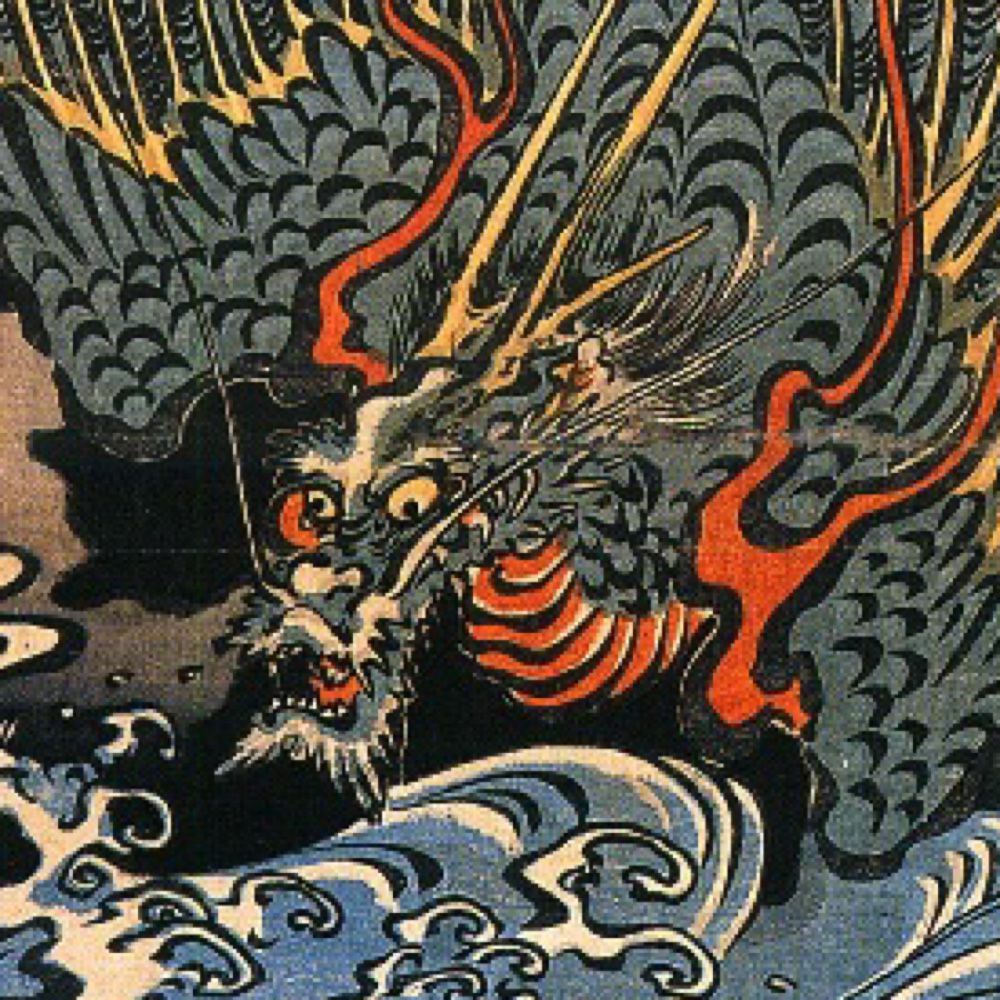
Mexico Versus Nazis is a theme that’s really resonating with me of late

October 30, 2025 at 1:22 AM
Mexico Versus Nazis is a theme that’s really resonating with me of late
In short: When we hear “Aunt” in this sense, it’s not an error - often it’s an embrace of extended-family logic.
October 28, 2025 at 11:35 PM
In short: When we hear “Aunt” in this sense, it’s not an error - often it’s an embrace of extended-family logic.