


Pierre Mattar
@pierre-mattar.bsky.social
Pinned
Pierre Mattar
@pierre-mattar.bsky.social
· Jan 18
Two new papers to... er... skeet? Blurt? Bluert?
First is that our paper on the transcription factor Adnp and the ChAHP chromatin remodelling complex is now out.
www.pnas.org/doi/10.1073/...
I already blurted the paper here: bsky.app/profile/pier...
First is that our paper on the transcription factor Adnp and the ChAHP chromatin remodelling complex is now out.
www.pnas.org/doi/10.1073/...
I already blurted the paper here: bsky.app/profile/pier...
Reposted by Pierre Mattar

Happy to announce that our latest paper is now out! Have you ever wondered how neural tissues control their size? In this paper, we show that cell division orientation is critical in both the cortex and retina. www.science.org/doi/10.1126/...

Oriented cell divisions induce basal progenitors and regulate neural expansion across tissues and species
A fundamental role for division orientation in progenitor output driving cortical and retinal growth is revealed.
www.science.org
February 4, 2026 at 7:16 PM
Happy to announce that our latest paper is now out! Have you ever wondered how neural tissues control their size? In this paper, we show that cell division orientation is critical in both the cortex and retina. www.science.org/doi/10.1126/...
Reposted by Pierre Mattar

The lab's first paper of the new year is out. In it, we investigate the role of the late stage retinal progenitor-enriched SoxE family factors Sox8 and Sox9 in controlling retinal development./1
www.biorxiv.org/content/10.6...
www.biorxiv.org/content/10.6...
Sox8 and Sox9 regulate differentiation and nuclear positioning of retinal Müller glia
Temporal patterning of retinal progenitor cells governs the sequential generation of retinal cell types, with gliogenesis occurring late in development. Sox8 and Sox9, members of the SoxE transcription factor family, are highly expressed in late-stage retinal progenitor cells and mature Müller glia, yet their functional roles remain incompletely defined. Here we employed gain- and loss-of-function approaches, single-cell multiomic profiling, and injury models to investigate Sox8/9 function. Overexpression of SOX8 and/or SOX9 in early-stage retinal progenitor cells suppressed early-born cell fates and promoted photoreceptor generation, consistent with a role in late-stage temporal identity. Conversely, conditional deletion of Sox8 and/or Sox9 in late-stage progenitors did not impair Müller glia specification, but caused radial displacement of Müller glia nuclei into the outer retina and modest changes in glial gene expression. Loss of Sox8/9 in mature Müller glia modestly increased proliferation post-injury without inducing neurogenic competence. These findings suggest that Sox8/9 are dispensable for gliogenesis and repression of neurogenic competence, but are essential for proper laminar positioning and maturation of retinal Müller glia. ### Competing Interest Statement S.B. is a cofounder, shareholder, and scientific advisory board member of CDI Labs LLC, and receives research support from Genentech. National Eye Institute, https://ror.org/03wkg3b53, R01EY036173
www.biorxiv.org
January 16, 2026 at 8:17 PM
The lab's first paper of the new year is out. In it, we investigate the role of the late stage retinal progenitor-enriched SoxE family factors Sox8 and Sox9 in controlling retinal development./1
www.biorxiv.org/content/10.6...
www.biorxiv.org/content/10.6...
Reposted by Pierre Mattar

G+D together with JHU worked to put together this cool video describing our latest work! Check it out!

📽 G&D Tapes 📽
G&D Author, Christina McNerney, tells us about their new study in #genesdev showing how enzyme DIO3 coordinates photoreceptor development.
Read the full story here:
➡️ https://genesdev.cshlp.org/content/40/1-2/70.full
Christina McNerney Bob Johnston Johns Hopkins University
#vision
G&D Author, Christina McNerney, tells us about their new study in #genesdev showing how enzyme DIO3 coordinates photoreceptor development.
Read the full story here:
➡️ https://genesdev.cshlp.org/content/40/1-2/70.full
Christina McNerney Bob Johnston Johns Hopkins University
#vision
January 7, 2026 at 11:55 PM
G+D together with JHU worked to put together this cool video describing our latest work! Check it out!
Reposted by Pierre Mattar
New preprint from the lab! For those who love astrocytes 🤩. We welcome feedback! #preprint #openaccess #astrocytes #autism

Metabolic, epigenetic and transcriptomic alterations in postnatal 16p11.2 deficient murine astrocytes
Autism Spectrum Disorders (ASD) are associated with metabolic dysregulation. While astrocytes are integral to cerebral metabolism, their molecular and functional changes in ASD are poorly known. Using...
www.biorxiv.org
December 17, 2025 at 12:59 PM
New preprint from the lab! For those who love astrocytes 🤩. We welcome feedback! #preprint #openaccess #astrocytes #autism
Reposted by Pierre Mattar

🧬👁️ Our Science Advances paper is published! snATAC-seq analysis across lamprey to human retina uncovers deeply conserved cis-regulatory codes in all six retinal cell types — even with extensive enhancer turnover. Immensely grateful to my coauthors and collaborators. 🙏 www.science.org/doi/10.1126/...

Conservation of cis-regulatory codes over half a billion years of evolution
The regulatory codes controlling vertebrate retinal gene expression have been conserved over more than half a billion years.
www.science.org
December 16, 2025 at 2:17 PM
🧬👁️ Our Science Advances paper is published! snATAC-seq analysis across lamprey to human retina uncovers deeply conserved cis-regulatory codes in all six retinal cell types — even with extensive enhancer turnover. Immensely grateful to my coauthors and collaborators. 🙏 www.science.org/doi/10.1126/...
Reposted by Pierre Mattar

Excited to share our paper with Ghayda Mirzaa describing the novel SMARCA1-related NDD. Out today in Nature Communications.
rdcu.be/ePaDp
rdcu.be/ePaDp

Pathogenic variants in SMARCA1 cause an X-linked neurodevelopmental disorder modulated by NURF complex composition
Nature Communications - The authors identify pathogenic variants in the SMARCA1 gene as the cause of a variable neurodevelopmental disorder. Mouse studies suggest diverse genetic mechanisms related...
rdcu.be
November 10, 2025 at 4:14 PM
Excited to share our paper with Ghayda Mirzaa describing the novel SMARCA1-related NDD. Out today in Nature Communications.
rdcu.be/ePaDp
rdcu.be/ePaDp
Reposted by Pierre Mattar
Our latest paper is out! While the circadian photoentrainment circuit has been extensively studied, the mechanisms regulating its development remain poorly understood. Here we show that retinal Müller glia play a key role in this process. Check it out! www.sciencedirect.com/science/arti...

Retinal glia regulate development of the circadian photoentrainment circuit
Circadian photoentrainment depends on intrinsically photosensitive retinal ganglion cells (ipRGCs), which convey environmental light information to th…
www.sciencedirect.com
October 29, 2025 at 2:27 PM
Our latest paper is out! While the circadian photoentrainment circuit has been extensively studied, the mechanisms regulating its development remain poorly understood. Here we show that retinal Müller glia play a key role in this process. Check it out! www.sciencedirect.com/science/arti...
Reposted by Pierre Mattar

New preprints from the lab (3)! www.biorxiv.org/content/10.1...

October 10, 2025 at 3:01 PM
New preprints from the lab (3)! www.biorxiv.org/content/10.1...
Reposted by Pierre Mattar

Our paper is out today! In @tiffmschmidt.bsky.social lab, we identified a single transcription factor, BRN3B, that shapes multiple, key features that define diverse ipRGC subtypes🧬👁️🐭

Genetic tuning of retinal ganglion cell subtype identity to drive visual behavior
Nature Communications - This study reveals that graded expression of the transcription factor BRN3B fine-tunes the identity and function of melanopsin-expressing ipRGC subtypes in the retina....
urldefense.com
September 30, 2025 at 9:52 PM
Our paper is out today! In @tiffmschmidt.bsky.social lab, we identified a single transcription factor, BRN3B, that shapes multiple, key features that define diverse ipRGC subtypes🧬👁️🐭
Reposted by Pierre Mattar
New preprints from the lab!! (2)

Uncoupling Neocortical Neuron Fate and Migration via a Let-7-RBX2 Axis https://www.biorxiv.org/content/10.1101/2025.09.11.675676v1
September 17, 2025 at 1:49 AM
New preprints from the lab!! (2)
Reposted by Pierre Mattar
🎉 New preprints from the lab! (1) www.biorxiv.org/content/10.1...

Novel Roles of Sonic Hedgehog Signaling in Retinal Patterning and Neurogenesis During Mammalian Eye Development
The Sonic Hedgehog (Shh) signaling pathway is essential for the patterning, growth, and morphogenesis of many tissues. During early eye development, Shh is critical for the formation of the two optic ...
www.biorxiv.org
September 17, 2025 at 1:43 AM
🎉 New preprints from the lab! (1) www.biorxiv.org/content/10.1...
Reposted by Pierre Mattar
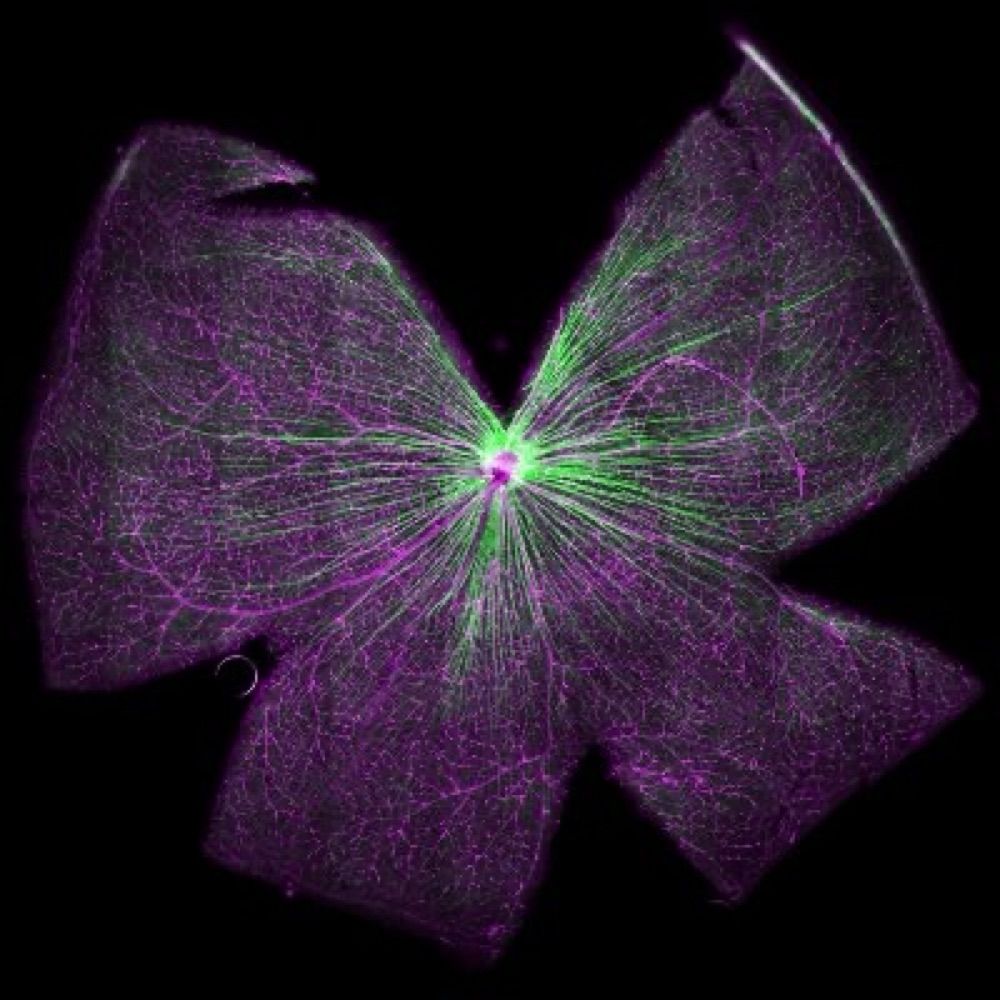
A big thanks to the NEI for supporting my new R01 and MCW for highlighting the research focus. We’ve already made some interesting discoveries and I’m excited to see how the research progresses for years to come. www.mcw.edu/mcwknowledge...

Preventing Blindness by Untangling the Genetic Network of Vision Neurons
Dr. Joel Miesfeld’s lab studies the mechanisms behind retinal ganglion cells to better understand vision development.
www.mcw.edu
September 16, 2025 at 2:05 PM
A big thanks to the NEI for supporting my new R01 and MCW for highlighting the research focus. We’ve already made some interesting discoveries and I’m excited to see how the research progresses for years to come. www.mcw.edu/mcwknowledge...
Reposted by Pierre Mattar

Happy to share the definitive version of our last paper about the role of TET enzymes and DNA demethylation in retinal development @clark-lab-retina.bsky.social journals.plos.org/plosbiology/...

Active DNA demethylation upstream of rod-photoreceptor fate determination is required for retinal development
TET enzymes remove DNA methylation markers, but the role of this process in retinal development is not clear. This study shows that these enzymes are required for photoreceptor cells to initiate the g...
journals.plos.org
September 4, 2025 at 6:09 PM
Happy to share the definitive version of our last paper about the role of TET enzymes and DNA demethylation in retinal development @clark-lab-retina.bsky.social journals.plos.org/plosbiology/...
Reposted by Pierre Mattar

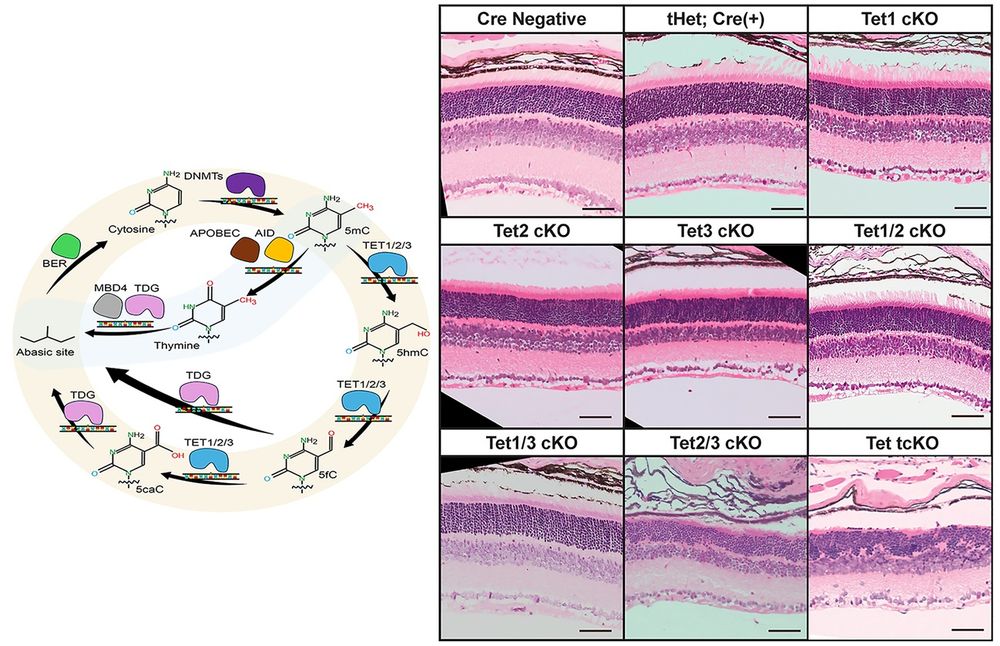
Our work on the TET enzymes in retinal development is out. We identified that rod fate is inhibited when DNA demethylation is prevented by removal of the TET enzymes. Interestingly, photoreceptor numbers are normal. We utilized WGBS and bACE-seq to profile the precise localization of 5mC and 5hmC,…
TET enzymes remove #DNAmethylation markers; @ismaelhdeznunez.bsky.social @clark-lab-retina.bsky.social &co show that these enzymes are required for #photoreceptor cells to initiate the genetic program to become rods instead of cones, & for maturation of the #retina @plosbiology.org 🧪 plos.io/3UaVBfl
August 6, 2025 at 3:19 AM
Our work on the TET enzymes in retinal development is out. We identified that rod fate is inhibited when DNA demethylation is prevented by removal of the TET enzymes. Interestingly, photoreceptor numbers are normal. We utilized WGBS and bACE-seq to profile the precise localization of 5mC and 5hmC,…
Reposted by Pierre Mattar

TET enzymes remove #DNAmethylation markers; @ismaelhdeznunez.bsky.social @clark-lab-retina.bsky.social &co show that these enzymes are required for #photoreceptor cells to initiate the genetic program to become rods instead of cones, & for maturation of the #retina @plosbiology.org 🧪 plos.io/3UaVBfl
August 5, 2025 at 5:11 PM
TET enzymes remove #DNAmethylation markers; @ismaelhdeznunez.bsky.social @clark-lab-retina.bsky.social &co show that these enzymes are required for #photoreceptor cells to initiate the genetic program to become rods instead of cones, & for maturation of the #retina @plosbiology.org 🧪 plos.io/3UaVBfl
Reposted by Pierre Mattar

If you're interested in how Mef2c tunes neuronal response to repulsive guidance cues in the cortex, here's a link to the paper: www.jneurosci.org/content/45/2...
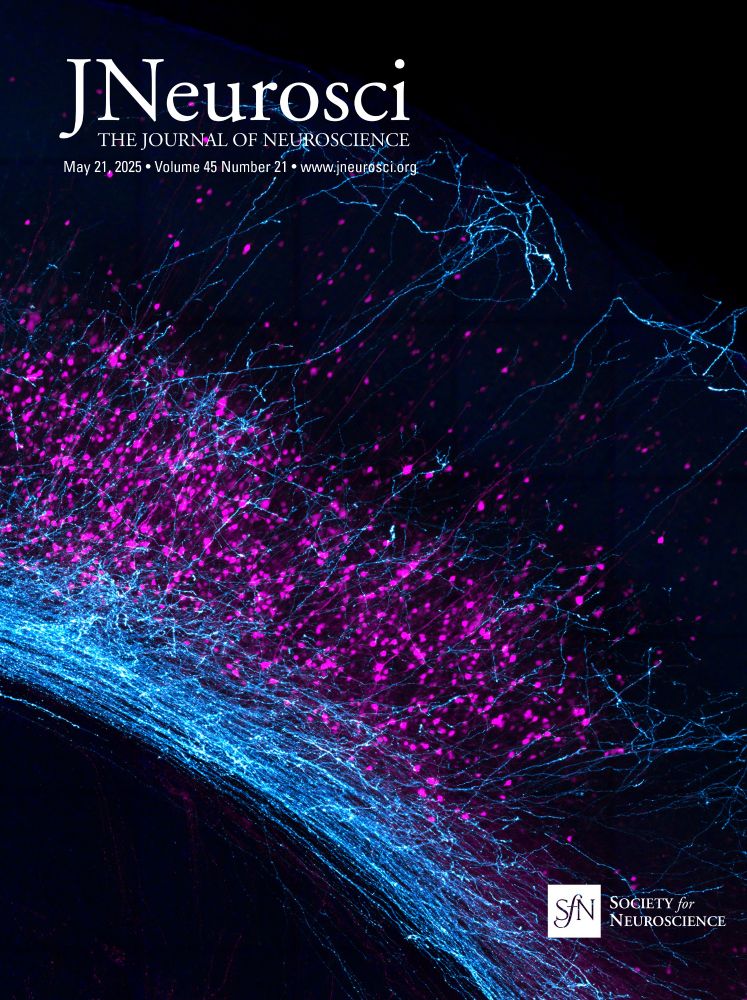
Mef2c Controls Postnatal Callosal Axon Targeting by Regulating Sensitivity to Ephrin Repulsion
Intracortical circuits, including long-range callosal projections, are crucial for information processing. The development of neuronal connectivity in the cerebral cortex is contingent on ordered emer...
www.jneurosci.org
May 24, 2025 at 12:08 AM
If you're interested in how Mef2c tunes neuronal response to repulsive guidance cues in the cortex, here's a link to the paper: www.jneurosci.org/content/45/2...
Reposted by Pierre Mattar
So you want to study the optic nerve head. You’re thinking a Pax2-Cre driver should work, right? Well, think again: pubmed.ncbi.nlm.nih.gov/40300047/

Excluding the Genomic Location of Pax2 Regulatory Elements for the Developing Mouse Eye - PubMed
The Pax2 transcription factor is activated uniformly in the optic vesicle/cup, but becomes progressively restricted to the forming optic disc and stalk. In the eye, it is not known how Pax2 expression...
pubmed.ncbi.nlm.nih.gov
April 30, 2025 at 8:39 PM
So you want to study the optic nerve head. You’re thinking a Pax2-Cre driver should work, right? Well, think again: pubmed.ncbi.nlm.nih.gov/40300047/
Reposted by Pierre Mattar
Our latest manuscript (7 years in the works) tackles the question of how diurnal ground squirrels evolved a cone-dominant retina, in contrast to the ancestral rod-dominant retina retained by virtually all other mammals./1
www.biorxiv.org/content/10.1...
www.biorxiv.org/content/10.1...

Heterochronic transcription factor expression drives cone-dominant retina development in 13-lined ground squirrels.
Evolutionary adaptation to diurnal vision in ground squirrels has led to the development of a cone-dominant retina, in stark contrast to the rod-dominant retinas of most mammals. The molecular mechani...
www.biorxiv.org
April 29, 2025 at 11:06 AM
Our latest manuscript (7 years in the works) tackles the question of how diurnal ground squirrels evolved a cone-dominant retina, in contrast to the ancestral rod-dominant retina retained by virtually all other mammals./1
www.biorxiv.org/content/10.1...
www.biorxiv.org/content/10.1...
Reposted by Pierre Mattar

Funded PhD Studentship available in my lab at @lsiexeter.bsky.social.
Want to study how chromatin remodellers act on enhancers to facilitate cell fate decisions in human pluripotent cells? Want to work and live in a lively city by the sea? Get in touch/Apply!
lsi.exeter.ac.uk/groups/hendr...
Want to study how chromatin remodellers act on enhancers to facilitate cell fate decisions in human pluripotent cells? Want to work and live in a lively city by the sea? Get in touch/Apply!
lsi.exeter.ac.uk/groups/hendr...
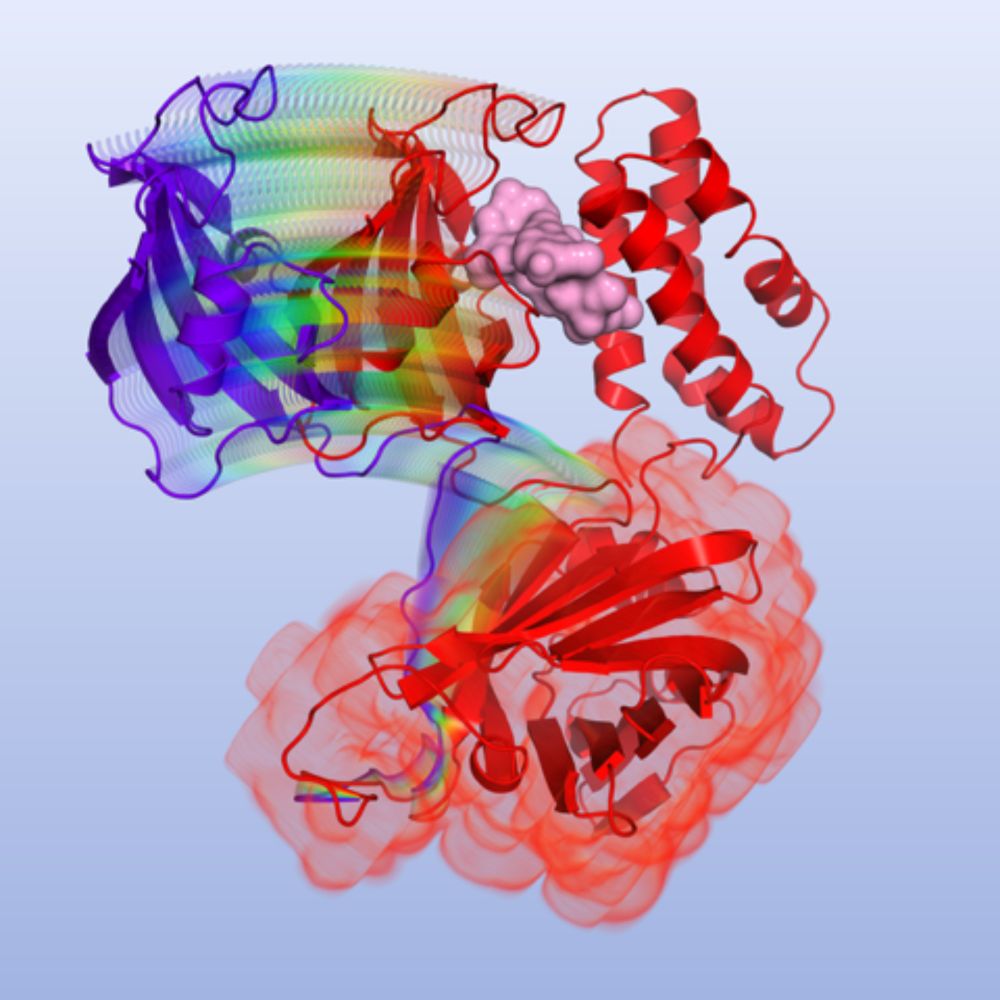
Hendrich Group - Starting Sept 2025 - Living Systems Institute - University of Exeter
Opportunity for LSI PHD studentship – starting in September 2025 or January 2026 PhD Studentship applications will open on 1st...
lsi.exeter.ac.uk
April 12, 2025 at 12:58 PM
Funded PhD Studentship available in my lab at @lsiexeter.bsky.social.
Want to study how chromatin remodellers act on enhancers to facilitate cell fate decisions in human pluripotent cells? Want to work and live in a lively city by the sea? Get in touch/Apply!
lsi.exeter.ac.uk/groups/hendr...
Want to study how chromatin remodellers act on enhancers to facilitate cell fate decisions in human pluripotent cells? Want to work and live in a lively city by the sea? Get in touch/Apply!
lsi.exeter.ac.uk/groups/hendr...
Reposted by Pierre Mattar

My lab studies mechanisms of pediatric glaucoma and the development of tissues affected (Schlemm's canal and trabecular meshwork). I am getting creative with fundraising because, well... So if you know someone who might be interested in funding our work: joinus.cuimc.columbia.edu/index.cfm?fu...

I'm supporting Your Columbia!
Your Columbia is your opportunity to be a part of the unparalleled research, education, and clinical care that takes place every day at Columbia University Irving Medical Center. It’s a potent and imp...
joinus.cuimc.columbia.edu
March 27, 2025 at 4:33 PM
My lab studies mechanisms of pediatric glaucoma and the development of tissues affected (Schlemm's canal and trabecular meshwork). I am getting creative with fundraising because, well... So if you know someone who might be interested in funding our work: joinus.cuimc.columbia.edu/index.cfm?fu...
Reposted by Pierre Mattar

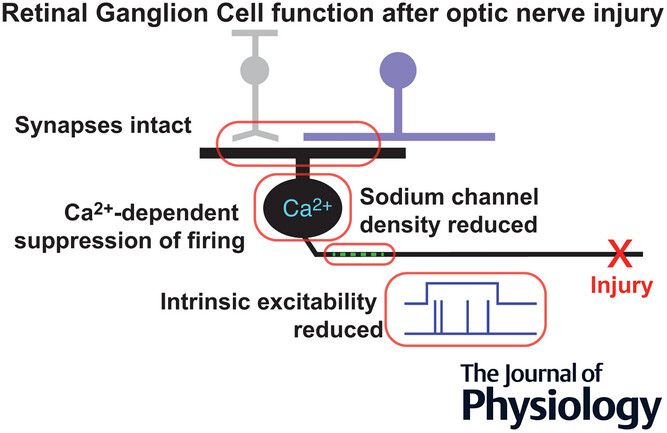
After injury some RGCs survive but do they thrive? In this collaboration with Jonathan Demb's lab (Yale), we looked into the physiology of resilient RGCs after axon injury. Their visual responses largely remain intact but they exhibit reduced intrinsic excitability, coincident with AIS disassembly.
February 25, 2025 at 10:05 PM
After injury some RGCs survive but do they thrive? In this collaboration with Jonathan Demb's lab (Yale), we looked into the physiology of resilient RGCs after axon injury. Their visual responses largely remain intact but they exhibit reduced intrinsic excitability, coincident with AIS disassembly.
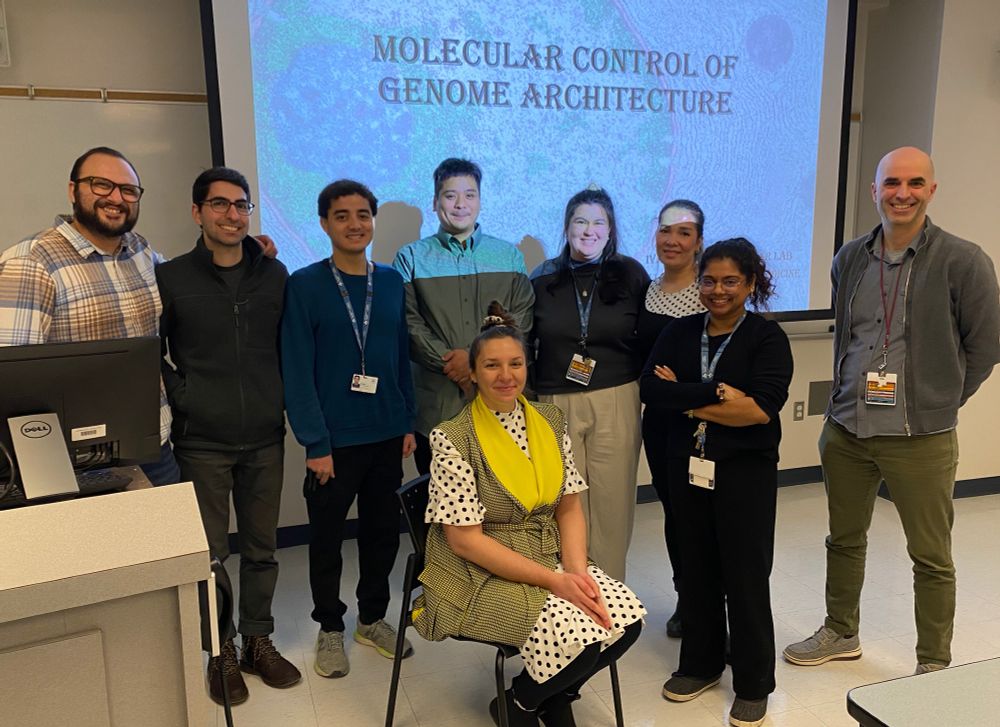
Momentous day yesterday as Ivana Herrera successfully defended her doctoral thesis. Huge congratulations to her (seated center). Very proud of her!
February 22, 2025 at 8:46 PM
Momentous day yesterday as Ivana Herrera successfully defended her doctoral thesis. Huge congratulations to her (seated center). Very proud of her!
Reposted by Pierre Mattar
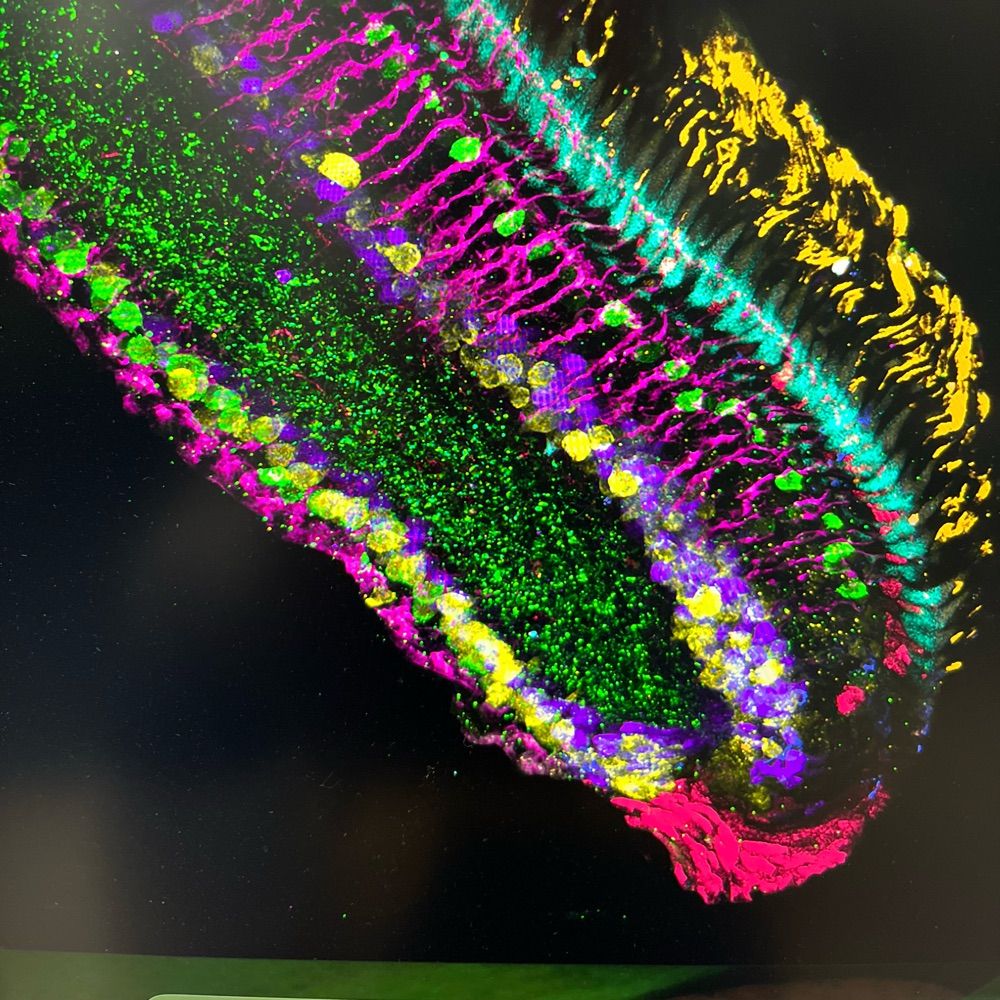
We’re hiring a new research fellow. Come join us in London to study glial cells in the ageing retina using killifish as a model. www.ucl.ac.uk/work-at-ucl/...

UCL – University College London
UCL is consistently ranked as one of the top ten universities in the world (QS World University Rankings 2010-2022) and is No.2 in the UK for research power (Research Excellence Framework 2021).
www.ucl.ac.uk
February 7, 2025 at 2:35 PM
We’re hiring a new research fellow. Come join us in London to study glial cells in the ageing retina using killifish as a model. www.ucl.ac.uk/work-at-ucl/...