


Koya Lab
@koyalab.bsky.social
We aim to reveal the neuronal ensemble mechanisms of motivated behaviours guided by food-associated cues. We are located in weird and wonderful Brighton on the southern English coast!
(lab homepage: http://tinyurl.com/y44g9a7u)
(lab homepage: http://tinyurl.com/y44g9a7u)
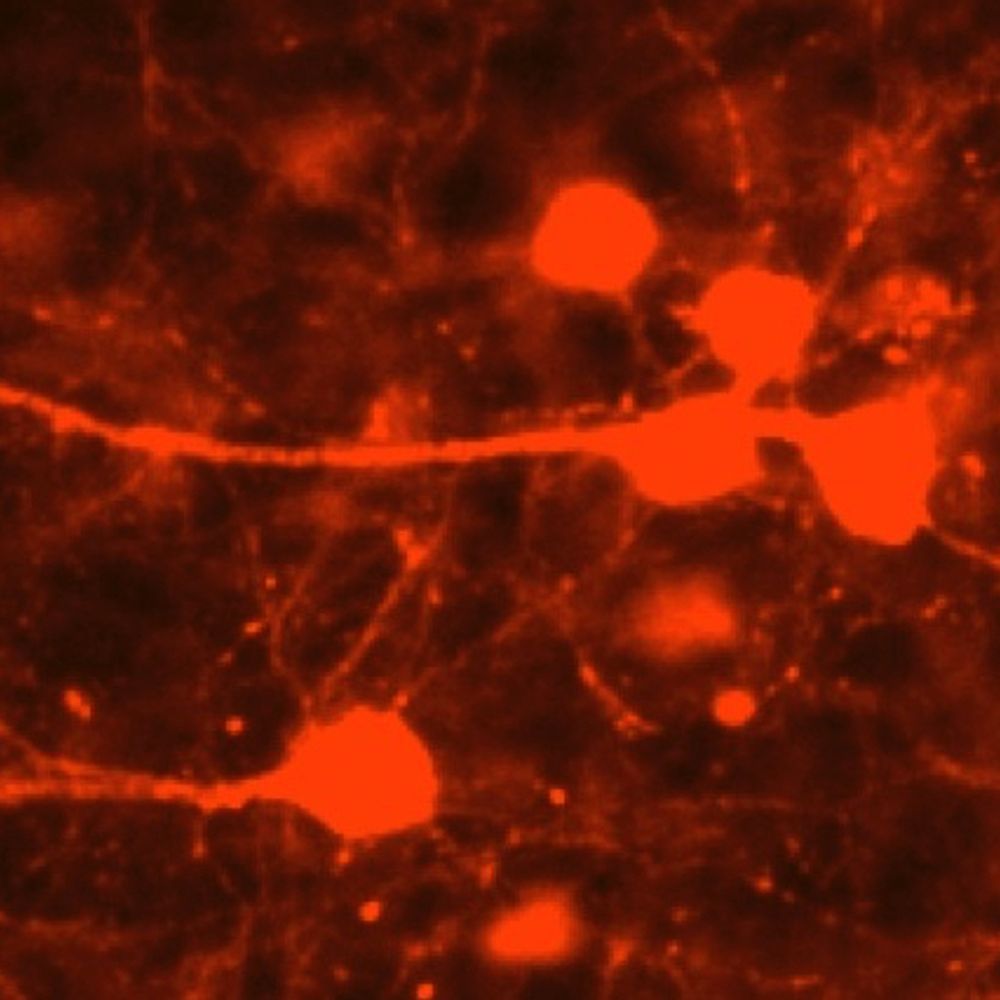
Finally, we used retrograde viral tracing to label PL→PVT and PL→NAc neurons and examined their recruitment after EE. We focused on these pathways because they process cue-related information and coordinate reward seeking. EE reduced recruitment of PL→PVT neurons, but not PL→NAc neurons. 8/n

November 24, 2025 at 10:48 AM
Finally, we used retrograde viral tracing to label PL→PVT and PL→NAc neurons and examined their recruitment after EE. We focused on these pathways because they process cue-related information and coordinate reward seeking. EE reduced recruitment of PL→PVT neurons, but not PL→NAc neurons. 8/n
Next, we used ex vivo electrophysiology and found that EE increased the general, ‘baseline’ (before cue exposure) excitability of PL inhibitory interneurons, but not pyramidal cells. This suggests that EE enhances the ability to inhibit local neuronal activity. 7/n

November 24, 2025 at 10:48 AM
Next, we used ex vivo electrophysiology and found that EE increased the general, ‘baseline’ (before cue exposure) excitability of PL inhibitory interneurons, but not pyramidal cells. This suggests that EE enhances the ability to inhibit local neuronal activity. 7/n
First, we found that environmental enrichment (EE) not only reduced cue-evoked sucrose seeking but also decreased sucrose solution consumption in the home cage. These findings suggest that EE lowers the motivational value of sucrose, thereby diminishing sucrose cue reactivity. 6/n

November 24, 2025 at 10:48 AM
First, we found that environmental enrichment (EE) not only reduced cue-evoked sucrose seeking but also decreased sucrose solution consumption in the home cage. These findings suggest that EE lowers the motivational value of sucrose, thereby diminishing sucrose cue reactivity. 6/n
We previously provided such stimulation via environmentally enriched (EE) housing (e.g. large cage, tunnels, exercise wheels). EE reduced cue-evoked sucrose seeking and neuronal ensemble activity in prelimbic cortex (PL), a brain area that controls motivated actions like reward seeking. 4/n

November 24, 2025 at 10:48 AM
We previously provided such stimulation via environmentally enriched (EE) housing (e.g. large cage, tunnels, exercise wheels). EE reduced cue-evoked sucrose seeking and neuronal ensemble activity in prelimbic cortex (PL), a brain area that controls motivated actions like reward seeking. 4/n
Background: Cognitive (playing Tetris) and physical (exercise) stimulation reduces food cravings and cue reactivity. Not surprisingly, health agencies such as UK National Health Services (NHS) recommends such accessible, non-pharmacological interventions to control food cravings! 3/n

November 24, 2025 at 10:48 AM
Background: Cognitive (playing Tetris) and physical (exercise) stimulation reduces food cravings and cue reactivity. Not surprisingly, health agencies such as UK National Health Services (NHS) recommends such accessible, non-pharmacological interventions to control food cravings! 3/n
Our article “Environmental Enrichment Suppresses Food Seeking and Increases Inhibitory Interneuron Excitability While Decreasing Corticothalamic Neuronal Recruitment in the Prelimbic Cortex” is now out on @ejneuroscience.bsky.social Read it here: tinyurl.com/2dbnk5c2
Highlights below 👇 1/n
Highlights below 👇 1/n

November 24, 2025 at 10:48 AM
Our article “Environmental Enrichment Suppresses Food Seeking and Increases Inhibitory Interneuron Excitability While Decreasing Corticothalamic Neuronal Recruitment in the Prelimbic Cortex” is now out on @ejneuroscience.bsky.social Read it here: tinyurl.com/2dbnk5c2
Highlights below 👇 1/n
Highlights below 👇 1/n
The microscope we used together (pictured below just before his retirement) was where many of these lessons were learned.

September 26, 2025 at 5:12 PM
The microscope we used together (pictured below just before his retirement) was where many of these lessons were learned.
I recently learned that my PhD mentor, Pieter Voorn, passed away at the age of 70.
He was a superb, ‘classical’ neuroanatomist at VU Medical Center in Amsterdam, working alongside Gloria Meredith, Henk Groenewegen, Harry Uylings, and Chris Wright.
He was a superb, ‘classical’ neuroanatomist at VU Medical Center in Amsterdam, working alongside Gloria Meredith, Henk Groenewegen, Harry Uylings, and Chris Wright.

September 26, 2025 at 5:12 PM
I recently learned that my PhD mentor, Pieter Voorn, passed away at the age of 70.
He was a superb, ‘classical’ neuroanatomist at VU Medical Center in Amsterdam, working alongside Gloria Meredith, Henk Groenewegen, Harry Uylings, and Chris Wright.
He was a superb, ‘classical’ neuroanatomist at VU Medical Center in Amsterdam, working alongside Gloria Meredith, Henk Groenewegen, Harry Uylings, and Chris Wright.
Flight back has been cancelled so must spend another day in Almeria! Not a bad place to get stranded ! 😁


September 21, 2025 at 2:33 PM
Flight back has been cancelled so must spend another day in Almeria! Not a bad place to get stranded ! 😁
Seen today in Brighton: Old-school, non-LLM, analogue spell checking! 😄

September 7, 2025 at 5:29 PM
Seen today in Brighton: Old-school, non-LLM, analogue spell checking! 😄
Seen today in Brighton: A tribute to Pac-man on wheels! 😄


August 5, 2025 at 7:39 PM
Seen today in Brighton: A tribute to Pac-man on wheels! 😄
The Shoya House at The Huntington, San Marino, CA. A house built in the Edo period 300 years ago in Marugame Japan. It was disassembled there and reassembled at The Huntington. Amazing !


July 20, 2025 at 2:16 AM
The Shoya House at The Huntington, San Marino, CA. A house built in the Edo period 300 years ago in Marugame Japan. It was disassembled there and reassembled at The Huntington. Amazing !
Friday happiness=yakitori and Suntory Premium Malts at Torikizoku! 😋


July 12, 2025 at 6:40 AM
Friday happiness=yakitori and Suntory Premium Malts at Torikizoku! 😋
Together, impaired neuronal food cue processing from simultaneous prefrontal excitatory 'overdrive' and inhibitory 'underdrive' likely underlies EE's anti-food seeking action, thereby serving as potential neurophysiological targets to develop novel medications that help control food cravings. 13/n

July 11, 2025 at 6:56 PM
Together, impaired neuronal food cue processing from simultaneous prefrontal excitatory 'overdrive' and inhibitory 'underdrive' likely underlies EE's anti-food seeking action, thereby serving as potential neurophysiological targets to develop novel medications that help control food cravings. 13/n
So increased gas pedal action might mean decreased braking action? We measured Fos in PL inhibitory interneurons. EE reduced recruitment of cue-reactive, inhibitory interneurons reflecting 'inhibitory underdrive', so decreased braking. 11/n

July 11, 2025 at 6:56 PM
So increased gas pedal action might mean decreased braking action? We measured Fos in PL inhibitory interneurons. EE reduced recruitment of cue-reactive, inhibitory interneurons reflecting 'inhibitory underdrive', so decreased braking. 11/n
How does EE impact PL pyramidal cell activity in vivo? We used fibre photometry and measured GCaMP activity and revealed that EE induced a loss of cue specificity and general elevation of PL pyramidal cell activity in vivo during sucrose seeking. So another case of excitatory ‘overdrive’! 😲10/n

July 11, 2025 at 6:56 PM
How does EE impact PL pyramidal cell activity in vivo? We used fibre photometry and measured GCaMP activity and revealed that EE induced a loss of cue specificity and general elevation of PL pyramidal cell activity in vivo during sucrose seeking. So another case of excitatory ‘overdrive’! 😲10/n
How does EE impact reactivation of this ‘originally’ (before EE) cue-reactive, pyramidal cell ensemble? Following EE, we measured tdTomato and Fos expression in FosTRAP2:Ai14 mice after testing for cue-evoked sucrose seeking. Ensemble neurons were reactivated despite decreased sucrose seeking! 😲9/n

July 11, 2025 at 6:56 PM
How does EE impact reactivation of this ‘originally’ (before EE) cue-reactive, pyramidal cell ensemble? Following EE, we measured tdTomato and Fos expression in FosTRAP2:Ai14 mice after testing for cue-evoked sucrose seeking. Ensemble neurons were reactivated despite decreased sucrose seeking! 😲9/n
Might EE tap into this cue-reactive ensemble? We used FosTRAP2:Ai14 mice and measured excitability in tdTomato+ and – pyramidal cells. EE boosted the baseline excitability of 'originally', or before EE exposure, cue-reactive, excitatory pyramidal cells in PL, resulting in neuronal ‘overdrive’. 😲 8/n

July 11, 2025 at 6:56 PM
Might EE tap into this cue-reactive ensemble? We used FosTRAP2:Ai14 mice and measured excitability in tdTomato+ and – pyramidal cells. EE boosted the baseline excitability of 'originally', or before EE exposure, cue-reactive, excitatory pyramidal cells in PL, resulting in neuronal ‘overdrive’. 😲 8/n
First, in FosTRAP2 mice, we tagged cue-reactive PL neurons with hM4Di. Chemogenetic inhibition of cue-reactive neurons in PL blocked cue-evoked sucrose seeking, thereby confirming the function of these neurons in sucrose cue memory. 7/n

July 11, 2025 at 6:56 PM
First, in FosTRAP2 mice, we tagged cue-reactive PL neurons with hM4Di. Chemogenetic inhibition of cue-reactive neurons in PL blocked cue-evoked sucrose seeking, thereby confirming the function of these neurons in sucrose cue memory. 7/n
We previously saw that cue-evoked food seeking is controlled via fine-tuning neuronal ensemble recruitment and excitability. Here we investigated how EE promoted suppression of cue-evoked sucrose seeking through modulating excitability- and activity-related properties of PL neurons. 6/n

July 11, 2025 at 6:56 PM
We previously saw that cue-evoked food seeking is controlled via fine-tuning neuronal ensemble recruitment and excitability. Here we investigated how EE promoted suppression of cue-evoked sucrose seeking through modulating excitability- and activity-related properties of PL neurons. 6/n
Previously, we provided such stimulation via environmentally enriched (EE) housing (e.g. large cage, tunnels, exercise wheels). EE reduced cue-evoked sucrose seeking and neuronal ensemble activity in prelimbic cortex (PL), a brain area that controls motivated actions like reward seeking. 5/n
July 11, 2025 at 6:56 PM
Previously, we provided such stimulation via environmentally enriched (EE) housing (e.g. large cage, tunnels, exercise wheels). EE reduced cue-evoked sucrose seeking and neuronal ensemble activity in prelimbic cortex (PL), a brain area that controls motivated actions like reward seeking. 5/n
Interestingly, cognitive (playing Tetris) and physical (exercise) stimulation reduces food cravings and cue reactivity. In fact, UK National Health Services (NHS) recommends such accessible, non-pharmacological interventions to control food cravings! 4/n
July 11, 2025 at 6:56 PM
Interestingly, cognitive (playing Tetris) and physical (exercise) stimulation reduces food cravings and cue reactivity. In fact, UK National Health Services (NHS) recommends such accessible, non-pharmacological interventions to control food cravings! 4/n
Background: Stimuli or ‘cues’ associated with food (e.g. fast-food advertisement) can provoke food cravings, which may make us overeat. As such, we want to control our cravings. But how do we suppress such food cue reactivity and what are the brain mechanisms behind this suppression? 3/n

July 11, 2025 at 6:56 PM
Background: Stimuli or ‘cues’ associated with food (e.g. fast-food advertisement) can provoke food cravings, which may make us overeat. As such, we want to control our cravings. But how do we suppress such food cue reactivity and what are the brain mechanisms behind this suppression? 3/n
Our article “Prelimbic cortical excitatory overdrive and inhibitory underdrive accompany environmental suppression of food seeking” recently came out on @npp-journal.bsky.social. tinyurl.com/5xpd9ay5 Want to learn more? The thread is below: 1/n

July 11, 2025 at 6:56 PM
Our article “Prelimbic cortical excitatory overdrive and inhibitory underdrive accompany environmental suppression of food seeking” recently came out on @npp-journal.bsky.social. tinyurl.com/5xpd9ay5 Want to learn more? The thread is below: 1/n
Nice views of Arundel this afternoon!


June 17, 2025 at 3:16 PM
Nice views of Arundel this afternoon!