



Sheffield Hearing Group
@hearingshef.bsky.social
World-leading research group at The University of Sheffield. We specialise in research on the development, function and ageing of the auditory systems.
sheffield.ac.uk/hearing
sheffield.ac.uk/hearing
...to elicit hearing when hair cells are non-functional, is basically what cochlear implants have been doing for decades. They just don't have that fancy light activated style to them. Very good question! I hope that answered it ❤️(4/4)
October 10, 2025 at 7:28 AM
...to elicit hearing when hair cells are non-functional, is basically what cochlear implants have been doing for decades. They just don't have that fancy light activated style to them. Very good question! I hope that answered it ❤️(4/4)
...possesses, meaning the width of a hydrogen atom, AND the spiral ganglion neurons didn't die off and possessed projections close enough to the organ of Corti to still be activated, then there could be a way to do a similar bypass. The fundamental idea though, of bypassing the sensory cells...(3/4)
October 10, 2025 at 7:27 AM
...possesses, meaning the width of a hydrogen atom, AND the spiral ganglion neurons didn't die off and possessed projections close enough to the organ of Corti to still be activated, then there could be a way to do a similar bypass. The fundamental idea though, of bypassing the sensory cells...(3/4)
...cochlear implant to improve frequency selectivity, which works similar to the research you mentioned; by expressing light sensitive channels in the spiral ganglion neurons that relay sound information. If we had a channel at our disposal that activated with the same sensitivity hearing... (2/4)
October 10, 2025 at 7:27 AM
...cochlear implant to improve frequency selectivity, which works similar to the research you mentioned; by expressing light sensitive channels in the spiral ganglion neurons that relay sound information. If we had a channel at our disposal that activated with the same sensitivity hearing... (2/4)
There is, but it's more indirect. The way in which the visual system transduces information is actually simpler than the ear, and a simple knock-in of an optically activated protein can bypass the photoreceptors without much fiddling. Work is being done to try out a light version of a... (1/4)
October 10, 2025 at 7:26 AM
There is, but it's more indirect. The way in which the visual system transduces information is actually simpler than the ear, and a simple knock-in of an optically activated protein can bypass the photoreceptors without much fiddling. Work is being done to try out a light version of a... (1/4)
Keep an eye out on our website to read more about each presentation and poster! 👀
sheffield.ac.uk/hearing
sheffield.ac.uk/hearing

Hearing Research Group
Bringing together leading experts in physiology, genetics, developmental biology, stem cell biology and computational neuroscience to better understand the auditory system and develop therapeutic inte...
sheffield.ac.uk
October 2, 2025 at 1:09 PM
Keep an eye out on our website to read more about each presentation and poster! 👀
sheffield.ac.uk/hearing
sheffield.ac.uk/hearing
Reposted by Sheffield Hearing Group
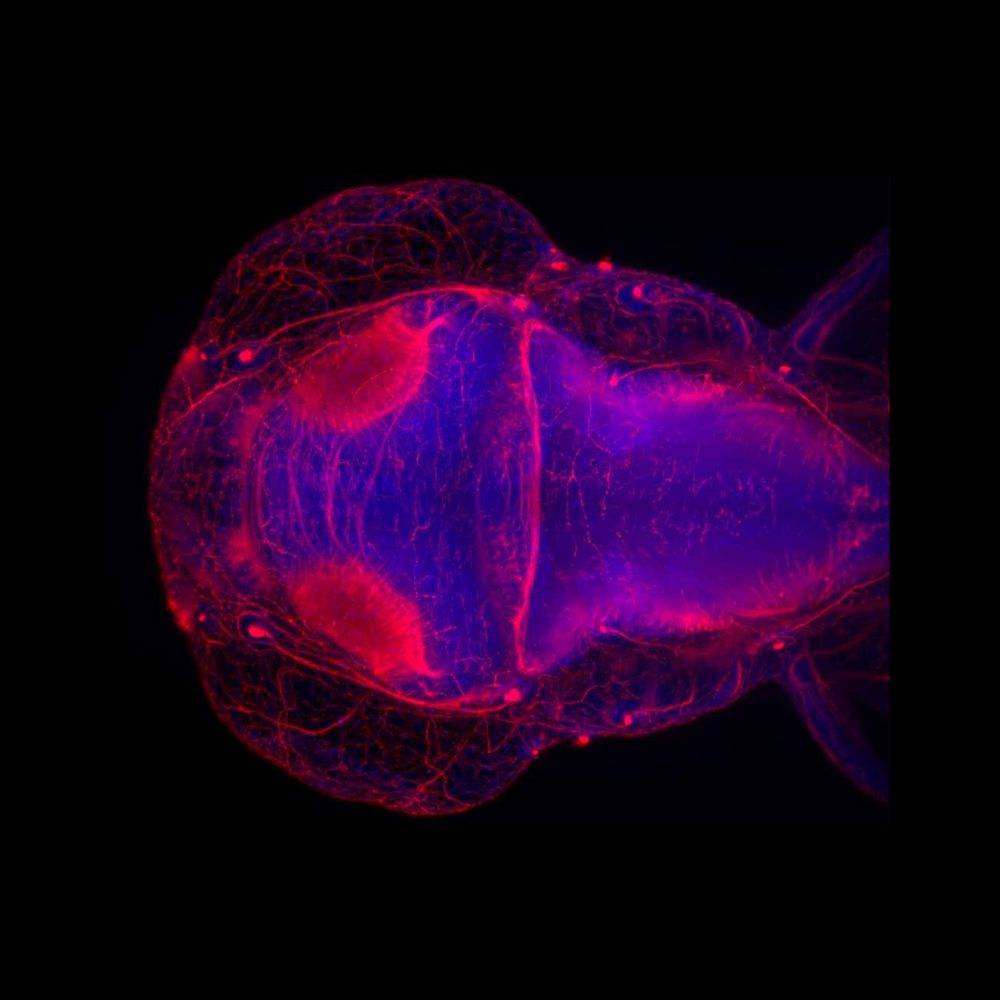
Ceriani et al. (2025). A machine-learning-based approach to predict early hallmarks of progressive hearing loss. Hearing Research 464, 109328.
doi.org/10.1016/j.he...
@hearingshef.bsky.social
doi.org/10.1016/j.he...
@hearingshef.bsky.social

September 17, 2025 at 2:54 PM
Ceriani et al. (2025). A machine-learning-based approach to predict early hallmarks of progressive hearing loss. Hearing Research 464, 109328.
doi.org/10.1016/j.he...
@hearingshef.bsky.social
doi.org/10.1016/j.he...
@hearingshef.bsky.social