



Gaurav
@gauravanlyst.bsky.social
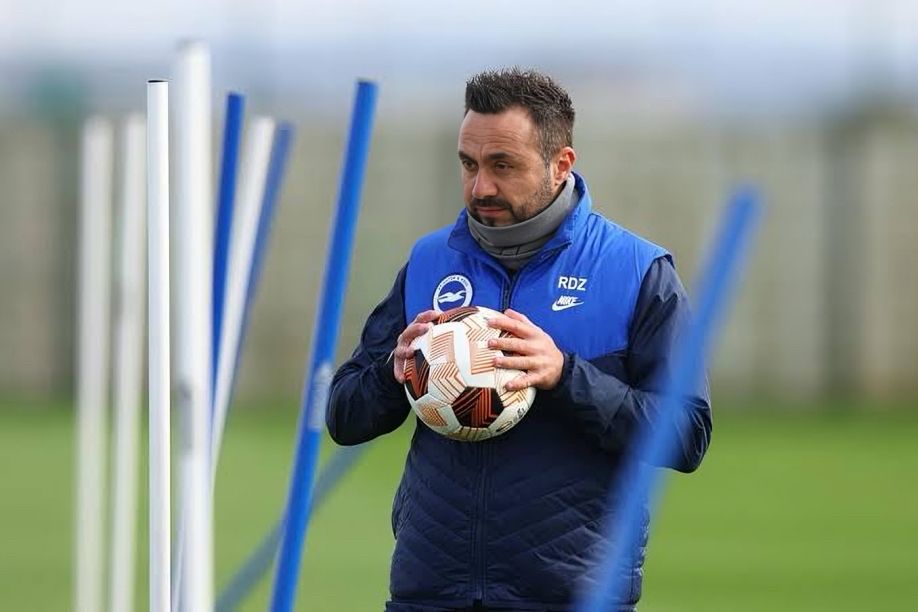
De Zerbi
“In the game, you have fast actions, and sometimes one player overloads, sometimes none, we don't see situations of 4 or 5 player overloads. In conditioning or confidence building, a large overload may be useful, but in training for the game, a minimal overload is better”
“In the game, you have fast actions, and sometimes one player overloads, sometimes none, we don't see situations of 4 or 5 player overloads. In conditioning or confidence building, a large overload may be useful, but in training for the game, a minimal overload is better”
December 5, 2024 at 1:45 PM
De Zerbi
“In the game, you have fast actions, and sometimes one player overloads, sometimes none, we don't see situations of 4 or 5 player overloads. In conditioning or confidence building, a large overload may be useful, but in training for the game, a minimal overload is better”
“In the game, you have fast actions, and sometimes one player overloads, sometimes none, we don't see situations of 4 or 5 player overloads. In conditioning or confidence building, a large overload may be useful, but in training for the game, a minimal overload is better”
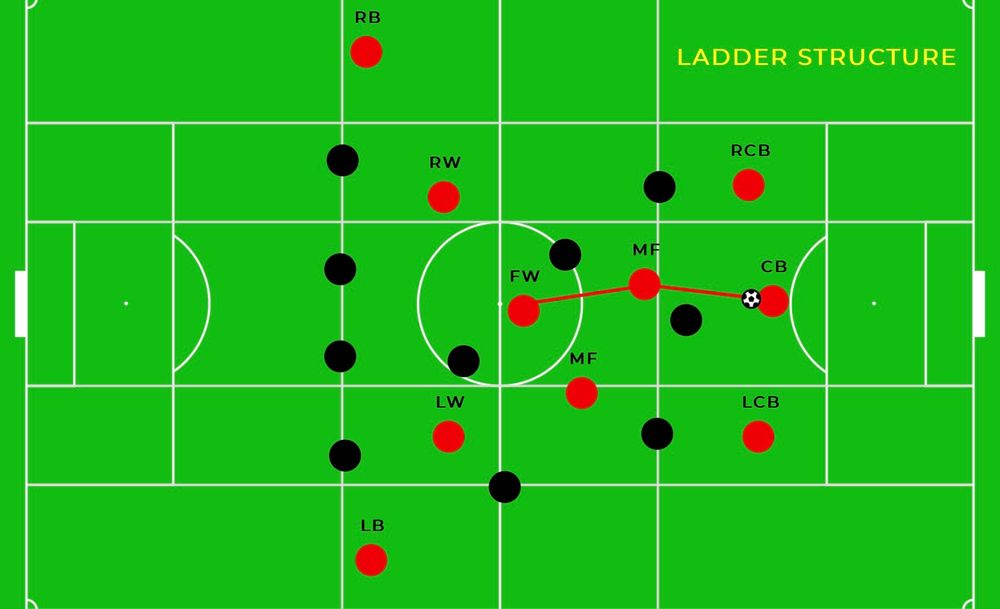
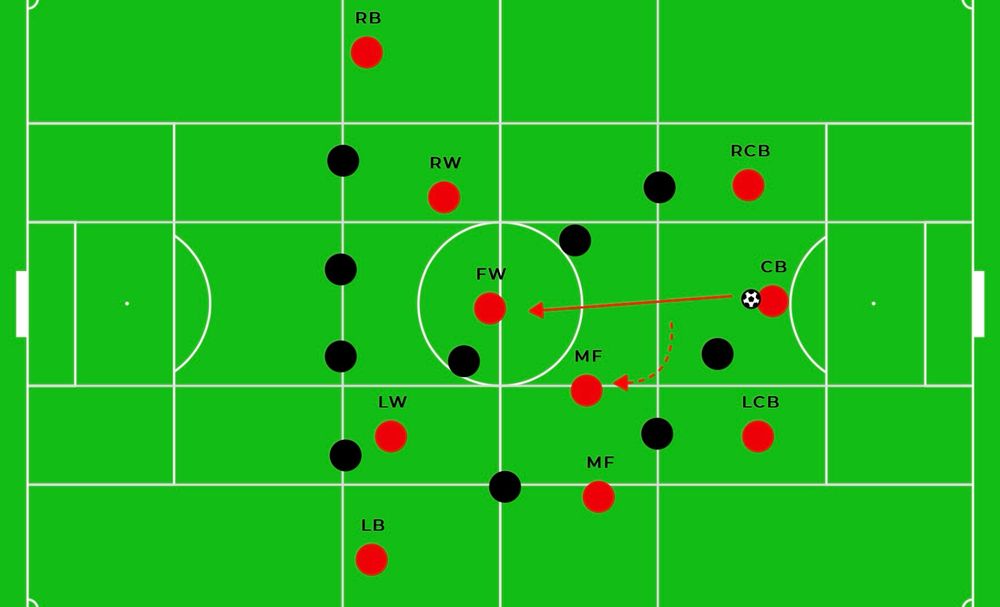
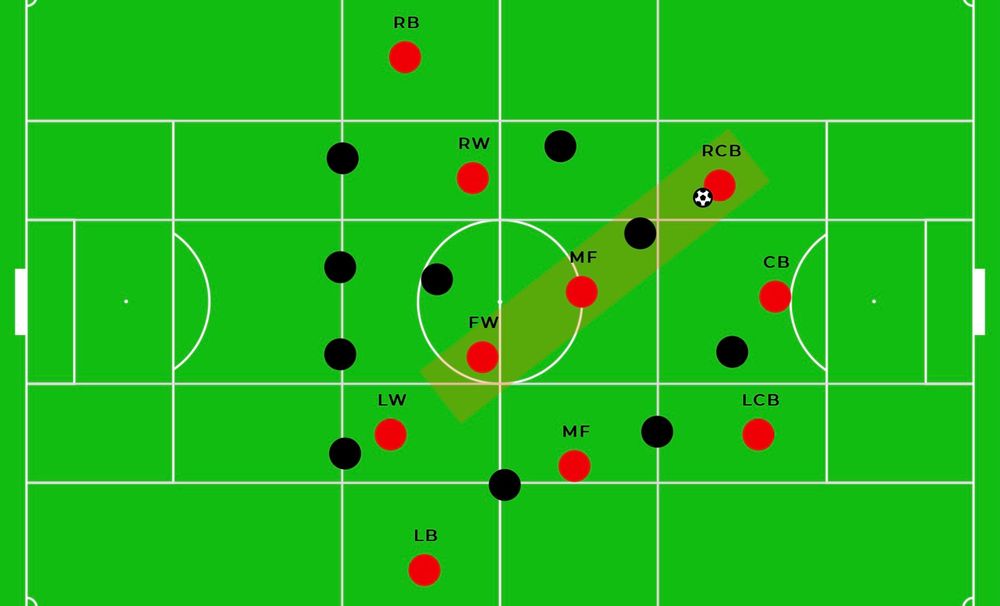
Xabi Alonso’s diagonal third-man combinations
November 30, 2024 at 3:24 PM
Xabi Alonso’s diagonal third-man combinations
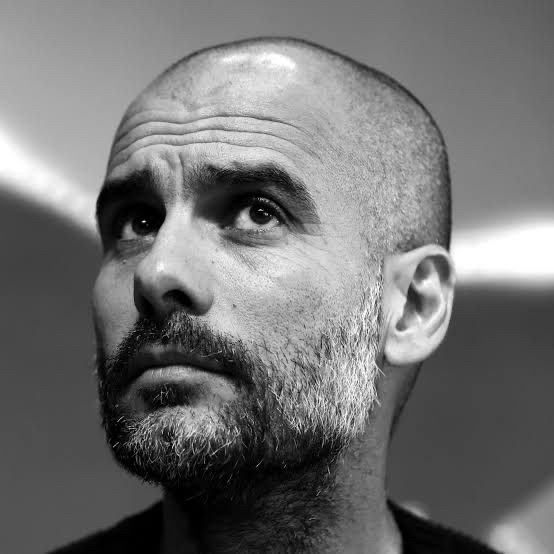
Pep Guardiola
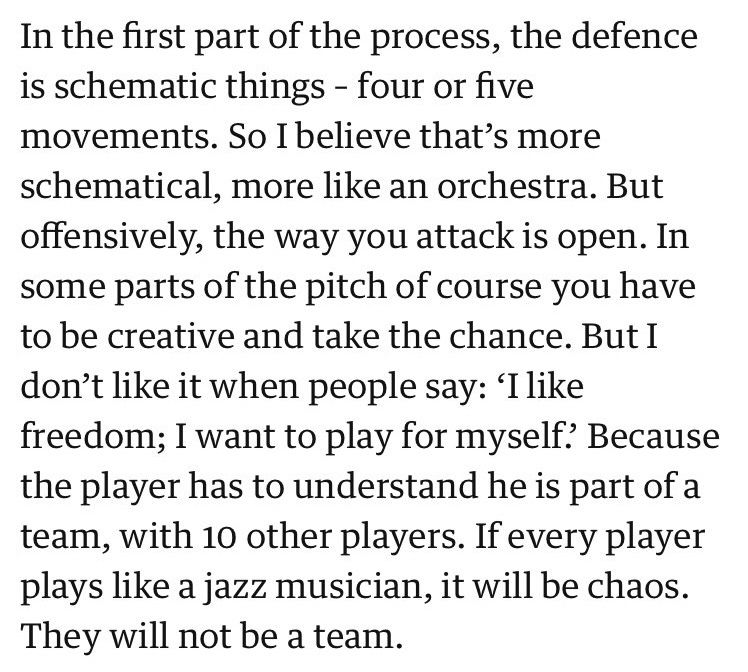
In some parts of the pitch of course you have to be creative and take the chance. But I don't like it when people say: 'I like freedom; I want to play for myself.’
In some parts of the pitch of course you have to be creative and take the chance. But I don't like it when people say: 'I like freedom; I want to play for myself.’
November 27, 2024 at 2:15 PM
Pep Guardiola
In some parts of the pitch of course you have to be creative and take the chance. But I don't like it when people say: 'I like freedom; I want to play for myself.’
In some parts of the pitch of course you have to be creative and take the chance. But I don't like it when people say: 'I like freedom; I want to play for myself.’
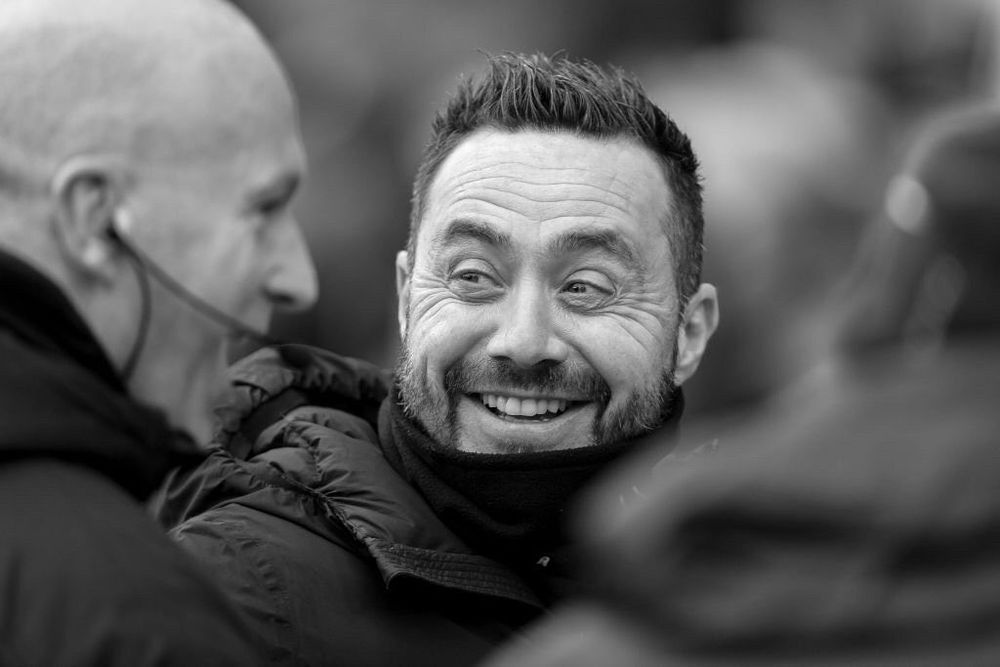
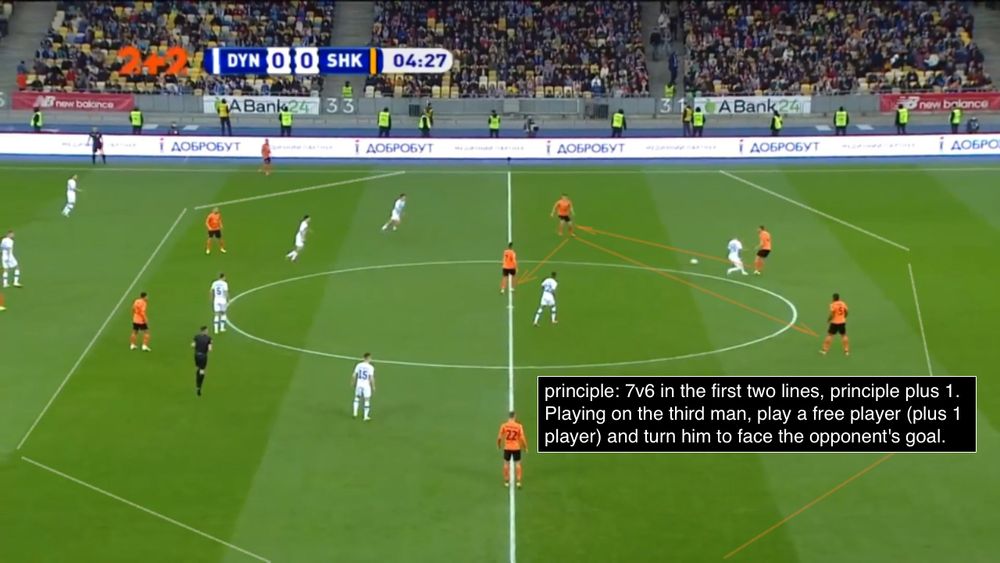
Roberto De Zerbi’s Buildup
• Command of the game through game reading and knowledge
• Execution of the sole for control
• Rational occupation of space
• Numerical superiority
• Command of the game through game reading and knowledge
• Execution of the sole for control
• Rational occupation of space
• Numerical superiority
November 26, 2024 at 1:59 PM
Roberto De Zerbi’s Buildup
• Command of the game through game reading and knowledge
• Execution of the sole for control
• Rational occupation of space
• Numerical superiority
• Command of the game through game reading and knowledge
• Execution of the sole for control
• Rational occupation of space
• Numerical superiority
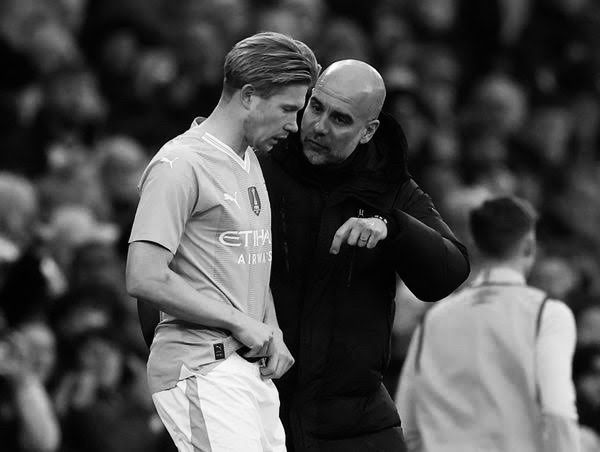
Kevin De Bruyne
"What we train most of the time is high pressing and goal-kicks, everything in between allows for a bit more freedom. The first 45-60 meters is quite structured initially. However, once in the opposition half, there is more freedom to exploit space."
"What we train most of the time is high pressing and goal-kicks, everything in between allows for a bit more freedom. The first 45-60 meters is quite structured initially. However, once in the opposition half, there is more freedom to exploit space."
November 24, 2024 at 12:29 PM
Kevin De Bruyne
"What we train most of the time is high pressing and goal-kicks, everything in between allows for a bit more freedom. The first 45-60 meters is quite structured initially. However, once in the opposition half, there is more freedom to exploit space."
"What we train most of the time is high pressing and goal-kicks, everything in between allows for a bit more freedom. The first 45-60 meters is quite structured initially. However, once in the opposition half, there is more freedom to exploit space."
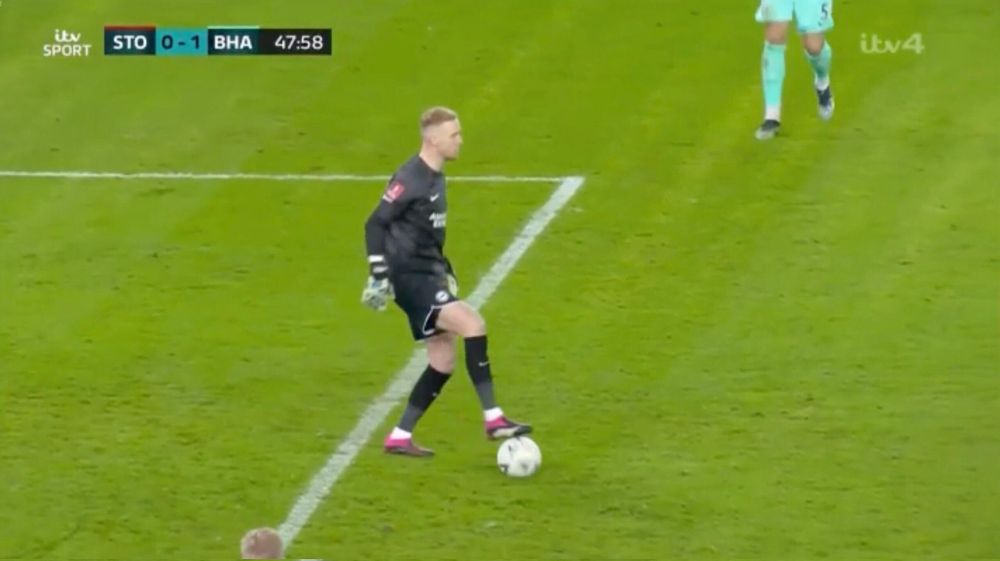
The concept of receiving the ball with the ‘sole of the boot’ is to gain an advantage over your opponent.
This technique allows you to keep all the angles open to pass and makes it more challenging for the opposition player to anticipate and decide which angle to block when pressing the ball.
This technique allows you to keep all the angles open to pass and makes it more challenging for the opposition player to anticipate and decide which angle to block when pressing the ball.
November 23, 2024 at 4:04 PM
The concept of receiving the ball with the ‘sole of the boot’ is to gain an advantage over your opponent.
This technique allows you to keep all the angles open to pass and makes it more challenging for the opposition player to anticipate and decide which angle to block when pressing the ball.
This technique allows you to keep all the angles open to pass and makes it more challenging for the opposition player to anticipate and decide which angle to block when pressing the ball.
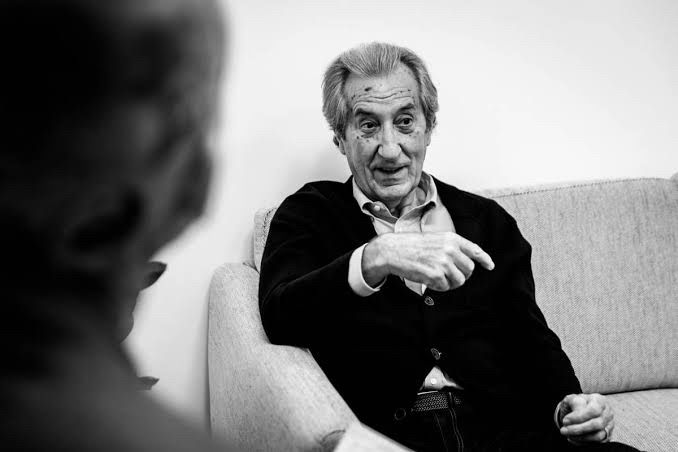
Paco Seirul•lo
"If each player trusts his partner, he will be comfortable on the pitch and will be able to develop more. I think that's why the players almost always speak well of him. Because it understands the game in that socio-affective dimension."
"If each player trusts his partner, he will be comfortable on the pitch and will be able to develop more. I think that's why the players almost always speak well of him. Because it understands the game in that socio-affective dimension."
November 23, 2024 at 2:23 PM
Paco Seirul•lo
"If each player trusts his partner, he will be comfortable on the pitch and will be able to develop more. I think that's why the players almost always speak well of him. Because it understands the game in that socio-affective dimension."
"If each player trusts his partner, he will be comfortable on the pitch and will be able to develop more. I think that's why the players almost always speak well of him. Because it understands the game in that socio-affective dimension."
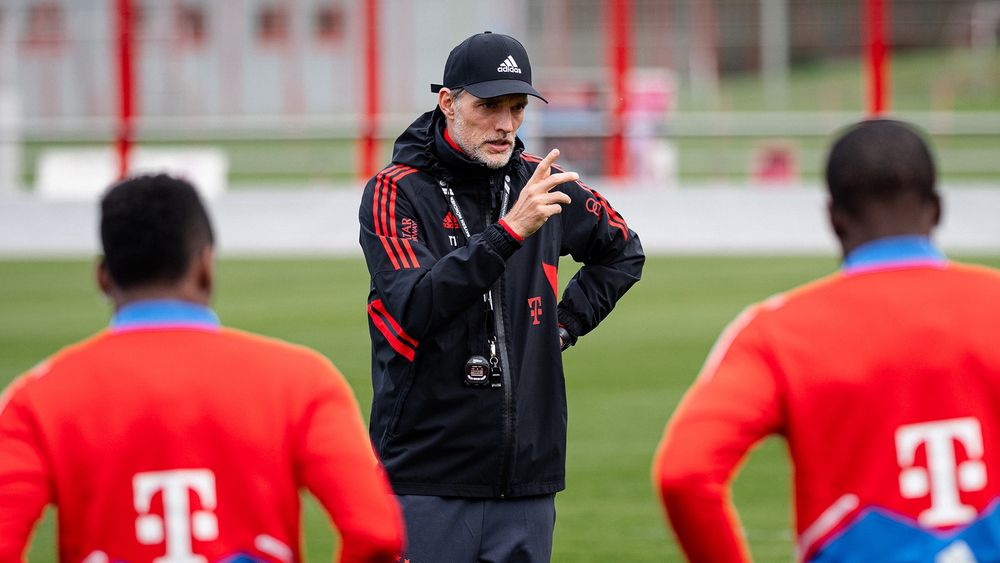
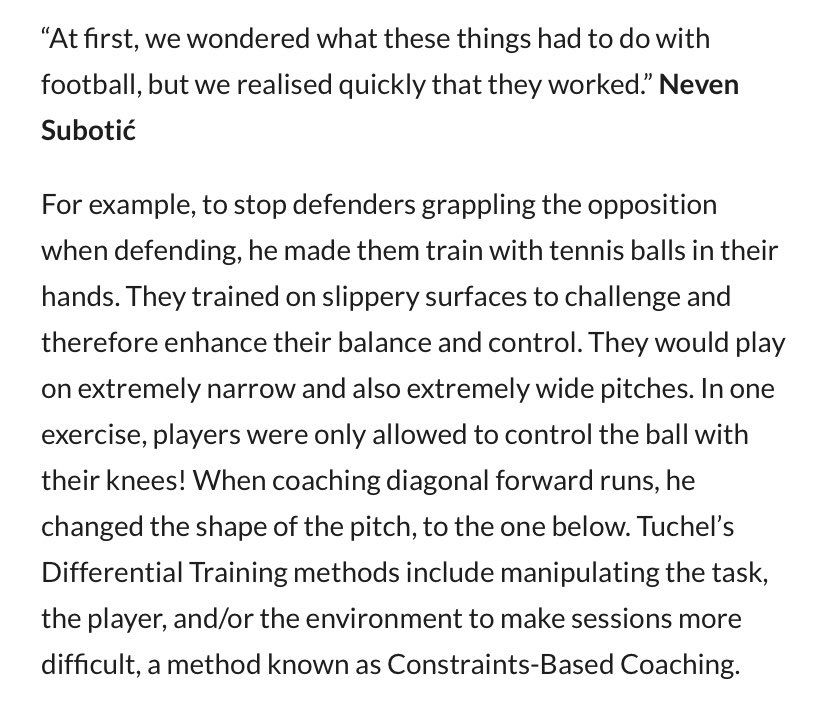
“The idea is that training is more complicated than the game.”
Thomas Tuchel’s training involves developing sessions that force players to think and find new ways of solving problems; and to develop as many solutions for problems as possible.
Thomas Tuchel’s training involves developing sessions that force players to think and find new ways of solving problems; and to develop as many solutions for problems as possible.
November 23, 2024 at 12:24 PM
“The idea is that training is more complicated than the game.”
Thomas Tuchel’s training involves developing sessions that force players to think and find new ways of solving problems; and to develop as many solutions for problems as possible.
Thomas Tuchel’s training involves developing sessions that force players to think and find new ways of solving problems; and to develop as many solutions for problems as possible.
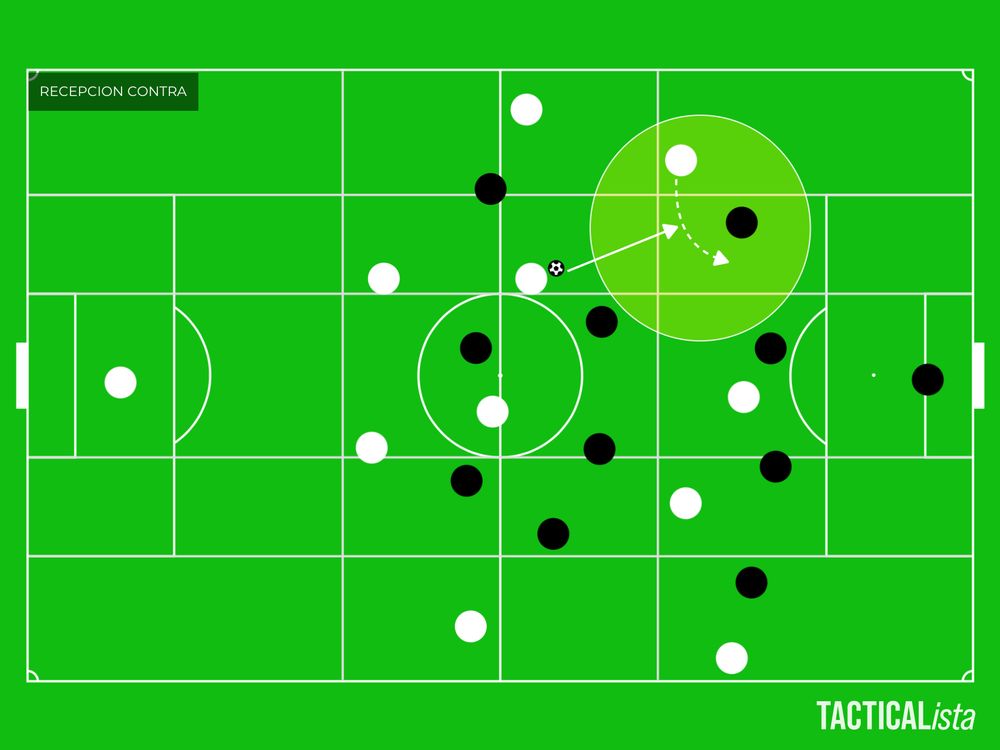
5. Counter advance reception
Bielsa discusses the ball-carrier passing to the defender closest to the receiver, who then moves across the defender to receive the ball while on the move. He calls this a very 'Messi move.'
Bielsa discusses the ball-carrier passing to the defender closest to the receiver, who then moves across the defender to receive the ball while on the move. He calls this a very 'Messi move.'
November 22, 2024 at 1:27 PM
5. Counter advance reception
Bielsa discusses the ball-carrier passing to the defender closest to the receiver, who then moves across the defender to receive the ball while on the move. He calls this a very 'Messi move.'
Bielsa discusses the ball-carrier passing to the defender closest to the receiver, who then moves across the defender to receive the ball while on the move. He calls this a very 'Messi move.'
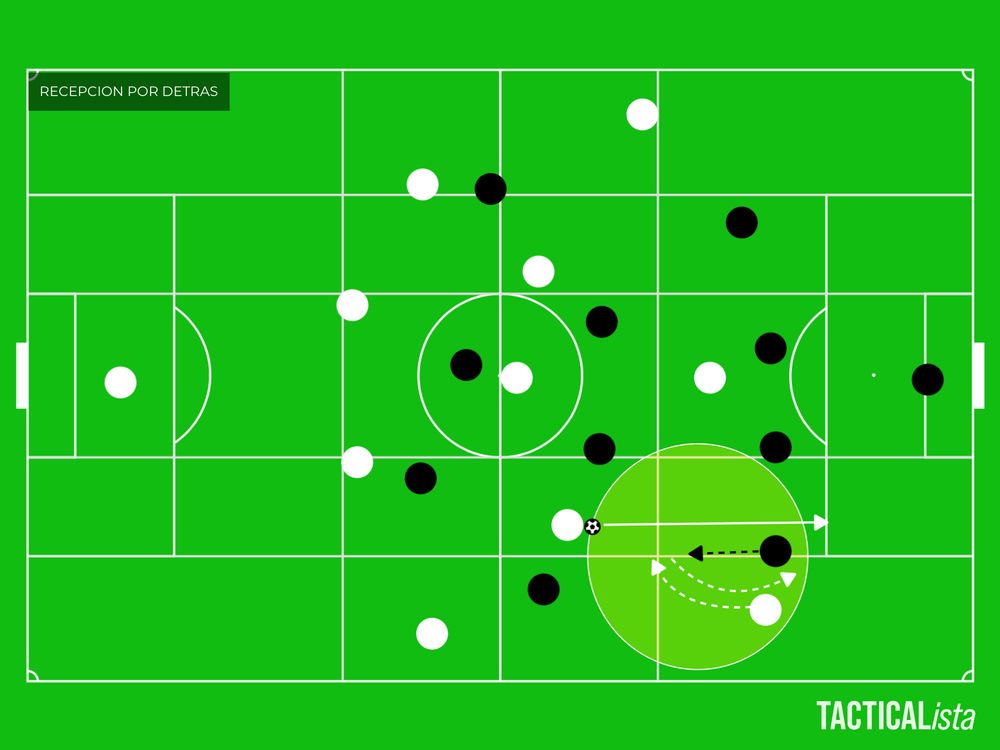
4. Receiving behind the opposition with aerial pass
The receiving player starts in line with the defender, then draws them towards the ball carrier before running behind. Bielsa illustrates wingers using this move to penetrate the opposition's last line.
The receiving player starts in line with the defender, then draws them towards the ball carrier before running behind. Bielsa illustrates wingers using this move to penetrate the opposition's last line.
November 22, 2024 at 1:27 PM
4. Receiving behind the opposition with aerial pass
The receiving player starts in line with the defender, then draws them towards the ball carrier before running behind. Bielsa illustrates wingers using this move to penetrate the opposition's last line.
The receiving player starts in line with the defender, then draws them towards the ball carrier before running behind. Bielsa illustrates wingers using this move to penetrate the opposition's last line.
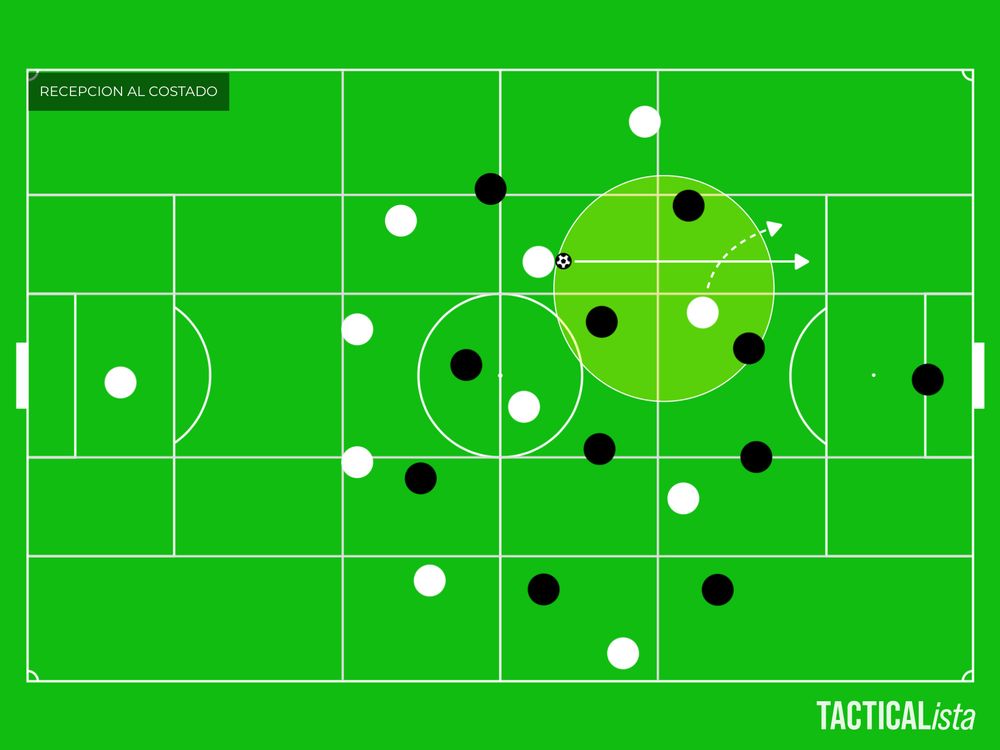
3. Receiving to the side of the opposition
Bielsa advises receivers to position themselves alongside markers but open to the side. Examples show this on the opposition's last line, like a center forward sidestepping a center back to make a run beyond.
Bielsa advises receivers to position themselves alongside markers but open to the side. Examples show this on the opposition's last line, like a center forward sidestepping a center back to make a run beyond.
November 22, 2024 at 1:27 PM
3. Receiving to the side of the opposition
Bielsa advises receivers to position themselves alongside markers but open to the side. Examples show this on the opposition's last line, like a center forward sidestepping a center back to make a run beyond.
Bielsa advises receivers to position themselves alongside markers but open to the side. Examples show this on the opposition's last line, like a center forward sidestepping a center back to make a run beyond.
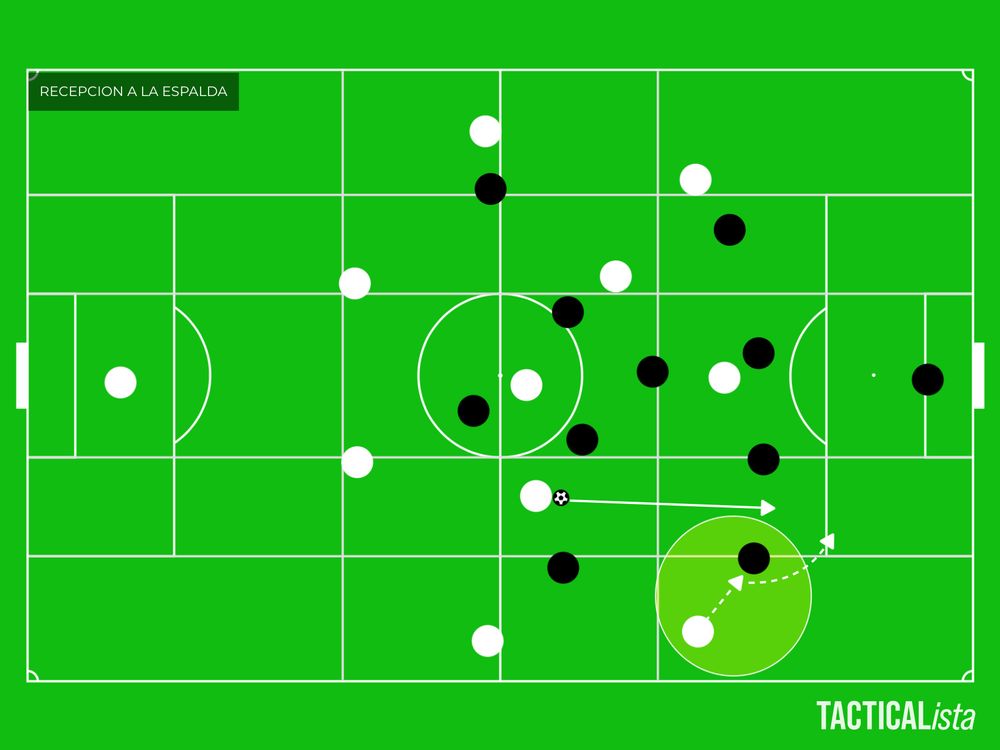
2. Receiving behind the opposition
Bielsa talks about the importance of attracting opponents with an initial movement and aligning with them before making a run behind. In each example, the receiving player runs on the defender's blind side, making it harder for the marker.
Bielsa talks about the importance of attracting opponents with an initial movement and aligning with them before making a run behind. In each example, the receiving player runs on the defender's blind side, making it harder for the marker.
November 22, 2024 at 1:27 PM
2. Receiving behind the opposition
Bielsa talks about the importance of attracting opponents with an initial movement and aligning with them before making a run behind. In each example, the receiving player runs on the defender's blind side, making it harder for the marker.
Bielsa talks about the importance of attracting opponents with an initial movement and aligning with them before making a run behind. In each example, the receiving player runs on the defender's blind side, making it harder for the marker.
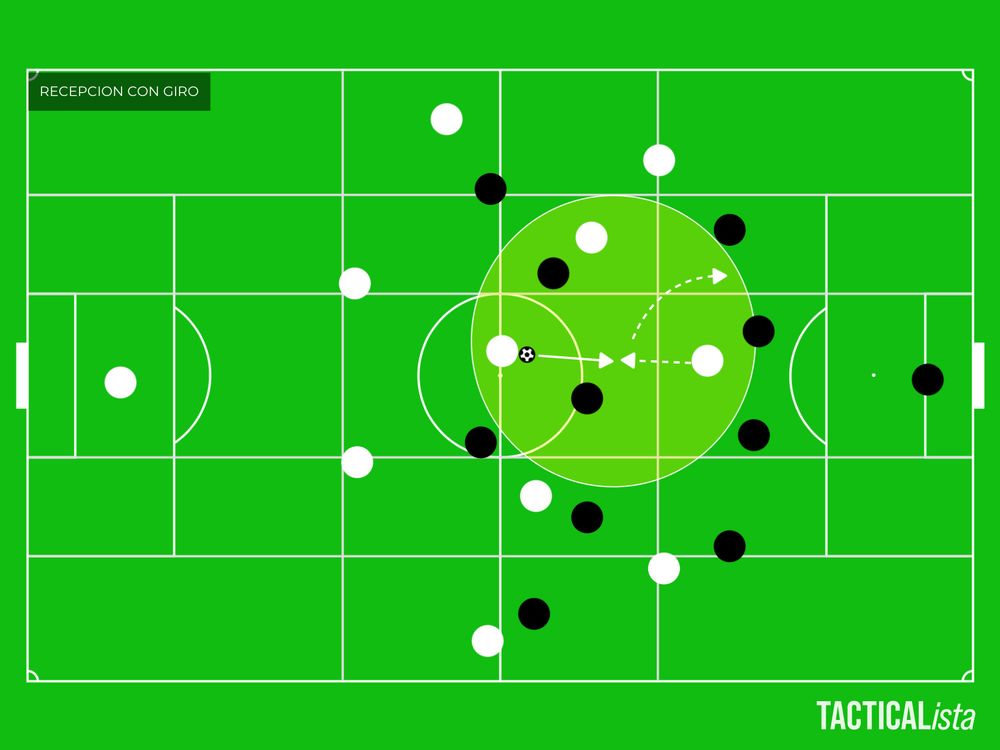
1. Reception with rotation - Profiled
Bielsa explains player move towards the ball-carrier to shake off markers, then receive while turning or control before turning. They create space by dropping into gaps in the opposition's defense, like a center forward between the lines.
Bielsa explains player move towards the ball-carrier to shake off markers, then receive while turning or control before turning. They create space by dropping into gaps in the opposition's defense, like a center forward between the lines.
November 22, 2024 at 1:27 PM
1. Reception with rotation - Profiled
Bielsa explains player move towards the ball-carrier to shake off markers, then receive while turning or control before turning. They create space by dropping into gaps in the opposition's defense, like a center forward between the lines.
Bielsa explains player move towards the ball-carrier to shake off markers, then receive while turning or control before turning. They create space by dropping into gaps in the opposition's defense, like a center forward between the lines.
Marcelo Bielsa’s 5 ways to lose a defender
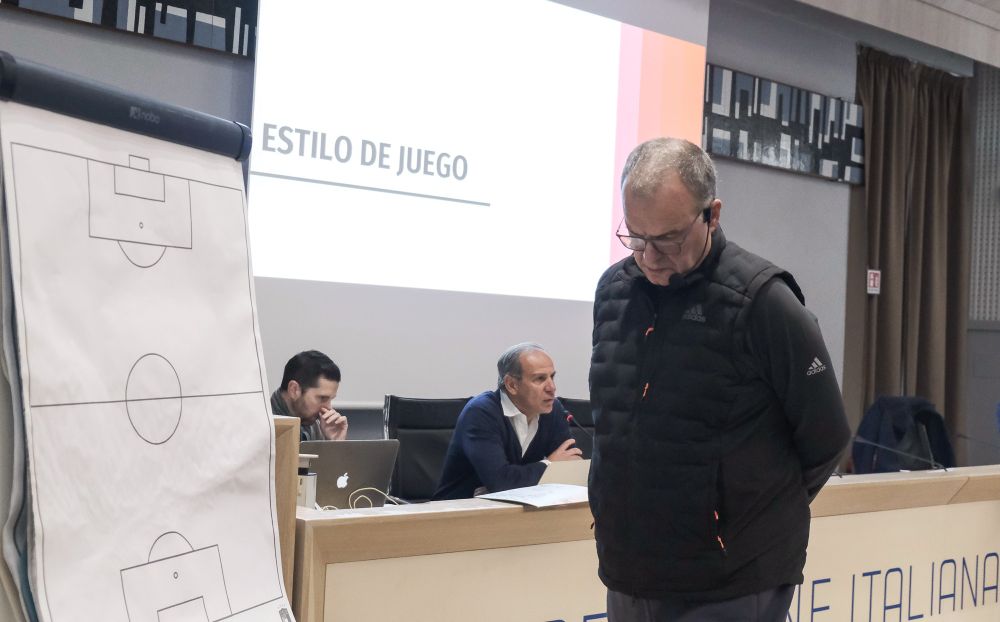
In 2016, at Aspire Academy conference in Amsterdam, Marcelo Bielsa outlined the five ways he has observed in which a player can lose their individual marker through movements off-the-ball in order to receive.
Thread
In 2016, at Aspire Academy conference in Amsterdam, Marcelo Bielsa outlined the five ways he has observed in which a player can lose their individual marker through movements off-the-ball in order to receive.
Thread
November 22, 2024 at 1:27 PM
Marcelo Bielsa’s 5 ways to lose a defender
In 2016, at Aspire Academy conference in Amsterdam, Marcelo Bielsa outlined the five ways he has observed in which a player can lose their individual marker through movements off-the-ball in order to receive.
Thread
In 2016, at Aspire Academy conference in Amsterdam, Marcelo Bielsa outlined the five ways he has observed in which a player can lose their individual marker through movements off-the-ball in order to receive.
Thread