


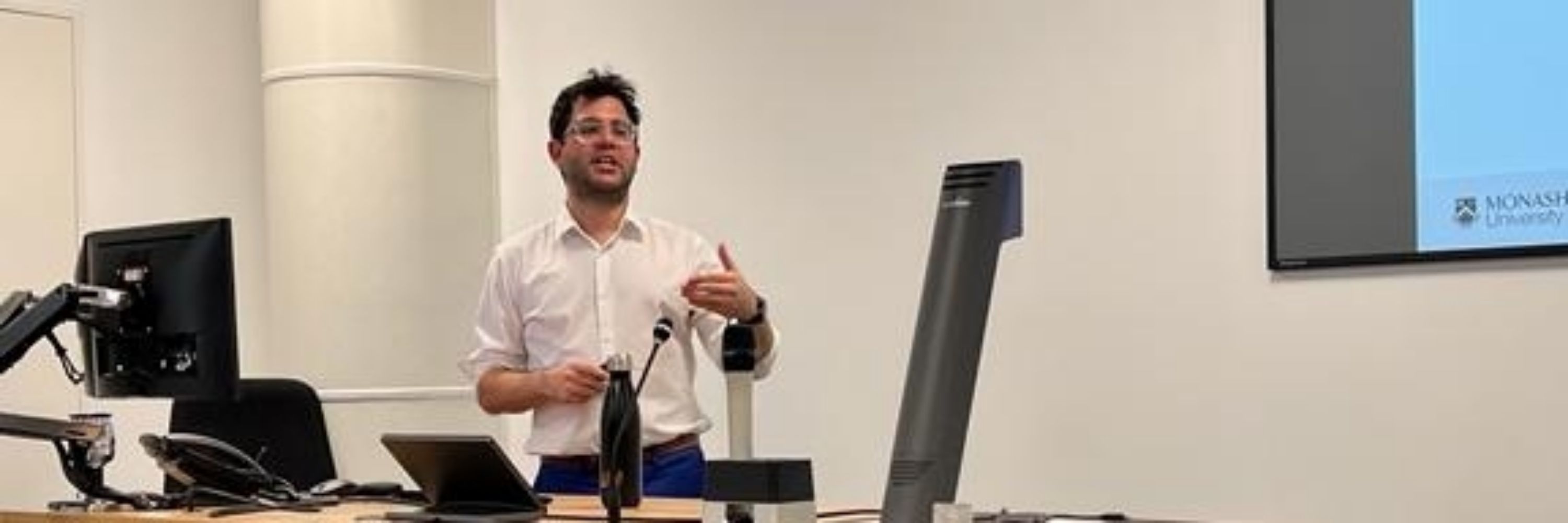

Ben Grodeck🔸
@benleoecon.bsky.social
Assistant Professor (Clinical) at Purdue University | Experimental & Behavioural Econ | Interested in Altruism, Cooperation, and Morality | PhD from Monash University | Former Postdoc at University of Exeter & MPI
https://sites.google.com/view/bengrodeck
https://sites.google.com/view/bengrodeck
Started my new gig at Purdue University this week! Oh and I guess I moved to America.

August 21, 2025 at 2:30 AM
Started my new gig at Purdue University this week! Oh and I guess I moved to America.
Just got cooked by my mum 😭

April 17, 2025 at 12:19 PM
Just got cooked by my mum 😭
I'm thrilled to announce that I'll be joining Purdue University as a Clinical Assistant Professor in Economics!
I feel very fortunate to be an academic and can't wait to teach, as well as continue conducting research at a place with such a rich history in Experimental Econ.
#econsky
I feel very fortunate to be an academic and can't wait to teach, as well as continue conducting research at a place with such a rich history in Experimental Econ.
#econsky

April 6, 2025 at 6:22 PM
I'm thrilled to announce that I'll be joining Purdue University as a Clinical Assistant Professor in Economics!
I feel very fortunate to be an academic and can't wait to teach, as well as continue conducting research at a place with such a rich history in Experimental Econ.
#econsky
I feel very fortunate to be an academic and can't wait to teach, as well as continue conducting research at a place with such a rich history in Experimental Econ.
#econsky
Results: The mere existence of the possibility of intergenerational exchange results in:
1. Participants significantly more like to contribute to future generations. 📈
2. Participants keep significantly less for themselves (more cooperation overall) 📈
1. Participants significantly more like to contribute to future generations. 📈
2. Participants keep significantly less for themselves (more cooperation overall) 📈

March 30, 2025 at 2:25 PM
Results: The mere existence of the possibility of intergenerational exchange results in:
1. Participants significantly more like to contribute to future generations. 📈
2. Participants keep significantly less for themselves (more cooperation overall) 📈
1. Participants significantly more like to contribute to future generations. 📈
2. Participants keep significantly less for themselves (more cooperation overall) 📈
2. Anonymous Exchange Treatment:
The only difference is that transfers to Account B go to a participant from the previous generation. This creates the possibility of intergenerational exchange.
In both treatments players get zero information on other players' decisions.
The only difference is that transfers to Account B go to a participant from the previous generation. This creates the possibility of intergenerational exchange.
In both treatments players get zero information on other players' decisions.

March 30, 2025 at 2:25 PM
2. Anonymous Exchange Treatment:
The only difference is that transfers to Account B go to a participant from the previous generation. This creates the possibility of intergenerational exchange.
In both treatments players get zero information on other players' decisions.
The only difference is that transfers to Account B go to a participant from the previous generation. This creates the possibility of intergenerational exchange.
In both treatments players get zero information on other players' decisions.
1. The Forward Only Treatment:
This represents the classical intergenerational decision problem. The Decision Maker can allocate resources to the future generation (Account C), to someone in the current generation (Account B), or keep it for themselves.
This represents the classical intergenerational decision problem. The Decision Maker can allocate resources to the future generation (Account C), to someone in the current generation (Account B), or keep it for themselves.

March 30, 2025 at 2:25 PM
1. The Forward Only Treatment:
This represents the classical intergenerational decision problem. The Decision Maker can allocate resources to the future generation (Account C), to someone in the current generation (Account B), or keep it for themselves.
This represents the classical intergenerational decision problem. The Decision Maker can allocate resources to the future generation (Account C), to someone in the current generation (Account B), or keep it for themselves.
Game set-up summary:
- Players make an allocation decision with some chance the next generation exists, and some chance that the game will end.
- Players make an allocation decision with some chance the next generation exists, and some chance that the game will end.

March 30, 2025 at 2:25 PM
Game set-up summary:
- Players make an allocation decision with some chance the next generation exists, and some chance that the game will end.
- Players make an allocation decision with some chance the next generation exists, and some chance that the game will end.
🚨New WP🚨
Problem: Altruism alone isn't enough to sufficiently invest in future generations.
We find: Allowing for cooperation with both the previous generation (as well as the future generation) increases investment in future generations.
papers.ssrn.com/sol3/papers....
Problem: Altruism alone isn't enough to sufficiently invest in future generations.
We find: Allowing for cooperation with both the previous generation (as well as the future generation) increases investment in future generations.
papers.ssrn.com/sol3/papers....

March 30, 2025 at 2:25 PM
🚨New WP🚨
Problem: Altruism alone isn't enough to sufficiently invest in future generations.
We find: Allowing for cooperation with both the previous generation (as well as the future generation) increases investment in future generations.
papers.ssrn.com/sol3/papers....
Problem: Altruism alone isn't enough to sufficiently invest in future generations.
We find: Allowing for cooperation with both the previous generation (as well as the future generation) increases investment in future generations.
papers.ssrn.com/sol3/papers....
Let's check in on twitter
Leaves immediately*
Leaves immediately*

February 23, 2025 at 10:16 PM
Let's check in on twitter
Leaves immediately*
Leaves immediately*
Hey everyone, for my birthday I am raising money for The Against Malaria Foundation.
If you donate, i'll add on an extra $20 to your donation.
Thanks so much for doing good!
www.givingwhatwecan.org/fundraisers/...
If you donate, i'll add on an extra $20 to your donation.
Thanks so much for doing good!
www.givingwhatwecan.org/fundraisers/...

January 3, 2025 at 11:59 PM
Hey everyone, for my birthday I am raising money for The Against Malaria Foundation.
If you donate, i'll add on an extra $20 to your donation.
Thanks so much for doing good!
www.givingwhatwecan.org/fundraisers/...
If you donate, i'll add on an extra $20 to your donation.
Thanks so much for doing good!
www.givingwhatwecan.org/fundraisers/...
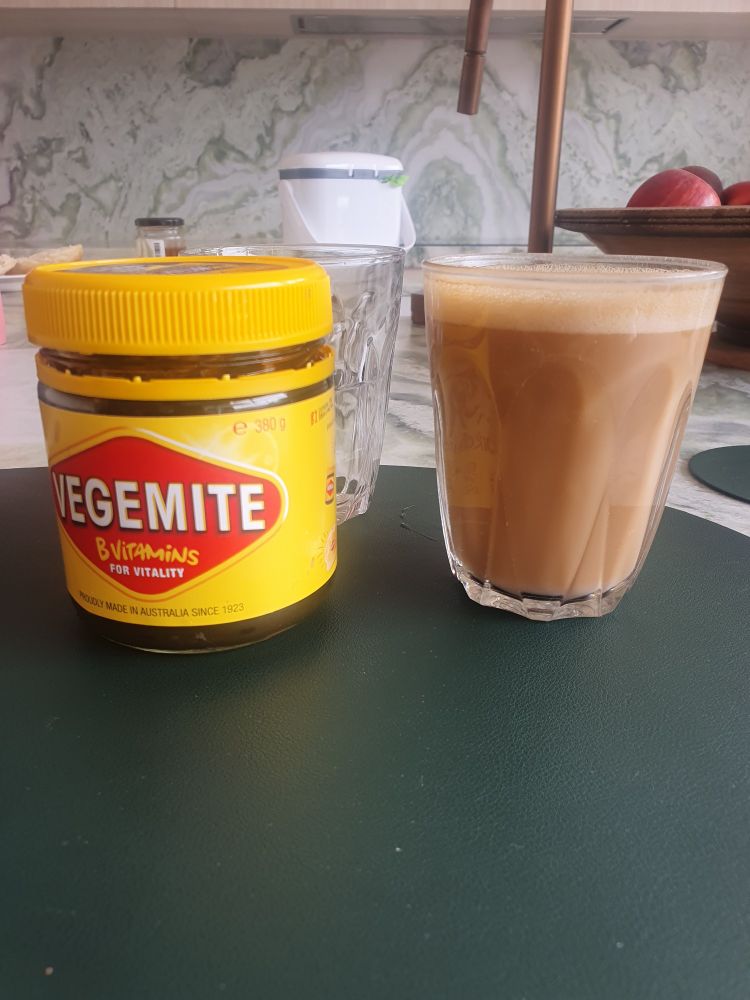
Overleaf is down!

December 3, 2024 at 1:43 PM
Overleaf is down!
Turns out this exists!

November 26, 2024 at 10:11 PM
Turns out this exists!
Excited to announce that I'm on the academic job market for 2024-2025!
Looking forward to having the opportunity to talk about my JMP on 'Repugnant Markets' (first image), as well as my other research projects.
Please don't hesitate to reach out if you want to know more!
Looking forward to having the opportunity to talk about my JMP on 'Repugnant Markets' (first image), as well as my other research projects.
Please don't hesitate to reach out if you want to know more!


November 9, 2024 at 11:34 AM
Excited to announce that I'm on the academic job market for 2024-2025!
Looking forward to having the opportunity to talk about my JMP on 'Repugnant Markets' (first image), as well as my other research projects.
Please don't hesitate to reach out if you want to know more!
Looking forward to having the opportunity to talk about my JMP on 'Repugnant Markets' (first image), as well as my other research projects.
Please don't hesitate to reach out if you want to know more!

It's been a tough week, but I'm thankful for spending the last 2 days with these legends at the Max Planck DYNO's group retreat.
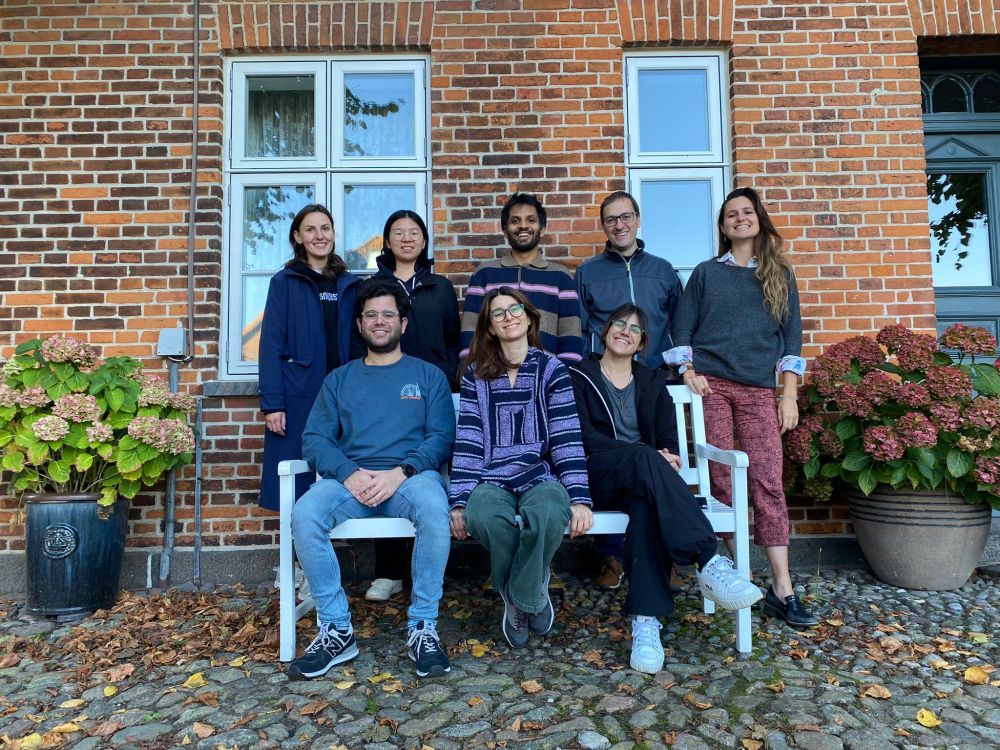
October 12, 2023 at 4:42 PM
It's been a tough week, but I'm thankful for spending the last 2 days with these legends at the Max Planck DYNO's group retreat.
Excited to announce that the first paper from my PhD is forthcoming in EER. 🥳
The TLDR:
- Information Asymmetry is a problem in buyer/seller markets.
- Our simple mechanism introduces psychological costs for defection.
- Buyers' trust 📈
- Sellers' cooperation 📈
- Market efficiency 📈
The TLDR:
- Information Asymmetry is a problem in buyer/seller markets.
- Our simple mechanism introduces psychological costs for defection.
- Buyers' trust 📈
- Sellers' cooperation 📈
- Market efficiency 📈

October 6, 2023 at 7:24 AM
Excited to announce that the first paper from my PhD is forthcoming in EER. 🥳
The TLDR:
- Information Asymmetry is a problem in buyer/seller markets.
- Our simple mechanism introduces psychological costs for defection.
- Buyers' trust 📈
- Sellers' cooperation 📈
- Market efficiency 📈
The TLDR:
- Information Asymmetry is a problem in buyer/seller markets.
- Our simple mechanism introduces psychological costs for defection.
- Buyers' trust 📈
- Sellers' cooperation 📈
- Market efficiency 📈
My profile is finally up on the Max Planck Institute's Dynamics of Social Behavior group website.
I feel so privileged to be working with this amazing group of researchers!
You can check out who we are and what we work on here:
web.evolbio.mpg.de/social-behav...
I feel so privileged to be working with this amazing group of researchers!
You can check out who we are and what we work on here:
web.evolbio.mpg.de/social-behav...

September 27, 2023 at 10:51 AM
My profile is finally up on the Max Planck Institute's Dynamics of Social Behavior group website.
I feel so privileged to be working with this amazing group of researchers!
You can check out who we are and what we work on here:
web.evolbio.mpg.de/social-behav...
I feel so privileged to be working with this amazing group of researchers!
You can check out who we are and what we work on here:
web.evolbio.mpg.de/social-behav...
