



plesnercph🇩🇰
@plesnercph.bsky.social
Animal nerd. Ethology. Languages. Etymology. Single malt whisky. Most things science.
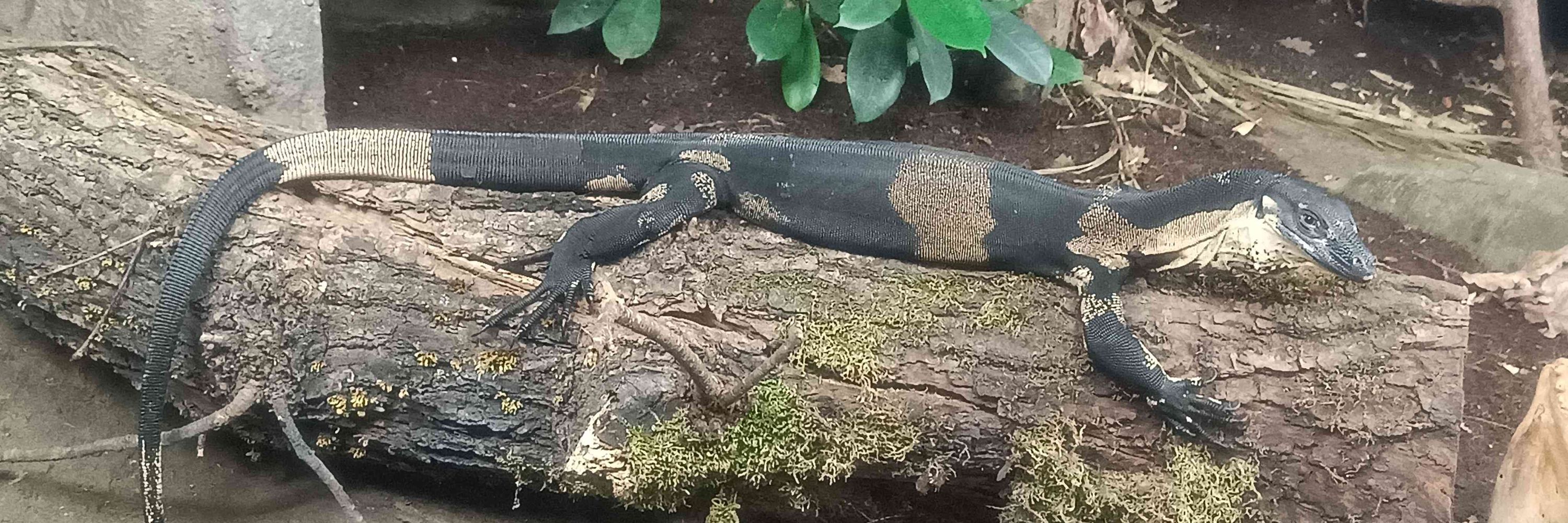
The monitor lizard in my banner is a Varanus varius in Copenhagen Zoo.
The monitor lizard in my banner is a Varanus varius in Copenhagen Zoo.
🐸Cheat Mountain salamander (Plethodon nettingi).
Max size 120 mm (4.7").
Found in a small area in the Allegheny Mountains in West Virginia
Considered Near Threatened by the IUCN.
📷by Ryan Haggerty, USFWS on Pixnio
Max size 120 mm (4.7").
Found in a small area in the Allegheny Mountains in West Virginia
Considered Near Threatened by the IUCN.
📷by Ryan Haggerty, USFWS on Pixnio

February 9, 2026 at 10:19 PM
🐸Cheat Mountain salamander (Plethodon nettingi).
Max size 120 mm (4.7").
Found in a small area in the Allegheny Mountains in West Virginia
Considered Near Threatened by the IUCN.
📷by Ryan Haggerty, USFWS on Pixnio
Max size 120 mm (4.7").
Found in a small area in the Allegheny Mountains in West Virginia
Considered Near Threatened by the IUCN.
📷by Ryan Haggerty, USFWS on Pixnio
🐍European cat snake (Telescopus fallax).
Max size 100 cm (39.4").
Venomous.
Found on some islands in the eastern half of the Mediterranean and from northeastern Italy in the west to Iran, Azerbaijan and Georgia in the east.
Considered Least Concern by the IUCN.
📷by Marino Linic on Unsplash
Max size 100 cm (39.4").
Venomous.
Found on some islands in the eastern half of the Mediterranean and from northeastern Italy in the west to Iran, Azerbaijan and Georgia in the east.
Considered Least Concern by the IUCN.
📷by Marino Linic on Unsplash

February 8, 2026 at 9:33 PM
🐍European cat snake (Telescopus fallax).
Max size 100 cm (39.4").
Venomous.
Found on some islands in the eastern half of the Mediterranean and from northeastern Italy in the west to Iran, Azerbaijan and Georgia in the east.
Considered Least Concern by the IUCN.
📷by Marino Linic on Unsplash
Max size 100 cm (39.4").
Venomous.
Found on some islands in the eastern half of the Mediterranean and from northeastern Italy in the west to Iran, Azerbaijan and Georgia in the east.
Considered Least Concern by the IUCN.
📷by Marino Linic on Unsplash
Ocellated lizard (Timon lepidus).
Max. size 90 cm (3 feet), but usually smaller.
Found in drier areas in Portugal, Spain, southern France and North-western Italy.
Eats snails, larger insects and (occasionally) fruit.
Considered Near Threatened by the IUCN.
📷from Pixnio
Max. size 90 cm (3 feet), but usually smaller.
Found in drier areas in Portugal, Spain, southern France and North-western Italy.
Eats snails, larger insects and (occasionally) fruit.
Considered Near Threatened by the IUCN.
📷from Pixnio

February 7, 2026 at 10:06 PM
Ocellated lizard (Timon lepidus).
Max. size 90 cm (3 feet), but usually smaller.
Found in drier areas in Portugal, Spain, southern France and North-western Italy.
Eats snails, larger insects and (occasionally) fruit.
Considered Near Threatened by the IUCN.
📷from Pixnio
Max. size 90 cm (3 feet), but usually smaller.
Found in drier areas in Portugal, Spain, southern France and North-western Italy.
Eats snails, larger insects and (occasionally) fruit.
Considered Near Threatened by the IUCN.
📷from Pixnio
🐸Amazon milk frog (Trachycephalus resinifictrix).
Max size for males 77 mm (~3"), for females 88 mm (~3½").
Secretes a poisonous milk-like substance when threatened.
Found in northern South America.
Considered Least Concern by the IUCN.
📷by GKorovko on Pixabay
Max size for males 77 mm (~3"), for females 88 mm (~3½").
Secretes a poisonous milk-like substance when threatened.
Found in northern South America.
Considered Least Concern by the IUCN.
📷by GKorovko on Pixabay

February 6, 2026 at 11:44 PM
🐸Amazon milk frog (Trachycephalus resinifictrix).
Max size for males 77 mm (~3"), for females 88 mm (~3½").
Secretes a poisonous milk-like substance when threatened.
Found in northern South America.
Considered Least Concern by the IUCN.
📷by GKorovko on Pixabay
Max size for males 77 mm (~3"), for females 88 mm (~3½").
Secretes a poisonous milk-like substance when threatened.
Found in northern South America.
Considered Least Concern by the IUCN.
📷by GKorovko on Pixabay
🐍Many-spotted cat snake (Boiga multomaculata).
Max size 77 cm (30.3")
Eats lizards and their eggs.
Found in Bangladesh, Cambodia, China, Hong Kong, India, Indonesia, Laos, Malaysia, Myanmar, Thailand and Vietnam.
Considered Least Concern by the IUCN.
📷by kuritafsheen77 on Freepik.
Max size 77 cm (30.3")
Eats lizards and their eggs.
Found in Bangladesh, Cambodia, China, Hong Kong, India, Indonesia, Laos, Malaysia, Myanmar, Thailand and Vietnam.
Considered Least Concern by the IUCN.
📷by kuritafsheen77 on Freepik.

February 5, 2026 at 9:53 PM
🐍Many-spotted cat snake (Boiga multomaculata).
Max size 77 cm (30.3")
Eats lizards and their eggs.
Found in Bangladesh, Cambodia, China, Hong Kong, India, Indonesia, Laos, Malaysia, Myanmar, Thailand and Vietnam.
Considered Least Concern by the IUCN.
📷by kuritafsheen77 on Freepik.
Max size 77 cm (30.3")
Eats lizards and their eggs.
Found in Bangladesh, Cambodia, China, Hong Kong, India, Indonesia, Laos, Malaysia, Myanmar, Thailand and Vietnam.
Considered Least Concern by the IUCN.
📷by kuritafsheen77 on Freepik.
🦎Central netted dragons (Ctenophorus nuchalis) basking in Hartley's Crocodile Adventures.
Max size 28 cm (11").
Found in Australia (New South Wales, Northern Territory, Queensland, South Australia and Western Australia).
Considered Least Concern by the IUCN.
📷by David Clode on Unsplash
Max size 28 cm (11").
Found in Australia (New South Wales, Northern Territory, Queensland, South Australia and Western Australia).
Considered Least Concern by the IUCN.
📷by David Clode on Unsplash

February 4, 2026 at 10:58 PM
🦎Central netted dragons (Ctenophorus nuchalis) basking in Hartley's Crocodile Adventures.
Max size 28 cm (11").
Found in Australia (New South Wales, Northern Territory, Queensland, South Australia and Western Australia).
Considered Least Concern by the IUCN.
📷by David Clode on Unsplash
Max size 28 cm (11").
Found in Australia (New South Wales, Northern Territory, Queensland, South Australia and Western Australia).
Considered Least Concern by the IUCN.
📷by David Clode on Unsplash
🐸Fantastic poison frog (Ranitomeya fantastica).
Max. size 20 mm (0.8"). Females tend to be larger than males.
Found in northern Peru.
Threatened by habitat loss and collection for the pet trade.
Considered Vulnerable by the IUCN.
📷by kuritafsheen77 on Freepik
Max. size 20 mm (0.8"). Females tend to be larger than males.
Found in northern Peru.
Threatened by habitat loss and collection for the pet trade.
Considered Vulnerable by the IUCN.
📷by kuritafsheen77 on Freepik

February 3, 2026 at 9:54 PM
🐸Fantastic poison frog (Ranitomeya fantastica).
Max. size 20 mm (0.8"). Females tend to be larger than males.
Found in northern Peru.
Threatened by habitat loss and collection for the pet trade.
Considered Vulnerable by the IUCN.
📷by kuritafsheen77 on Freepik
Max. size 20 mm (0.8"). Females tend to be larger than males.
Found in northern Peru.
Threatened by habitat loss and collection for the pet trade.
Considered Vulnerable by the IUCN.
📷by kuritafsheen77 on Freepik
🐍Indonesian pit viper (Trimeresurus insularis).
Max. size 76 cm (2'6"). Females are larger than males.
Eats frogs lizards and rodents.
Nocturnal and arboreal.
Found from Java in the west to East Timor in the east.
Considered Least Concern by the IUCN.
📷by kuritafsheen77 on Freepik
Max. size 76 cm (2'6"). Females are larger than males.
Eats frogs lizards and rodents.
Nocturnal and arboreal.
Found from Java in the west to East Timor in the east.
Considered Least Concern by the IUCN.
📷by kuritafsheen77 on Freepik

February 2, 2026 at 10:34 PM
🐍Indonesian pit viper (Trimeresurus insularis).
Max. size 76 cm (2'6"). Females are larger than males.
Eats frogs lizards and rodents.
Nocturnal and arboreal.
Found from Java in the west to East Timor in the east.
Considered Least Concern by the IUCN.
📷by kuritafsheen77 on Freepik
Max. size 76 cm (2'6"). Females are larger than males.
Eats frogs lizards and rodents.
Nocturnal and arboreal.
Found from Java in the west to East Timor in the east.
Considered Least Concern by the IUCN.
📷by kuritafsheen77 on Freepik
🐊Chinese alligator (Alligator sinensis).
Max size 210 cm (6'11").
Has protective, hard scales that cover its entire body, including the belly.
Found in a small area of the Yangtze River basin in Eastern China.
Considered Critically Endangered by the IUCN.
📷by the Smithsonian Institution
Max size 210 cm (6'11").
Has protective, hard scales that cover its entire body, including the belly.
Found in a small area of the Yangtze River basin in Eastern China.
Considered Critically Endangered by the IUCN.
📷by the Smithsonian Institution

February 1, 2026 at 9:52 PM
🐊Chinese alligator (Alligator sinensis).
Max size 210 cm (6'11").
Has protective, hard scales that cover its entire body, including the belly.
Found in a small area of the Yangtze River basin in Eastern China.
Considered Critically Endangered by the IUCN.
📷by the Smithsonian Institution
Max size 210 cm (6'11").
Has protective, hard scales that cover its entire body, including the belly.
Found in a small area of the Yangtze River basin in Eastern China.
Considered Critically Endangered by the IUCN.
📷by the Smithsonian Institution
🐢European pond turtle (Emys orbicularis).
Max size 38 cm (15").
Found in much of Europe, western Asia and northmost Africa.
Threatened by habitat loss, climate change and competition from introduced species.
Considered Near Threatened by the IUCN.
📷by onkelramirez1 on Pixabay
Max size 38 cm (15").
Found in much of Europe, western Asia and northmost Africa.
Threatened by habitat loss, climate change and competition from introduced species.
Considered Near Threatened by the IUCN.
📷by onkelramirez1 on Pixabay

January 31, 2026 at 10:55 PM
🐢European pond turtle (Emys orbicularis).
Max size 38 cm (15").
Found in much of Europe, western Asia and northmost Africa.
Threatened by habitat loss, climate change and competition from introduced species.
Considered Near Threatened by the IUCN.
📷by onkelramirez1 on Pixabay
Max size 38 cm (15").
Found in much of Europe, western Asia and northmost Africa.
Threatened by habitat loss, climate change and competition from introduced species.
Considered Near Threatened by the IUCN.
📷by onkelramirez1 on Pixabay
Mertens' water monitor (Varanus mertensi) in Hartleys Crocodile Adventures.
Max size 200 cm (6'6.7").
Found in most of northern Australia.
Threatened by the spread of poisonous cane toads (Rhinella marina).
Considered Endangered by the IUCN.
📷by David Clode on Unsplash
Max size 200 cm (6'6.7").
Found in most of northern Australia.
Threatened by the spread of poisonous cane toads (Rhinella marina).
Considered Endangered by the IUCN.
📷by David Clode on Unsplash

January 30, 2026 at 10:52 PM
Mertens' water monitor (Varanus mertensi) in Hartleys Crocodile Adventures.
Max size 200 cm (6'6.7").
Found in most of northern Australia.
Threatened by the spread of poisonous cane toads (Rhinella marina).
Considered Endangered by the IUCN.
📷by David Clode on Unsplash
Max size 200 cm (6'6.7").
Found in most of northern Australia.
Threatened by the spread of poisonous cane toads (Rhinella marina).
Considered Endangered by the IUCN.
📷by David Clode on Unsplash
🐸Alpine salamander (Salamandra atra).
Max. length: males 144 mm (5.7"), females 151 mm (5.9").
2-4 fully developed young are born after on average 2-3 years of gestation.
Found in the Alps from the Swiss-French border to Slovenia.
Considered Least Concern by the IUCN.
📷by analogicus on Pixabay
Max. length: males 144 mm (5.7"), females 151 mm (5.9").
2-4 fully developed young are born after on average 2-3 years of gestation.
Found in the Alps from the Swiss-French border to Slovenia.
Considered Least Concern by the IUCN.
📷by analogicus on Pixabay

January 29, 2026 at 10:20 PM
🐸Alpine salamander (Salamandra atra).
Max. length: males 144 mm (5.7"), females 151 mm (5.9").
2-4 fully developed young are born after on average 2-3 years of gestation.
Found in the Alps from the Swiss-French border to Slovenia.
Considered Least Concern by the IUCN.
📷by analogicus on Pixabay
Max. length: males 144 mm (5.7"), females 151 mm (5.9").
2-4 fully developed young are born after on average 2-3 years of gestation.
Found in the Alps from the Swiss-French border to Slovenia.
Considered Least Concern by the IUCN.
📷by analogicus on Pixabay
🐍Javan spitting cobra (Naja sputatrix).
Max. size 185 cm (6'1").
Found on Java and several of the Lesser Sunda Islands.
If threatened, adults usually stand erect, expand their hood and hiss loudly.
Collected for their skins.
Considered Least Concern by the IUCN.
📷by kuritafsheen77 on Freepik
Max. size 185 cm (6'1").
Found on Java and several of the Lesser Sunda Islands.
If threatened, adults usually stand erect, expand their hood and hiss loudly.
Collected for their skins.
Considered Least Concern by the IUCN.
📷by kuritafsheen77 on Freepik

January 28, 2026 at 10:57 PM
🐍Javan spitting cobra (Naja sputatrix).
Max. size 185 cm (6'1").
Found on Java and several of the Lesser Sunda Islands.
If threatened, adults usually stand erect, expand their hood and hiss loudly.
Collected for their skins.
Considered Least Concern by the IUCN.
📷by kuritafsheen77 on Freepik
Max. size 185 cm (6'1").
Found on Java and several of the Lesser Sunda Islands.
If threatened, adults usually stand erect, expand their hood and hiss loudly.
Collected for their skins.
Considered Least Concern by the IUCN.
📷by kuritafsheen77 on Freepik
🦎Troodos wall lizard (Phoenicolacerta troodica).
Max size ~25 cm (9.8"), about 2/3 of which is the tail. Males tend to be slightly larger than females.
Found in Cyprus.
Considered Least Concern by the IUCN.
📷by Elias Derksen on Unsplash
Max size ~25 cm (9.8"), about 2/3 of which is the tail. Males tend to be slightly larger than females.
Found in Cyprus.
Considered Least Concern by the IUCN.
📷by Elias Derksen on Unsplash

January 27, 2026 at 10:50 PM
🦎Troodos wall lizard (Phoenicolacerta troodica).
Max size ~25 cm (9.8"), about 2/3 of which is the tail. Males tend to be slightly larger than females.
Found in Cyprus.
Considered Least Concern by the IUCN.
📷by Elias Derksen on Unsplash
Max size ~25 cm (9.8"), about 2/3 of which is the tail. Males tend to be slightly larger than females.
Found in Cyprus.
Considered Least Concern by the IUCN.
📷by Elias Derksen on Unsplash
🐸Jade tree frog (Zhangixalus dulitensis).
Max. size for males 36 mm (1.4"), for females 50 mm (2").
Found in northern Borneo.
Threatened by deforestation associated with palm oil agriculture.
Considered Least Concern by the IUCN.
📷by kuritafsheen77 on Freepik
Max. size for males 36 mm (1.4"), for females 50 mm (2").
Found in northern Borneo.
Threatened by deforestation associated with palm oil agriculture.
Considered Least Concern by the IUCN.
📷by kuritafsheen77 on Freepik

January 26, 2026 at 10:26 PM
🐸Jade tree frog (Zhangixalus dulitensis).
Max. size for males 36 mm (1.4"), for females 50 mm (2").
Found in northern Borneo.
Threatened by deforestation associated with palm oil agriculture.
Considered Least Concern by the IUCN.
📷by kuritafsheen77 on Freepik
Max. size for males 36 mm (1.4"), for females 50 mm (2").
Found in northern Borneo.
Threatened by deforestation associated with palm oil agriculture.
Considered Least Concern by the IUCN.
📷by kuritafsheen77 on Freepik
🐍Pacific ground boa (Candoia carinata).
Max size for males 100 cm (3'3.4"), for females 140 cm (4'7").
Found in Indonesia, Papua New Guinea and Vanuatu (where it has possibly been introduced)
Considered Least Concern by the IUCN.
📷by kuritafsheen77 on Freepik
Max size for males 100 cm (3'3.4"), for females 140 cm (4'7").
Found in Indonesia, Papua New Guinea and Vanuatu (where it has possibly been introduced)
Considered Least Concern by the IUCN.
📷by kuritafsheen77 on Freepik

January 25, 2026 at 10:55 PM
🐍Pacific ground boa (Candoia carinata).
Max size for males 100 cm (3'3.4"), for females 140 cm (4'7").
Found in Indonesia, Papua New Guinea and Vanuatu (where it has possibly been introduced)
Considered Least Concern by the IUCN.
📷by kuritafsheen77 on Freepik
Max size for males 100 cm (3'3.4"), for females 140 cm (4'7").
Found in Indonesia, Papua New Guinea and Vanuatu (where it has possibly been introduced)
Considered Least Concern by the IUCN.
📷by kuritafsheen77 on Freepik
🦎Gargoyle gecko (Rhacodactylus auriculatus).
Max size ~20 cm (7.9").
Found in the southern part of New Caledonia.
Threatened by habitat lost because of deforestation.
Considered Least Concern by the IUCN.
📷by KingsInnPhotography on Pixabay
Max size ~20 cm (7.9").
Found in the southern part of New Caledonia.
Threatened by habitat lost because of deforestation.
Considered Least Concern by the IUCN.
📷by KingsInnPhotography on Pixabay

January 25, 2026 at 12:03 AM
🦎Gargoyle gecko (Rhacodactylus auriculatus).
Max size ~20 cm (7.9").
Found in the southern part of New Caledonia.
Threatened by habitat lost because of deforestation.
Considered Least Concern by the IUCN.
📷by KingsInnPhotography on Pixabay
Max size ~20 cm (7.9").
Found in the southern part of New Caledonia.
Threatened by habitat lost because of deforestation.
Considered Least Concern by the IUCN.
📷by KingsInnPhotography on Pixabay
🐸Rosenberg's treefrog (Hypsiboas rosenbergi).
Max size 90 mm (~3½").
Males have spines on their hands. They are used when fighting other males during the breeding season.
Found in forested areas of Panama and Costa Rica.
Considered Least Concern by the IUCN.
📷by Andres on Pexels
Max size 90 mm (~3½").
Males have spines on their hands. They are used when fighting other males during the breeding season.
Found in forested areas of Panama and Costa Rica.
Considered Least Concern by the IUCN.
📷by Andres on Pexels

January 23, 2026 at 9:44 PM
🐸Rosenberg's treefrog (Hypsiboas rosenbergi).
Max size 90 mm (~3½").
Males have spines on their hands. They are used when fighting other males during the breeding season.
Found in forested areas of Panama and Costa Rica.
Considered Least Concern by the IUCN.
📷by Andres on Pexels
Max size 90 mm (~3½").
Males have spines on their hands. They are used when fighting other males during the breeding season.
Found in forested areas of Panama and Costa Rica.
Considered Least Concern by the IUCN.
📷by Andres on Pexels
🐍Rhinoceros ratsnake (Gonyosoma boulengeri).
Max size 160 cm (5'3").
Eats mostly rodents and small birds.
Why it has a pointy snout is unknown.
Found in subtropical rainforests in northern Vietnam and southern China.
Considered Least Concern by the IUCN.
📷by the Smithsonian Institution
Max size 160 cm (5'3").
Eats mostly rodents and small birds.
Why it has a pointy snout is unknown.
Found in subtropical rainforests in northern Vietnam and southern China.
Considered Least Concern by the IUCN.
📷by the Smithsonian Institution

January 22, 2026 at 9:55 PM
🐍Rhinoceros ratsnake (Gonyosoma boulengeri).
Max size 160 cm (5'3").
Eats mostly rodents and small birds.
Why it has a pointy snout is unknown.
Found in subtropical rainforests in northern Vietnam and southern China.
Considered Least Concern by the IUCN.
📷by the Smithsonian Institution
Max size 160 cm (5'3").
Eats mostly rodents and small birds.
Why it has a pointy snout is unknown.
Found in subtropical rainforests in northern Vietnam and southern China.
Considered Least Concern by the IUCN.
📷by the Smithsonian Institution
🦎Yellow-headed day gecko (Phelsuma klemmeri).
Max size 10 cm (3.9").
Found in northwestern Madagascar.
Eats insects and other invertebrates as well as pollen, nectar and occasionally fruit.
Considered Endangered by the IUCN.
📷by Sergey Antonov on Unsplash
Max size 10 cm (3.9").
Found in northwestern Madagascar.
Eats insects and other invertebrates as well as pollen, nectar and occasionally fruit.
Considered Endangered by the IUCN.
📷by Sergey Antonov on Unsplash

January 21, 2026 at 10:08 PM
🦎Yellow-headed day gecko (Phelsuma klemmeri).
Max size 10 cm (3.9").
Found in northwestern Madagascar.
Eats insects and other invertebrates as well as pollen, nectar and occasionally fruit.
Considered Endangered by the IUCN.
📷by Sergey Antonov on Unsplash
Max size 10 cm (3.9").
Found in northwestern Madagascar.
Eats insects and other invertebrates as well as pollen, nectar and occasionally fruit.
Considered Endangered by the IUCN.
📷by Sergey Antonov on Unsplash
🐸Lake Titicaca frogs (Telmatobius culeus).
Found in and around Lake Titicaca.
Max. body length 20 cm (8"), max. total length 60cm (2').
Threatened by pollution, human consumption, chytridiomycosis and introduced trout.
Considered Endangered by the IUCN.
📷by Joseph Sharp on Unsplash
Found in and around Lake Titicaca.
Max. body length 20 cm (8"), max. total length 60cm (2').
Threatened by pollution, human consumption, chytridiomycosis and introduced trout.
Considered Endangered by the IUCN.
📷by Joseph Sharp on Unsplash

January 20, 2026 at 10:26 PM
🐸Lake Titicaca frogs (Telmatobius culeus).
Found in and around Lake Titicaca.
Max. body length 20 cm (8"), max. total length 60cm (2').
Threatened by pollution, human consumption, chytridiomycosis and introduced trout.
Considered Endangered by the IUCN.
📷by Joseph Sharp on Unsplash
Found in and around Lake Titicaca.
Max. body length 20 cm (8"), max. total length 60cm (2').
Threatened by pollution, human consumption, chytridiomycosis and introduced trout.
Considered Endangered by the IUCN.
📷by Joseph Sharp on Unsplash
🐍Boa constrictor (Boa constrictor) in Hartley's Crocodile Adventures.
Max size 396 cm (13').
Younger specimens are arboreal, older ones tend to be more terrestrial.
Mostly nocturnal.
Found in most of South America above 35°S.
Considered Least Concern by the IUCN.
📷by David Clode on Unsplash.
Max size 396 cm (13').
Younger specimens are arboreal, older ones tend to be more terrestrial.
Mostly nocturnal.
Found in most of South America above 35°S.
Considered Least Concern by the IUCN.
📷by David Clode on Unsplash.

January 20, 2026 at 12:18 AM
🐍Boa constrictor (Boa constrictor) in Hartley's Crocodile Adventures.
Max size 396 cm (13').
Younger specimens are arboreal, older ones tend to be more terrestrial.
Mostly nocturnal.
Found in most of South America above 35°S.
Considered Least Concern by the IUCN.
📷by David Clode on Unsplash.
Max size 396 cm (13').
Younger specimens are arboreal, older ones tend to be more terrestrial.
Mostly nocturnal.
Found in most of South America above 35°S.
Considered Least Concern by the IUCN.
📷by David Clode on Unsplash.
Post the first game you actually completed
For me it was the DOS version of Lode Runner on an early PC running DOS. Took me a while to crack all 150 levels.
For me it was the DOS version of Lode Runner on an early PC running DOS. Took me a while to crack all 150 levels.

January 18, 2026 at 10:52 PM
Post the first game you actually completed
For me it was the DOS version of Lode Runner on an early PC running DOS. Took me a while to crack all 150 levels.
For me it was the DOS version of Lode Runner on an early PC running DOS. Took me a while to crack all 150 levels.
🐢Yellow-footed tortoise (Chelonoides denticulatus) in Malmö Reptilcenter.
Max carapace length 94 cm (37"), but they are usually noticeably smaller.
Found in Bolivia, Brazil, Colombia, Ecuador, Guadeloupe, the Guianas, Peru, Trinidad, Venezuela.
Considered Vulnerable by the IUCN.
📷by plesnercph
Max carapace length 94 cm (37"), but they are usually noticeably smaller.
Found in Bolivia, Brazil, Colombia, Ecuador, Guadeloupe, the Guianas, Peru, Trinidad, Venezuela.
Considered Vulnerable by the IUCN.
📷by plesnercph

January 18, 2026 at 10:26 PM
🐢Yellow-footed tortoise (Chelonoides denticulatus) in Malmö Reptilcenter.
Max carapace length 94 cm (37"), but they are usually noticeably smaller.
Found in Bolivia, Brazil, Colombia, Ecuador, Guadeloupe, the Guianas, Peru, Trinidad, Venezuela.
Considered Vulnerable by the IUCN.
📷by plesnercph
Max carapace length 94 cm (37"), but they are usually noticeably smaller.
Found in Bolivia, Brazil, Colombia, Ecuador, Guadeloupe, the Guianas, Peru, Trinidad, Venezuela.
Considered Vulnerable by the IUCN.
📷by plesnercph
🦎Moluccan sail-finned lizard (Hydrosaurus amboinensis ).
Max size ~110 cm (3'7.3"). The tail makes up about 2/3 of the total length. Males tend to be larger than females.
Found on the Moluccas in Indonesia.
Considered Least Concern by the IUCN.
📷by Mat Umar on Pexels
Max size ~110 cm (3'7.3"). The tail makes up about 2/3 of the total length. Males tend to be larger than females.
Found on the Moluccas in Indonesia.
Considered Least Concern by the IUCN.
📷by Mat Umar on Pexels

January 17, 2026 at 10:34 PM
🦎Moluccan sail-finned lizard (Hydrosaurus amboinensis ).
Max size ~110 cm (3'7.3"). The tail makes up about 2/3 of the total length. Males tend to be larger than females.
Found on the Moluccas in Indonesia.
Considered Least Concern by the IUCN.
📷by Mat Umar on Pexels
Max size ~110 cm (3'7.3"). The tail makes up about 2/3 of the total length. Males tend to be larger than females.
Found on the Moluccas in Indonesia.
Considered Least Concern by the IUCN.
📷by Mat Umar on Pexels