



German Society for Mammalian Biology
@mammalbiology.bsky.social
The German Society for Mammalian Biology (Deutsche Gesellschaft für Säugetierkunde, e.V./DGS) promotes research from all fields of mammalogy since 1926.
https://www.mammalian-biology.de
Host of Mammalian Biology https://link.springer.com/journal/42991
https://www.mammalian-biology.de
Host of Mammalian Biology https://link.springer.com/journal/42991
1/3 – #MammalMonday: European dormouse (𝘎𝘭𝘪𝘴 𝘨𝘭𝘪𝘴 )
It is Europe’s largest dormouse, a member of the family Gliridae. It occupies mature deciduous and mixed forests rich in mast-producing trees. Its life history is tightly linked to high-calorie seeds that fuel reproduction and long hibernation.
It is Europe’s largest dormouse, a member of the family Gliridae. It occupies mature deciduous and mixed forests rich in mast-producing trees. Its life history is tightly linked to high-calorie seeds that fuel reproduction and long hibernation.


December 8, 2025 at 4:20 PM
1/3 – #MammalMonday: European dormouse (𝘎𝘭𝘪𝘴 𝘨𝘭𝘪𝘴 )
It is Europe’s largest dormouse, a member of the family Gliridae. It occupies mature deciduous and mixed forests rich in mast-producing trees. Its life history is tightly linked to high-calorie seeds that fuel reproduction and long hibernation.
It is Europe’s largest dormouse, a member of the family Gliridae. It occupies mature deciduous and mixed forests rich in mast-producing trees. Its life history is tightly linked to high-calorie seeds that fuel reproduction and long hibernation.
1/4 It's Mammal Monday: Meet the Mountain hare (𝘓𝘦𝘱𝘶𝘴 𝘵𝘪𝘮𝘪𝘥𝘶𝘴 )! 🐇
Mountain hares are perfectly adpated to living in cold and snowy areas due to their ability to change the color of their fur depending on the season.
🧪 🦊 🦤 🌍
Photos: © bjørn lie fostad, © Jason Thompson, © markk178
Mountain hares are perfectly adpated to living in cold and snowy areas due to their ability to change the color of their fur depending on the season.
🧪 🦊 🦤 🌍
Photos: © bjørn lie fostad, © Jason Thompson, © markk178


December 1, 2025 at 7:00 PM
1/4 It's Mammal Monday: Meet the Mountain hare (𝘓𝘦𝘱𝘶𝘴 𝘵𝘪𝘮𝘪𝘥𝘶𝘴 )! 🐇
Mountain hares are perfectly adpated to living in cold and snowy areas due to their ability to change the color of their fur depending on the season.
🧪 🦊 🦤 🌍
Photos: © bjørn lie fostad, © Jason Thompson, © markk178
Mountain hares are perfectly adpated to living in cold and snowy areas due to their ability to change the color of their fur depending on the season.
🧪 🦊 🦤 🌍
Photos: © bjørn lie fostad, © Jason Thompson, © markk178
Reposted by German Society for Mammalian Biology

#savethedate Vortrag: Bedrohte Riesen – Evolution, Biologie und Schutz von Nashörnern.
Mit Frank Zachos (1. Zoologische Abteilung, NHM Wien)
⏰ Mi, 3.12. | 18:30
📌 NHM Wien
👉 tinyurl.com/3yk9sm9a
Mit Frank Zachos (1. Zoologische Abteilung, NHM Wien)
⏰ Mi, 3.12. | 18:30
📌 NHM Wien
👉 tinyurl.com/3yk9sm9a

November 28, 2025 at 11:16 AM
#savethedate Vortrag: Bedrohte Riesen – Evolution, Biologie und Schutz von Nashörnern.
Mit Frank Zachos (1. Zoologische Abteilung, NHM Wien)
⏰ Mi, 3.12. | 18:30
📌 NHM Wien
👉 tinyurl.com/3yk9sm9a
Mit Frank Zachos (1. Zoologische Abteilung, NHM Wien)
⏰ Mi, 3.12. | 18:30
📌 NHM Wien
👉 tinyurl.com/3yk9sm9a
1/3 📢 New publication in Mammalian Biology:
Heinrichs, E., Pflips, VD., Fischer, M.S. et al. Gait kinematics during forward and backward locomotion in the Ansell’s mole-rat (𝘍𝘶𝘬𝘰𝘮𝘺𝘴 𝘢𝘯𝘴𝘦𝘭𝘭𝘪). Mamm Biol (2025). doi.org/10.1007/s429... 🧪 🦊
Heinrichs, E., Pflips, VD., Fischer, M.S. et al. Gait kinematics during forward and backward locomotion in the Ansell’s mole-rat (𝘍𝘶𝘬𝘰𝘮𝘺𝘴 𝘢𝘯𝘴𝘦𝘭𝘭𝘪). Mamm Biol (2025). doi.org/10.1007/s429... 🧪 🦊
Gait kinematics during forward and backward locomotion in the Ansell’s mole-rat (Fukomys anselli) - Mammalian Biology
Mammalian Biology - Subterranean mammals have often been reported to habitually walk backwards both in the wild and in captivity. However, quantitative studies on this unusual behavior are sparse....
doi.org
November 28, 2025 at 1:38 PM
1/3 📢 New publication in Mammalian Biology:
Heinrichs, E., Pflips, VD., Fischer, M.S. et al. Gait kinematics during forward and backward locomotion in the Ansell’s mole-rat (𝘍𝘶𝘬𝘰𝘮𝘺𝘴 𝘢𝘯𝘴𝘦𝘭𝘭𝘪). Mamm Biol (2025). doi.org/10.1007/s429... 🧪 🦊
Heinrichs, E., Pflips, VD., Fischer, M.S. et al. Gait kinematics during forward and backward locomotion in the Ansell’s mole-rat (𝘍𝘶𝘬𝘰𝘮𝘺𝘴 𝘢𝘯𝘴𝘦𝘭𝘭𝘪). Mamm Biol (2025). doi.org/10.1007/s429... 🧪 🦊
1/3 ❄️🐻❄️ Mammal Monday: The Polar Bear (𝘜𝘳𝘴𝘶𝘴 𝘮𝘢𝘳𝘪𝘵𝘪𝘮𝘶𝘴)
A highly specialized mammal adapted to life in the Arctic and optimized for long-distance travel, efficient thermoregulation, and reliance on energy-dense marine prey.
🧪 🦊 🦤 🌍
Photos: ©mickeydylan, peterkennerley
A highly specialized mammal adapted to life in the Arctic and optimized for long-distance travel, efficient thermoregulation, and reliance on energy-dense marine prey.
🧪 🦊 🦤 🌍
Photos: ©mickeydylan, peterkennerley


November 24, 2025 at 5:17 PM
1/3 ❄️🐻❄️ Mammal Monday: The Polar Bear (𝘜𝘳𝘴𝘶𝘴 𝘮𝘢𝘳𝘪𝘵𝘪𝘮𝘶𝘴)
A highly specialized mammal adapted to life in the Arctic and optimized for long-distance travel, efficient thermoregulation, and reliance on energy-dense marine prey.
🧪 🦊 🦤 🌍
Photos: ©mickeydylan, peterkennerley
A highly specialized mammal adapted to life in the Arctic and optimized for long-distance travel, efficient thermoregulation, and reliance on energy-dense marine prey.
🧪 🦊 🦤 🌍
Photos: ©mickeydylan, peterkennerley
1/4 Mammal Monday: Doria's tree-kangaroo (𝘋𝘦𝘯𝘥𝘳𝘰𝘭𝘢𝘨𝘶𝘴 𝘥𝘰𝘳𝘪𝘢𝘯𝘶𝘴 )
Endemic to montane rainforests of Papua New Guinea, it is one of the largest members of the genus Dendrolagus, a group of arboreal macropods.
🧪 🦊 🦤 🌍
Photos: © Alex Slavenko, CC-BY-SA 4.0, © Daniel, CC-BY-NC, iNaturalist
Endemic to montane rainforests of Papua New Guinea, it is one of the largest members of the genus Dendrolagus, a group of arboreal macropods.
🧪 🦊 🦤 🌍
Photos: © Alex Slavenko, CC-BY-SA 4.0, © Daniel, CC-BY-NC, iNaturalist


November 17, 2025 at 7:02 PM
1/4 Mammal Monday: Doria's tree-kangaroo (𝘋𝘦𝘯𝘥𝘳𝘰𝘭𝘢𝘨𝘶𝘴 𝘥𝘰𝘳𝘪𝘢𝘯𝘶𝘴 )
Endemic to montane rainforests of Papua New Guinea, it is one of the largest members of the genus Dendrolagus, a group of arboreal macropods.
🧪 🦊 🦤 🌍
Photos: © Alex Slavenko, CC-BY-SA 4.0, © Daniel, CC-BY-NC, iNaturalist
Endemic to montane rainforests of Papua New Guinea, it is one of the largest members of the genus Dendrolagus, a group of arboreal macropods.
🧪 🦊 🦤 🌍
Photos: © Alex Slavenko, CC-BY-SA 4.0, © Daniel, CC-BY-NC, iNaturalist
1/5 🐾 #MammalMonday: Meet the Ringtail (𝘉𝘢𝘴𝘴𝘢𝘳𝘪𝘴𝘤𝘶𝘴 𝘢𝘴𝘵𝘶𝘵𝘶𝘴)!
Native to North America, this agile, nocturnal member of the raccoon family (Procyonidae) is one of the Southwest’s most elusive residents.
Photos: © rmyoshihara, © a-geoman, © Isabel Herrera, CC-BY-NC 4.0, iNaturalist
Native to North America, this agile, nocturnal member of the raccoon family (Procyonidae) is one of the Southwest’s most elusive residents.
Photos: © rmyoshihara, © a-geoman, © Isabel Herrera, CC-BY-NC 4.0, iNaturalist


November 10, 2025 at 7:02 PM
1/5 🐾 #MammalMonday: Meet the Ringtail (𝘉𝘢𝘴𝘴𝘢𝘳𝘪𝘴𝘤𝘶𝘴 𝘢𝘴𝘵𝘶𝘵𝘶𝘴)!
Native to North America, this agile, nocturnal member of the raccoon family (Procyonidae) is one of the Southwest’s most elusive residents.
Photos: © rmyoshihara, © a-geoman, © Isabel Herrera, CC-BY-NC 4.0, iNaturalist
Native to North America, this agile, nocturnal member of the raccoon family (Procyonidae) is one of the Southwest’s most elusive residents.
Photos: © rmyoshihara, © a-geoman, © Isabel Herrera, CC-BY-NC 4.0, iNaturalist
📢 New publication in our journal 🧪
Enari, H., Enari, H.S., Uno, T. et al. Animal-borne acoustic biologgers to broaden the applicability of passive acoustic monitoring to terrestrial mammals: a feasibility study for deer. Mamm Biol (2025). doi.org/10.1007/s429...
Enari, H., Enari, H.S., Uno, T. et al. Animal-borne acoustic biologgers to broaden the applicability of passive acoustic monitoring to terrestrial mammals: a feasibility study for deer. Mamm Biol (2025). doi.org/10.1007/s429...
Animal-borne acoustic biologgers to broaden the applicability of passive acoustic monitoring to terrestrial mammals: a feasibility study for deer - Mammalian Biology
Mammalian Biology - Passive acoustic monitoring (PAM) has become a reliable option for assessing population metrics of terrestrial vocal mammals. Although the detectability of mammals using PAM can...
link.springer.com
October 17, 2025 at 10:15 AM
📢 New publication in our journal 🧪
Enari, H., Enari, H.S., Uno, T. et al. Animal-borne acoustic biologgers to broaden the applicability of passive acoustic monitoring to terrestrial mammals: a feasibility study for deer. Mamm Biol (2025). doi.org/10.1007/s429...
Enari, H., Enari, H.S., Uno, T. et al. Animal-borne acoustic biologgers to broaden the applicability of passive acoustic monitoring to terrestrial mammals: a feasibility study for deer. Mamm Biol (2025). doi.org/10.1007/s429...
🦇 Save the Date 🦊
We’re excited to announce that the next Annual Meeting of the German Society for Mammalian Biology will take place from 21 - 25 September 2026 in Berlin!
📅 When: 21 - 25 September 2026
📍 Where: IZW & MfN, Berlin
🧪 More information coming soon!
We’re excited to announce that the next Annual Meeting of the German Society for Mammalian Biology will take place from 21 - 25 September 2026 in Berlin!
📅 When: 21 - 25 September 2026
📍 Where: IZW & MfN, Berlin
🧪 More information coming soon!

Meetings
Save the date! 99th Annual Meeting of the German Society for Mammalian Biology Berlin 21 - 25 September 2026 ______________________________________________________________________
www.mammalian-biology.de
October 13, 2025 at 6:01 PM
🦇 Save the Date 🦊
We’re excited to announce that the next Annual Meeting of the German Society for Mammalian Biology will take place from 21 - 25 September 2026 in Berlin!
📅 When: 21 - 25 September 2026
📍 Where: IZW & MfN, Berlin
🧪 More information coming soon!
We’re excited to announce that the next Annual Meeting of the German Society for Mammalian Biology will take place from 21 - 25 September 2026 in Berlin!
📅 When: 21 - 25 September 2026
📍 Where: IZW & MfN, Berlin
🧪 More information coming soon!
1/3 New publication in our journal 📢
Lazar, A., Weksler, M. & Bonvicino, C.R. The hidden diversity in Thrichomys Trouessart, 1880 (Rodentia: Echimyidae): identity of T. pachyurus (Wagner 1845), and the description of a new species from Central Brazil. Mamm Biol (2025). doi.org/10.1007/s429...
🧪
Lazar, A., Weksler, M. & Bonvicino, C.R. The hidden diversity in Thrichomys Trouessart, 1880 (Rodentia: Echimyidae): identity of T. pachyurus (Wagner 1845), and the description of a new species from Central Brazil. Mamm Biol (2025). doi.org/10.1007/s429...
🧪
The hidden diversity in Thrichomys Trouessart, 1880 (Rodentia: Echimyidae): identity of T. pachyurus (Wagner 1845), and the description of a new species from Central Brazil - Mammalian Biology
Neotropical rodents of the genus Thrichomys inhabit open vegetation biomes, including the Brazilian Caatinga, Cerrado, and Pantanal, as well as the Paraguayan and Bolivian Chaco regions. For a long…
doi.org
October 10, 2025 at 10:15 AM
1/3 New publication in our journal 📢
Lazar, A., Weksler, M. & Bonvicino, C.R. The hidden diversity in Thrichomys Trouessart, 1880 (Rodentia: Echimyidae): identity of T. pachyurus (Wagner 1845), and the description of a new species from Central Brazil. Mamm Biol (2025). doi.org/10.1007/s429...
🧪
Lazar, A., Weksler, M. & Bonvicino, C.R. The hidden diversity in Thrichomys Trouessart, 1880 (Rodentia: Echimyidae): identity of T. pachyurus (Wagner 1845), and the description of a new species from Central Brazil. Mamm Biol (2025). doi.org/10.1007/s429...
🧪
1/4# It's mammal monday!
🧪 🦊 🦤 🌍
Meet the European ground squirrel (Spermophilus citellus)!
Also called the souslik, this little rodent calls the grasslands of Central & SE Europe home. 🌱
Photos: ©Frank Zachos
🧪 🦊 🦤 🌍
Meet the European ground squirrel (Spermophilus citellus)!
Also called the souslik, this little rodent calls the grasslands of Central & SE Europe home. 🌱
Photos: ©Frank Zachos


October 6, 2025 at 6:02 PM
1/4# It's mammal monday!
🧪 🦊 🦤 🌍
Meet the European ground squirrel (Spermophilus citellus)!
Also called the souslik, this little rodent calls the grasslands of Central & SE Europe home. 🌱
Photos: ©Frank Zachos
🧪 🦊 🦤 🌍
Meet the European ground squirrel (Spermophilus citellus)!
Also called the souslik, this little rodent calls the grasslands of Central & SE Europe home. 🌱
Photos: ©Frank Zachos
1/8 #MammalMonday Spotlight: Silky Sifaka (Propithecus candidus)
Native to the high-altitude rainforests of northeastern Madagascar, the Silky Sifaka is one of the rarest and most enigmatic lemurs alive today.
🧪 🦤 🦊 🌍
Photos: © pfaucher ,© Sunny Fleming, CC-BY-NC 4.0, iNaturalist
Native to the high-altitude rainforests of northeastern Madagascar, the Silky Sifaka is one of the rarest and most enigmatic lemurs alive today.
🧪 🦤 🦊 🌍
Photos: © pfaucher ,© Sunny Fleming, CC-BY-NC 4.0, iNaturalist


September 29, 2025 at 6:30 PM
1/8 #MammalMonday Spotlight: Silky Sifaka (Propithecus candidus)
Native to the high-altitude rainforests of northeastern Madagascar, the Silky Sifaka is one of the rarest and most enigmatic lemurs alive today.
🧪 🦤 🦊 🌍
Photos: © pfaucher ,© Sunny Fleming, CC-BY-NC 4.0, iNaturalist
Native to the high-altitude rainforests of northeastern Madagascar, the Silky Sifaka is one of the rarest and most enigmatic lemurs alive today.
🧪 🦤 🦊 🌍
Photos: © pfaucher ,© Sunny Fleming, CC-BY-NC 4.0, iNaturalist
1/5 #MammalMonday: Meet the European hamster (Cricetus cricetus)! 🐹
Unlike its tiny pet-store cousins, this wild hamster can reach up to 30 cm long, with a bold coat of chestnut, black, and white patches that makes it truly stand out.
🧪 🦊 🦤 🌍
Photos: ©Frank Zachos
Unlike its tiny pet-store cousins, this wild hamster can reach up to 30 cm long, with a bold coat of chestnut, black, and white patches that makes it truly stand out.
🧪 🦊 🦤 🌍
Photos: ©Frank Zachos


September 22, 2025 at 6:02 PM
1/5 #MammalMonday: Meet the European hamster (Cricetus cricetus)! 🐹
Unlike its tiny pet-store cousins, this wild hamster can reach up to 30 cm long, with a bold coat of chestnut, black, and white patches that makes it truly stand out.
🧪 🦊 🦤 🌍
Photos: ©Frank Zachos
Unlike its tiny pet-store cousins, this wild hamster can reach up to 30 cm long, with a bold coat of chestnut, black, and white patches that makes it truly stand out.
🧪 🦊 🦤 🌍
Photos: ©Frank Zachos
1/2 New publication in our Journal "Mammalian Biology" 📢
🧪 🦊 🦤 🌍
Granata, M., Di Paolo, F., Luciano, L. et al. How to catch a ghost? Comparing two camera trap-based monitoring methods for elusive small mustelids in the Italian Alps. Mamm Biol (2025).
doi.org/10.1007/s429...
🧪 🦊 🦤 🌍
Granata, M., Di Paolo, F., Luciano, L. et al. How to catch a ghost? Comparing two camera trap-based monitoring methods for elusive small mustelids in the Italian Alps. Mamm Biol (2025).
doi.org/10.1007/s429...
How to catch a ghost? Comparing two camera trap-based monitoring methods for elusive small mustelids in the Italian Alps - Mammalian Biology
Mammalian Biology - Small mustelids are increasingly recognized as species requiring conservation attention. In recent years, several camera-based methodologies have been developed to study them,...
doi.org
September 19, 2025 at 10:15 AM
1/2 New publication in our Journal "Mammalian Biology" 📢
🧪 🦊 🦤 🌍
Granata, M., Di Paolo, F., Luciano, L. et al. How to catch a ghost? Comparing two camera trap-based monitoring methods for elusive small mustelids in the Italian Alps. Mamm Biol (2025).
doi.org/10.1007/s429...
🧪 🦊 🦤 🌍
Granata, M., Di Paolo, F., Luciano, L. et al. How to catch a ghost? Comparing two camera trap-based monitoring methods for elusive small mustelids in the Italian Alps. Mamm Biol (2025).
doi.org/10.1007/s429...
1/2 New publication in our journal "Mammalian Biology" 📢
de Mendonça, G., Leite, Y.L. & Loss, A. The role of climate change in the past, present, and future of two species of montane neotropical mice, genus Juliomys. Mamm Biol (2025). doi.org/10.1007/s429...
🧪 🦊 🦤 🌍
de Mendonça, G., Leite, Y.L. & Loss, A. The role of climate change in the past, present, and future of two species of montane neotropical mice, genus Juliomys. Mamm Biol (2025). doi.org/10.1007/s429...
🧪 🦊 🦤 🌍
The role of climate change in the past, present, and future of two species of montane neotropical mice, genus Juliomys - Mammalian Biology
Changes in the Earth’s climatic conditions influence the geographic distributions of species, resulting in variations in patterns of diversity and occurrence across space and time. Because of their…
doi.org
September 12, 2025 at 10:15 AM
1/2 New publication in our journal "Mammalian Biology" 📢
de Mendonça, G., Leite, Y.L. & Loss, A. The role of climate change in the past, present, and future of two species of montane neotropical mice, genus Juliomys. Mamm Biol (2025). doi.org/10.1007/s429...
🧪 🦊 🦤 🌍
de Mendonça, G., Leite, Y.L. & Loss, A. The role of climate change in the past, present, and future of two species of montane neotropical mice, genus Juliomys. Mamm Biol (2025). doi.org/10.1007/s429...
🧪 🦊 🦤 🌍
What a great experience the 2025 meeting in Siena was!
We had inspiring talks, shared knowledge, sparked discussions, and strengthend the amazing community of mammalogists.
A big thanks goes out to the coordination team and the Italian Mammal Society- Associazione Teriologica Italiana!
We had inspiring talks, shared knowledge, sparked discussions, and strengthend the amazing community of mammalogists.
A big thanks goes out to the coordination team and the Italian Mammal Society- Associazione Teriologica Italiana!

September 8, 2025 at 4:20 PM
What a great experience the 2025 meeting in Siena was!
We had inspiring talks, shared knowledge, sparked discussions, and strengthend the amazing community of mammalogists.
A big thanks goes out to the coordination team and the Italian Mammal Society- Associazione Teriologica Italiana!
We had inspiring talks, shared knowledge, sparked discussions, and strengthend the amazing community of mammalogists.
A big thanks goes out to the coordination team and the Italian Mammal Society- Associazione Teriologica Italiana!
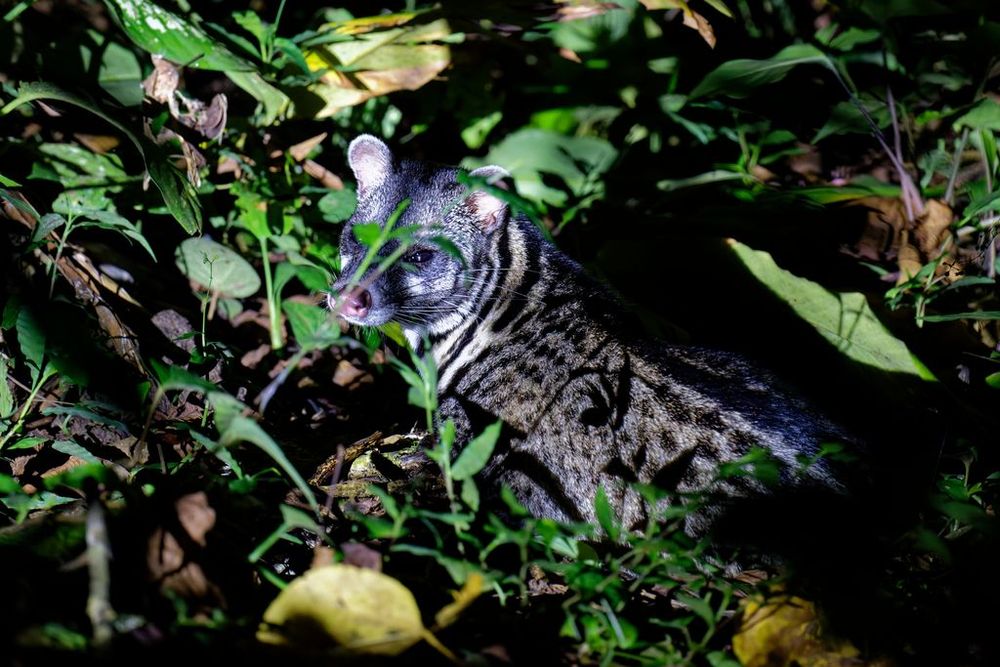
1/5 #MammalMonday: Malayan Civet (Viverra tangalunga)
Native to Southeast Asia, it is a solitary, nocturnal carnivoran distributed from the Malay Peninsula to Borneo and the Philippines and some island systems, including Sulawesi.
Photos: © Martin Walsh, © matthewkwan, CC-BY-ND 4.0, iNaturalist
Native to Southeast Asia, it is a solitary, nocturnal carnivoran distributed from the Malay Peninsula to Borneo and the Philippines and some island systems, including Sulawesi.
Photos: © Martin Walsh, © matthewkwan, CC-BY-ND 4.0, iNaturalist

August 11, 2025 at 6:30 PM
1/5 #MammalMonday: Malayan Civet (Viverra tangalunga)
Native to Southeast Asia, it is a solitary, nocturnal carnivoran distributed from the Malay Peninsula to Borneo and the Philippines and some island systems, including Sulawesi.
Photos: © Martin Walsh, © matthewkwan, CC-BY-ND 4.0, iNaturalist
Native to Southeast Asia, it is a solitary, nocturnal carnivoran distributed from the Malay Peninsula to Borneo and the Philippines and some island systems, including Sulawesi.
Photos: © Martin Walsh, © matthewkwan, CC-BY-ND 4.0, iNaturalist
1/2 📢 New publication in our journal Mammalian Biology 📢
Peacock, J., Smith, E.S., Park, T.J. et al. Ear morphology in the Damaraland mole-rat, Fukomys damarensis (Rodentia: Bathyergidae). Mamm Biol (2025). doi.org/10.1007/s429...
🦊 🧪
Peacock, J., Smith, E.S., Park, T.J. et al. Ear morphology in the Damaraland mole-rat, Fukomys damarensis (Rodentia: Bathyergidae). Mamm Biol (2025). doi.org/10.1007/s429...
🦊 🧪
Ear morphology in the Damaraland mole-rat, Fukomys damarensis (Rodentia: Bathyergidae) - Mammalian Biology
Both naked mole-rats (Heterocephalus glaber) and Damaraland mole-rats (Fukomys damarensis) are increasing in popularity as laboratory species. Many aspects of the biology of these eusocial bathyergid…
doi.org
August 1, 2025 at 3:00 PM
1/2 📢 New publication in our journal Mammalian Biology 📢
Peacock, J., Smith, E.S., Park, T.J. et al. Ear morphology in the Damaraland mole-rat, Fukomys damarensis (Rodentia: Bathyergidae). Mamm Biol (2025). doi.org/10.1007/s429...
🦊 🧪
Peacock, J., Smith, E.S., Park, T.J. et al. Ear morphology in the Damaraland mole-rat, Fukomys damarensis (Rodentia: Bathyergidae). Mamm Biol (2025). doi.org/10.1007/s429...
🦊 🧪
1/6 🐬 #MammalMonday Feature: Vaquita (Phocoena sinus)
The Vaquita is with an estimated population of fewer than 10 individuals, the most endangered marine mammal known to science.
🧪 🦤 🦊 🌍
Photos: © Alfokrads, © chris huh, CC-BY-SA, iNaturalist, Wikipedia
The Vaquita is with an estimated population of fewer than 10 individuals, the most endangered marine mammal known to science.
🧪 🦤 🦊 🌍
Photos: © Alfokrads, © chris huh, CC-BY-SA, iNaturalist, Wikipedia


July 27, 2025 at 6:30 PM
1/6 🐬 #MammalMonday Feature: Vaquita (Phocoena sinus)
The Vaquita is with an estimated population of fewer than 10 individuals, the most endangered marine mammal known to science.
🧪 🦤 🦊 🌍
Photos: © Alfokrads, © chris huh, CC-BY-SA, iNaturalist, Wikipedia
The Vaquita is with an estimated population of fewer than 10 individuals, the most endangered marine mammal known to science.
🧪 🦤 🦊 🌍
Photos: © Alfokrads, © chris huh, CC-BY-SA, iNaturalist, Wikipedia
🐆 #MammalMonday: Amur Leopard (Panthera pardus orientalis)
A critically endangered leopard subspecies, fewer than 120 remain in the wild. One of the most endangered felids on Earth.
🧪 🦤 🦊 🌍
Photos: © Royle Safaris © krunku, CC-BY-NC 4.0, iNaturalist


July 21, 2025 at 6:31 PM
🐆 #MammalMonday: Amur Leopard (Panthera pardus orientalis)
A critically endangered leopard subspecies, fewer than 120 remain in the wild. One of the most endangered felids on Earth.
🧪 🦤 🦊 🌍
Photos: © Royle Safaris © krunku, CC-BY-NC 4.0, iNaturalist
1/2 📢 New publication in our journal Mammalian Biology 📢
Demosthenous-Bonastre, E., Grau-Andrés, R., Batlle-Benaiges, J. et al. Water sources shape drought effects on mammal activity in mediterranean woodlands. Mamm Biol (2025). doi.org/10.1007/s429...
Demosthenous-Bonastre, E., Grau-Andrés, R., Batlle-Benaiges, J. et al. Water sources shape drought effects on mammal activity in mediterranean woodlands. Mamm Biol (2025). doi.org/10.1007/s429...
Water sources shape drought effects on mammal activity in mediterranean woodlands - Mammalian Biology
Drought frequency and severity have notably increased in the Mediterranean basin throughout the 20th century, thereby impacting freshwater sources and forest regrowth, which are crucial for woodland…
doi.org
July 18, 2025 at 10:15 AM
1/2 📢 New publication in our journal Mammalian Biology 📢
Demosthenous-Bonastre, E., Grau-Andrés, R., Batlle-Benaiges, J. et al. Water sources shape drought effects on mammal activity in mediterranean woodlands. Mamm Biol (2025). doi.org/10.1007/s429...
Demosthenous-Bonastre, E., Grau-Andrés, R., Batlle-Benaiges, J. et al. Water sources shape drought effects on mammal activity in mediterranean woodlands. Mamm Biol (2025). doi.org/10.1007/s429...
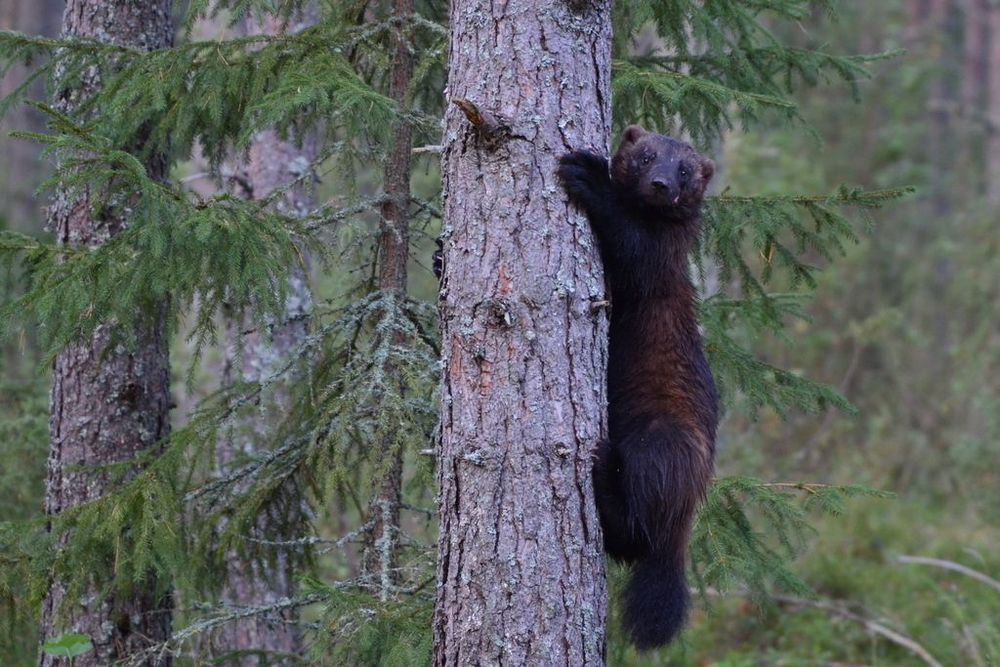
1/6 🦴🔬 Mammal Monday Spotlight - Wolverine (Gulo gulo): Arctic Predator, Anatomical Powerhouse
The wolverine is the largest terrestrial member of the Mustelidae family—and arguably the toughest.
🧪 🦤 🦊 🌍
Photos: © Royle Safaris, © Manuel Ruedi , CC-BY-NC 4.0, iNaturalist
The wolverine is the largest terrestrial member of the Mustelidae family—and arguably the toughest.
🧪 🦤 🦊 🌍
Photos: © Royle Safaris, © Manuel Ruedi , CC-BY-NC 4.0, iNaturalist

July 14, 2025 at 6:30 PM
1/6 🦴🔬 Mammal Monday Spotlight - Wolverine (Gulo gulo): Arctic Predator, Anatomical Powerhouse
The wolverine is the largest terrestrial member of the Mustelidae family—and arguably the toughest.
🧪 🦤 🦊 🌍
Photos: © Royle Safaris, © Manuel Ruedi , CC-BY-NC 4.0, iNaturalist
The wolverine is the largest terrestrial member of the Mustelidae family—and arguably the toughest.
🧪 🦤 🦊 🌍
Photos: © Royle Safaris, © Manuel Ruedi , CC-BY-NC 4.0, iNaturalist
1/3 🦇 Mammal Monday Spotlight: Banana Serotine (Afronycteris nanus)
Small, swift, and often overlooked — meet the Banana Serotine, one of Africa’s tiniest bats!
🧪 🦤 🦊 🌍
Photos: © Rod Cassidy, © Piotr Naskrecki , CC-BY-NC 4.0, iNaturalist
Small, swift, and often overlooked — meet the Banana Serotine, one of Africa’s tiniest bats!
🧪 🦤 🦊 🌍
Photos: © Rod Cassidy, © Piotr Naskrecki , CC-BY-NC 4.0, iNaturalist


July 7, 2025 at 6:30 PM
1/3 🦇 Mammal Monday Spotlight: Banana Serotine (Afronycteris nanus)
Small, swift, and often overlooked — meet the Banana Serotine, one of Africa’s tiniest bats!
🧪 🦤 🦊 🌍
Photos: © Rod Cassidy, © Piotr Naskrecki , CC-BY-NC 4.0, iNaturalist
Small, swift, and often overlooked — meet the Banana Serotine, one of Africa’s tiniest bats!
🧪 🦤 🦊 🌍
Photos: © Rod Cassidy, © Piotr Naskrecki , CC-BY-NC 4.0, iNaturalist
1/3 📢 New publication in our journal Mammalian Biology! 📢
🦇 Gili et al.: Non-invasive survey techniques uncover the coexistence of African and European bats on the Island of Lampedusa
link.springer.com/article/10.1...
🧪 🌍 🦤 🦊
🦇 Gili et al.: Non-invasive survey techniques uncover the coexistence of African and European bats on the Island of Lampedusa
link.springer.com/article/10.1...
🧪 🌍 🦤 🦊
Non-invasive survey techniques uncover the coexistence of African and European bats on the island of Lampedusa - Mammalian Biology
Islands are exceptional field laboratories for studying biogeographical patterns, particularly those lying on the edge of neighbouring bioregions. Among island vertebrates, bats have often been…
link.springer.com
July 4, 2025 at 10:15 AM
1/3 📢 New publication in our journal Mammalian Biology! 📢
🦇 Gili et al.: Non-invasive survey techniques uncover the coexistence of African and European bats on the Island of Lampedusa
link.springer.com/article/10.1...
🧪 🌍 🦤 🦊
🦇 Gili et al.: Non-invasive survey techniques uncover the coexistence of African and European bats on the Island of Lampedusa
link.springer.com/article/10.1...
🧪 🌍 🦤 🦊
1/4 🔬🦔 Mammal Monday: The Short-beaked Echidna (Tachyglossus aculeatus) 🦔🔬
The short-beaked echidna is one of the few extant species of monotremes — a rare group of egg-laying mammals endemic to Australia and parts of New Guinea.
🧪 🦤 🦊 🌍
Photo: © thammbamm, CC-BY-NC 4.0, iNaturalist
The short-beaked echidna is one of the few extant species of monotremes — a rare group of egg-laying mammals endemic to Australia and parts of New Guinea.
🧪 🦤 🦊 🌍
Photo: © thammbamm, CC-BY-NC 4.0, iNaturalist

June 30, 2025 at 6:30 PM
1/4 🔬🦔 Mammal Monday: The Short-beaked Echidna (Tachyglossus aculeatus) 🦔🔬
The short-beaked echidna is one of the few extant species of monotremes — a rare group of egg-laying mammals endemic to Australia and parts of New Guinea.
🧪 🦤 🦊 🌍
Photo: © thammbamm, CC-BY-NC 4.0, iNaturalist
The short-beaked echidna is one of the few extant species of monotremes — a rare group of egg-laying mammals endemic to Australia and parts of New Guinea.
🧪 🦤 🦊 🌍
Photo: © thammbamm, CC-BY-NC 4.0, iNaturalist