



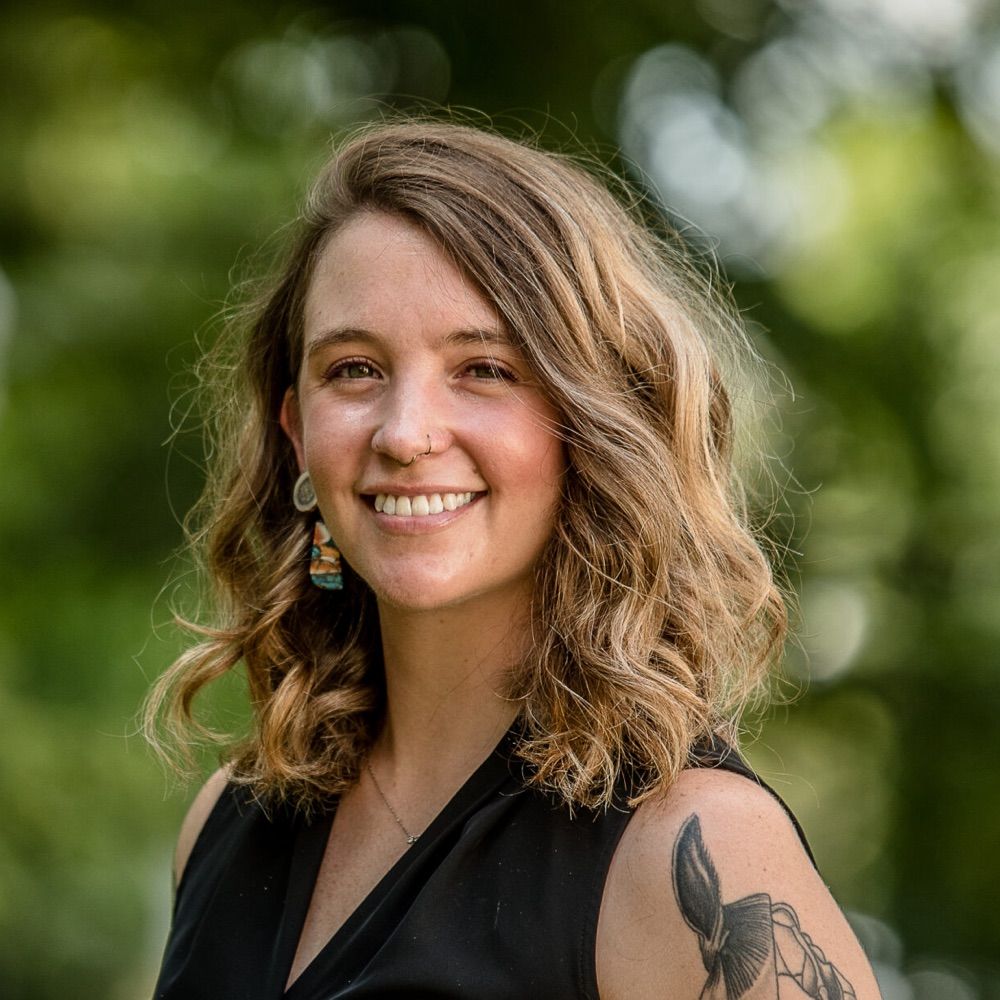
Isabelle Holland-Lulewicz
@isazooarch.bsky.social
Environmental Arch. Asst. Prof at Penn State. Zooarch. Stable isotopes. Islands and Coasts. 🐚🦪🦐🐡🐟
Pinned

Hello! 👋 I am an environmental archaeologist at #PennState who studies socio-ecological systems in Eastern North America, primarily Coastal Georgia and SW Florida, using zooarchaeology, stable isotope geochem, and geoarch. I 💙 fisheries. #archaeology #ecology
Reposted by Isabelle Holland-Lulewicz
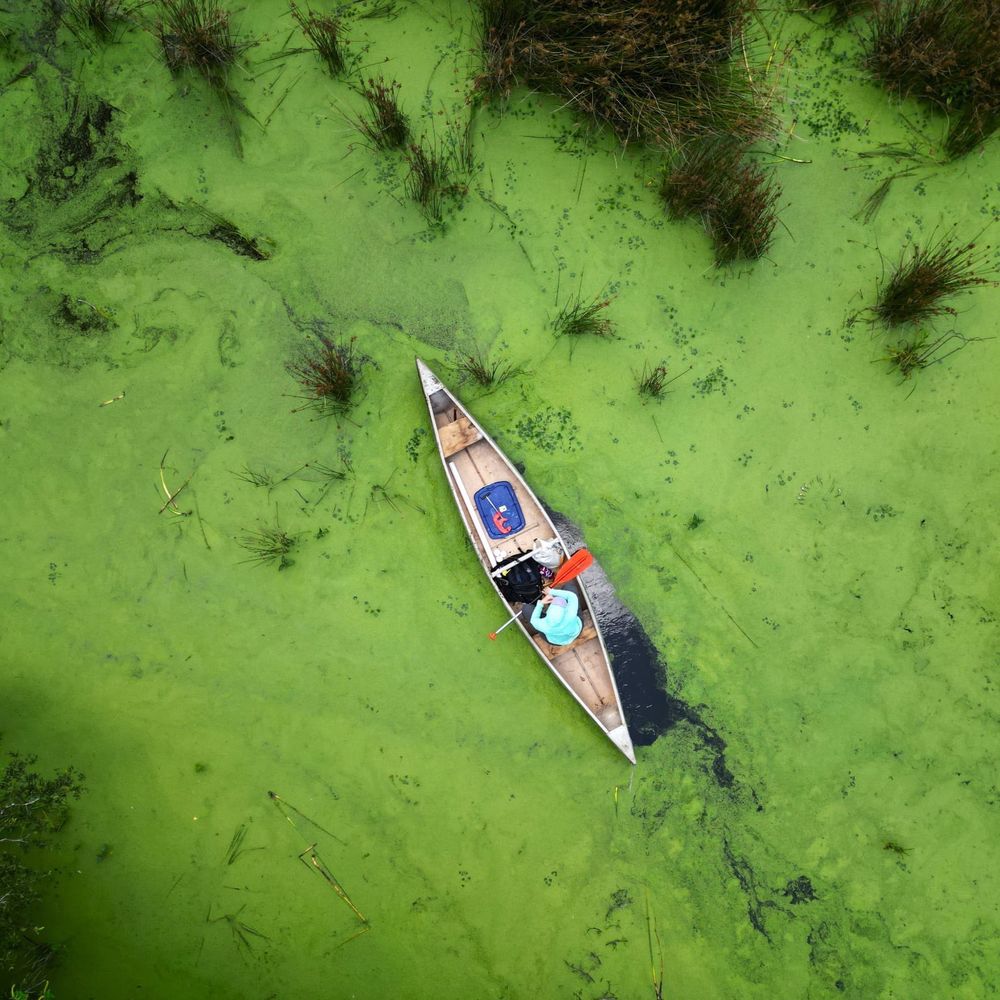
Our lab of archaeologists, historians, and ecologists studies social, economic, and environmental dynamics over the last 5,000yrs. From the earliest Indigenous villages on the US Atlantic coast, to nomadic Mongolian empires, to Black towns of the post-emancipation South. Follow for rad archaeology!


July 21, 2025 at 12:34 PM
Our lab of archaeologists, historians, and ecologists studies social, economic, and environmental dynamics over the last 5,000yrs. From the earliest Indigenous villages on the US Atlantic coast, to nomadic Mongolian empires, to Black towns of the post-emancipation South. Follow for rad archaeology!
Reposted by Isabelle Holland-Lulewicz
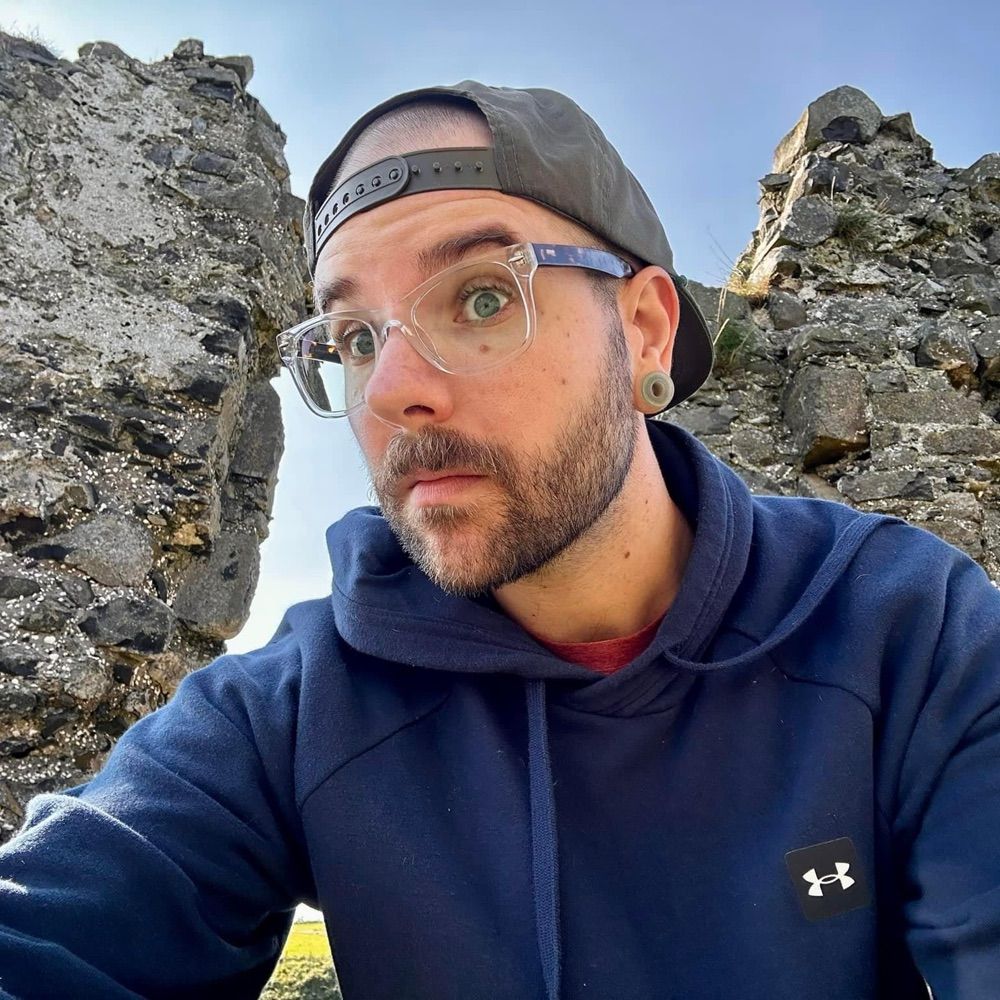
Me (working really hard, as you can see) and @isazooarch.bsky.social. AND the sea turtle (?) that came out of this DENSE shell midden #archaeology #ecology


January 27, 2025 at 12:43 PM
Me (working really hard, as you can see) and @isazooarch.bsky.social. AND the sea turtle (?) that came out of this DENSE shell midden #archaeology #ecology
If you’re in SW Florida this weekend, come hang out! #archaeology

January 17, 2025 at 12:09 AM
If you’re in SW Florida this weekend, come hang out! #archaeology
Reposted by Isabelle Holland-Lulewicz

Thinking about catfish in Minnesota archaeology- rock art image from a cave and an effigy mound likely depicting catfish, both from southeastern Minnesota near the Mississippi River where catfish are still common.


December 11, 2024 at 1:09 PM
Thinking about catfish in Minnesota archaeology- rock art image from a cave and an effigy mound likely depicting catfish, both from southeastern Minnesota near the Mississippi River where catfish are still common.
Reposted by Isabelle Holland-Lulewicz
Published last year by myself and @isazooarch.bsky.social. Would love to see more use of network graphs to think about ecological data from the archaeological record! “A network approach to zooarchaeological datasets and human-centered ecosystems in southwestern Florida” 🔗 tinyurl.com/mf2xp6x2


December 9, 2024 at 10:39 PM
Published last year by myself and @isazooarch.bsky.social. Would love to see more use of network graphs to think about ecological data from the archaeological record! “A network approach to zooarchaeological datasets and human-centered ecosystems in southwestern Florida” 🔗 tinyurl.com/mf2xp6x2
Reposted by Isabelle Holland-Lulewicz
🚨🐡 Hot off the press from the Journal of Anthropological #Archaeology! “Beyond Subsistence: Toxic burrfishes and non-food-based economies among the Calusa complex fisher-hunter-gatherers of the American Southeast” 🔗 www.sciencedirect.com/science/arti...

December 5, 2024 at 12:12 AM
🚨🐡 Hot off the press from the Journal of Anthropological #Archaeology! “Beyond Subsistence: Toxic burrfishes and non-food-based economies among the Calusa complex fisher-hunter-gatherers of the American Southeast” 🔗 www.sciencedirect.com/science/arti...
🚨🐡 Hot off the press from the Journal of Anthropological #Archaeology! “Beyond Subsistence: Toxic burrfishes and non-food-based economies among the Calusa complex fisher-hunter-gatherers of the American Southeast” 🔗 www.sciencedirect.com/science/arti...
December 5, 2024 at 12:12 AM
🚨🐡 Hot off the press from the Journal of Anthropological #Archaeology! “Beyond Subsistence: Toxic burrfishes and non-food-based economies among the Calusa complex fisher-hunter-gatherers of the American Southeast” 🔗 www.sciencedirect.com/science/arti...
A perfect Monday treat!! Stay tuned to learn more about the use of toxic burrfishes by the Indigenous Calusa communities of southern Florida!! 🐡🐡🐡 #archaeology #fish

December 2, 2024 at 10:08 PM
A perfect Monday treat!! Stay tuned to learn more about the use of toxic burrfishes by the Indigenous Calusa communities of southern Florida!! 🐡🐡🐡 #archaeology #fish
Reposted by Isabelle Holland-Lulewicz
Canals of the coastal SE US are usually assumed to be built by 19thC enslaved labor, but some of our preliminary work hints at Indigenous Guale communities as the potential architects of this water management infrastructure, reused 600yrs later by plantations! #archaeology @isazooarch.bsky.social


November 30, 2024 at 3:41 PM
Canals of the coastal SE US are usually assumed to be built by 19thC enslaved labor, but some of our preliminary work hints at Indigenous Guale communities as the potential architects of this water management infrastructure, reused 600yrs later by plantations! #archaeology @isazooarch.bsky.social
Have you heard of Mound Key!? The once capital of the Calusa Kingdom of southwestern Florida is an entirely anthropogenic island (c. 60ha) made completely of shell! There are even massive fish storage ponds (watercourts) for live fish surplus to feed its c. 4,000 residents! #archaeology #ecology


November 27, 2024 at 5:10 PM
Have you heard of Mound Key!? The once capital of the Calusa Kingdom of southwestern Florida is an entirely anthropogenic island (c. 60ha) made completely of shell! There are even massive fish storage ponds (watercourts) for live fish surplus to feed its c. 4,000 residents! #archaeology #ecology
Reposted by Isabelle Holland-Lulewicz
Saturday night in Hockey Valley with @isazooarch.bsky.social !


November 24, 2024 at 5:13 AM
Saturday night in Hockey Valley with @isazooarch.bsky.social !
Reposted by Isabelle Holland-Lulewicz
Press release on our paper in Nature Comms tracking the spread of peaches across Indigenous North America! Through this study we aimed to center Indigenous communities and ecologies in narratives of colonialism as a socioecological process #archaeology #history #ecology www.psu.edu/news/researc...

Peaches spread across North America through Indigenous networks | Penn State University
Indigenous networks played a key role in the spread of peaches across North America, according to a new study led by a researcher at Penn State.
www.psu.edu
November 22, 2024 at 6:49 PM
Press release on our paper in Nature Comms tracking the spread of peaches across Indigenous North America! Through this study we aimed to center Indigenous communities and ecologies in narratives of colonialism as a socioecological process #archaeology #history #ecology www.psu.edu/news/researc...
These stands of dead palms on Ossabaw Island along the Georgia Coast are evidence of increasingly severe salt water intrusion. With rising sea levels, estuarine ecosystems will continue to be disrupted, and with that critical losses of biodiversity will continue to ramp up #climate #climatechange

November 22, 2024 at 1:16 AM
These stands of dead palms on Ossabaw Island along the Georgia Coast are evidence of increasingly severe salt water intrusion. With rising sea levels, estuarine ecosystems will continue to be disrupted, and with that critical losses of biodiversity will continue to ramp up #climate #climatechange
Reposted by Isabelle Holland-Lulewicz
🚨 I’m hiring a new Postdoctoral Researcher in Environmental Archaeology/Ecology at #PennState in a brand new building and lab! Looking to build new awesome collaborations. Come hang out with us in Happy Valley! #archaeology #ecology 🔗 psu.wd1.myworkdayjobs.com/en-US/PSU_Ac...

November 11, 2024 at 10:34 PM
🚨 I’m hiring a new Postdoctoral Researcher in Environmental Archaeology/Ecology at #PennState in a brand new building and lab! Looking to build new awesome collaborations. Come hang out with us in Happy Valley! #archaeology #ecology 🔗 psu.wd1.myworkdayjobs.com/en-US/PSU_Ac...
Reposted by Isabelle Holland-Lulewicz
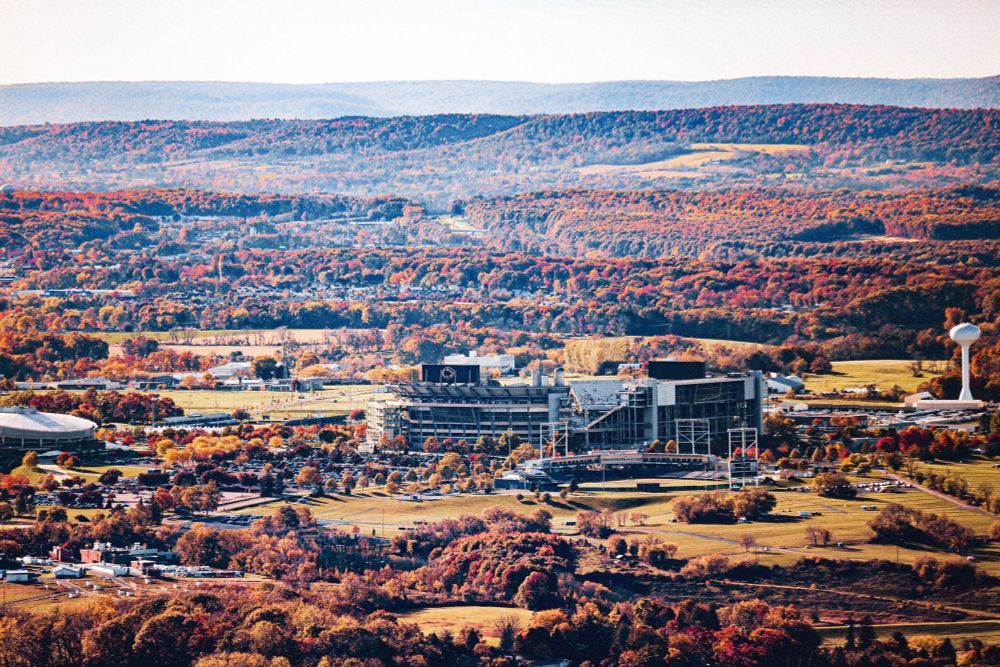
Come hang out and let’s do cool archaeology together! I’m hiring a Post-Doc! #archaeology 🔗 psu.wd1.myworkdayjobs.com/en-US/PSU_Ac...
November 18, 2024 at 6:59 PM
Come hang out and let’s do cool archaeology together! I’m hiring a Post-Doc! #archaeology 🔗 psu.wd1.myworkdayjobs.com/en-US/PSU_Ac...
Did you know oysters are like little ecological time capsules?? Part of my research includes using geochemical methods to reconstruct climatic and environmental conditions from archaeological shell! #archaeology #ecology #climate


November 16, 2024 at 10:04 PM
Did you know oysters are like little ecological time capsules?? Part of my research includes using geochemical methods to reconstruct climatic and environmental conditions from archaeological shell! #archaeology #ecology #climate
Reposted by Isabelle Holland-Lulewicz
Excavating between the houses of once enslaved Gullah-Geechee families on Ossabaw Island off the Georgia coast. In the background is a remnant wall of one of these homes that still stands. They were made of “tabby,” a concrete-like substance produced from shell, lime, sand, and water #archaeology

November 15, 2024 at 2:19 AM
Excavating between the houses of once enslaved Gullah-Geechee families on Ossabaw Island off the Georgia coast. In the background is a remnant wall of one of these homes that still stands. They were made of “tabby,” a concrete-like substance produced from shell, lime, sand, and water #archaeology
Reposted by Isabelle Holland-Lulewicz
On the Georgia coast, Indigenous communities altered landscapes through the deposition of shell. We’ve estimated that the modern land masses of some marsh islands and landforms are between 5-10% shell! Where we’ve done enough work to calculate, a single site can have upwards of 100 MILLION oysters!


November 15, 2024 at 11:40 AM
On the Georgia coast, Indigenous communities altered landscapes through the deposition of shell. We’ve estimated that the modern land masses of some marsh islands and landforms are between 5-10% shell! Where we’ve done enough work to calculate, a single site can have upwards of 100 MILLION oysters!
Excited to present with @archaeojake.bsky.social on some ongoing work centered on the Georgia Coast, USA today at #SEAC2024 regarding the need for appropriately scaled analyses in our studies of archaeological shellfisheries and intra-site variation in oyster use! #archaeology

November 15, 2024 at 11:48 AM
Excited to present with @archaeojake.bsky.social on some ongoing work centered on the Georgia Coast, USA today at #SEAC2024 regarding the need for appropriately scaled analyses in our studies of archaeological shellfisheries and intra-site variation in oyster use! #archaeology
Reposted by Isabelle Holland-Lulewicz
The AMAZING work our students are presenting this week! (Apologies for the low res, but you get the gist 😅) w/ @isazooarch.bsky.social #archaeology #history #ecology


November 12, 2024 at 4:39 PM
The AMAZING work our students are presenting this week! (Apologies for the low res, but you get the gist 😅) w/ @isazooarch.bsky.social #archaeology #history #ecology
Reposted by Isabelle Holland-Lulewicz
Looking forward to presenting at the Southeastern Archaeological Conference this week on Gullah-Geechee lifeways and historic human-ecosystem dynamics! w/ @isazooarch.bsky.social #archaeology #history #ecology

November 12, 2024 at 11:37 AM
Looking forward to presenting at the Southeastern Archaeological Conference this week on Gullah-Geechee lifeways and historic human-ecosystem dynamics! w/ @isazooarch.bsky.social #archaeology #history #ecology
Hello! 👋 I am an environmental archaeologist at #PennState who studies socio-ecological systems in Eastern North America, primarily Coastal Georgia and SW Florida, using zooarchaeology, stable isotope geochem, and geoarch. I 💙 fisheries. #archaeology #ecology
November 11, 2024 at 11:50 PM
Hello! 👋 I am an environmental archaeologist at #PennState who studies socio-ecological systems in Eastern North America, primarily Coastal Georgia and SW Florida, using zooarchaeology, stable isotope geochem, and geoarch. I 💙 fisheries. #archaeology #ecology
Reposted by Isabelle Holland-Lulewicz

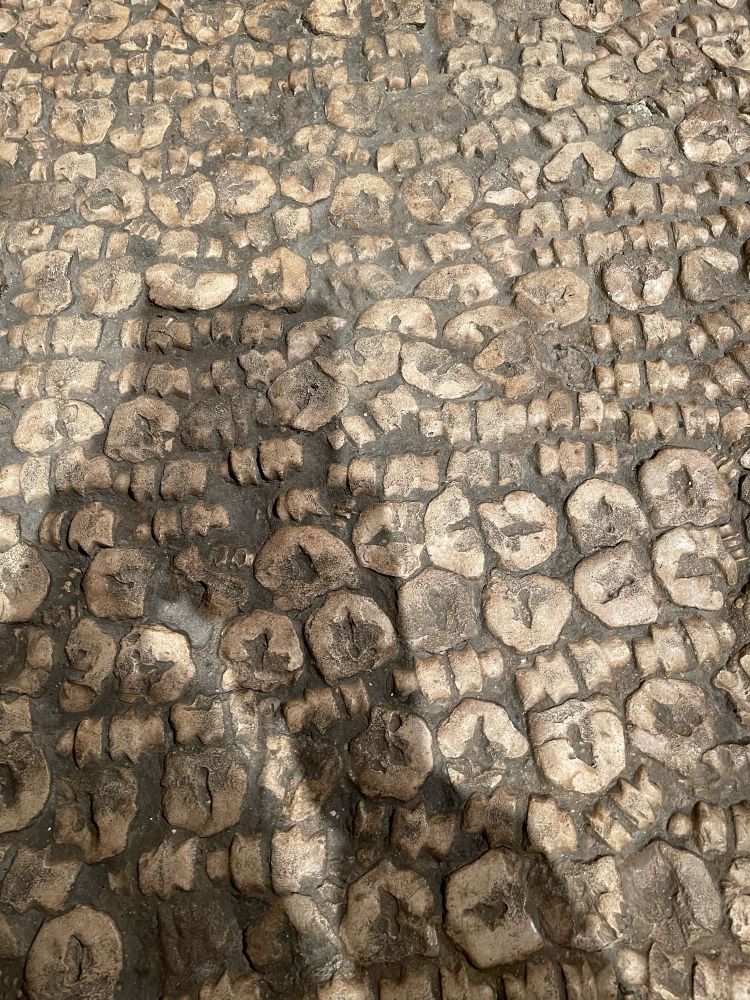
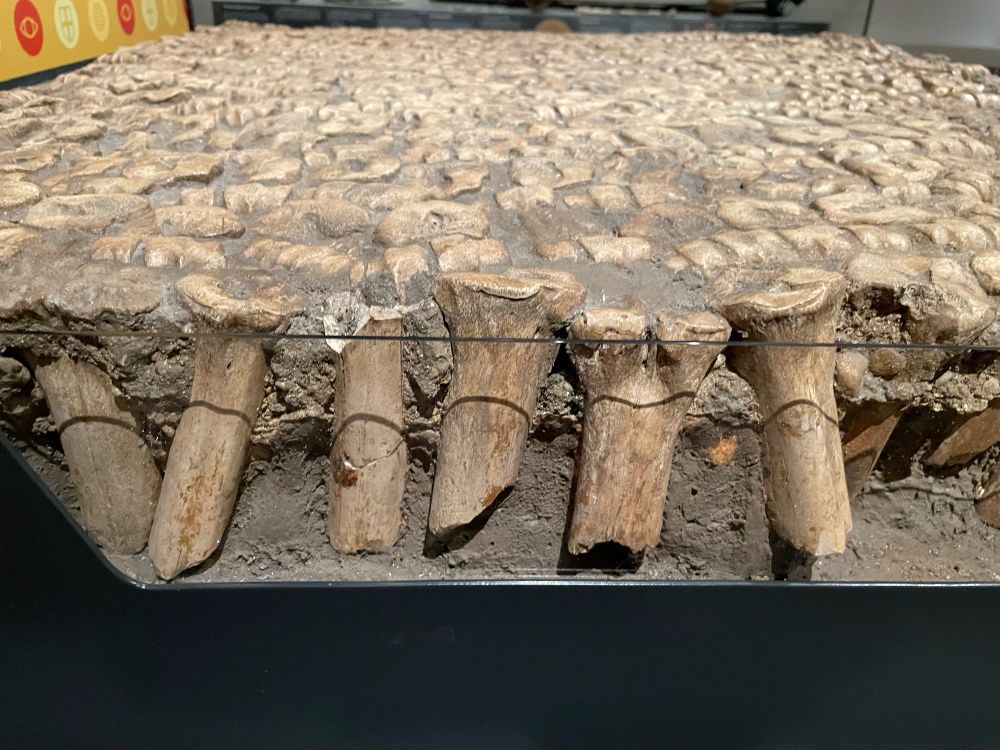
Where the streets are paved with…bones! An example of animal bone (cattle & sheep) flooring from Park End Street in Oxford - 12 examples of bone flooring have been found in the county of Oxfordshire! 17th cent. On display at Museum of Oxford!
November 10, 2024 at 8:37 PM
Where the streets are paved with…bones! An example of animal bone (cattle & sheep) flooring from Park End Street in Oxford - 12 examples of bone flooring have been found in the county of Oxfordshire! 17th cent. On display at Museum of Oxford!
🚨 I’m hiring a new Postdoctoral Researcher in Environmental Archaeology/Ecology at #PennState in a brand new building and lab! Looking to build new awesome collaborations. Come hang out with us in Happy Valley! #archaeology #ecology 🔗 psu.wd1.myworkdayjobs.com/en-US/PSU_Ac...
November 11, 2024 at 10:34 PM
🚨 I’m hiring a new Postdoctoral Researcher in Environmental Archaeology/Ecology at #PennState in a brand new building and lab! Looking to build new awesome collaborations. Come hang out with us in Happy Valley! #archaeology #ecology 🔗 psu.wd1.myworkdayjobs.com/en-US/PSU_Ac...