


The Symphonist
@deeplyclassical.bsky.social
Passionate symphony lover. Other music is good too.
Pinned


2026 marks the 50th anniversary of the death of Benjamin Britten (1913-1976). Peter Grimes, the Serenade and War Requiem are among my all time favourite works. This year I'm going to try to listen to every Britten piece, in the order he wrote them. Why not join me? #TheCompleteBritten
#TheCompleteBritten #36
Two Portraits (1930)
1. David Layton
2. E.B.B.
Britten looks back to Gresham's, the school he'd just left. Layton was a schoolfriend, fellow violist and tennis player. The second movement is a sad self portrait. A third portrait, of another schoolmate, was never finished.
Two Portraits (1930)
1. David Layton
2. E.B.B.
Britten looks back to Gresham's, the school he'd just left. Layton was a schoolfriend, fellow violist and tennis player. The second movement is a sad self portrait. A third portrait, of another schoolmate, was never finished.

Benjamin Britten: Two Portraits for String Orchestra
YouTube video by Norwegian Chamber Orchestra
youtu.be
January 28, 2026 at 7:05 AM
#TheCompleteBritten #36
Two Portraits (1930)
1. David Layton
2. E.B.B.
Britten looks back to Gresham's, the school he'd just left. Layton was a schoolfriend, fellow violist and tennis player. The second movement is a sad self portrait. A third portrait, of another schoolmate, was never finished.
Two Portraits (1930)
1. David Layton
2. E.B.B.
Britten looks back to Gresham's, the school he'd just left. Layton was a schoolfriend, fellow violist and tennis player. The second movement is a sad self portrait. A third portrait, of another schoolmate, was never finished.
Reposted by The Symphonist

“Breaking news: Renowned composer Philip Glass…”
*Oh no…*
“…withdraws from Kennedy Center.”
*Fuck yeah*
*Oh no…*
“…withdraws from Kennedy Center.”
*Fuck yeah*
January 27, 2026 at 5:58 PM
“Breaking news: Renowned composer Philip Glass…”
*Oh no…*
“…withdraws from Kennedy Center.”
*Fuck yeah*
*Oh no…*
“…withdraws from Kennedy Center.”
*Fuck yeah*
Reposted by The Symphonist
#TheCompleteBritten #34
Chamber Music V (1930)
Composed between leaving Gresham's school and starting at the Royal College of Music. His teacher Frank Bridge had set the same James Joyce text five years before. Britten dedicated his wistful setting to his Gresham's friend Paul Azor-Smith.
Chamber Music V (1930)
Composed between leaving Gresham's school and starting at the Royal College of Music. His teacher Frank Bridge had set the same James Joyce text five years before. Britten dedicated his wistful setting to his Gresham's friend Paul Azor-Smith.

Chamber Music (V)
YouTube video by Malcolm Martineau - Topic
youtu.be
January 27, 2026 at 6:26 AM
#TheCompleteBritten #34
Chamber Music V (1930)
Composed between leaving Gresham's school and starting at the Royal College of Music. His teacher Frank Bridge had set the same James Joyce text five years before. Britten dedicated his wistful setting to his Gresham's friend Paul Azor-Smith.
Chamber Music V (1930)
Composed between leaving Gresham's school and starting at the Royal College of Music. His teacher Frank Bridge had set the same James Joyce text five years before. Britten dedicated his wistful setting to his Gresham's friend Paul Azor-Smith.
#TheCompleteBritten #34
Chamber Music V (1930)
Composed between leaving Gresham's school and starting at the Royal College of Music. His teacher Frank Bridge had set the same James Joyce text five years before. Britten dedicated his wistful setting to his Gresham's friend Paul Azor-Smith.
Chamber Music V (1930)
Composed between leaving Gresham's school and starting at the Royal College of Music. His teacher Frank Bridge had set the same James Joyce text five years before. Britten dedicated his wistful setting to his Gresham's friend Paul Azor-Smith.
Chamber Music (V)
YouTube video by Malcolm Martineau - Topic
youtu.be
January 27, 2026 at 6:26 AM
#TheCompleteBritten #34
Chamber Music V (1930)
Composed between leaving Gresham's school and starting at the Royal College of Music. His teacher Frank Bridge had set the same James Joyce text five years before. Britten dedicated his wistful setting to his Gresham's friend Paul Azor-Smith.
Chamber Music V (1930)
Composed between leaving Gresham's school and starting at the Royal College of Music. His teacher Frank Bridge had set the same James Joyce text five years before. Britten dedicated his wistful setting to his Gresham's friend Paul Azor-Smith.
Reposted by The Symphonist
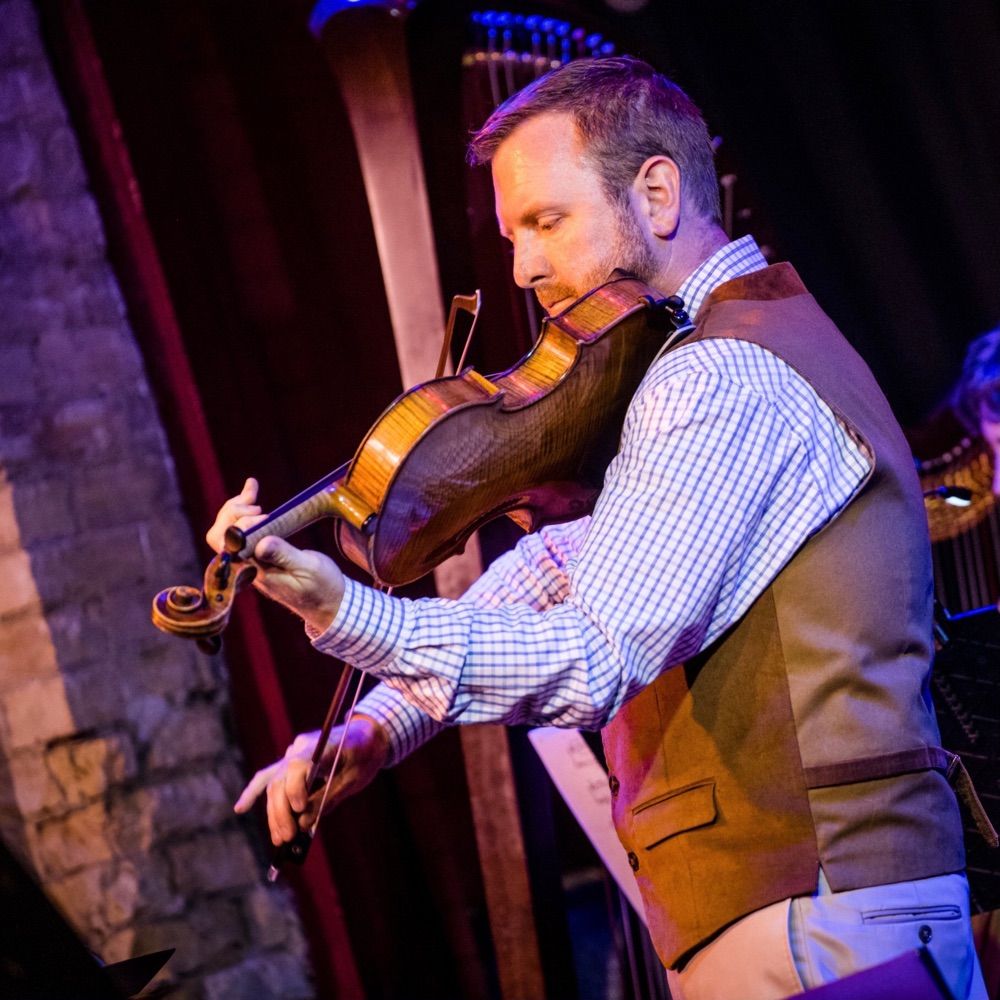
I love this piece so much - paired it with the Vaughan Williams Romance on my senior recital back in college. I think of it as the Most Britten. It lacks the grandeur of his more famous orchestral works, but all the depth and passion and sadness are right there, unadorned and perfect.
#TheCompleteBritten #33
Elegy for solo viola (1930)
Written the day after he left Gresham's School. Despite the difficulties of his time there, was he sad to go? Unlike 1928's Elegy for Strings, this is mournful throughout, its lamentation rising to an intense climax before subsiding again.
Elegy for solo viola (1930)
Written the day after he left Gresham's School. Despite the difficulties of his time there, was he sad to go? Unlike 1928's Elegy for Strings, this is mournful throughout, its lamentation rising to an intense climax before subsiding again.

Britten Elegy - Timothy Ridout Viola
YouTube video by Timothy Ridout - Violist
youtu.be
January 26, 2026 at 7:49 PM
I love this piece so much - paired it with the Vaughan Williams Romance on my senior recital back in college. I think of it as the Most Britten. It lacks the grandeur of his more famous orchestral works, but all the depth and passion and sadness are right there, unadorned and perfect.
Reposted by The Symphonist
#TheCompleteBritten #33
Elegy for solo viola (1930)
Written the day after he left Gresham's School. Despite the difficulties of his time there, was he sad to go? Unlike 1928's Elegy for Strings, this is mournful throughout, its lamentation rising to an intense climax before subsiding again.
Elegy for solo viola (1930)
Written the day after he left Gresham's School. Despite the difficulties of his time there, was he sad to go? Unlike 1928's Elegy for Strings, this is mournful throughout, its lamentation rising to an intense climax before subsiding again.
Britten Elegy - Timothy Ridout Viola
YouTube video by Timothy Ridout - Violist
youtu.be
January 26, 2026 at 6:52 AM
#TheCompleteBritten #33
Elegy for solo viola (1930)
Written the day after he left Gresham's School. Despite the difficulties of his time there, was he sad to go? Unlike 1928's Elegy for Strings, this is mournful throughout, its lamentation rising to an intense climax before subsiding again.
Elegy for solo viola (1930)
Written the day after he left Gresham's School. Despite the difficulties of his time there, was he sad to go? Unlike 1928's Elegy for Strings, this is mournful throughout, its lamentation rising to an intense climax before subsiding again.
#TheCompleteBritten #33
Elegy for solo viola (1930)
Written the day after he left Gresham's School. Despite the difficulties of his time there, was he sad to go? Unlike 1928's Elegy for Strings, this is mournful throughout, its lamentation rising to an intense climax before subsiding again.
Elegy for solo viola (1930)
Written the day after he left Gresham's School. Despite the difficulties of his time there, was he sad to go? Unlike 1928's Elegy for Strings, this is mournful throughout, its lamentation rising to an intense climax before subsiding again.
Britten Elegy - Timothy Ridout Viola
YouTube video by Timothy Ridout - Violist
youtu.be
January 26, 2026 at 6:52 AM
#TheCompleteBritten #33
Elegy for solo viola (1930)
Written the day after he left Gresham's School. Despite the difficulties of his time there, was he sad to go? Unlike 1928's Elegy for Strings, this is mournful throughout, its lamentation rising to an intense climax before subsiding again.
Elegy for solo viola (1930)
Written the day after he left Gresham's School. Despite the difficulties of his time there, was he sad to go? Unlike 1928's Elegy for Strings, this is mournful throughout, its lamentation rising to an intense climax before subsiding again.
Reposted by The Symphonist
If you need a break from the awfulness of everything at the moment, then put this on and experience 2 hours of Haydn showing you how wonderful the world can be. The contrabassoon alone will be enough to make you feel better. Pure bliss!

January 25, 2026 at 11:37 AM
If you need a break from the awfulness of everything at the moment, then put this on and experience 2 hours of Haydn showing you how wonderful the world can be. The contrabassoon alone will be enough to make you feel better. Pure bliss!
If you need a break from the awfulness of everything at the moment, then put this on and experience 2 hours of Haydn showing you how wonderful the world can be. The contrabassoon alone will be enough to make you feel better. Pure bliss!
January 25, 2026 at 11:37 AM
If you need a break from the awfulness of everything at the moment, then put this on and experience 2 hours of Haydn showing you how wonderful the world can be. The contrabassoon alone will be enough to make you feel better. Pure bliss!
Reposted by The Symphonist
#TheCompleteBritten #32
A Hymn to the Virgin (1930)
Confined to his sickbed, the teenage Britten created "a tiny masterpiece" (Paul Spicer) that was sung at his own funeral 46 years later. Its heart-stopping beauty makes this "jewel of an anthem" (John Bridcut) among his best-loved works today.
A Hymn to the Virgin (1930)
Confined to his sickbed, the teenage Britten created "a tiny masterpiece" (Paul Spicer) that was sung at his own funeral 46 years later. Its heart-stopping beauty makes this "jewel of an anthem" (John Bridcut) among his best-loved works today.

VOCES8: A Hymn to the Virgin - Benjamin Britten
YouTube video by VOCES8
youtu.be
January 25, 2026 at 7:34 AM
#TheCompleteBritten #32
A Hymn to the Virgin (1930)
Confined to his sickbed, the teenage Britten created "a tiny masterpiece" (Paul Spicer) that was sung at his own funeral 46 years later. Its heart-stopping beauty makes this "jewel of an anthem" (John Bridcut) among his best-loved works today.
A Hymn to the Virgin (1930)
Confined to his sickbed, the teenage Britten created "a tiny masterpiece" (Paul Spicer) that was sung at his own funeral 46 years later. Its heart-stopping beauty makes this "jewel of an anthem" (John Bridcut) among his best-loved works today.
Reposted by The Symphonist

That's so true. One of the many things I admire and love about the War Requiem is its capacity for intimacy even with such a huge cast
January 25, 2026 at 9:33 AM
That's so true. One of the many things I admire and love about the War Requiem is its capacity for intimacy even with such a huge cast
#TheCompleteBritten #32
A Hymn to the Virgin (1930)
Confined to his sickbed, the teenage Britten created "a tiny masterpiece" (Paul Spicer) that was sung at his own funeral 46 years later. Its heart-stopping beauty makes this "jewel of an anthem" (John Bridcut) among his best-loved works today.
A Hymn to the Virgin (1930)
Confined to his sickbed, the teenage Britten created "a tiny masterpiece" (Paul Spicer) that was sung at his own funeral 46 years later. Its heart-stopping beauty makes this "jewel of an anthem" (John Bridcut) among his best-loved works today.
VOCES8: A Hymn to the Virgin - Benjamin Britten
YouTube video by VOCES8
youtu.be
January 25, 2026 at 7:34 AM
#TheCompleteBritten #32
A Hymn to the Virgin (1930)
Confined to his sickbed, the teenage Britten created "a tiny masterpiece" (Paul Spicer) that was sung at his own funeral 46 years later. Its heart-stopping beauty makes this "jewel of an anthem" (John Bridcut) among his best-loved works today.
A Hymn to the Virgin (1930)
Confined to his sickbed, the teenage Britten created "a tiny masterpiece" (Paul Spicer) that was sung at his own funeral 46 years later. Its heart-stopping beauty makes this "jewel of an anthem" (John Bridcut) among his best-loved works today.
#TheCompleteBritten #31
Untitled Fragment (1930?)
The date of this 3-minute fragment is uncertain, but the paper, handwriting and style suggest 1930, when his interest on Berg and Schoenberg was at its height. The teenager abandoned many part-finished works, but seldom if ever destroyed them.
Untitled Fragment (1930?)
The date of this 3-minute fragment is uncertain, but the paper, handwriting and style suggest 1930, when his interest on Berg and Schoenberg was at its height. The teenager abandoned many part-finished works, but seldom if ever destroyed them.

Untitled Fragment
YouTube video by Release - Topic
youtu.be
January 24, 2026 at 7:37 AM
#TheCompleteBritten #31
Untitled Fragment (1930?)
The date of this 3-minute fragment is uncertain, but the paper, handwriting and style suggest 1930, when his interest on Berg and Schoenberg was at its height. The teenager abandoned many part-finished works, but seldom if ever destroyed them.
Untitled Fragment (1930?)
The date of this 3-minute fragment is uncertain, but the paper, handwriting and style suggest 1930, when his interest on Berg and Schoenberg was at its height. The teenager abandoned many part-finished works, but seldom if ever destroyed them.
Reposted by The Symphonist
Happy #NewReleaseFriday! This week my symphony & orchestral #NewReleases playlist goes BIG! Two shots of monster Mahler, a first CD release for the BBC's legendary 1980 performance of Havergal Brian's Gothic Monster, and music by Mendelssohn's great nephew.
▶️ open.qobuz.com/playlist/513...
▶️ open.qobuz.com/playlist/513...


January 23, 2026 at 7:25 AM
Happy #NewReleaseFriday! This week my symphony & orchestral #NewReleases playlist goes BIG! Two shots of monster Mahler, a first CD release for the BBC's legendary 1980 performance of Havergal Brian's Gothic Monster, and music by Mendelssohn's great nephew.
▶️ open.qobuz.com/playlist/513...
▶️ open.qobuz.com/playlist/513...
Happy #NewReleaseFriday! This week my symphony & orchestral #NewReleases playlist goes BIG! Two shots of monster Mahler, a first CD release for the BBC's legendary 1980 performance of Havergal Brian's Gothic Monster, and music by Mendelssohn's great nephew.
▶️ open.qobuz.com/playlist/513...
▶️ open.qobuz.com/playlist/513...
January 23, 2026 at 7:25 AM
Happy #NewReleaseFriday! This week my symphony & orchestral #NewReleases playlist goes BIG! Two shots of monster Mahler, a first CD release for the BBC's legendary 1980 performance of Havergal Brian's Gothic Monster, and music by Mendelssohn's great nephew.
▶️ open.qobuz.com/playlist/513...
▶️ open.qobuz.com/playlist/513...
Reposted by The Symphonist
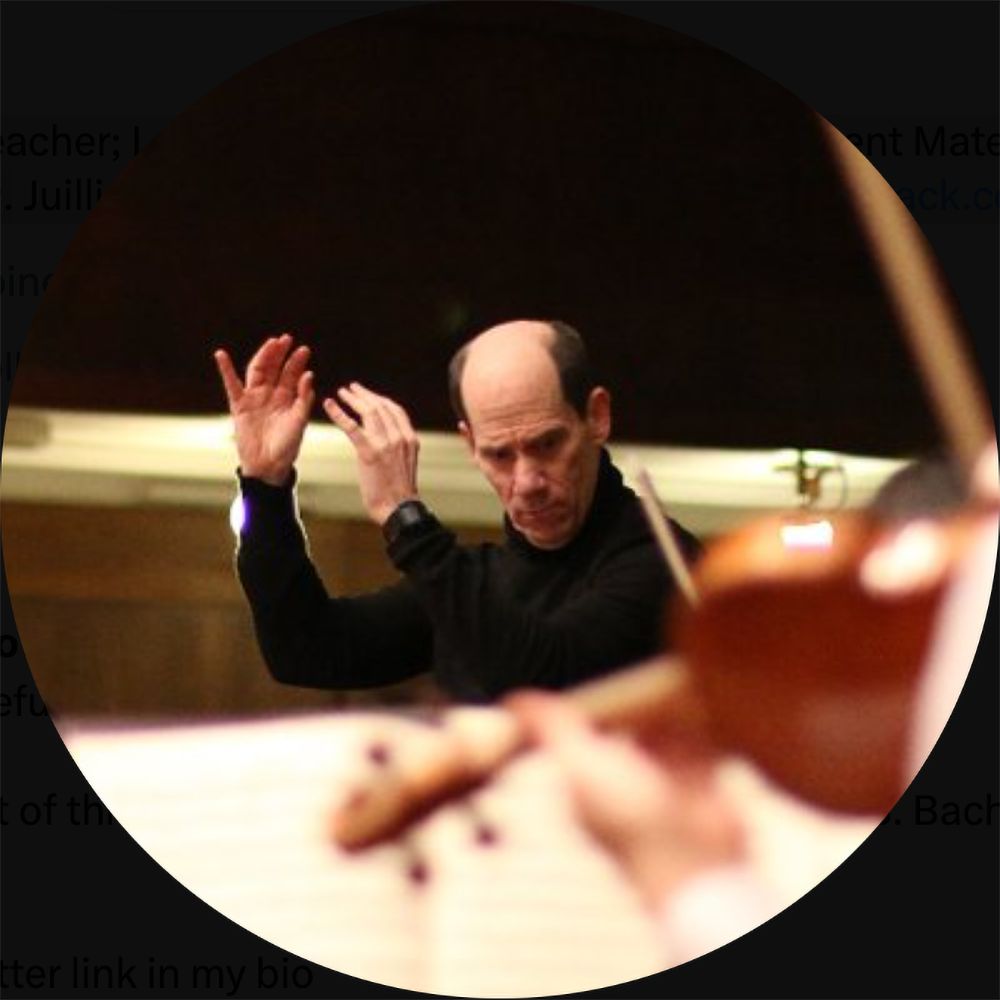
128 years ago today, the American composer and pianist Edward MacDowell died in New York. Although his music was widely-performed during his lifetime, its characteristically non-progressive form of Romanticism fell out of favor as modernism began to dominate 20th c. music.

January 23, 2026 at 6:24 AM
128 years ago today, the American composer and pianist Edward MacDowell died in New York. Although his music was widely-performed during his lifetime, its characteristically non-progressive form of Romanticism fell out of favor as modernism began to dominate 20th c. music.
Reposted by The Symphonist
#TheCompleteBritten #30
Quartettino (1930)
"I am getting very fond of Schönberg, especially with study" (Britten's diary, 14th April 1930)
This key work shows the student going beyond his models and his teachers to make his own, thoroughly modern music of real power and emotional depth.
Quartettino (1930)
"I am getting very fond of Schönberg, especially with study" (Britten's diary, 14th April 1930)
This key work shows the student going beyond his models and his teachers to make his own, thoroughly modern music of real power and emotional depth.

Quartettino: I. Andante - Allegro molto e con fuoco
YouTube video by Endellion String Quartet - Topic
www.youtube.com
January 22, 2026 at 7:06 AM
#TheCompleteBritten #30
Quartettino (1930)
"I am getting very fond of Schönberg, especially with study" (Britten's diary, 14th April 1930)
This key work shows the student going beyond his models and his teachers to make his own, thoroughly modern music of real power and emotional depth.
Quartettino (1930)
"I am getting very fond of Schönberg, especially with study" (Britten's diary, 14th April 1930)
This key work shows the student going beyond his models and his teachers to make his own, thoroughly modern music of real power and emotional depth.
Reposted by The Symphonist

How about the devastating Derek Jarman film of War Requiem? Poetry, pacifism, drama, and the music. youtu.be/pHTC9hQMTxI?...

1989 - War Requiem - Directed by Derek Jarman
YouTube video by Cult Cinema Classics
youtu.be
January 22, 2026 at 7:08 AM
How about the devastating Derek Jarman film of War Requiem? Poetry, pacifism, drama, and the music. youtu.be/pHTC9hQMTxI?...
#TheCompleteBritten #30
Quartettino (1930)
"I am getting very fond of Schönberg, especially with study" (Britten's diary, 14th April 1930)
This key work shows the student going beyond his models and his teachers to make his own, thoroughly modern music of real power and emotional depth.
Quartettino (1930)
"I am getting very fond of Schönberg, especially with study" (Britten's diary, 14th April 1930)
This key work shows the student going beyond his models and his teachers to make his own, thoroughly modern music of real power and emotional depth.
Quartettino: I. Andante - Allegro molto e con fuoco
YouTube video by Endellion String Quartet - Topic
www.youtube.com
January 22, 2026 at 7:06 AM
#TheCompleteBritten #30
Quartettino (1930)
"I am getting very fond of Schönberg, especially with study" (Britten's diary, 14th April 1930)
This key work shows the student going beyond his models and his teachers to make his own, thoroughly modern music of real power and emotional depth.
Quartettino (1930)
"I am getting very fond of Schönberg, especially with study" (Britten's diary, 14th April 1930)
This key work shows the student going beyond his models and his teachers to make his own, thoroughly modern music of real power and emotional depth.
Reposted by The Symphonist
#TheCompleteBritten #29
Reflection, for viola and piano (1930)
Originally called simply "Piece", this mysterious and hypnotic meditation was retitled for posthumous publication in 1997. The new name suits its atmosphere of uneasy stillness surrounding a short, stirring climax.
Reflection, for viola and piano (1930)
Originally called simply "Piece", this mysterious and hypnotic meditation was retitled for posthumous publication in 1997. The new name suits its atmosphere of uneasy stillness surrounding a short, stirring climax.

Benjamin Britten - Reflection [Score Video]
YouTube video by jcbdwsn
youtu.be
January 21, 2026 at 7:03 AM
#TheCompleteBritten #29
Reflection, for viola and piano (1930)
Originally called simply "Piece", this mysterious and hypnotic meditation was retitled for posthumous publication in 1997. The new name suits its atmosphere of uneasy stillness surrounding a short, stirring climax.
Reflection, for viola and piano (1930)
Originally called simply "Piece", this mysterious and hypnotic meditation was retitled for posthumous publication in 1997. The new name suits its atmosphere of uneasy stillness surrounding a short, stirring climax.
#TheCompleteBritten #29
Reflection, for viola and piano (1930)
Originally called simply "Piece", this mysterious and hypnotic meditation was retitled for posthumous publication in 1997. The new name suits its atmosphere of uneasy stillness surrounding a short, stirring climax.
Reflection, for viola and piano (1930)
Originally called simply "Piece", this mysterious and hypnotic meditation was retitled for posthumous publication in 1997. The new name suits its atmosphere of uneasy stillness surrounding a short, stirring climax.
Benjamin Britten - Reflection [Score Video]
YouTube video by jcbdwsn
youtu.be
January 21, 2026 at 7:03 AM
#TheCompleteBritten #29
Reflection, for viola and piano (1930)
Originally called simply "Piece", this mysterious and hypnotic meditation was retitled for posthumous publication in 1997. The new name suits its atmosphere of uneasy stillness surrounding a short, stirring climax.
Reflection, for viola and piano (1930)
Originally called simply "Piece", this mysterious and hypnotic meditation was retitled for posthumous publication in 1997. The new name suits its atmosphere of uneasy stillness surrounding a short, stirring climax.
Reposted by The Symphonist

Here's my favorite version of Serenade for Tenor, Horn, and Strings. Hard to beat.
www.youtube.com/watch?v=PQ0I...
www.youtube.com/watch?v=PQ0I...

Britten - Serenade for tenor, horn and strings - Pears / Brain / BBC SO / Hollingsworth
YouTube video by incontrario motu
www.youtube.com
January 20, 2026 at 6:29 PM
Here's my favorite version of Serenade for Tenor, Horn, and Strings. Hard to beat.
www.youtube.com/watch?v=PQ0I...
www.youtube.com/watch?v=PQ0I...
Reposted by The Symphonist
#TheCompleteBritten #27
O Why Did E'er My Thoughts Aspire (1930)
This setting of Colonel Edward Sackville sticks to an appropriately sombre B minor. Britten's instrumental music of the time is seeped in the influence of continental modernism, but his songs still haven't left the Edwardian parlour.
O Why Did E'er My Thoughts Aspire (1930)
This setting of Colonel Edward Sackville sticks to an appropriately sombre B minor. Britten's instrumental music of the time is seeped in the influence of continental modernism, but his songs still haven't left the Edwardian parlour.
O Why Did E'er My Thoughts Aspire
YouTube video by Malcolm Martineau - Topic
youtu.be
January 20, 2026 at 6:51 AM
#TheCompleteBritten #27
O Why Did E'er My Thoughts Aspire (1930)
This setting of Colonel Edward Sackville sticks to an appropriately sombre B minor. Britten's instrumental music of the time is seeped in the influence of continental modernism, but his songs still haven't left the Edwardian parlour.
O Why Did E'er My Thoughts Aspire (1930)
This setting of Colonel Edward Sackville sticks to an appropriately sombre B minor. Britten's instrumental music of the time is seeped in the influence of continental modernism, but his songs still haven't left the Edwardian parlour.
#TheCompleteBritten #27
O Why Did E'er My Thoughts Aspire (1930)
This setting of Colonel Edward Sackville sticks to an appropriately sombre B minor. Britten's instrumental music of the time is seeped in the influence of continental modernism, but his songs still haven't left the Edwardian parlour.
O Why Did E'er My Thoughts Aspire (1930)
This setting of Colonel Edward Sackville sticks to an appropriately sombre B minor. Britten's instrumental music of the time is seeped in the influence of continental modernism, but his songs still haven't left the Edwardian parlour.
O Why Did E'er My Thoughts Aspire
YouTube video by Malcolm Martineau - Topic
youtu.be
January 20, 2026 at 6:51 AM
#TheCompleteBritten #27
O Why Did E'er My Thoughts Aspire (1930)
This setting of Colonel Edward Sackville sticks to an appropriately sombre B minor. Britten's instrumental music of the time is seeped in the influence of continental modernism, but his songs still haven't left the Edwardian parlour.
O Why Did E'er My Thoughts Aspire (1930)
This setting of Colonel Edward Sackville sticks to an appropriately sombre B minor. Britten's instrumental music of the time is seeped in the influence of continental modernism, but his songs still haven't left the Edwardian parlour.
Reposted by The Symphonist
#TheCompleteBritten #26
Two pieces for violin, viola and piano (1929)
Blimey! The contrast between these pieces and Diaphenia (#25) could hardly be greater. Confidently swimming the strange harmonic seas of Berg, Schoenberg and Scriabin, they languished in a drawer until 2013. Amazing stuff!
Two pieces for violin, viola and piano (1929)
Blimey! The contrast between these pieces and Diaphenia (#25) could hardly be greater. Confidently swimming the strange harmonic seas of Berg, Schoenberg and Scriabin, they languished in a drawer until 2013. Amazing stuff!

[Score] Benjamin Britten - Two Pieces (1929) for violin, viola and piano
YouTube video by AndewMole
youtu.be
January 19, 2026 at 7:15 AM
#TheCompleteBritten #26
Two pieces for violin, viola and piano (1929)
Blimey! The contrast between these pieces and Diaphenia (#25) could hardly be greater. Confidently swimming the strange harmonic seas of Berg, Schoenberg and Scriabin, they languished in a drawer until 2013. Amazing stuff!
Two pieces for violin, viola and piano (1929)
Blimey! The contrast between these pieces and Diaphenia (#25) could hardly be greater. Confidently swimming the strange harmonic seas of Berg, Schoenberg and Scriabin, they languished in a drawer until 2013. Amazing stuff!